Newfoundland Outfitter Riding Packages
A Newfoundland riding package can mean anything from a guided trail outing to a multi-day stay with a machine, meals, or lodging included. The challenge is figuring out what the package actually covers, where you’ll ride, and what you still need to arrange. Use this guide to compare options, ask the right questions, and plan a safer, smoother trip.
What a Newfoundland riding package may include
“Package” is not a standard format. One outfitter may bundle a guide and machine for a few hours; another may offer lodging, meals, and several days of riding. Some listings use package to describe a guided outing with a few extras, while others are closer to a full vacation itinerary. Read the inclusions line by line rather than assuming that a package covers everything you need.
The most common arrangement is a guided ride with a machine supplied by the operator. It may include a brief orientation, a route selected for the group, and basic safety equipment. A longer package might add a cabin or lodge stay, meals, transportation to a trailhead, or several scheduled rides. The operator may also offer options such as a passenger seat or a larger machine, but availability depends on the fleet and the trip.
| Package type | Often includes | Commonly separate or worth confirming |
|---|---|---|
| Guided ride by the hour | Machine, guide, route, orientation | Gear, refreshments, transportation to the starting point |
| Half-day or full-day ride | Machine, guide, planned route, rest stops | Meals, fuel details, personal gear, lodging |
| Multi-day riding stay | Several rides, lodging, and possibly meals | Travel to the area, ferry, extra activities, taxes or other charges |
| Self-guided rental package | Machine and rental period, sometimes a route plan | Trail access, guide support, recovery help, lodging |
| Group or family outing | A planned activity for a group, sometimes multiple machines | Minimum or maximum group size, passenger arrangements, age rules |
These are broad patterns, not promises about any particular operator. A package description may say “all-inclusive” while still excluding travel to the outfitter, meals, or weather-related costs. Ask for a written breakdown before paying a deposit.
The first useful distinction is whether the package is guided or self-guided. With a guide, the operator chooses or approves the route and sets the pace. This can be helpful if you are new to the area, unfamiliar with local trails, or uncertain about changing weather. A self-guided arrangement gives you more independence, but you may need to navigate, plan fuel and breaks, and handle delays without a guide beside you.
A package can also be a lodging offer rather than a riding service. A lodge may help arrange a rental or tour without supplying the machine itself. In that case, confirm which business is responsible for the equipment, safety briefing, trail access, and any cancellation or refund questions. When several businesses are involved, it is especially important to know who you should contact if the plan changes.
For a wider look at the types of services available, start with Newfoundland ATV Rentals and Tours. If your main interest is riding a particular corridor, Newfoundland Guided Rides on the T’Railway can help you think through the guided-ride option separately from accommodation or travel arrangements.
Choose a package around the ride you want
Newfoundland offers varied riding settings, but a package should be judged by the actual route, not just by a photo or a broad destination name. Ask where the ride starts and ends, what kind of terrain is expected, and how much of the outing is spent moving versus stopping. A scenic ride, a skills-focused introduction, and a long-distance trail day call for different equipment, pacing, and experience.
Decide what matters most
Start by ranking your priorities. For example, you might want an easy introduction for a first-time rider, a full day on a railbed, a trip that includes a cabin stay, or a family outing with a passenger. These are not interchangeable. A route that suits an experienced rider may be tiring or intimidating for a beginner, and a package built around long hours in the saddle may not work well for a group with young passengers.
Ask the outfitter to describe the ride in practical terms:
- How long are riders expected to be on the machines?
- What is the approximate distance, and how much of it is on rough or soft ground?
- Are there steep sections, water crossings, exposed barrens, or narrow trails?
- How often does the group stop?
- Is the route adjusted for weather or rider ability?
- What happens if someone wants to turn back or cannot keep the pace?
A mileage estimate alone does not tell you how demanding a ride will be. Surface, weather, visibility, group size, and the condition of the route all affect the time and effort involved. A ride described as beginner-friendly should still come with a clear explanation of terrain and expectations.
Match the machine to the group
Ask which machine is included and whether the group can request a different size or seating arrangement. A two-seat machine is not automatically available just because a listing shows a passenger. Confirm how many people can ride on each machine, whether the passenger seat is factory-installed, and whether the operator has weight limits or other fit requirements.
Do not assume that one large machine can carry several people. Passenger rules and manufacturer seating arrangements matter. For a family outing, ask whether each participant will operate a machine, ride as a passenger, or stay behind. If children are involved, discuss their ages and sizes with the operator before booking; the operator should explain which arrangements are permitted and what supervision is expected.
A side-by-side may be a better fit for some groups than a quad, but the model, seating, and route access can vary. Ask whether the vehicle has a cab, seat belts, and other equipment, and whether those features affect what riders need to bring. Do not select a machine based only on appearance or the number of seats advertised.
Think carefully about destination
Some packages are designed around the T’Railway, while others use local trails or routes near a lodge. The T’Railway is a long corridor, not one uniform trail with identical conditions from end to end. A package may cover only a particular section. Ask which section is included and what the surface is like, rather than treating “T’Railway ride” as a precise itinerary.
If the package is near a town or community, find out whether the ride begins at the business, at a trailhead, or at another meeting point. The distance from your lodging or transportation drop-off can affect the day substantially. Also ask if the route uses any roads, public shoulders, managed trails, private land, or Crown land, and whether the operator handles required permissions or access arrangements.
Use reviews carefully
Reviews can help identify recurring strengths or concerns, but they rarely answer all the planning questions. Look for comments about clear instructions, realistic ride descriptions, machine condition, guide communication, and how an operator handled weather changes. A glowing review that says “great day” does not tell you whether the package fits a first-time rider or includes the gear you need.
Platforms such as Viator can be useful for comparing listed tour details and customer feedback when a package is sold through a booking marketplace. Treat the listing as a starting point, not a replacement for confirming the itinerary and responsibilities directly with the operator. The business delivering the ride is the one that can answer detailed questions about machines, route conditions, and day-of logistics.
Compare inclusions, exclusions, and booking terms
A good comparison starts with a clear inventory of what each offer covers. Avoid comparing one package’s headline description with another package’s full list of inclusions. Ask each operator the same questions, and record the answers before making a decision.
The following items deserve particular attention:
- Machine: Is it included, and what type and seating arrangement is supplied?
- Guide: Is a guide present for the full ride, or only for orientation and departure?
- Equipment: Are helmets or other protective items supplied? What should riders bring themselves?
- Fuel: Is fuel included, or is there a separate arrangement?
- Trail access: Does the operator arrange any required sticker, permission, or access?
- Transportation: Is transport to and from the trailhead included?
- Food and water: Are meals, snacks, or drinking water part of the offer?
- Lodging: Is accommodation included in the same booking, or arranged separately?
- Support: Is there a plan for a breakdown, injury, or machine stuck on the route?
- Group size: What is the minimum and maximum number of riders?
- Weather: Does the operator cancel, reschedule, or proceed in poor conditions?
- Payment and cancellation: What are the deposit, balance, change, and refund terms?
Operators set their own booking terms, and details can differ by package. Review the current terms before paying, especially if your travel dates depend on ferry or flight connections. Ask whether a deposit is refundable, whether a date change is possible, and what happens if the operator cancels. A policy for weather cancellations may differ from one for a customer who chooses not to ride.
When comparing the overall cost, look beyond the package amount. The full trip may also involve transportation, accommodation, meals, personal gear, and travel to the region. If you are bringing your own machine, account for ferry travel, towing, and the time involved in getting to the trailhead. If you are renting, clarify what happens if the machine is damaged or requires recovery.
See Newfoundland Outfitter Package Prices for the cost questions to consider when comparing offers. For current figures and terms, check directly with the operator or booking provider. Prices, what is bundled, and payment conditions can change, so an old review or copied listing may not reflect the offer available for your dates.
Confirm who is responsible for each part
A package involving more than one business can create confusion. The accommodation provider may make the reservation, while a separate operator supplies the machines. Ask who collects payment, who issues the confirmation, who provides the pre-ride briefing, and who handles refunds or changes.
Also confirm the meeting point and the check-in time in writing. Ask what happens if you arrive late because of a travel delay. Do not assume the guide can wait or that the ride can be shortened; the operator’s schedule and group arrangements may make that difficult.
If you are booking through a marketplace, save the listing and confirmation, but still ask the operator any questions that affect your ability to ride. Confirm that the booking details match what the local operator expects, including rider count, passenger count, machine type, and any stated age or licence requirements.
Prepare for Newfoundland conditions and travel
A riding package is only one part of the trip. Newfoundland travel can involve long distances between communities, changing weather, and limited services along remote routes. Build some flexibility into the itinerary, especially if the ride is a central reason for the trip. A tight connection between arrival and ride check-in leaves little room for a delayed crossing, traffic, or a change in conditions.
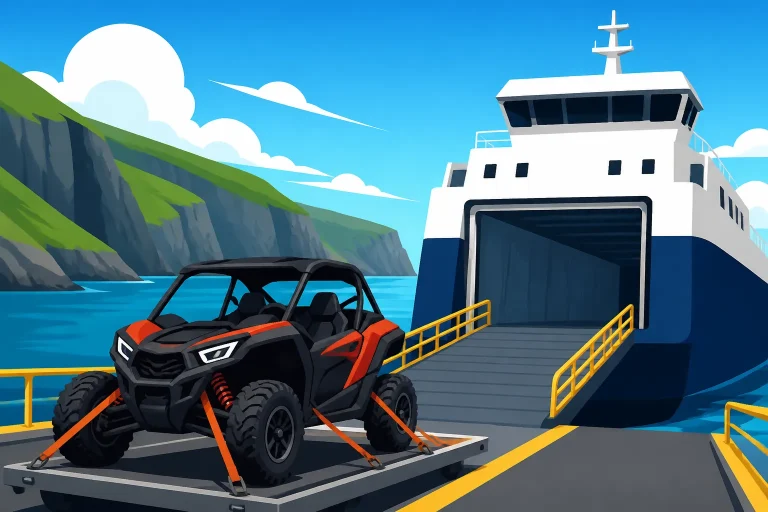
If you are travelling with your own ATV or side-by-side, ferry arrangements need to be planned separately from the ride package. Check the carrier’s current rules for vehicle dimensions, trailers, tie-downs, and booking. A machine and its trailer may be treated differently from a passenger vehicle, and the details can depend on the sailing and equipment. See Newfoundland Shipping a Machine by Ferry and Booking the Newfoundland Ferry With a Quad Aboard when planning transport.
If the outfitter provides the machine, ask whether you need to arrange any transportation from your arrival point to the business. Do not presume that a rental includes delivery. If a package includes a pickup, confirm the location, time, luggage limits, and whether the pickup covers everyone in your party.
Weather preparation matters even for a short outing. Coastal fog, rain, wind, and temperature shifts can change how comfortable or difficult a ride feels. Pack layers and waterproof clothing, and ask the operator about protective gear and footwear. A helmet and goggles may be supplied, but fit and condition are worth checking before departure. Bring any personal items you need for comfort, and follow the operator’s instructions about what can be carried on the machine.
Do not count on having reliable mobile service along every route. Ask whether the guide carries communication and emergency equipment, what the group should do if separated, and whether there is a check-in plan. If the package is self-guided, ask for route instructions and the procedure for a breakdown or emergency before leaving the starting point.
Plan for basic travel needs beyond the ride:
- Leave enough time to reach the outfitter before check-in.
- Keep a contact number and the meeting location available offline.
- Bring water and any medication you may need during the outing.
- Tell someone not joining the ride where you expect to be and when you expect to return.
- Ask whether food, fuel, washroom access, and rest stops are available.
- Avoid scheduling a long ride immediately before a critical departure.
For people bringing their own machine, trail and registration rules remain important even if an outfitter helps with the itinerary. A tour reservation does not replace registration or other requirements that apply to your machine. For a rented machine, the operator can explain what is handled by the business and what each rider must carry or do.
Understand safety, training, and trail access
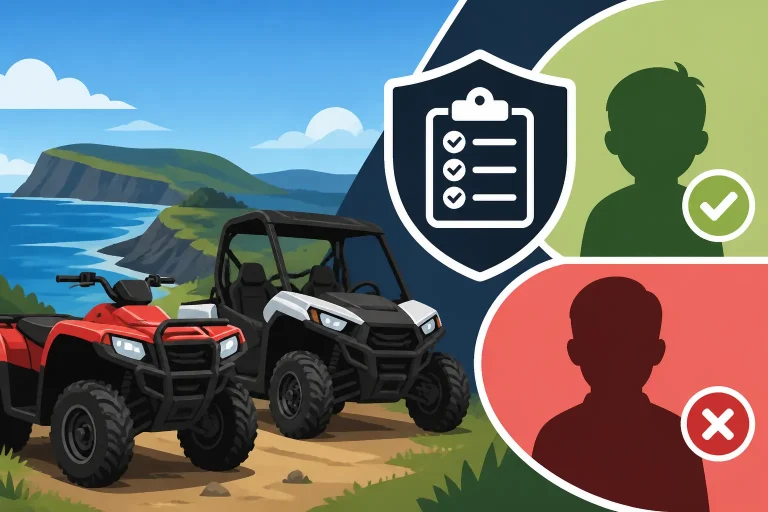
Before booking, clarify the requirements for every person who will operate a machine. A rental or guided package does not necessarily exempt a rider from provincial requirements. Ask the operator what identification, licence, safety training, or proof participants need, and confirm that the answer applies to your machine type and planned route.
Newfoundland has rules related to off-road vehicle operation, equipment, passengers, and trail access. Requirements can vary with the rider’s age, the machine, and where it is being operated. A guided group still needs to follow applicable laws and local restrictions. The guide can explain the outing’s procedures, but that does not mean the guide can waive a legal requirement.
The operator should make clear whether a managed-trail sticker is needed for the planned route and who arranges it. Managed trails may have requirements separate from the machine’s registration. Ask whether the package includes the sticker or whether the operator supplies instructions for obtaining one. The distinction matters if the ride uses a managed trail rather than an area with a different access arrangement. Newfoundland Trail Sticker Cost and How to Get a Newfoundland Trail Sticker cover the questions to ask about trail stickers.
Training is another point to confirm, particularly for younger riders and visitors who are unfamiliar with local rules. Ask whether the operator requires proof of training before the activity, and whether any alternative course or certificate is accepted. Do not rely on a general statement such as “beginners welcome” to determine whether each rider meets the legal requirements. Review Newfoundland Safety Training Is Mandatory and Newfoundland Training for First-Time Registrants if you need to understand the training issue before booking.
Ask how the guide handles the ride
A guide’s job is not only to lead the route. Ask how the operator manages different experience levels, what the briefing covers, and whether the group stays together. Find out whether the guide carries a first-aid kit and communication equipment, and what recovery support is available if a machine becomes stuck or breaks down. The answer should be specific enough for you to understand how the group would respond.
A useful briefing should cover basic machine controls, spacing, hand signals or communication procedures, passing, stopping, and what to do if a rider has a problem. If you have never operated the machine type before, say so in advance. Ask whether there is time to practise in a safe area before joining the route. A short orientation is not the same as a full training course, and you should not feel pressured to ride beyond your ability.
Ask how the operator decides whether conditions are suitable. Heavy rain, fog, wind, or a trail closure may make a route unsafe or inaccessible. A responsible plan should explain who makes the decision, when customers will be notified, and what alternatives are available. A package that continues in unsafe conditions is not a better deal.
Check passenger and group arrangements
Passengers need appropriate seating and protective equipment, and the machine must be designed for the seating arrangement. Ask whether the passenger is included in the booking, what the passenger needs to bring, and whether the ride is suitable for that person’s age and comfort level. A passenger who has never ridden may need a shorter or gentler outing than the operator’s standard route.
For a group, ask whether you will ride with other customers or have a private guide. A larger group can affect pace, wait times, and the guide’s ability to give individual attention. If your group includes a mix of experience levels, explain that before booking. The operator may recommend different machines, a shorter route, or separate outings.
Avoid treating a tour as a substitute for checking access rules. The route may include areas with specific restrictions, and a scheduled ride does not mean every nearby trail is open. When riding independently before or after a package, check the current route and local access information. Newfoundland Restricted Area Permissions is relevant if you are considering a route where access may be limited.
Book, arrive, and ride with fewer surprises
Once you have narrowed the options, confirm the details in a way that leaves little room for interpretation. A short written message can prevent misunderstandings about who is riding, what is included, and where everyone must meet.
Use this booking process:
- Describe your group accurately. Give the number of operators and passengers, ages where relevant, experience levels, and any mobility or equipment needs.
- Name your priorities. Explain whether you want an introductory ride, a longer outing, a particular region, or a package with lodging.
- Confirm the exact package. Ask for the duration, route area, machine type, guide arrangement, included gear, fuel details, and any meal or accommodation arrangements.
- Ask about requirements. Confirm licence, training, age, passenger, and trail-access requirements for every participant.
- Review the terms. Check deposit, cancellation, rescheduling, weather, damage, and late-arrival policies before paying.
- Verify the day-of plan. Confirm the meeting place, check-in time, what to wear, what to bring, and who to contact if travel is delayed.
- Save the confirmation. Keep the booking record, operator contact information, and route or pickup details accessible offline.
At arrival, listen to the briefing even if you have ridden before. Machine controls can differ, and the operator’s expectations for spacing, speed, and stopping may be specific to the route. Inspect the machine for obvious concerns and raise questions before departure. If the machine does not fit, a seat belt or helmet does not work properly, or you are unsure about a control, say so before the group leaves.
During the ride, follow the guide’s instructions and keep a safe distance. Do not pass the guide or leave the group unless directed. Stop if you feel unwell, uncomfortable, or unable to maintain control. A package is not a test of toughness; telling the guide early can prevent a minor issue from becoming a serious one.
After the ride, check what the package requires for return and check-out. Ask where to report any mechanical issue or damage, and do not leave without clarifying any concern. If you have booked multiple days, confirm the next departure time and whether the route or equipment will change.
Questions to ask before paying
These questions are useful whether you book directly or through a third party:
- What exactly is included in the booking?
- Is the machine supplied, and what model or seating arrangement should we expect?
- Is a guide with the group for the entire ride?
- Where does the outing begin and end?
- What terrain and riding time should we expect?
- Is this route suitable for first-time riders?
- What equipment is supplied, and what must we bring?
- What age, licence, training, or passenger rules apply?
- Is trail access or a managed-trail sticker included?
- What happens if weather or trail conditions change?
- What costs or obligations are not included?
- Who do we contact if we are delayed or cannot attend?
If an answer is vague, ask for clarification before paying. In particular, “gear included,” “all-day ride,” and “all-inclusive” can mean different things from one business to another. Ask what those phrases mean in that specific offer.
Choose a package that fits your trip, not just the listing
The best package is not necessarily the longest or the one with the most extras. It is the one whose route, pace, machine, support, and terms fit the people who will actually ride. A first-time rider may value a clear orientation and a short, manageable route more than additional hours. An experienced group may prioritize distance, terrain, and a flexible itinerary. A family may need seating and supervision questions answered before anything else.
Use a simple comparison sheet for the final options:
| Decision point | Option A | Option B |
|---|---|---|
| Guided or self-guided | ||
| Ride duration and route area | ||
| Machine and seating | ||
| Gear and fuel details | ||
| Trail access arrangements | ||
| Lodging, food, or transportation | ||
| Weather and cancellation terms | ||
| Requirements for each rider | ||
| Day-of contact and meeting point |
Fill it in using information from the operator, not assumptions based on a listing photo or a short description. If one offer appears cheaper or more convenient, check whether it excludes costs the other includes. The most useful comparison is between two complete plans for the same group and travel dates.
For a short trip, a guided ride with a supplied machine may reduce the logistics of transporting your own vehicle. For a longer visit, bringing a machine may give you more freedom, but it adds ferry, trailer, registration, and route-planning considerations. A lodging package can simplify accommodation but may not include the ride itself. Each approach trades convenience for flexibility, so decide which matters most.
Keep the itinerary realistic. Allow time for travel, check-in, the briefing, stops, and the return. Avoid assuming that a long advertised corridor can be covered in a single outing, or that the guide can extend the ride if the group is moving quickly. Ask for the actual route and schedule.
Before booking, confirm that everyone in your party is comfortable with the machine, the expected conditions, and the length of the ride. If not, choose a shorter outing, a different machine, or a package with more support. It is better to book a ride that suits the least experienced participant than to discover on the trail that the plan is too ambitious.
Frequently Asked Questions
Do Newfoundland riding packages usually include the ATV or side-by-side?
Many guided packages include a machine, but not all offers do. Some combine lodging or trip planning with a separate rental. Confirm the machine, seating, fuel arrangement, and operator responsibility in writing.
Does a guided tour mean I do not need to check training or trail requirements?
No. A guide can explain the outing and help with arrangements, but riders may still have to meet applicable requirements. Ask the operator what each participant must provide and confirm that it applies to the route and machine.
Can a package include lodging and meals?
Some offers may combine riding with accommodation or meals, while others arrange those separately. Ask exactly what is included, where the lodging is located, and whether transportation between the lodging and ride starting point is provided.
What should I do if the forecast is poor?
Ask the operator how it handles weather-related changes before booking. Confirm when a decision will be made, how you will be contacted, and whether the option is a reschedule, alternate route, or refund under the current terms.
Is it better to rent or bring my own machine?
Renting can reduce ferry and towing logistics, while bringing your own machine may suit a longer trip or riders who want their familiar equipment. Compare the full travel and access requirements, not just the ride package itself.
Disclaimer
This article is for general informational purposes only and does not constitute professional advice. Laws, prices and regulations vary by location and change over time. Consult a qualified professional for guidance on your specific situation.