Newfoundland Registration Without a Bill of Sale
It’s a tale as old as time for many riders here in Newfoundland: you’ve found that perfect quad, maybe a used snowmobile or a side-by-side, and you're ready to hit the trails. But then you realize you don't have a formal bill of sale, and suddenly, the dream of riding is stalled by paperwork. This guide is here to walk you through the often-confusing process of registering your off-road vehicle in Newfoundland when you don't have that crucial bill of sale, helping you understand the options and overcome this common hurdle.
Why a Bill of Sale Is So Important in Newfoundland
Let's face it, when you buy a used machine, especially from a private seller or someone you know, getting a formal bill of sale isn't always the first thing on your mind. Maybe it was a handshake deal, a quick cash exchange, or simply an oversight. But here in Newfoundland, when you go to register your machine, the Motor Registration Division really leans on that bill of sale as the primary proof of ownership. Without it, you might feel like you've hit a brick wall, staring down a stack of forms with no clear path forward.
The reason for this isn't to make your life difficult; it’s about clear title and preventing theft. The province wants to ensure that the machine you're trying to register actually belongs to you and isn't stolen. A proper bill of sale creates a clear chain of ownership, linking you back to the previous owner, and them to their previous owner, and so on, right back to the dealer who first sold the machine. It sounds bureaucratic, but it's a vital safeguard for everyone involved. Without it, how can the province be sure you have the legal right to claim ownership? It leaves a big question mark, and the registry needs to clear that up before they issue a registration permit and a plate.
The Problem with Informal Transactions
Many of us grew up in a time where a handshake was as good as gold, especially for something like a used snowmobile bought from a neighbour. While that spirit of community is still strong here in Newfoundland, the official requirements for vehicle registration have become more formalized. What might have been perfectly acceptable years ago – just picking up a machine and heading out – now requires specific documentation.
This shift can be particularly frustrating when you're dealing with older machines. Perhaps the original owner bought it decades ago and never bothered with a bill of sale, or the paper simply got lost over time. Now, you’re the current owner, eager to comply with the [Newfoundland's Off-Road Vehicles Act], but you're missing a key piece of the puzzle. The registry understands that these situations arise, but they still need to establish legal ownership before they can process your application. You might have the machine sitting in your shed, but without the paperwork, it’s not officially yours in the eyes of the province, and you can't get that all-important [Newfoundland Permits, Plates and Decals] to ride legally. This is where the frustration really sets in, because you know you own it, but proving it is another story.
What Happens Without a Valid Bill of Sale
If you show up at the Motor Registration counter without a valid bill of sale, expect to be politely, but firmly, turned away. They can't just take your word for it. They're looking for concrete proof of purchase and transfer of ownership. This means you won't be able to pay the [Newfoundland ORV Registration You Pay Once] fee, and you definitely won't be leaving with a plate.
This can lead to a lot of wasted time and effort, especially if you've already booked an appointment at the registry, which is highly recommended these days. You might even feel a bit embarrassed, thinking you've done something wrong, when in reality, it's just a common issue that many riders encounter. Without that registration, your machine is stuck in the shed, as riding an unregistered off-road vehicle on public land, Crown land, or designated trails can lead to significant fines and penalties. It’s a real bummer when all you want to do is explore our beautiful province on your new machine. This is why understanding the alternatives to a standard bill of sale is so crucial.
Alternative Proof of Ownership for Registration
So, you don't have a traditional bill of sale. Don't despair! While it's the gold standard, the Motor Registration Division does have provisions for situations where one is unavailable. The key is to provide alternative proof that satisfies their requirements for establishing ownership. This usually boils down to an affidavit, which is a sworn statement, often combined with other supporting documentation. The goal is to piece together a clear and convincing story of how the machine came to be in your possession.
It's important to remember that the registry isn't trying to trick you; they just need to protect themselves and the public from issues like stolen machines or disputes over ownership. Think of it as building a case for your ownership claim, providing them with enough evidence that they can confidently say, "Yes, this machine belongs to this person."
The Sworn Affidavit of Ownership
An affidavit of ownership is probably your most powerful tool when you don't have a bill of sale. This is a formal, written statement where you, the applicant, swear under oath that you are the rightful owner of the off-road vehicle. It needs to include specific details about the machine, such as the VIN (Vehicle Identification Number), make, model, and year, as well as a clear explanation of how you acquired it. Crucially, this document must be signed in front of a Commissioner for Oaths or a Notary Public.
Here's what usually needs to be included:
- Your full legal name and address.
- Detailed description of the ORV: Make, model, year, and especially the full VIN.
- How you acquired the machine: This is where you explain the story. Did you buy it informally from a friend? Was it a gift? Did you inherit it? Be as specific as possible about the circumstances, including dates and locations if you can remember them.
- Why a bill of sale is unavailable: Clearly state why you can't produce a standard bill of sale (e.g., "seller lost it," "transaction was informal," "inherited machine, no paperwork existed").
- A declaration that you are the rightful owner and that the machine is not stolen or subject to any liens or disputes.
- Your signature, dated, and witnessed by a Commissioner for Oaths or Notary Public.
You can often find templates for these affidavits online, or resources like LawDepot can help you generate a legally sound document quickly and efficiently. Just be sure to fill in all the details accurately and completely. The more information you provide, the better your chances are of a smooth process. When preparing for your [Newfoundland Registration by Appointment], having this document ready is paramount.
Supporting Documents That Help Your Case
While an affidavit is crucial, it's even stronger when backed up by other pieces of evidence. Think about anything that can corroborate your story of ownership.
Here are some examples of what might help:
- Previous registration documents: If the machine was registered previously by someone else and you have copies, even if they're old, it can show a history of legal ownership.
- Insurance policies: If you've had the machine insured in your name for a period, this can serve as proof that an insurance company recognized you as the owner.
- Repair receipts: Any receipts for maintenance or repairs done on the machine in your name can demonstrate possession and control over the vehicle.
- Photos of the machine with you: While not strong legal proof, sometimes showing the machine in your possession for an extended period can add to the overall picture.
- Statements from witnesses: If someone else was present during the transaction or can attest to your long-term ownership of the machine, a signed statement from them (perhaps even notarized) could be helpful.
- Proof of payment: If you paid for the machine, even if it wasn't a formal bill of sale, do you have bank statements, e-transfer records, or a cancelled cheque that shows the payment to the seller?
The more you can connect the dots and paint a clear picture of legitimate ownership, the better. Gather everything you can, even if it feels like minor details. When you visit the registry, present all these documents alongside your affidavit. It shows diligence and a genuine effort to comply with the rules. The staff will appreciate your thoroughness when they are trying to understand your [Newfoundland Registration Paperwork Explained].
The Indemnity Form: A Safety Net for the Province
Even with a sworn affidavit and supporting documents, the Motor Registration Division often requires another crucial piece of paperwork when a bill of sale is absent: an indemnity form. This form isn't just a suggestion; it's a standard requirement to protect the province in case something goes wrong later on, such as a dispute over ownership or the machine turning out to be stolen.
Think of it this way: the province is taking a calculated risk by registering a machine without the cleanest chain of title. The indemnity form is your promise to them that you will take full responsibility if any issues arise from this lack of clear paperwork. It’s a bit like saying, "I'm confident in my ownership, and I'll bear the consequences if anyone challenges it."
What the Indemnity Form Does
The indemnity form essentially releases the Registrar of Motor Vehicles and the provincial government from any liability if your ownership of the off-road vehicle is later challenged. You are agreeing to indemnify, or protect, them from any claims, damages, or costs that might arise if it turns out the machine was stolen, had a lien on it, or if another party legitimately claims ownership after you've registered it.
This is a serious legal document, and you should read it carefully before signing. By signing, you are affirming that you are the rightful owner and accepting financial responsibility for any future complications. It’s not just a formality; it’s a legally binding agreement. Many people find themselves signing an [Newfoundland Sworn Affidavits and Indemnity Forms] right at the counter.
Signing the Indemnity Form
Typically, you will complete and sign the indemnity form directly at the Motor Registration Division office when you submit your application. A staff member will usually witness your signature. This ensures that the document is properly executed and that you understand what you're signing. Don't feel rushed; if you have questions about the form, ask the registry staff to clarify. It's better to understand fully what you're committing to rather than signing something blindly.
While the indemnity form might seem daunting, it's often the final hurdle to getting your machine registered when you don't have a bill of sale. It's the province's way of ensuring due diligence and protecting themselves, allowing them to process your registration even in these less-than-perfect situations. Without it, they simply cannot move forward. This process is particularly common when dealing with [Newfoundland Machines With No Paperwork].
What if You Can't Contact the Previous Owner?
This is perhaps the trickiest situation many riders face when trying to register a machine without a bill of sale. Sometimes, the person you bought it from has moved, changed their phone number, or simply isn't cooperative. Or, even more commonly, you inherited a machine or bought it so long ago that the previous owner is long gone or untraceable. This adds a layer of complexity, as getting them to sign a retroactive bill of sale or an affidavit can be impossible.
Deceased Owners and Estates
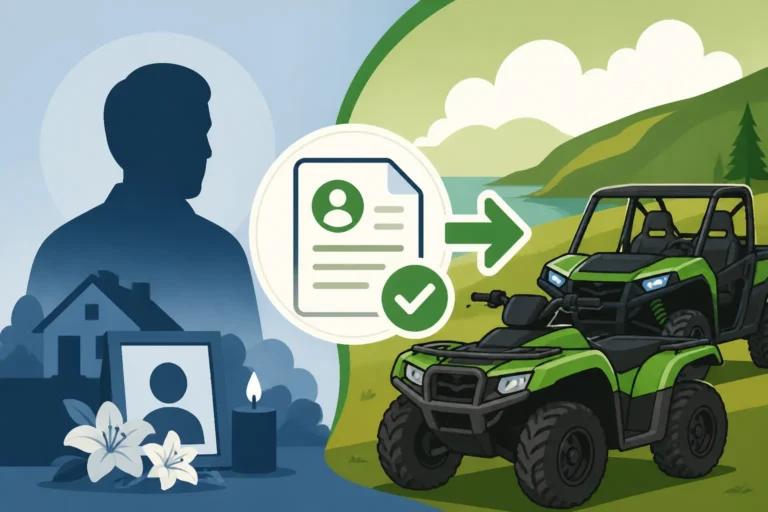
If the previous owner is deceased and you’ve inherited the machine, the process usually involves documents related to the estate. Ideally, you’d have a copy of the will or probate documents showing the machine was bequeathed to you. If there’s no will or formal probate, an affidavit from the executor of the estate, or even a close family member, stating that the machine was passed to you, can sometimes suffice, along with a copy of the death certificate. This usually falls under [Newfoundland Transfers on Death Cost Nothing], but you still need the paperwork to prove ownership.
In these sensitive situations, the registry understands the limitations. They want to work with you, but they still need that chain of legal transfer. It’s about building a story with the best available evidence, even if it's not a standard bill of sale.
Untraceable or Uncooperative Sellers
This is where your comprehensive affidavit and supporting documents become absolutely critical. If the seller is untraceable or unwilling to cooperate, you must clearly state this in your affidavit. Explain every effort you made to contact them, showing diligence on your part. Did you send registered letters? Did you try phone numbers, email, or social media? Document it all.
The registry needs to see that you've genuinely tried to obtain the proper documentation. Your sworn statement, coupled with any existing proof of purchase (even an old e-transfer receipt or a written note from the time of sale), will be weighed heavily. This is where an online legal document service like LawDepot can be invaluable, offering professionally drafted affidavit templates that ensure you cover all necessary legal points, even when dealing with difficult scenarios like an absent seller. They give you the framework to clearly explain the situation to the Motor Registration Division.
It's important to be completely honest in your affidavit. Making false statements can lead to serious legal consequences. The registry has ways to check, and trying to mislead them will only make your situation worse.
When to Consider a Legal Consultation
If you're in a particularly complicated situation – for example, if the machine has a murky history, multiple previous owners, or you suspect it might have been stolen – it might be wise to seek legal advice. A lawyer specializing in property or vehicle law could help you navigate the nuances and ensure you're presenting the strongest possible case to the Motor Registration Division. They can also advise you on the risks involved with signing an indemnity form in uncertain situations.
While most people can handle this process themselves with a solid affidavit and supporting documents, there's no shame in seeking professional help when you're dealing with a particularly thorny issue. It could save you a lot of headaches and potential problems down the road. Especially when registering an older machine, checking if it shows up in [Newfoundland Used Machine Against Stolen Vehicle Records] is a good first step.
Registration Process Without a Bill of Sale: Step-by-Step
Navigating the registration process without a standard bill of sale can feel overwhelming, but breaking it down into manageable steps can make it much clearer. The goal is to provide the Motor Registration Division with a compelling and comprehensive package of information that clearly establishes your rightful ownership.
Step 1: Gather All Available Documentation
Before you even think about setting foot in a registry office, gather absolutely everything you have related to the machine. This includes:
- Photos of the machine: Especially clear photos of the VIN plate or stamp.
- Any old receipts: For parts, repairs, or accessories, especially if they list your name.
- Insurance documents: Past or current policies.
- Communication records: Emails, texts, or letters related to the purchase or transfer.
- Previous registration slips: Even if they're from a prior owner, they help establish a history.
- Any written notes or informal agreements.
The more you have, the better. Even seemingly small details can add weight to your claim.
Step 2: Draft Your Affidavit of Ownership
This is the cornerstone of your application without a bill of sale. As discussed, your affidavit must be detailed and truthful. Use a template from a reputable source like LawDepot to ensure it covers all legal requirements. Clearly state:
- Your identity and contact information.
- The full details of the off-road vehicle (make, model, year, VIN).
- A chronological and honest account of how you came to possess the machine.
- The reason why a bill of sale is unavailable.
- Your declaration of rightful ownership and that the machine is not stolen or encumbered.
Once drafted, do not sign it yet. You need to sign it in front of a Commissioner for Oaths or Notary Public. Most registry offices have staff who are Commissioners for Oaths, but it's always best to confirm beforehand or get it notarized externally if you prefer.
Step 3: Book an Appointment and Prepare for Your Visit
These days, it’s always best to book an appointment at the Motor Registration Division. This saves you waiting time and ensures there's someone available to help you. When you call to book, briefly explain your situation (no bill of sale, but you have an affidavit) so they can guide you on any additional requirements.
On the day of your appointment, bring:
- Your completed (but unsigned) affidavit.
- All supporting documents you gathered in Step 1.
- Your personal identification (driver's licence, etc.).
- Proof of address.
- The VIN of the machine.
- Any required fees (though you won't pay the registration fee until approval).
Being prepared and organized demonstrates seriousness and respect for the process. This attention to detail will help immensely in the [Newfoundland Registration Processing Time].
Step 4: Present Your Case to the Registry Staff
During your appointment, you’ll present your affidavit and supporting documents to the registry staff. They will review everything, and they might ask you questions to clarify details or ask for additional information. This is where your honesty and thoroughness will pay off.
Be ready to explain your story clearly and patiently. The staff are there to help, but they also have a job to do in upholding the regulations. If they are satisfied with your proof of ownership, they will then have you sign the official indemnity form, usually right there at the counter. Once that's done, you'll be able to pay the [Newfoundland ORV Registration Cost] and walk out with your registration permit and plate!
Common Questions and Scenarios
Dealing with registration issues is common, and the registry staff hear all sorts of scenarios. Understanding some of these common questions and how they might apply to your situation can help you feel more prepared.
What if I bought the machine at an auction?
Buying an off-road vehicle at an auction can sometimes complicate the ownership chain, as auction houses often deal with machines from various sources. If the auction house provided you with an official bill of sale from them, even if they don't have the full prior ownership history, that's often sufficient. The auction house's bill of sale acts as your direct proof of purchase.
However, if the auction simply gave you a receipt or you bought it informally after the auction, you might still need to rely on an affidavit. In this case, your affidavit would explain that you acquired the machine at [Newfoundland Registration for an Auction Buy], and provide any documentation from the auction (e.g., bid sheet, payment receipt). The key is to show a clear transaction from the auction to you.
What about machines from out of province?
If you bought an ATV or UTV from outside Newfoundland and Labrador and it didn't come with a bill of sale, the process is largely the same, but with one extra consideration: proving the machine was legally owned in its previous jurisdiction. While your affidavit will be primary, any old registration papers from Nova Scotia, New Brunswick, or Quebec, even if in a previous owner's name, can help confirm its history.
Remember that when you're moving to Newfoundland with a machine you already own, the [Newfoundland's 90-Day New Resident Rule] applies, giving you a grace period before you must register it. But that doesn't excuse you from eventually needing proper ownership documentation. You will still need to follow the same steps to establish ownership if you're missing a bill of sale.
Can I register a machine with two owners?
Absolutely! Many people choose to co-own off-road vehicles, especially couples or family members who share a cabin or a passion for riding. If you’re registering a machine with two owners and you have a bill of sale, make sure both names are on it. If you’re using an affidavit, both owners will need to sign it, swearing to their joint ownership. Both owners will also typically need to sign the indemnity form.
The Motor Registration Division will issue a single registration permit that lists both owners. This is important for clarity and ensures that both parties have a legal claim to the machine. You can find more details on this process by looking up [Newfoundland Registration With Two Owners].
| Scenario | Required Document (Primary) | Supporting Documents (Helpful) | Key Action for Rider |
|---|---|---|---|
| New Machine (Dealer Buy) | New Vehicle Information Statement (NVIS) | Dealer Bill of Sale, Proof of Payment | Ensure dealer provides NVIS; check for errors. |
| Used Machine (Private Sale) | Bill of Sale (from seller) | Previous registration, Photos of VIN | Verify VIN, ensure bill of sale is complete. |
| Used Machine (No Bill of Sale) | Sworn Affidavit of Ownership | Any proof of payment, old insurance, repair receipts, photos, witness statements | Draft detailed affidavit; gather all possible evidence; book appointment. |
| Inherited Machine (Deceased Owner) | Affidavit from Executor/Heir | Death certificate, Will/Probate docs | Obtain legal documents of estate; complete affidavit. |
| Auction Purchase | Auction House Bill of Sale | Auction receipt, Bid sheet | Confirm official bill of sale from auction house. |
Getting your ATV or UTV registered in Newfoundland without a bill of sale can be a bit of a journey, but it's certainly not impossible. By understanding the requirements, gathering all your documentation, and being prepared to explain your situation clearly, you can successfully navigate the process and get out on the trails. It might take a little extra effort, but that feeling of legally cruising through our beautiful barrens and woods will be well worth it.
Disclaimer
This article is for general informational purposes only and does not constitute professional advice. Laws, prices and regulations vary by location and change over time. Consult a qualified professional for guidance on your specific situation.