Newfoundland Classes the Act Covers
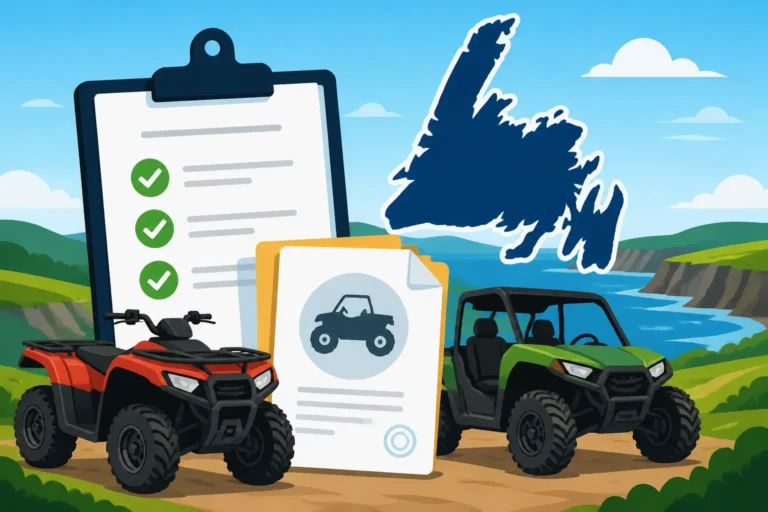
One of the most common headaches for off-road enthusiasts in Newfoundland and Labrador is figuring out exactly what rules apply to their specific machine. The Off-Road Vehicles Act can feel like a maze, especially when you're trying to understand if your side-by-side is treated the same as a quad, or if that old dirt bike in the shed even needs to be registered. This guide aims to clear up that confusion by breaking down the various classes of off-road vehicles covered by the Act, helping you understand your obligations before you hit the trail.
Understanding the Newfoundland Off-Road Vehicles Act
Navigating the world of off-road vehicle (ORV) regulations in Newfoundland and Labrador can sometimes feel like trying to cross a bog in rubber boots – a bit messy and uncertain without the right guidance. At the heart of it all is the province's Off-Road Vehicles Act, a critical piece of legislation that dictates how, where, and by whom these machines can be operated. It's not just a collection of dry legal terms; it's the foundation for ensuring safety, protecting the environment, and defining what kind of machine falls under provincial oversight.
The Legal Framework Since 2022
The current framework for off-road vehicles in Newfoundland and Labrador isn't as old as some might assume. In fact, a significant rewrite of the rules came into [A Statute in Force Since May 2022]. Before this, riders operated under an older act, and the landscape of off-road vehicles was a little different. The 2022 update brought clarity and specific definitions for modern machines and usage patterns, aiming to catch up with the evolving popularity of ORVs. This means if you're riding a newer machine, or even an older one, it's the post-2022 regulations that you absolutely need to understand.
This legislative refresh didn't just tweak existing rules; it fundamentally reshaped [How the Off-Road Vehicles Act Rewrote Newfoundland's Rules]. It introduced clearer definitions, updated penalties, and specifically addressed types of machines that had previously been in a grey area. For example, side-by-sides, which have exploded in popularity, received their own distinct categorization and set of considerations, ensuring they weren't just lumped in with traditional ATVs. This commitment to specificity helps riders, enforcement officers, and even land managers all speak the same language when it comes to ORV use.
Who the Act Aims to Protect
While the Act details what you can and cannot do, its overarching purpose is far more fundamental: safety and responsible use. It's designed to protect the riders themselves, their passengers, and other trail users like hikers, cyclists, and snowmobilers. Think about it: a busy multi-use trail becomes a hazard if different types of users aren't aware of the rules or if machines aren't properly maintained or operated safely. This protective umbrella extends beyond just people, encompassing the delicate natural environment of Newfoundland and Labrador, from its bogs and barrens to its coastal trails.
The Act also serves to protect property and public infrastructure. Uncontrolled or reckless operation of ORVs can lead to damage to private land, public trails, and even roadways. By setting clear boundaries for operation, the province aims to minimize these negative impacts, ensuring that the privilege of riding off-road is maintained for everyone. This includes provisions for [Newfoundland Insurance Requirements for Riders] which are crucial for covering potential damages or injuries, solidifying the idea that responsible riding isn't just about following rules, but about being prepared for unforeseen circumstances.
The Broader Scope of Off-Road Use
It’s easy to think of the Off-Road Vehicles Act only applying to machines tearing up a railbed trail, but its scope is much broader. It governs any mechanically propelled vehicle that's designed for or capable of travel over natural terrain, snow, ice, marshland, or other unimproved surfaces. This means whether you're using your machine for recreational purposes, hunting, fishing, going to the cabin, or even for commercial use, the Act likely applies to you. It's not limited to specific types of terrain either; if your machine is built for off-highway travel, it's probably under the Act's watchful eye.
Consider a typical weekend rider: they might use their quad to access a remote fishing spot, haul firewood to their cabin, or simply enjoy a scenic ride on one of the province's many trails. Each of these activities, on various types of terrain, falls within the purview of the Act. Even if you're just moving your machine from your property to a nearby trail, understanding how the Act classifies your vehicle is essential for ensuring you're compliant with registration, safety, and operational rules from the moment you leave your driveway.
Defining Off-Road Vehicles: What's Covered?
The foundation of the Off-Road Vehicles Act lies in its definitions. Without a clear understanding of what constitutes an "off-road vehicle" in the eyes of the law, it's impossible to know which regulations apply to your machine. This section delves into those core definitions, helping you categorize your vehicle correctly and understand the nuances that differentiate various types of ORVs. It’s more than just what it looks like; it’s about its intended design and capabilities.
The Core Definition of an ORV
At its most fundamental, the Newfoundland Off-Road Vehicles Act defines an off-road vehicle as any motorized vehicle, other than a snowmobile, that is designed or adapted for travel over surfaces other than public highways. This broad definition captures a wide array of machines, from the smallest youth quads to robust utility vehicles. The key distinction here is "other than a public highway." If a machine is primarily built for navigating rough trails, unpaved paths, snow, or marshland, it almost certainly falls under this umbrella, even if it might occasionally cross a road.
This definition ensures that even custom-built or modified vehicles that fit the description are included. It's not about the brand name or the year of manufacture as much as it is about the functionality and purpose. If your machine's natural habitat is off the beaten path, the Act considers it an ORV. This broad stroke helps prevent loopholes where unique or less common vehicles might otherwise escape regulation, ensuring consistent safety and environmental standards across the diverse range of machines used in the province.
Machines Primarily Designed for Off-Pavement Use
Expanding on the core definition, the Act is particularly interested in machines whose engineering and design point overwhelmingly towards off-pavement operation. This isn't just a suggestion; it's a legal classification. While many vehicles can technically go off-road, the Act focuses on those specifically configured for it. This means features like high ground clearance, knobby tires, robust suspension systems, and often the absence of road-legal lighting or signaling equipment are strong indicators that a machine is designed for the rough stuff, not the highway.
Think about the difference between a compact car on a dirt road versus an ATV on that same dirt road. The car can drive on it, but it's not its primary design. The ATV, however, is built precisely for that kind of terrain, and much more challenging environments. This distinction is crucial for enforcement, as it helps determine if a vehicle should be registered under the Off-Road Vehicles Act versus the Highway Traffic Act. Understanding this design intent helps riders anticipate their responsibilities under the law.
The Role of Engine Size and Weight
While the Off-Road Vehicles Act doesn't strictly define an ORV solely by its engine size or weight, these factors play a significant role in determining its classification within the broader ORV category, especially when it comes to specific rules for different age groups or types of machines. For instance, there are regulations about engine displacement for young riders, and certainly the weight and power of a machine distinguish a typical ATV from a larger side-by-side. These specifications often influence horsepower, torque, and overall capability, all of which are relevant to how a vehicle is regulated and operated safely.
For instance, a smaller, lower-powered machine might be deemed suitable for a younger, supervised rider, whereas a larger, heavier side-by-side will have different passenger rules and might require a more experienced operator. The Act implicitly considers these factors when outlining requirements for [Newfoundland Equipment Requirements] or setting guidelines for safe operation. While you won't find a single "engine size cut-off" for what counts as an ORV, these technical specifications inform the specific rules that apply to sub-categories of off-road vehicles.
Specific Vehicle Classes Under the Act
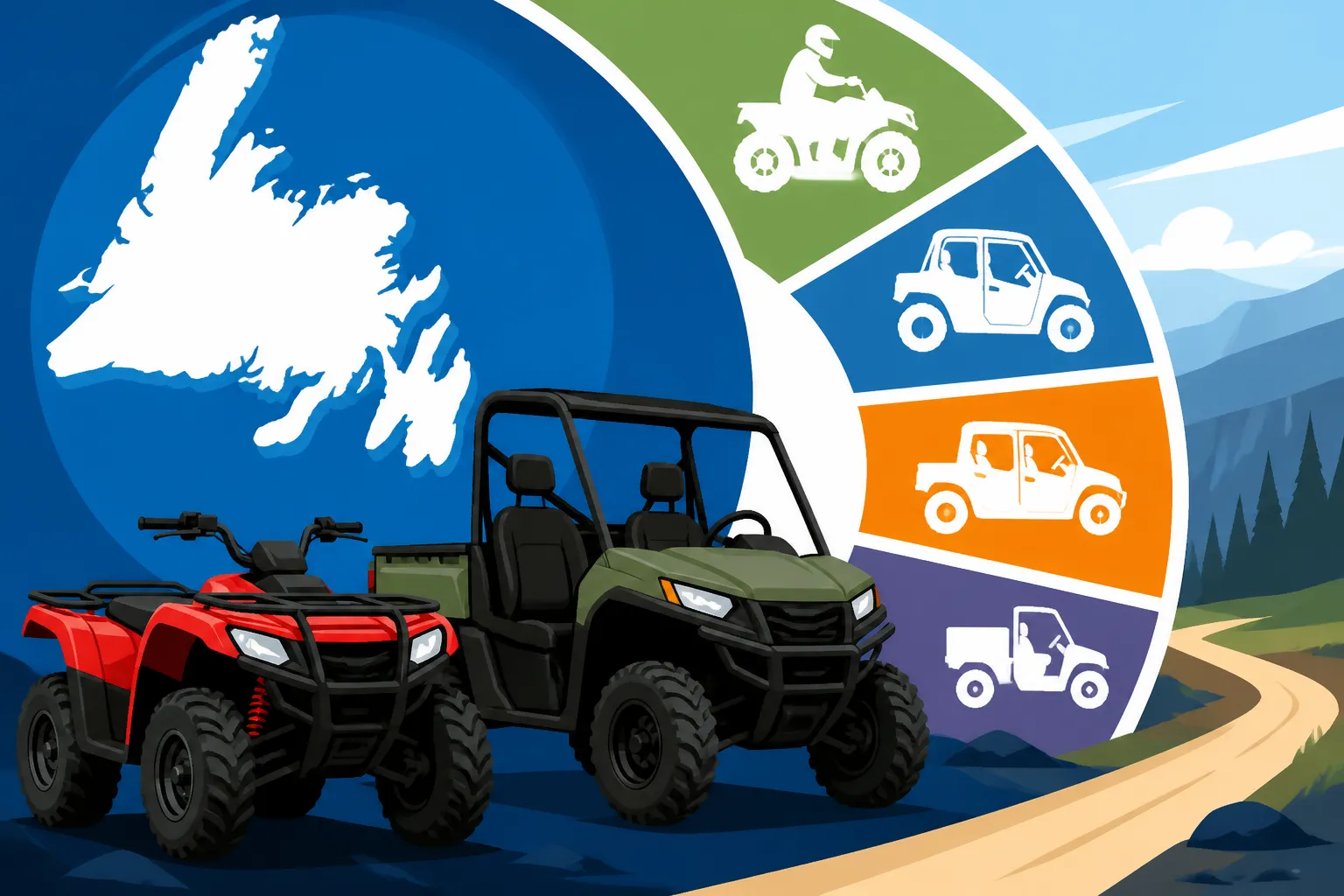
The beauty of off-road recreation in Newfoundland and Labrador is the sheer variety of machines riders use to explore the province’s incredible landscapes. However, this variety also means the Off-Road Vehicles Act needs to be specific. It’s not a one-size-fits-all approach; different types of off-road vehicles have their own definitions and sometimes distinct rules regarding their registration, equipment, and where they can operate. Let’s break down the main categories that the Act explicitly covers, making it clearer where your machine fits in.
All-Terrain Vehicles (ATVs) and Quads
When most people think of an off-road vehicle, the ATV, or "quad," often comes to mind first. The Off-Road Vehicles Act defines an all-terrain vehicle quite precisely: a motorized vehicle, other than a snowmobile, that is designed to travel on four or more low-pressure tires, has a seat designed to be straddled by the operator, and handlebars for steering. This familiar configuration is the bread and butter of off-road riding for many, offering a blend of agility and power for navigating diverse terrain, from rocky trails to boggy marshland.
These machines are incredibly popular across the province, used for everything from weekend recreational rides to practical tasks at cabins or on hunting grounds. Their specific classification under the Act means they are subject to particular registration fees – for example, [Newfoundland Charges $95 for an ATV] – and a defined set of operational rules regarding helmets, passenger limits, and appropriate riding areas. Riders of ATVs form a large segment of the off-road community, and understanding their specific classification is fundamental to compliant riding.
Side-by-Sides (UTVs) and Their Unique Rules
The rise of the side-by-side, also known as a Utility Terrain Vehicle (UTV), has been significant in recent years. These machines offer a more car-like experience with steering wheels, foot pedals, and often multiple seats side-by-side (hence the name). Recognizing their distinct characteristics and growing popularity, [Newfoundland Side-by-Sides Added in 2022] to the specific definitions within the Act. This was a crucial update, as these vehicles often differ from ATVs in terms of weight, capacity, and sometimes their use on more extensive trail networks.
Because of their design, side-by-sides often have specific regulations that differ from ATVs. This can include rules about seatbelts, passenger numbers, and even the types of trails they are best suited for. While they are still considered off-road vehicles, their size and passenger capacity necessitate a different approach to safety and operation. For those operating a UTV, it’s vital to understand these unique stipulations to ensure compliance and safe enjoyment of the trails.
Snowmobiles and Winter Riding
For a province that experiences long, snowy winters, snowmobiles are an integral part of off-road culture and transport. While they are motorized vehicles designed for off-highway travel, the Act often treats them as a separate, distinct class from wheeled ORVs. This is primarily because their mode of propulsion (skis and a track) and their typical operating environment (snow and ice) demand different considerations for safety and environmental impact. Therefore, the Off-Road Vehicles Act has specific provisions for snowmobiles.
Snowmobilers, just like ATV riders, must adhere to registration requirements, operational rules, and safety gear mandates. The fees for registering a snowmobile, for instance, are outlined separately. The distinct classification acknowledges the unique conditions of winter riding, from ice safety to trail sharing with other winter recreationalists. Whether you're commuting to a remote cabin or exploring vast stretches of snow-covered wilderness, understanding [Newfoundland Registration for a Snowmobile] and its associated rules is critical.
Trail Bikes and Dirt Bikes
While less common than ATVs or snowmobiles for general utility, trail bikes (often referred to as dirt bikes) are also explicitly covered by the Off-Road Vehicles Act. These lightweight, two-wheeled machines are designed for agile navigation over challenging off-road terrain, popular among enthusiasts for sport riding or accessing very specific remote areas. Their definition under the Act ensures that even these more specialized machines are brought under the regulatory umbrella.
Interestingly, the registration cost for trail bikes reflects their typically lighter footprint and often more niche usage. For example, [Newfoundland Charges $5 for a Trail Bike] for registration, a significantly lower fee than for an ATV. This distinction in fees highlights the province's recognition of different vehicle types and their varying impacts and uses. Despite the lower fee, all the core responsibilities of safety, proper equipment, and adherence to operational rules still apply to trail bike riders.
Amphibious Machines and Dune Buggies
Beyond the more common ORVs, the Act also extends its reach to cover some of the more unique machines you might encounter in Newfoundland and Labrador. [Newfoundland Amphibious Machines and Dune Buggies] are specifically mentioned, ensuring that these specialized vehicles also fall under regulatory oversight. An amphibious machine, designed to operate on both land and water, presents its own set of safety and environmental considerations, making its inclusion in the Act crucial. Similarly, dune buggies, while perhaps less common on Newfoundland's typical terrain, are also explicitly classified if they are designed for off-road use.
These classifications demonstrate the Act's comprehensive nature, aiming to prevent any type of specialized off-road vehicle from operating without proper oversight. While you might not see these as frequently as a quad, if you own or operate one, you are expected to comply with the same foundational principles of registration, safety, and responsible operation as any other ORV user. This ensures a consistent standard for all off-road motorized recreation in the province.
| Vehicle Type | Description | Primary Use Examples | Registration Cost (Typical) |
|---|---|---|---|
| ATV/Quad | 4+ wheeled, straddle seat, handlebars, low-pressure tires. | Recreation, hunting, fishing, cabin access. | $95 |
| Side-by-Side (UTV) | Wheeled, steering wheel, pedal controls, bucket seats, often multi-passenger. | Recreation, utility, group rides, light work. | $95 |
| Snowmobile | Skis & track, straddle seat, handlebars, operates on snow/ice. | Winter recreation, cabin access, trapping. | Check current rates |
| Trail Bike/Dirt Bike | 2-wheeled, straddle seat, handlebars, knobby tires. | Sport riding, accessing tight trails. | $5 |
| Amphibious Machine | Multi-wheeled or tracked, capable of land and water travel. | Specialized recreation, remote access. | Check current rates |
| Dune Buggy | Open-frame, often modified car components, designed for sand/rough terrain. | Specialized recreation. | Check current rates |
Note: Registration costs are illustrative examples. Always check the official Motor Registration Division for current fees.
Vehicles Not Explicitly Defined or Exempted
While the Off-Road Vehicles Act is quite broad in its scope, it’s also important to understand what it doesn’t cover, or what falls under specific exemptions. Not every motorized vehicle that leaves a paved road automatically becomes an "off-road vehicle" in the legal sense. There are machines designed for specific purposes that, while operating off-highway, are regulated by other statutes or are simply not classified as recreational ORVs. This distinction is vital to avoid unnecessary confusion and ensure you're looking at the right set of rules.
Farm Equipment and Industrial Machines
Agricultural machinery, such as tractors, harvesters, or specialized farm vehicles, often operates extensively off public highways, traversing fields and private farm lanes. However, these are generally not classified as off-road vehicles under the Off-Road Vehicles Act. Their primary purpose is commercial agriculture, and they are typically regulated under different provincial statutes pertaining to farming and agricultural operations. The same principle applies to heavy industrial equipment like excavators, bulldozers, or logging machinery used in forestry. These are tools of industry, not recreational vehicles, and fall under workplace safety and industrial regulations rather than ORV laws.
The key here is the intended purpose and design. A tractor, while capable of driving across a field, is not "designed for recreational off-road travel" in the way an ATV or snowmobile is. While you might use an ATV for farm chores, the tractor itself has a distinct legal identity. This differentiation helps prevent over-regulation of essential industries and ensures that the specific safety and operational requirements for these powerful machines are addressed by the most appropriate legislation.
Special Purpose Vehicles and Construction Gear
Beyond agriculture, there's a range of special-purpose vehicles that might operate off-road but aren't subject to the Off-Road Vehicles Act. This could include certain types of specialized construction equipment used on building sites, or emergency vehicles designed for off-road access in search and rescue operations. These machines, while undeniably operating off-highway, serve critical functions and are typically governed by regulations specific to their industry or public service role, rather than recreational ORV laws.
For instance, a heavy-duty all-wheel-drive truck used by a utility company to access remote power lines, or a specialized vehicle used by a park ranger for patrolling protected areas, would generally not be registered or regulated as an ORV. Their operation is tied to their professional function, and their safety and operational protocols are embedded in the procedures of their respective organizations. This distinction clarifies that the Act focuses on the recreational and general utility use of off-road vehicles by the public.
Vehicles Used Solely on Private Land
One common question from riders, particularly those who live in rural areas or own extensive property, is whether a machine used only on private land still needs to be registered. Generally, if an off-road vehicle is operated exclusively on land owned by the operator or by another person with that person's consent, and never enters or crosses a public highway or Crown land, it may not require registration under the Act. However, this is a nuanced point and often misunderstood. It's not a blanket exemption.
The moment that machine leaves private property, even to cross a small section of Crown land to get to another piece of private property, or to traverse a road shoulder for a short distance, it immediately falls under the Act's purview. Even if you only plan to use your machine on your own extensive property, it's wise to ensure you have at least some form of documentation of ownership – perhaps a bill of sale or a LawDepot affidavit – as proof of legitimate possession, even if registration isn't strictly mandated for that specific, limited use. This "private land only" scenario requires careful consideration, and most riders, even with private land access, eventually use Crown land or cross highways, making registration the safer and more compliant choice.
Why Classifications Matter for Riders
Understanding how your off-road vehicle is classified under the Off-Road Vehicles Act isn't just an academic exercise; it has real, practical implications for every rider in Newfoundland and Labrador. From the moment you purchase a machine to every time you hit the trails, its classification dictates a cascade of responsibilities, requirements, and restrictions. Getting this wrong can lead to fines, safety risks, and even the seizure of your machine. It’s about more than just paying a fee; it’s about responsible and lawful participation in the off-road community.
Registration Requirements by Class
Perhaps the most immediate and impactful consequence of vehicle classification is its effect on registration. Every off-road vehicle covered by the Act generally needs to be registered with the Motor Registration Division. However, the process, documentation, and crucially, the fees, can vary significantly depending on what class your machine falls into. For instance, as mentioned, [Newfoundland Charges $95 for an ATV], while a trail bike is much less. This cost difference directly stems from how the Act categorizes your vehicle.
Beyond the initial fee, the type of machine can influence what specific documents you need to bring. For a new machine, you'll need the [Newfoundland Requires an NVIS for a New Machine] (New Vehicle Information Statement). For a used machine, you'll need a proper bill of sale. Depending on the class, there might be specific requirements for VIN verification or other checks. Remember, [Newfoundland Registration Valid While You Own It], meaning you pay once and it's good until you sell it, but getting that initial registration right, based on your vehicle's class, is paramount. If you're buying a used machine and need to formalize the sale, resources like a LawDepot bill of sale template can help ensure you have the necessary documentation for any class of ORV.
Operational Rules and Equipment Standards
Once registered, the classification of your ORV continues to impact your riding experience through specific operational rules and equipment standards. These rules are designed to enhance safety and minimize environmental impact, but they are often tailored to the characteristics of different vehicle types. For example, while helmets are generally mandatory for all ORV operators and passengers, a side-by-side might have additional requirements for seatbelts that an ATV does not. The Act considers the design and typical use of each class when setting these standards.
Things like lighting requirements, muffler noise levels, and even tire types can have variations across classes. The rules might dictate how many passengers a machine can carry, where they must sit, or even engine size restrictions for younger operators. For example, [Newfoundland Equipment Requirements] for an ATV will differ slightly from those for a snowmobile. Knowing your machine's class ensures you're fitting it with the correct safety gear and operating it within its legal limits, preventing potential fines and ensuring a safer ride for everyone.
Insurance and Liability Considerations
Finally, the classification of your off-road vehicle also has significant implications for insurance and liability. The Off-Road Vehicles Act mandates a minimum level of liability insurance for most registered ORVs, typically setting a floor for coverage. However, the risk profile of different ORV classes can influence insurance premiums and the types of policies available. A powerful side-by-side carrying multiple passengers might be viewed differently by an insurer than a lightweight trail bike.
Having the correct insurance, appropriate for your vehicle's class, is not just a legal requirement; it's a critical safeguard. In the event of an accident, whether it involves property damage, injury to another person, or a collision with another machine, your insurance policy is your primary line of defense. Understanding your machine's classification helps you communicate accurately with insurance providers and ensures you are adequately covered. Documents like a comprehensive purchase agreement or a bill of sale, perhaps generated using LawDepot, can be vital pieces of proof when dealing with insurance claims or verifying ownership. This due diligence protects not only your assets but also your peace of mind while enjoying the vast trails of Newfoundland and Labrador.
Disclaimer
This article is for general informational purposes only and does not constitute professional advice. Laws, prices and regulations vary by location and change over time. Consult a qualified professional for guidance on your specific situation.