Newfoundland Side-by-Sides Added in 2022
It can be incredibly frustrating when you're trying to figure out the rules for something you love, especially when those rules seem to shift and change, leaving you wondering if your machine is even legal to ride. Many off-road enthusiasts in Newfoundland and Labrador have felt this exact confusion, particularly when it comes to the legal status of side-by-sides. This guide is here to untangle the complexities of Newfoundland's Off-Road Vehicles Act, specifically focusing on how side-by-sides were officially recognized and regulated starting in 2022, ensuring you understand exactly what you need to do to stay on the right side of the law.
The Evolution of Off-Road Vehicle Regulations in Newfoundland and Labrador
For years, the world of off-road vehicles in Newfoundland and Labrador was largely dominated by ATVs, often leaving other types of machines in a sort of grey area when it came to provincial regulations. Riders had their quads, their dirt bikes, and their snowmobiles, and the rules, while sometimes a bit dated, generally revolved around these more traditional categories. However, as the popularity of side-by-sides exploded, a new kind of machine began to carve out its own space on the trails and cabin roads, and the existing laws struggled to keep up. This created a lot of uncertainty for owners, dealers, and even enforcement officers.
Before the 2022 Act: A Different Landscape
Before May 2022, the regulatory framework for off-road vehicles in Newfoundland and Labrador was operating under an older act, and frankly, it wasn't fully equipped to handle the diverse range of machines that had become popular. While ATVs and snowmobiles had clear definitions and registration requirements, side-by-sides, often larger and more versatile, didn't quite fit neatly into the existing boxes. This meant that owners might have registered them as ATVs, or perhaps there was confusion about whether they needed to be registered at all. It was a time of ambiguity, where a new machine could easily lead to questions without clear, official answers, and that could be a real headache for anyone trying to do things by the book.
This lack of specific classification created a tricky situation. If your machine didn't explicitly fall into a defined category, how could you be sure you were meeting all the requirements? This was particularly challenging for those who were new to the side-by-side world or moving to the province with their machine. You wanted to enjoy the incredible trails and vast wilderness Newfoundland offers, but you also wanted peace of mind that you weren't unknowingly breaking any rules. The province needed a clearer, more inclusive approach to off-road vehicle regulation, one that reflected the modern reality of recreational riding.
The Game Changer: Newfoundland's Off-Road Vehicles Act of 2022
The provincial government recognized this growing gap and, in a significant move, introduced [Newfoundland's Off-Road Vehicles Act] in May 2022. This wasn't just a minor update; it was a comprehensive overhaul designed to bring the regulations into the 21st century. The new Act aimed to clarify definitions, streamline registration processes, and, crucially, address machines that had previously existed in a regulatory limbo. It provided much-needed structure and eliminated a lot of the guesswork that riders and officials had faced.
One of the most impactful changes within this new Act was the explicit inclusion and definition of side-by-sides. This meant these popular machines now had a clear legal standing, complete with their own specific requirements for registration, operation, and safety. For many owners, it was a huge relief, finally offering clarity where there had once been doubt. The Act also updated provisions for other off-road vehicles, ensuring a more consistent and predictable environment for all riders across the province.
What Sparked the Change for Side-by-Sides
The surge in popularity of side-by-sides was undoubtedly the primary catalyst for the legislative change. These machines, with their ability to carry multiple passengers, haul gear, and traverse challenging terrain, had become incredibly common for both recreational use and practical tasks, like cabin access or hunting trips. People were using them everywhere, from the barrens to the woods roads, and the existing legislation simply couldn't keep up with their widespread adoption. There was a clear need to integrate them officially into the provincial framework.
Beyond popularity, safety was also a significant concern. Without clear regulations, there was inconsistent guidance on everything from helmet use to passenger limits and appropriate operating environments for these larger machines. By defining side-by-sides and establishing specific rules, the Act aimed to enhance safety for operators, passengers, and other trail users. It reflected a commitment from the province to adapt its laws to the changing landscape of outdoor recreation, ensuring that everyone could enjoy their machines responsibly and safely.
What the 2022 Act Means for Side-by-Sides
The introduction of the 2022 Act fundamentally changed how side-by-sides are treated under the law in Newfoundland and Labrador. No longer were they an ambiguous category; they were now officially recognized, defined, and subjected to specific regulations. This shift brought both new responsibilities and clearer guidelines for owners, creating a more predictable environment for everyone involved with these versatile machines.
Defining "Side-by-Side" Under the New Law
One of the most critical aspects of the 2022 Act was the precise definition it provided for side-by-sides, distinguishing them from traditional ATVs. The Act generally defines a "side-by-side" as an off-road vehicle with four or more wheels, designed for off-road use, that has non-straddle seating for the operator and a passenger (or passengers) sitting side-by-side, usually with a steering wheel and foot pedals, similar to a car. This definition helps clear up any lingering confusion about whether a specific machine falls into the ATV or side-by-side category, which is crucial because the operational rules, though often similar, can sometimes have subtle but important differences.
This clear distinction is important not just for enforcement but also for manufacturers and dealers, as it helps them ensure that the machines they sell comply with provincial standards. For you, as an owner, knowing the exact definition means you can confidently determine whether your machine is a "side-by-side" under the law and, therefore, what specific regulations apply to its registration and operation. It removes the guesswork and provides a solid foundation for understanding your obligations.
Registration Requirements for Your UTV
With side-by-sides now explicitly recognized, the 2022 Act mandated their registration with the provincial Motor Registration Division. This is a non-negotiable step if you plan to operate your machine anywhere other than your own private, enclosed land. The registration process is designed to ensure that all off-road vehicles, including side-by-sides, are properly identified and that their ownership is recorded. This not only aids in theft recovery but also contributes to better enforcement of safety and environmental regulations across the province.
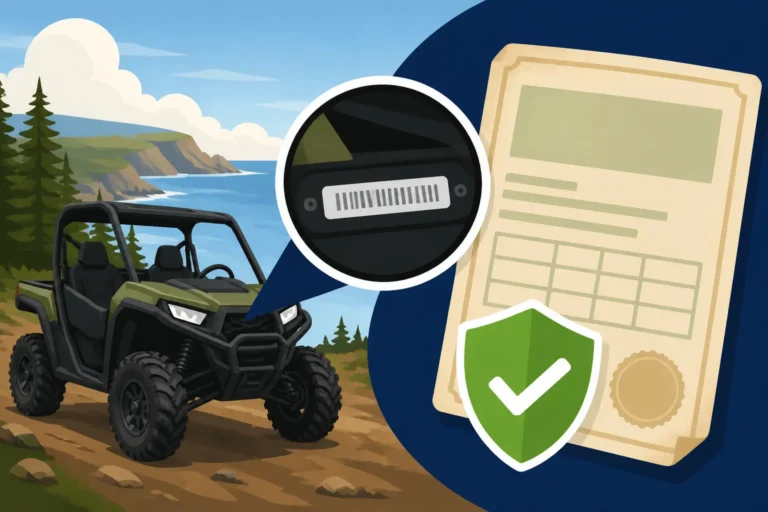
When you go to register your side-by-side, you'll need to provide proof of ownership, which could be a bill of sale or a [Newfoundland Requires an NVIS for a New Machine] for new purchases. You'll also need identification and payment for the registration fee. The good news is that [Newfoundland Registrations Never Expire] for your machine as long as you own it, meaning you pay a one-time fee and you're good to go. However, if you sell your machine, the new owner will need to register it in their name. This ensures a consistent and traceable record of ownership, which is a major step forward for transparency and accountability.
The Practical Impact on Owners and Buyers
For current side-by-side owners, the 2022 Act meant a clear path to legal compliance if they hadn't already gone through a makeshift registration process under the old rules. It removed the uncertainty and provided definite requirements. For prospective buyers, whether purchasing new from a dealer or used from a private seller, the Act brought a new level of clarity to the buying process. You can now confidently ask about a machine's registration status, knowing that there's a defined process in place for both new and [Newfoundland Transfer of Ownership Explained] machines.
This updated framework also impacts how financial transactions and ownership transfers are handled. When buying a used side-by-side, it's more important than ever to ensure you get a proper bill of sale. Services like LawDepot can be incredibly helpful for drafting comprehensive bills of sale or other legal documents to protect both buyers and sellers in these transactions, clearly outlining the terms and ensuring all necessary information is captured. This legal clarity helps prevent disputes down the road and provides a formal record of your ownership, which is essential for registration and future sales.
Navigating the Registration Process for Side-by-Sides
Registering your side-by-side in Newfoundland and Labrador isn't overly complicated, but like any official process, it requires attention to detail and the right paperwork. Getting it wrong can mean wasted trips to Motor Registration and unnecessary delays in getting your machine out on the trails. Taking the time to understand the steps and gather everything you need beforehand will save you a lot of hassle.
Essential Documents You'll Need
When you head to Motor Registration to get your side-by-side registered, having all your ducks in a row with your documents is key. Firstly, you'll need solid proof of ownership. If you bought your machine new from a dealer, they should provide you with a New Vehicle Information Statement (NVIS) and a bill of sale. For a used purchase from a private seller, a comprehensive bill of sale signed by both parties, clearly stating the sale price, date, VIN, and seller's information (including their tax number if applicable), is absolutely critical. You can find templates for these documents through services like LawDepot if you're engaging in a private sale, ensuring all the necessary legal details are covered. Don't forget your personal identification, such as a valid driver's license, to prove who you are.
Beyond ownership, you’ll need to make sure you have all the specifics of your machine ready. This includes the Vehicle Identification Number (VIN), make, model, year, and engine size. Sometimes, a previous registration permit from the seller can also be helpful, especially if there's any ambiguity about the machine's history. Remember that [Newfoundland Registration Paperwork Explained] can seem daunting, but it’s mostly about clear, verifiable information. Make copies of everything for your own records before you go, just in case.
Understanding Fees and Payments
The cost to register a side-by-side in Newfoundland is a one-time fee, similar to ATVs. [Registering a Side-by-Side in Newfoundland] typically falls under the general off-road vehicle category, which costs a set amount. It's important to note that this is not an annual renewal fee; once you pay it, your registration is valid for as long as you own the machine. However, if you transfer ownership, the new owner will incur a transfer fee, which can be different depending on factors like whether the new owner is a senior. For example, [Newfoundland Transfers Cost $16 for Seniors]. Always check the most current fee schedule on the provincial government's website or by calling Motor Registration directly, as these amounts can change.
Payment methods usually include debit, credit card, or cash. It's always a good idea to confirm acceptable payment methods before your visit, especially for larger fees. Also, be prepared for any applicable Harmonized Sales Tax (HST) on the purchase price of your side-by-side, as this is separate from the registration fee and is typically collected at the time of purchase or registration depending on the type of sale (private vs. dealer). Being prepared with the correct amount and payment type will ensure a smooth transaction at the counter.
Tips for a Smooth Registry Visit
To make your trip to Motor Registration as efficient as possible, consider booking an appointment in advance, if available. This can significantly cut down on wait times, which we all appreciate! When you arrive, ensure you have all your original documents, not just copies. The staff will need to verify them. Be ready to fill out any forms they provide on-site, accurately and completely. Don't hesitate to ask questions if something isn't clear; the staff are there to help, and it’s better to clarify things on the spot than to make a mistake that sends you back home.
A common pitfall is incomplete paperwork or missing details on a bill of sale, especially during private sales. Double-check that all fields are filled in, including the VIN, names, addresses, and signatures of both buyer and seller. If you're buying from a family member, or if the chain of ownership is a bit murky, you might need additional documentation like a sworn affidavit. Tools from LawDepot can assist with creating legally sound affidavits if required. Being thorough upfront means you're more likely to walk out with your new registration permit and plate on your first try, ready to hit the trails with peace of mind.
Beyond Registration: Important Considerations for Side-by-Side Owners
Getting your side-by-side registered is a huge step, but it's just the beginning of responsible ownership in Newfoundland and Labrador. There are several other crucial aspects to consider that ensure your safety, protect you legally, and allow you to enjoy your machine for years to come without unnecessary headaches. These include understanding the rules of the road (or trail), ensuring you're properly insured, and knowing what to do when it's time to sell.
Safety Equipment and Operational Rules
Operating a side-by-side comes with specific safety requirements outlined in the Off-Road Vehicles Act. First and foremost, helmets are mandatory for both operators and passengers on all off-road vehicles, including side-by-sides. This isn't just a suggestion; it's the law, and it's there to protect you. Ensure your helmet is properly fitted and meets recognized safety standards like DOT, ECE, or CSA. Additionally, many side-by-sides come equipped with seat belts, and these must be worn at all times while the machine is in operation. This commitment to safety goes a long way in preventing serious injuries.
Beyond personal protective equipment, there are rules about how and where you can operate your side-by-side. For instance, specific age restrictions may apply to operators, and supervision rules are in place for younger riders. [Newfoundland Equipment Requirements] also cover things like lights for riding after dark, proper tires, and functional exhaust systems to minimize noise pollution. Understanding [Newfoundland ORV Road Rules Explained] is critical, especially when it comes to crossing highways or riding shoulders to access trails. Always yield to highway traffic and adhere to speed limits when operating near public roads.
Insurance and Liability for Your Machine
While registration handles the legal permission to operate your side-by-side, insurance covers the financial risks associated with owning and operating it. In Newfoundland and Labrador, a minimum liability insurance policy is required for all registered off-road vehicles. This typically covers damage or injury you might cause to others or their property while operating your machine. The thought of an accident is never pleasant, but having proper insurance means you're protected from potentially devastating financial consequences.
Most riders choose to carry more than the minimum liability coverage, often adding collision, comprehensive, or other types of coverage to protect their own machine from damage or theft. When talking to insurance providers, make sure they understand you have a side-by-side, as they may have different classifications or requirements than for a standard ATV. It's always a smart move to shop around and get quotes, explaining your specific usage, whether it's primarily for recreation, hunting, or accessing a cabin. Having robust insurance offers peace of mind every time you head out.
Selling or Transferring Your Side-by-Side
Eventually, the day might come when you decide to sell your side-by-side or transfer ownership. This process also falls under the purview of the 2022 Act and is fairly straightforward, provided you follow the steps. When selling, you'll need to provide the new owner with a signed bill of sale and, importantly, notify Motor Registration of the sale within 10 days. This step is crucial because it formally removes your name from the machine's registration record, absolving you of any future liability associated with it. [Newfoundland Transfer of Ownership Steps] are clear about the seller's responsibility.
For the buyer, they will then need to take that bill of sale, along with their identification and the appropriate fees, to Motor Registration to register the machine in their name. Remember, your [Newfoundland Registration Valid While You Own It] but it does not transfer with the machine to a new owner automatically. In cases of gifting a machine or transferring ownership after a death, there are specific forms and procedures, sometimes requiring a sworn affidavit or an indemnity form, which legal document services like LawDepot can help you prepare. Proper documentation ensures a clean transfer and prevents future headaches for both parties.
Common Questions and Misconceptions About Side-by-Side Registration
It's completely normal to have questions about off-road vehicle registration, especially with updates to the laws. Riders often encounter unique situations or hear conflicting information, which can add to the confusion. Let's tackle some of the most frequently asked questions and clear up a few common misconceptions, particularly concerning out-of-province machines and unusual ownership scenarios.
Out-of-Province Machines and Visitors
If you're visiting Newfoundland and Labrador with your side-by-side, or if you're a new resident bringing your machine from another province, the rules can seem a little murky. The good news is that visitors from other provinces or territories typically have a grace period. Under [Newfoundland's 30-Day Visitor Exemption], your machine, if properly registered in your home jurisdiction, can be operated in Newfoundland for up to 30 days without needing to be registered here. This is designed to allow tourists and short-term visitors to enjoy our beautiful province without immediate bureaucratic hurdles. However, this exemption doesn't mean you're exempt from operating rules like helmet laws or insurance requirements.
For new residents, the clock starts ticking the moment you establish residency. You generally have [Newfoundland's 90-Day New Resident Rule] to register your side-by-side in Newfoundland. After this period, your out-of-province registration may no longer be recognized for operation within the province. This rule encourages new residents to integrate into the provincial system, ensuring all machines operating long-term are accounted for under local laws. Understanding these timeframes is essential to avoid potential fines or issues. [Newfoundland Registration Compared to Nova Scotia] or other provinces can show you how similar or different these grace periods might be.
Dealing with Unique Ownership Situations
Life isn't always straightforward, and sometimes ownership of a side-by-side can become complicated. What if you bought your machine at an auction and the original paperwork is incomplete? Or what if the previous owner is impossible to track down for a signature? [Newfoundland Registration for an Auction Buy] can be more involved. In these situations, Motor Registration typically requires additional steps to verify ownership and ensure the machine isn't stolen. This might involve a sworn affidavit of ownership, an indemnity form, or even a police check on the VIN. These forms attest to the history of the machine and your legal claim to it, and legal document services like LawDepot can assist in drafting these official statements.
Similarly, if a machine is inherited after an owner passes away, the process involves transferring ownership through an estate. This usually requires a death certificate, proof of executorship or administration of the estate, and specific transfer forms. While emotionally challenging, understanding that there's a clear process for these situations helps alleviate some of the stress. It’s always best to contact Motor Registration directly for guidance on these unique cases, as they can provide the most accurate and up-to-date requirements.
Future Outlook for ORV Laws
The 2022 Act was a significant step forward, modernizing off-road vehicle regulations to include side-by-sides and other machine types. However, laws are not static; they evolve with technology, usage patterns, and public safety concerns. It's reasonable to expect that further refinements or updates to the Off-Road Vehicles Act could occur in the future. As new types of off-road vehicles emerge or as patterns of use change, the province may need to adapt its regulations once more to ensure safety and environmental protection.
For owners, staying informed is key. Following provincial government announcements, checking the Motor Registration Division's website, and engaging with local ATV or side-by-side clubs can help you stay abreast of any potential changes. These clubs often play a vital role in advocating for riders and disseminating information. By remaining proactive and engaged, side-by-side owners can ensure they continue to operate their machines legally and safely, contributing positively to the vibrant off-road community in Newfoundland and Labrador.
Here's a quick overview of key registration considerations:
| Aspect | Details Before 2022 Act | Details After 2022 Act |
|---|---|---|
| Side-by-Side Status | Ambiguous, often fit into ATV category | Clearly defined as "side-by-side" |
| Registration | Inconsistent, often informal/not specific | Mandatory, specific process for side-by-sides |
| Fees | Varies based on interpretation | Standardized one-time fee |
| Required Documents | Less prescriptive | NVIS, Bill of Sale, ID, potentially affidavits |
| Ownership Transfer | Often less formal, prone to issues | Standardized, requires official notification and new registration |
| Enforcement | Challenges due to lack of clear definitions | Clearer guidelines for peace officers |
| Safety Guidelines | General ORV rules, less specific to UTVs | Explicit safety requirements for UTVs |
Disclaimer
This article is for general informational purposes only and does not constitute professional advice. Laws, prices and regulations vary by location and change over time. Consult a qualified professional for guidance on your specific situation.