Newfoundland Registration Before Your First Ride
There’s nothing quite like the excitement of bringing home a new ATV or side-by-side in Newfoundland, is there? You’ve got visions of tearing down a railbed, exploring a new path to your cabin, or hitting those winter trails. But before you can even think about that first glorious ride, there’s a crucial step that often feels like a bureaucratic hurdle: getting your machine properly registered. It can be confusing, frustrating, and sometimes you just want to know what exactly you need to bring to the counter. This comprehensive guide will walk you through the essential steps and requirements for registering your off-road vehicle in Newfoundland, ensuring you're legal and ready before your wheels ever hit the dirt.
Why Registration Matters Before You Even Start Your Engine
It’s easy to get swept up in the thrill of a new machine, to picture yourself out on the barrens or cruising along the coast. But holding off on registration, even for a day, can land you in a heap of trouble. In Newfoundland, operating an unregistered off-road vehicle (ORV) is a serious offence, and it’s something peace officers are definitely looking for. It's not just about avoiding a fine; it’s about being a responsible rider and ensuring you're protected.
The Legal Imperative: It's the Law
The province’s Off-Road Vehicles Act is quite clear: if you’re operating an ATV, snowmobile, side-by-side, or other specified ORV anywhere off your own private property, it needs to be registered. This isn't a suggestion; it's a mandatory requirement. This law has been in force for a while, with updates to reflect new types of machines like side-by-sides. You might be surprised to learn that [Newfoundland Side-by-Sides Added in 2022] officially became their own class, requiring specific attention during registration.
Thinking you might just "risk it" for a quick run down a cabin road? That’s a gamble that almost never pays off. Peace officers, whether from the RCMP, local municipal police, or wildlife enforcement, are well-versed in the regulations. They can and do issue tickets, and those fines can really put a damper on your riding budget. Plus, if you're involved in an accident with an unregistered machine, your insurance could be jeopardized, leaving you personally liable for damages. No one wants to face that kind of stress.
Peace of Mind and the Bigger Picture
Beyond the legal aspect, having your ORV registered brings a certain peace of mind. It means your machine is officially recognized, it helps deter theft, and it ties into the broader network of safe and responsible riding. When you see others on the trails, notice their plates, and maybe even their trail stickers, you're looking at a community of riders who understand the importance of following the rules.
Your registration is a permanent record of ownership. Unlike cars, [Newfoundland Registrations Never Expire] as long as you own the machine. This "you pay once" model is great, but it puts the onus on you to make sure everything is in order from day one. It’s part of ensuring that our trails remain open and accessible for everyone, and that the impact of ORVs on our beautiful province is managed responsibly.
Gathering Your Paperwork: What You Absolutely Need
This is often where the real headache begins for new owners. The registry needs specific documents to process your registration, and if even one piece is missing, you’ll be sent home to get it. This can mean a wasted trip, lost time, and a delayed first ride. Knowing exactly what to bring for various scenarios is key to a smooth process.
Buying a New Machine from a Dealer
If you’re lucky enough to be picking up a brand-new ATV or side-by-side from a dealership, much of the heavy lifting for registration is often handled for you. Dealers are well-practiced in these transactions, but it's still crucial to know what documents you should expect and what to double-check.
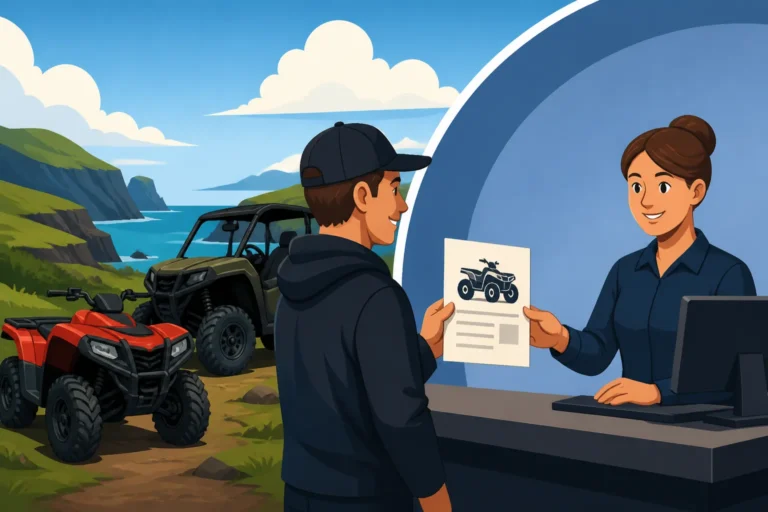
When you purchase a new ORV, the dealer should provide you with a [Bringing the New Vehicle Information Statement to the Counter]. This is essentially the birth certificate of your machine, detailing its make, model, VIN, and other crucial information. They’ll also give you a bill of sale, showing your proof of purchase and the sales tax paid. Often, the dealer will even submit the registration paperwork on your behalf, especially if you're financing the machine. This is a huge convenience, but always confirm with them exactly what they're doing and what you’ll receive as proof of registration. Make sure you get your temporary permit and permanent identification plate or decal promptly.
Registering a Used Machine from a Private Seller
This is where things can get a little more complicated, especially if the previous owner wasn't as diligent with their paperwork as they should have been. When buying privately, the most critical document is a clear [Newfoundland Bills of Sale From Each Owner]. This bill of sale needs to explicitly state the buyer's and seller's names, addresses, the machine's make, model, year, VIN, and the purchase price. It also needs the seller's signature and ideally, their Newfoundland Tax Registrant Details at Registration.
If you’re the third or fourth owner, you technically need a chain of bills of sale going back to the last registered owner. This is often a significant hurdle for buyers. If a bill of sale is missing from an intermediate owner, or if the ownership history is unclear, you might need to use a statutory declaration or sworn affidavit to attest to ownership. For those situations where you need to create proper documentation, especially a robust bill of sale or an affidavit, resources like LawDepot can be incredibly helpful for drafting legally sound documents. They offer templates that can simplify the process of gathering [Newfoundland Registration Paperwork Explained].
Other Scenarios: Gifts, Inheritances, and No Paperwork
Sometimes, you might receive a machine as a gift, or inherit one. In these cases, a standard bill of sale isn’t appropriate. For gifts, a gift letter from the donor stating they are transferring ownership without monetary exchange is usually required, along with the previous registration document. When a machine is inherited, you’ll need documentation like a death certificate and proof of executorship or beneficiary status. This allows for [Newfoundland Transfers on Death Cost Nothing], which is a small relief in a difficult time.
What if there's no paperwork at all? This is the toughest situation. You might be asked to complete a [Newfoundland Sworn Affidavits and Indemnity Forms] attesting to your ownership and how you acquired the machine. This is a legal declaration, so it's not something to take lightly. The registry may also require you to sign an indemnity form, holding the province harmless should a previous owner come forward with a claim. Again, tools like LawDepot can assist in creating valid sworn affidavits if you find yourself in this tricky spot, helping to ensure your statement meets legal requirements.
The Step-by-Step Process: From Documents to Decal
Once you’ve got all your ducks in a row with the paperwork, it’s time to head to Motor Registration. In many cases, it's wise to book an appointment to avoid long waits. This isn't like dropping into a corner store; it's a formal process, and you want to be prepared.
Booking Your Appointment and What to Bring
Motor Registration offices, especially in busier areas like St. John's, often operate by appointment for certain services. It’s always a good idea to call ahead or check their website to see if [Newfoundland Registration by Appointment] is required. This can save you a significant amount of waiting time and frustration.
When you go, make sure you have:
- All your original paperwork: Bills of sale, NVIS, affidavits, gift letters, death certificates, etc. Keep copies for your own records.
- Proof of identification: A valid driver's license or other government-issued ID.
- Proof of residency: A utility bill or other document showing your Newfoundland address, if required, especially for [Newfoundland's 90-Day New Resident Rule].
- The machine's VIN: Ensure it's clearly legible on your documents and ideally, know where it is on the machine itself in case they ask.
- Payment: While you won't be charged a specific amount here, be prepared for any potential fees.
At the Counter: The Verification Process
When it's your turn, the registry staff will meticulously review all your documents. They're looking for completeness, accuracy, and consistency. They will verify the VIN, ensure all necessary signatures are present, and confirm the chain of ownership if applicable. This is where any missing or incorrect paperwork will halt the process.
They’ll process the registration in their system, assigning your machine a unique registration number. This will then be linked to you as the owner. You’ll pay the one-time registration fee – for example, [Newfoundland Charges $95 for an ATV], and then you’ll be issued your official registration permit and the physical identification plate or decal. For most wheeled ORVs, you’ll receive an identification plate. For snowmobiles, it's typically a decal. [Do You Get a Plate or a Decal?] depends on the type of machine you're registering.
What Happens Next: Your Permit and Plate
Once everything is approved, you’ll walk away with your official registration permit. This document details your machine’s information, your owner details, and the registration number. This is a critical document that you should carry with you whenever you’re riding, or at least keep a copy on hand. You’ll also receive your identification plate or decal.
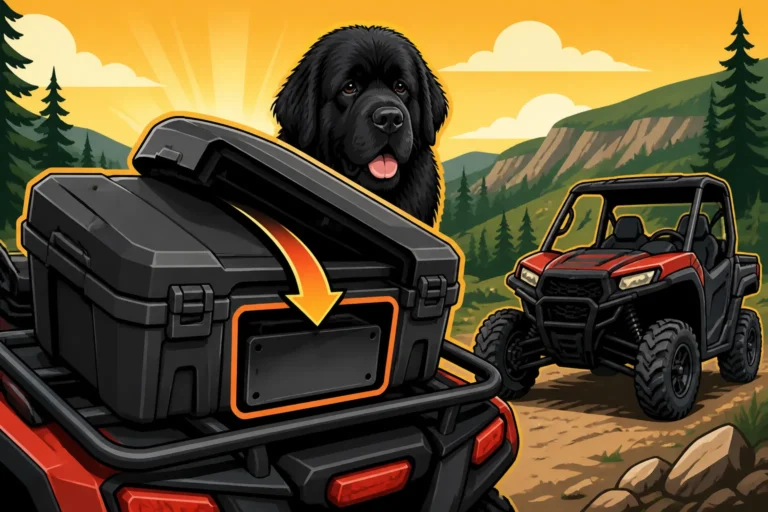
It’s crucial to attach this plate or decal properly and promptly. The law requires it to be clearly visible and unobstructed. [Newfoundland Plates Kept Free of Mud] and [Newfoundland Plates Unobstructed by Cargo] are not just good practice; they are legal requirements. An officer needs to be able to easily identify your machine. This plate signifies that your ORV is legally registered and ready for the trails.
Common Questions and Pitfalls to Avoid
Even with a clear process, people often run into specific questions or make common mistakes that can delay their registration. Being aware of these can save you a lot of hassle.
What If I Don't Have a Clear Bill of Sale?
This is a recurring challenge. As mentioned, if you're buying a used machine and the seller doesn't have a formal bill of sale, or if there's a break in the ownership chain, you'll likely need to provide a sworn affidavit. This document needs to be legally sound, detailing how you came into possession of the ORV and affirming that you are the rightful owner. LawDepot provides affidavit templates that can be customized for such situations, ensuring you don't miss any critical legal language. It's much better to have this prepared in advance than to be turned away at the registry.
Another option might be to contact previous owners if possible, to try and trace the ownership chain backwards. Sometimes, an older registration permit can help verify the VIN and the last registered owner, providing a starting point. [Checking a VIN Against an Older Registration Permit] can sometimes bridge gaps in your paperwork.
What About Taxes on a Private Sale?
When you buy a used ORV from a private seller in Newfoundland, you will likely pay HST on the purchase price when you register the machine. This is a common point of confusion. The registry acts as the collection agent for the province's portion of sales tax. So, even if the seller didn't charge you tax (which they typically wouldn't in a private sale), you'll pay it at the time of registration based on the declared sale price. Make sure the bill of sale accurately reflects the price you paid, as this will determine the tax amount.
This applies even if you’re transferring ownership. For example, [Newfoundland Transfers Cost $16 for Seniors] but the tax still applies on the declared value. It's an important consideration when budgeting for your purchase.
What if I'm a New Resident or Visitor?
If you've just moved to Newfoundland and brought your ORV with you, you have a grace period before you need to register it here. [Newfoundland's 90-Day New Resident Rule] gives you three months to get settled before requiring local registration. This allows you to continue using your machine with its out-of-province registration during that initial period.
For visitors, the rules are a bit different. [Newfoundland's 30-Day Visitor Exemption] means if your machine is properly registered in your home province or state, you can ride here for up to 30 days without needing a Newfoundland registration. Beyond that, you would need to register it locally. It's always best practice to carry proof of your home province's registration and your ID when visiting.
Summary of Key Registration Documents
To help you get organized, here’s a quick overview of what you’ll generally need for common scenarios:
| Scenario | Key Documents Required | Additional Considerations |
|---|---|---|
| New Machine (Dealer) | New Vehicle Information Statement (NVIS), Bill of Sale | Dealer often handles submission; confirm you receive plate/permit directly. |
| Used Machine (Private Sale) | Bill of Sale (from seller to you), Previous Registration (if available) | Ensure clear VIN, purchase price, seller's info. May need prior bills of sale or affidavit. |
| Gifted Machine | Gift letter, Previous Registration, Affidavit (if no prior registration) | Clearly state no monetary exchange. |
| Inherited Machine | Death Certificate, Will/Probate, Previous Registration | Proof of executorship or beneficiary status. |
| New Resident (Out-of-Prov) | Out-of-province registration, Proof of NL residency | Must register within 90 days. |
| No Paperwork (Older Machines) | Sworn Affidavit, Indemnity Form | Often requires detailed explanation and legal declaration of ownership. LawDepot can help. |
Getting your ORV registered before your first ride might feel like a chore, but it's a vital step. It ensures you're riding legally, safely, and with peace of mind. By preparing all your documents, understanding the process, and knowing what to expect, you can turn a potentially frustrating experience into a smooth path to adventure. Then, and only then, can you truly enjoy the freedom of exploring Newfoundland’s incredible landscapes on your terms.
Disclaimer
This article is for general informational purposes only and does not constitute professional advice. Laws, prices and regulations vary by location and change over time. Consult a qualified professional for guidance on your specific situation.