Why No Renewal Notice Arrives in the Mail
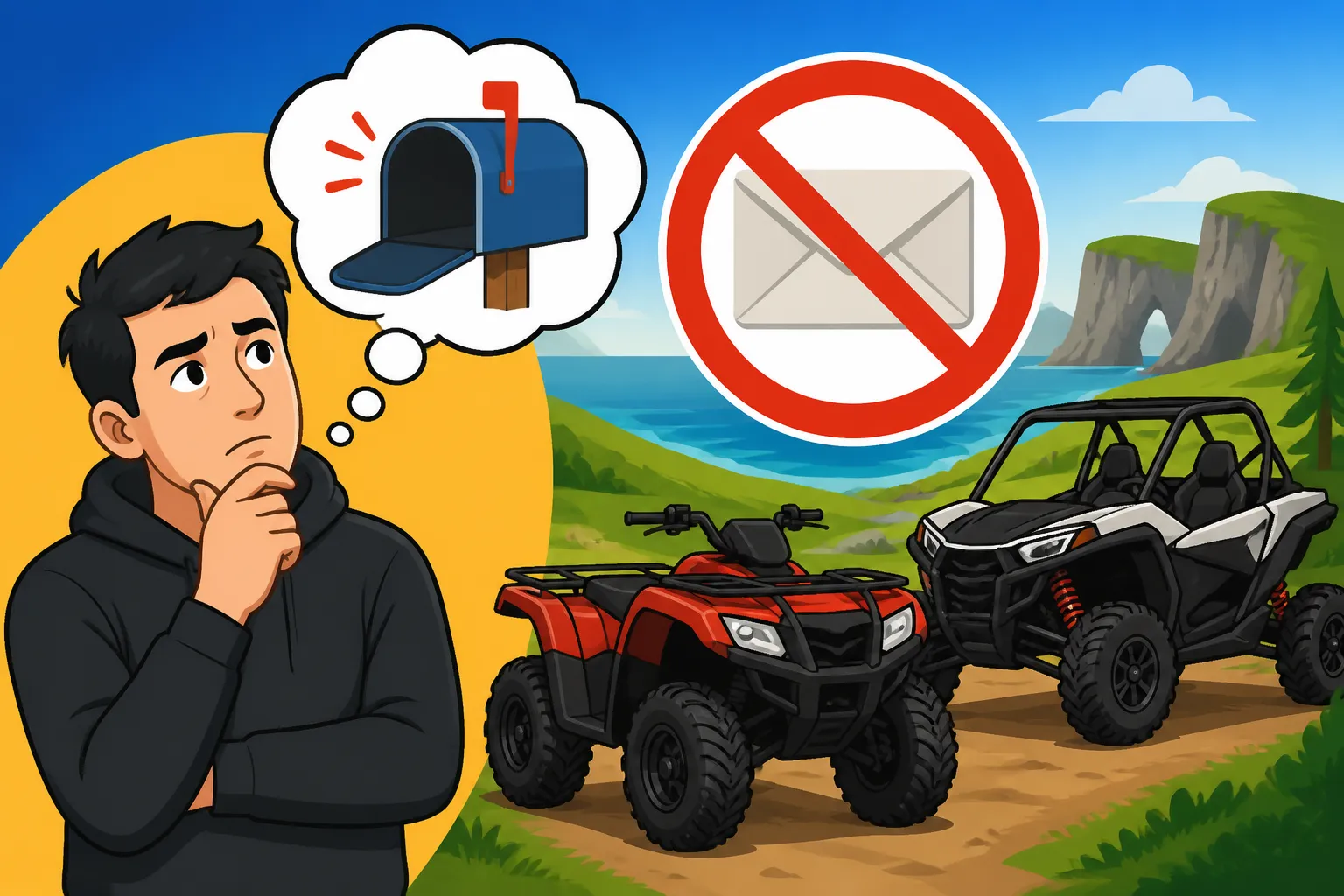
You’ve probably checked your mailbox a few times, wondering where that annual renewal notice for your ATV or UTV registration is. If you're used to regular reminders for your car or truck, the silence can feel unsettling, making you think you've missed a deadline. Don't worry, you haven't! This guide will explain precisely why a Newfoundland ORV registration doesn't generate a renewal notice and what that truly means for you as a rider.
Understanding Newfoundland's Unique Registration System
It's a common point of confusion for many off-road vehicle owners, especially those new to Newfoundland or those who have recently purchased their first ATV or side-by-side. We're all conditioned to expect annual reminders for so many things – driver's licenses, vehicle registrations, club memberships. So, when that familiar envelope doesn't show up for your off-road vehicle, it’s only natural to feel a pang of worry. Did you forget something? Is your registration about to expire, leaving you grounded?
The simple, reassuring truth is that the system for off-road vehicles here is fundamentally different from what you might be used to. It's designed to be much more straightforward once you understand its core principle.
A "One-and-Done" Approach to ORV Registration
Unlike your car, truck, or even some other provinces' off-road vehicle systems, Newfoundland operates on what many fondly call a "one-and-done" registration model for ATVs, UTVs, dirt bikes, and snowmobiles. What does this mean in practical terms? It means that once you register your machine and pay the initial fee, that registration is considered valid for as long as you own that specific vehicle. There are no annual renewal fees, no expiry dates to track, and consequently, no renewal notices sent to your home. It’s a perpetual registration, tied to you as the owner and that particular machine.
This can be incredibly convenient, eliminating the yearly administrative hassle and expense. You don't have to mark a calendar or worry about late fees. However, it also means that the onus is on you to understand that this is the system, rather than waiting for a reminder that will never arrive. The province effectively says, "We trust you to keep track of your ownership, and we're not going to charge you every year for the privilege." It's a system that truly values long-term ownership. You can ride assured that your [Newfoundland Registrations Never Expire].
How the Off-Road Vehicles Act Changed Things
This unique, perpetual registration system is firmly rooted in the province's legislation, specifically the [Newfoundland's Off-Road Vehicles Act]. This piece of legislation, which came into force in May 2022, brought about significant changes to how off-road vehicles are regulated and registered in Newfoundland and Labrador. Before this Act, there might have been different nuances or practices, but the current framework clearly outlines the perpetual nature of ORV registrations.
The Act was a comprehensive rewrite, replacing older, sometimes piecemeal regulations, and consolidating them into a modern, unified approach. It clarified many aspects of ORV ownership, operation, and, crucially, registration. The intent was to create a clear and consistent set of rules for riders across the province. This means that the "no renewal notice" policy isn't an oversight or an old system still hanging on; it's a deliberate design choice enshrined in the most current laws governing our machines. The [Newfoundland's 2022 Statute Replaced an Older Act] to bring us this streamlined approach.
What "Perpetual Registration" Actually Means for You
So, if you’re not getting a renewal notice, and your registration doesn’t expire, what are the real-world implications for you as an ATV or UTV owner in Newfoundland? It’s not just about what doesn't happen; it's also about what does become important for you to remember and manage.
No Expiry Date, No Annual Fees
This is perhaps the most celebrated aspect of Newfoundland's ORV registration system: the absence of an expiry date and, consequently, no recurring annual fees. Imagine buying your quad, paying your registration fee (for instance, the standard [Newfoundland Charges $95 for an ATV]), and never having to budget for that particular expense again for that machine. It’s truly a significant saving over the lifespan of your off-road vehicle, especially for those who hold onto their machines for many years.
This system is particularly beneficial for riders who own multiple machines, or those who might only use their ORV seasonally, perhaps only at their cabin or for specific hunting trips. The burden of remembering renewal dates or scrambling to pay fees is simply lifted. Your registration is valid from the moment it's processed until the day you sell or otherwise dispose of the machine. It’s a genuine "set it and forget it" situation for the core registration itself. This means [Your Registration Has No Expiry Date at All].
Your Responsibilities as a Perpetual Registrant
While the provincial government doesn't send you renewal notices, being a perpetual registrant doesn't mean you can completely forget about your machine's administrative details. Quite the contrary, it places a few key responsibilities squarely on your shoulders to ensure your documentation remains accurate and valid.
Firstly, if your personal details change—like your mailing address—you are responsible for notifying Motor Registration. This isn't for renewal purposes, but to ensure that official communications, should they ever arise, can reach you. The Act requires [Newfoundland Notification Within 10 Days] of any change in registrant details. Failing to update your address could lead to missed information, even if it's not a renewal notice.
Secondly, and perhaps most importantly, the perpetual nature of registration means that when you sell your machine, the registration doesn't automatically transfer with it. The registration is tied to you, the owner. Therefore, you must notify Motor Registration of the sale, and the new owner must then register the machine in their name. This process is called a [Newfoundland Transfer of Ownership Explained], and it's a crucial step to avoid any future liability for a machine you no longer own. For both buyers and sellers, having solid documentation, like a comprehensive Bill of Sale, is key here. Services like LawDepot can be incredibly useful for drafting legally sound paperwork, ensuring all parties are protected and the transfer of ownership is clear and unambiguous.
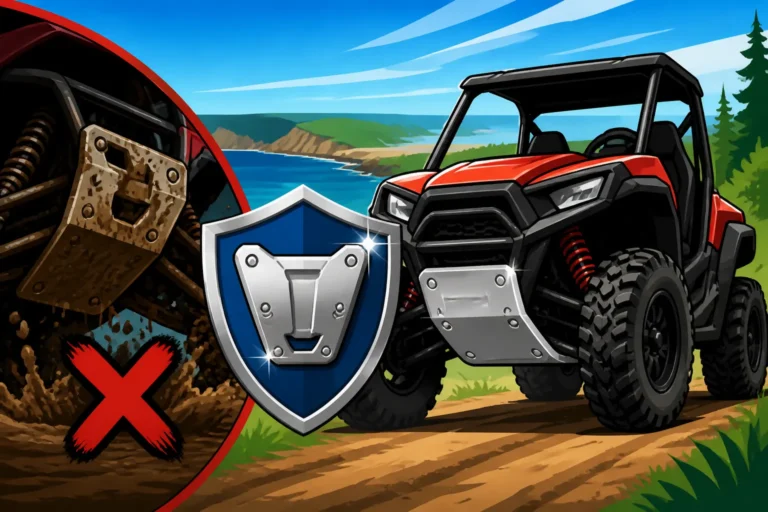
Finally, your physical identification plate (or decal, depending on the machine) is your ongoing proof of registration. It's essential to keep this plate visible, free of mud, and in good condition. A dirty or damaged plate can lead to unnecessary roadside stops. Always make sure [Newfoundland Plates Kept Free of Mud] and unobstructed by any cargo.
Beyond the Renewal: Other Important Documentation and Practices
Even with a perpetual registration system, there are other documents and practices you need to keep in mind to ensure you're riding legally and safely in Newfoundland and Labrador. Thinking beyond the non-existent renewal notice is key to being a responsible ORV owner.
The Importance of Your Registration Permit
While you won't get an annual renewal notice, when you first register your ATV or UTV, you will receive a registration permit. This document is your official proof that your machine is registered in your name. Think of it as your machine's birth certificate and ongoing legal identity. It contains important details about your ORV, such as the VIN, make, model, and the date it was registered.
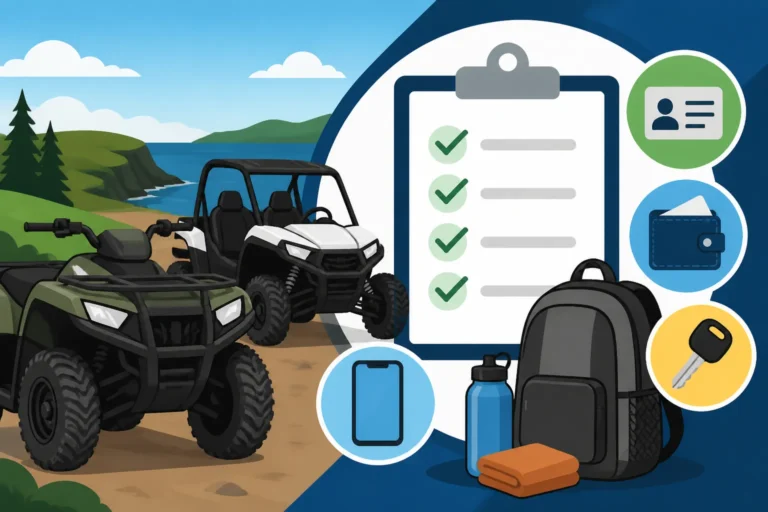
It is absolutely vital to keep this permit safe. I always advise riders to keep the original in a secure place at home, and carry a laminated copy with them when they ride. This way, if you're ever stopped by an enforcement officer, you can quickly produce proof of ownership and registration without risking the original document to the elements or loss on the trail. This permit, often referred to as the [What the Registrar's Permit Says About Your Machine], is your primary tangible proof that everything is in order.
When You Might Still Need New Paperwork
Just because there are no renewals doesn't mean you'll never interact with Motor Registration again. There are a few key scenarios where new paperwork, or at least a visit to the registry, will be necessary:
- Lost or Damaged Permit: If you lose your registration permit, you'll need to apply for a duplicate. This isn't a renewal, but a replacement for lost documentation. There's a fee associated with this, so it's best to guard your original carefully. Thankfully, getting a [Newfoundland Duplicate Registrations at $25] is a relatively straightforward process.
- Lost or Damaged Plate: Similarly, if your identification plate is lost, stolen, or becomes too damaged to read, you'll need to apply for a replacement plate. Again, this is a replacement service, not a renewal. Replacing a [Newfoundland Replacement Plates at $30] ensures your machine remains identifiable and compliant.
- Transfer of Ownership: As mentioned earlier, this is the most common reason for new paperwork. When you buy a used machine, it's your responsibility as the buyer to ensure the machine is registered in your name. The seller needs to complete their part of the transfer, but you must then submit the necessary paperwork and fee to Motor Registration. This is where a clear Bill of Sale, perhaps one drafted using a reliable service like LawDepot, becomes indispensable. It serves as your proof of purchase and is a required document for your new registration. A detailed Bill of Sale from LawDepot can specify the condition of the machine and any included accessories, protecting both parties.
Other Essential Riding Requirements Even Without Renewals
While your vehicle registration is perpetual, other aspects of legal ORV operation in Newfoundland and Labrador do require ongoing attention or have specific one-time requirements:
- Insurance: Unlike registration, liability insurance is absolutely mandatory and does require annual renewal. You must carry a minimum of [Newfoundland Minimum Insurance Requirement] coverage. This ensures that in the event of an accident where you are at fault, there's financial protection for damages or injuries to others. Always keep your current proof of insurance with you when you ride.
- Safety Training: If you're a new rider or registering your first machine, you must complete approved ORV safety training. This is a one-time requirement, but it’s crucial for safe operation and legal compliance. Proof of training, usually a certificate, should be carried with you. [Newfoundland Safety Training Is Mandatory] for new registrants under a certain age and for anyone registering their first machine.
- Managed Trail Stickers: If you plan to ride on designated managed trails, you will likely need an annual trail sticker. These stickers are issued by trail operators (like the Newfoundland and Labrador Snowmobile Federation) and often come with a membership fee that helps maintain the trails. This is not part of your provincial vehicle registration and does expire annually. Always check with the specific trail operator for their requirements. You'll need to know about [Newfoundland Managed Trail Stickers] if you plan to hit organized routes.
LawDepot can be a valuable resource not just for buying and selling documents, but also for creating other general legal agreements or waivers if you ever lend out your machine or organize informal group rides, helping you clarify responsibilities and mitigate risks.
Common Misconceptions and Clarifications
The perpetual registration system can lead to some misunderstandings, especially for those accustomed to different regulations. Let's clear up some of the most frequent points of confusion.
Confusion for New Residents or Inter-Provincial Transfers
Many people move to Newfoundland and Labrador from other provinces or even other countries where annual vehicle registration renewals are the norm. They bring their off-road vehicles with them, and then often wonder when they'll get their first renewal notice, only to find it never arrives. This can be particularly confusing if their previous province also had a form of "permanent" registration that still involved some annual check-in or fee.
If you're a new resident and you've brought an ORV with you, you have a grace period of [Newfoundland's 90-Day New Resident Rule] to register your machine in Newfoundland. Even if your machine was registered "permanently" in your previous province, it still needs to be registered under Newfoundland's system once you establish residency here. The rules of your old province don't transfer across the border. It's important to understand the differences between [Newfoundland Registration Compared to Nova Scotia] or other jurisdictions to avoid any issues.
The Difference Between Registration and Other Permits/Fees
It's easy to conflate all fees and permits associated with off-road vehicle use under the umbrella of "registration." However, it's crucial to distinguish between them. The "no renewal notice" rule applies strictly to the provincial ORV registration of the vehicle itself. This is the fee you pay once, at the time of initial registration or transfer, for the legal right to own and operate that specific machine in Newfoundland. This is truly [The Newfoundland Fee You Pay Once and Never Again].
However, there are other elements that do require ongoing attention or fees:
- Trail Fees/Stickers: As mentioned, if you ride on managed trails, you'll pay an annual fee for a trail sticker. This supports trail maintenance and infrastructure.
- Hunting/Fishing Licenses: If you're using your ORV for hunting or fishing, your licenses for these activities are typically annual and require renewal.
- Insurance Premiums: Your ORV liability insurance is an annual expense and requires renewal with your chosen insurer.
- Driver's License (if applicable): While you don't generally need a driver's license to operate an ORV off-road, if you use your machine on a public highway shoulder (where permitted) or cross a highway, a valid driver's license is required, and these certainly expire and need renewal.
Understanding these distinctions will help you stay compliant and budget accordingly for all your riding activities.
Here's a quick comparison to highlight the key differences:
| Feature | Typical Vehicle Registration (Cars, Trucks) | Newfoundland ORV Registration (ATV, UTV) |
|---|---|---|
| Renewal Notice Issued? | Yes, usually annually or bi-annually | No, never |
| Expiry Date? | Yes, usually annual or bi-annually | No, perpetual |
| Annual Renewal Fees? | Yes | No |
| Transfer of Ownership? | Required, new owner registers | Required, new owner registers |
| Proof of Registration? | Annual sticker/plate, permit | Permanent plate, registration permit |
| Need to Keep Address Updated? | Yes | Yes |
Disclaimer
This article is for general informational purposes only and does not constitute professional advice. Laws, prices and regulations vary by location and change over time. Consult a qualified professional for guidance on your specific situation.