Newfoundland Plate Placement on a Quad
Riding your quad or side-by-side across Newfoundland's incredible landscapes is an experience like no other, but many riders find themselves scratching their heads over a seemingly simple question: where exactly does that registration plate need to go? It’s not just about attaching it; it’s about ensuring it's always visible, even when navigating the bogs, barrens, or dusty gravel roads. This guide aims to clear up all the confusion surrounding plate placement on your off-road vehicle in Newfoundland, helping you stay compliant and enjoy your adventures without a nagging worry about fines.
The Core Rule: Visibility is Key
When it comes to your ORV registration plate in Newfoundland, the overarching principle is crystal clear: it must be visible at all times. This isn't a suggestion; it's a hard and fast rule designed to ensure that peace officers can easily identify your machine, whether you're cruising down a railbed or traversing a remote cabin road. Think of it as your machine's primary identifier, much like a licence plate on your car or truck. If an officer can't quickly and clearly read it, you're potentially in violation.
This requirement for constant visibility goes beyond simply having the plate attached. It extends to the condition of the plate itself, ensuring it's not obscured by dirt, snow, or even your cargo. Many riders, especially those who love pushing their machines through challenging terrain, might not realize how quickly a pristine plate can become unreadable. A quick splash through a muddy puddle or a dusty run down a dry track can render your plate practically invisible, putting you in a tricky spot if you encounter enforcement.
Why Visibility Matters: Safety and Enforcement
The rationale behind the strict visibility rule for your off-road vehicle plate is twofold: it's about public safety and efficient enforcement. From a safety perspective, being able to identify a machine quickly can be crucial in emergencies. Imagine a situation where an ORV is involved in an accident or a suspicious incident. A clearly visible plate allows witnesses or first responders to provide accurate information, which can significantly speed up response times. It also helps deter reckless behaviour, as riders know their machines are identifiable.
From an enforcement standpoint, the plate is the primary tool for officers to confirm that a machine is properly registered and that the operator is compliant with provincial regulations. Officers need to be able to read that plate without having to dismount their own vehicle or approach yours in a potentially unsafe environment. If the plate is hidden or unreadable, it creates an immediate barrier to enforcement and can lead to a stop and investigation, which is certainly not how anyone wants to spend their riding time. The ability to quickly cross-reference a plate number ensures that only legally registered machines are out on the trails.
The "Unobstructed by Cargo" Clause
One of the most common pitfalls for riders concerning plate visibility is the "unobstructed by cargo" clause. It sounds simple, but it's easy to overlook when you're packing up for a weekend cabin trip or a day of hunting. That cooler strapped to your rear rack, the gas can, the hunting gear, or even an overly stuffed dry bag can all become culprits, completely obscuring your plate from view. [Newfoundland Plates Unobstructed by Cargo] is a regulation that catches many off guard because they’ve focused on mounting, but not on the load they carry.
It’s not enough to simply have the plate affixed to your machine; you need to consider everything else you're carrying. Before you head out, take a moment to look at your machine from all angles, especially the rear and, if applicable, the front. Could a peace officer easily read your plate from a reasonable distance? If you're hauling a trailer, for instance, ensure the trailer's hitch or tongue doesn't block the plate on your ORV, or vice versa, depending on where the plates are affixed. Always envision your machine as an officer would see it from a patrol vehicle or another ORV on the trail. This proactive check can save you from a frustrating interaction and a potential fine.
Specific Placement Guidelines for ATVs
For ATVs, also known as quads, the placement of the identification plate often generates a lot of questions. Historically, practices varied, but current regulations aim for consistency and clarity. Understanding these guidelines specifically for your ATV is crucial because it influences how you set up your machine, especially if you regularly carry gear or ride in challenging conditions.
The plate must be securely fastened, ensuring it won't vibrate loose or fall off during your adventures. Given the rough nature of ATV riding, this means using robust fasteners and choosing a mounting point that minimizes exposure to direct impacts or excessive flexing. Many riders opt for heavy-duty bolts and locking washers to ensure the plate stays put. Remember, if your plate falls off, it's not only a lost item but also a violation of the visibility rule until replaced. You might want to review [Newfoundland Plate Replacement If Lost] if this happens.
Front or Rear: Where Does It Really Go?
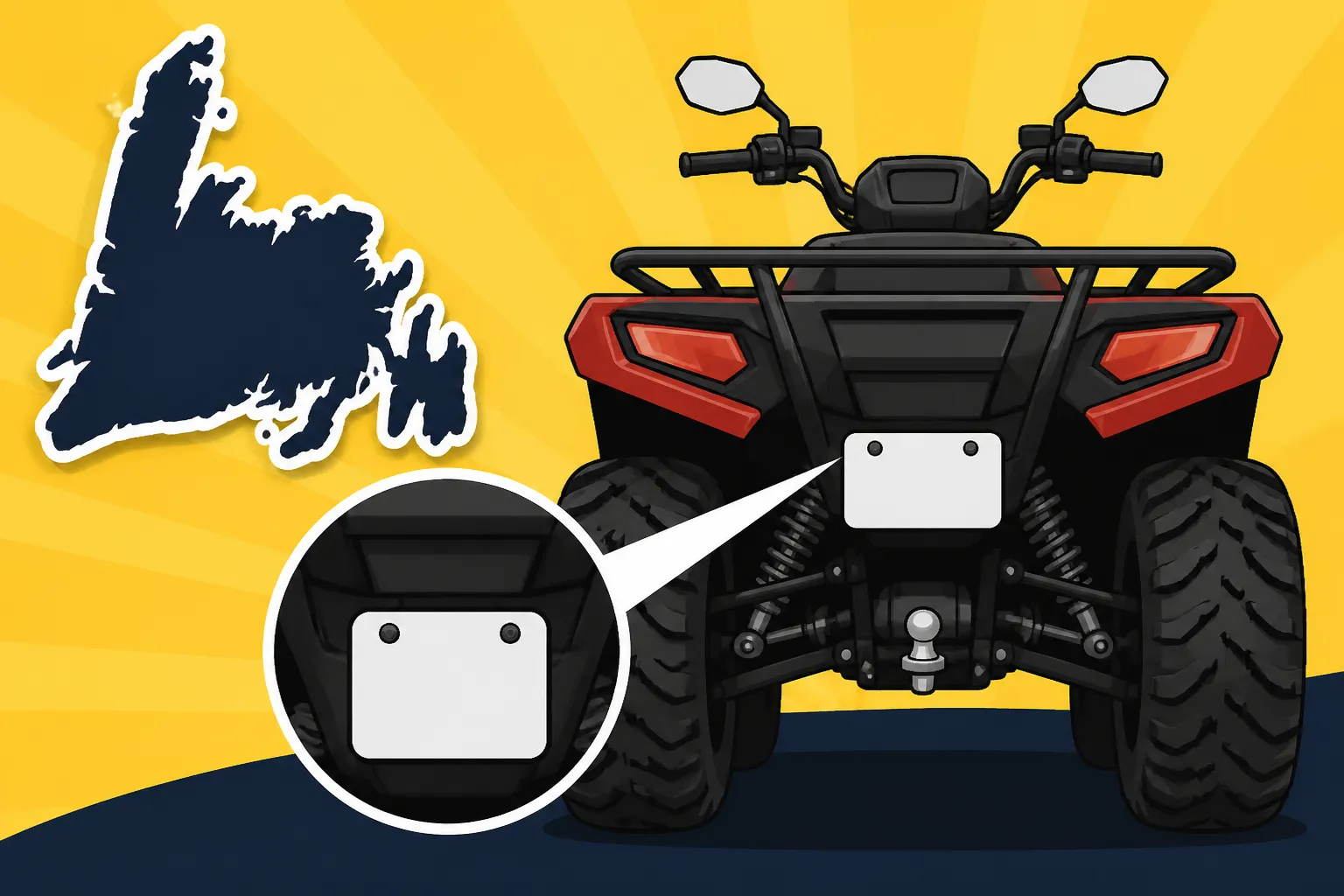
For ATVs in Newfoundland, the identification plate is typically required to be displayed on the rear of the machine. This makes sense for enforcement purposes, as machines are often observed from behind on trails and access roads. The rear is usually where there's enough flat surface and less interference from controls or engine components.
However, the specific wording of the regulation often emphasizes "rear or front" for general ORVs, but for quads, the practical and enforced standard leans heavily towards the rear. Some riders might choose to also affix a duplicate plate to the front for added visibility, especially if they are involved in activities where identification from the front is beneficial, though this isn't usually a mandatory requirement. If you do put one on the front, ensure it doesn't obstruct any lights or critical components, and is still in a location that's protected from impacts. Always prioritize the rear placement as your primary compliance point. When you registered your machine, which for an ATV would typically involve the [Newfoundland Charges $95 for an ATV], you committed to proper display of the plate you received.
Mounting Methods: Bolts, Brackets, and Avoiding Damage
Properly mounting your plate is more than just drilling holes. You need a method that ensures security, visibility, and longevity. The most common and recommended method involves using bolts, preferably stainless steel to resist rust, through the pre-drilled holes in the plate. Secure these with lock washers and nuts to prevent loosening from vibration. Avoid using zip ties or thin wires; while they might seem quick and easy, they are prone to breaking, especially on rough trails.
Many ATVs come with a dedicated mounting area, often a small, flat section on the rear fender or a bracket integrated into the rack system. If your machine doesn't have an obvious spot, you might need to purchase an aftermarket plate bracket. These brackets are designed to securely hold the plate and often provide a more stable mounting surface, keeping the plate from flapping or bending. When choosing a location, consider how easily the plate could be damaged by impacts with rocks, trees, or during rollovers. While it needs to be visible, it also needs to be somewhat protected. A bent or severely scratched plate could also be deemed unreadable. Remember, your ORV’s identification plate is part of the overall [Newfoundland Equipment Requirements] for legal operation.
Side-by-Side (UTV) Plate Considerations
Side-by-sides (UTVs) have gained immense popularity across Newfoundland, offering a different riding experience with their automotive-style controls and often greater cargo capacity. However, their design differences also present unique challenges when it comes to plate placement compared to traditional ATVs. Since [Newfoundland Side-by-Sides Added in 2022] as a distinct class, understanding these specific nuances is even more important.
The enclosed nature of many UTVs, along with various aftermarket accessories like spare tire carriers, cargo boxes, or even rear-mounted winches, can complicate the simple act of bolting on a plate. Riders need to be even more diligent in finding a location that is both compliant and practical, considering the typical load and modifications their specific UTV might have.
Differences in Design and Plate Mounting Challenges
Unlike an open ATV, many side-by-sides have a more complex rear design. You might have a dump box, a bench seat, or an integrated cargo area that naturally obscures the typical plate mounting spots. Furthermore, roll cages and various frame components can limit flat surfaces suitable for attachment. Aftermarket modifications are also very common on UTVs, from spare tire mounts that sit directly behind the machine to larger cargo boxes that take up the entire rear bed. Each of these can introduce new obstacles to maintaining clear plate visibility.
This often requires riders to get creative, but always within the bounds of the law. Some UTVs might have a small, flat area on the very rear of the roll cage, or a specific bracket designed by the manufacturer. If not, an aftermarket bracket that extends the plate out or positions it above other accessories might be necessary. The key is to avoid permanent alterations to the plate itself, such as bending or cutting it, which could render it invalid. Always seek a solution that keeps the plate flat, secure, and clearly readable.
Interior vs. Exterior Placement for UTVs
A question that frequently arises for UTV owners is whether the plate can be displayed inside the vehicle, perhaps in the rear window or attached to an interior frame member. Generally, the answer is no, or at least, it’s highly discouraged and likely non-compliant. The intent of the regulation is for the plate to be clearly visible from outside the vehicle, similar to a car's licence plate. An interior-mounted plate might be obscured by glare, tinting, or simply by the angle of observation, especially from a distance.
For UTVs, the plate should almost always be mounted on the exterior rear of the machine. This ensures it can be easily seen by enforcement officers and other trail users. If you have a rear window, attaching it there might seem convenient, but consider how dirt, dust, or even condensation on the window could obscure it. Furthermore, the robust nature of off-road riding means that an interior plate might not withstand the vibrations and jostling as well as an exterior-mounted one. Always aim for an exterior, easily accessible, and unobstructed location for your UTV's plate.
Practical Tips for Maintaining Plate Visibility
Even with the perfect mounting location, the harsh realities of Newfoundland's diverse terrain and weather can quickly turn a compliant plate into a ticket hazard. From muddy bogs to dusty barrens and snowy trails, keeping your registration plate visible is an ongoing task. It's not a set-it-and-forget-it scenario; it requires regular attention and good habits. Incorporating a few simple practices into your riding routine can make a world of difference and ensure you avoid any unexpected fines.
Think about the conditions you typically ride in. If you're often splashing through water crossings or mud, your plate is going to get dirty faster. If you're on dusty gravel roads, a fine layer of silt can quickly obscure the numbers. Being aware of these environmental factors will help you anticipate when your plate might need a quick wipe-down.
Dealing with Mud, Snow, and Debris
Mud, snow, and general trail debris are the arch-nemeses of a visible ORV plate. A single pass through a boggy section can completely plaster your rear plate, making it impossible to read. The same goes for slushy snow in winter or heavy dust during a dry spell. The regulation specifically states that [Newfoundland Plates Kept Free of Mud] is a requirement, not just good practice.
Here are some strategies to keep your plate clean:
- Regular Checks: Make it a habit to glance at your plate during fuel stops, breaks, or when you pause to admire a view. A quick wipe with a glove or a damp cloth is often all it takes to restore visibility.
- Carrying Cleaning Supplies: A small rag or a travel-sized spray bottle with water can be a lifesaver. Some riders even carry small, soft-bristled brushes specifically for cleaning plates and lights.
- Strategic Placement (Again): While visibility is paramount, if you have a choice of two equally compliant spots, one slightly more protected from direct spray might stay cleaner longer. However, never compromise visibility for cleanliness.
- Mud Flaps/Fenders: Ensure your machine's fenders or any aftermarket mud flaps are doing their job. Sometimes, worn or damaged fenders can contribute to more spray reaching the plate area.
Pre-Ride Checks and Trail Habits
Prevention is always better than a cure, especially when it comes to compliance. Incorporating plate visibility into your routine pre-ride checks is a smart habit that can save you a lot of hassle. Just as you check your tire pressure, oil, and lights, take a moment to confirm your plate is clean and secure.
Before every ride, regardless of how short:
- Visually Inspect: Walk around your machine. Is the plate firmly attached? Are the numbers and letters clearly legible?
- Clean if Necessary: If there's any dirt, mud, or snow, wipe it off. It takes mere seconds.
- Check Cargo: If you've loaded up your machine, ensure no items are obstructing the plate. Shift or secure cargo as needed. This links directly back to the "unobstructed by cargo" rule.
On the trail, if you've had a particularly messy section, consider a quick check at your next stop. It's better to clean it proactively than to be pulled over later. Maintaining these habits ensures that your machine is always ready for inspection and that you're upholding your responsibilities as an ORV owner in Newfoundland. This also includes carrying other important documents, as an officer may ask [What an Officer Can Ask You to Produce].
Consequences of Improper Plate Display
Ignoring the rules around plate placement and visibility in Newfoundland isn't just a minor oversight; it can lead to tangible consequences that impact your wallet and your riding time. Peace officers take these regulations seriously because they are fundamental to identifying machines and ensuring accountability on the trails. Understanding the potential repercussions can be a strong motivator to ensure your plate is always compliant.
These consequences aren't merely about receiving a piece of paper; they can involve financial penalties and, in some cases, more significant legal headaches. It’s always better to be proactive and informed rather than reactive after an incident occurs.
Fines and What to Expect from Enforcement
If you're stopped by a peace officer and your registration plate is found to be improperly displayed, obscured, or missing, you could face a fine. The amounts can vary depending on the specific infraction and the officer's discretion, but they are certainly enough to put a damper on your day. [Newfoundland Fine Ranges by Offence] can give you a clearer picture, but even a basic fine can run into the hundreds of dollars. This money could have been spent on fuel, gear, or even another riding trip!
When an officer stops you, they will first assess the situation. If your plate is simply caked with mud, they might instruct you to clean it on the spot and issue a warning, especially if you're otherwise compliant. However, if the plate is intentionally obscured, improperly mounted, or missing entirely, you can expect a citation. They will likely ask for your registration document, proof of insurance, and your operator's license. The interaction could be stressful and certainly take a chunk out of your riding time. Being polite, cooperative, and promptly rectifying any minor issues can sometimes lead to a warning instead of a ticket, but compliance is always the best defence.
Avoiding Repeat Offenses and Legal Issues
Receiving a fine for improper plate display should be a wake-up call to reassess your habits and your machine's setup. Repeat offenses can lead to escalating fines and potentially more severe actions, though less common for just a plate issue. For example, if your machine is deemed unidentifiable or illegally operated due to chronic plate issues, it could lead to further scrutiny of your entire [Newfoundland Registration Paperwork Explained] and operational compliance.
To avoid repeat offenses:
- Review Your Setup: After a fine, take a critical look at your plate mounting. Is it in the best possible location? Is it secure? Could an aftermarket bracket help?
- Establish a Routine: Make cleaning and checking your plate a non-negotiable part of your pre-ride routine.
- Educate Others: If you ride with friends or family, share these tips. A group that's all compliant is less likely to draw unwanted attention.
It's also worth noting that legal documents play a role in overall ORV ownership. Should you ever need to create an indemnity agreement, a bill of sale, or other legal forms related to your ORV, services like LawDepot can provide templates and guidance to ensure your documentation is in order. While not directly about plate placement, having all your legal ducks in a row for your machine contributes to a smoother ownership experience and fewer potential issues down the road. Proper documentation confirms you own the machine, which then leads to having a properly displayed plate as part of its legal operation.
Here's a quick summary of common plate issues and solutions:
| Issue | Description | Solution |
|---|---|---|
| Obscured by Mud/Snow | Plate numbers are unreadable due to accumulation of dirt, mud, or snow. | Regular wiping, carrying a small cloth/brush, pre-ride cleaning. |
| Blocked by Cargo | Gear, coolers, or other items on racks cover the plate. | Reposition cargo, use taller plate bracket, ensure clear line of sight. |
| Loose/Damaged Mounting | Plate is flapping, bent, or on the verge of falling off. | Use robust bolts with lock washers, inspect mounting regularly, consider a sturdier bracket. |
| Incorrect Location (UTV) | Plate placed inside the cab or in an unapproved, hard-to-see spot. | Mount on the exterior rear for clear visibility. |
| Missing Plate | Plate has fallen off, been removed, or was never affixed. | Replace immediately (see [Newfoundland Plate Replacement If Lost]), always ensure it's attached before riding. |
Ultimately, ensuring proper plate placement and visibility is a simple act of compliance that significantly contributes to your peace of mind while enjoying the stunning trails Newfoundland has to offer. Ride safe, stay clean, and keep that plate visible!
Disclaimer
This article is for general informational purposes only and does not constitute professional advice. Laws, prices and regulations vary by location and change over time. Consult a qualified professional for guidance on your specific situation.