Ninety Days After You Arrive
Moving to Newfoundland and Labrador is an exciting adventure, full of rugged coastlines, vibrant communities, and endless trails just waiting for your off-road vehicle (ORV). However, many new residents find themselves a bit confused about what happens with their beloved ATV or side-by-side when they make the big move. This guide will lay out the crucial "Ninety Days After You Arrive" rule for new residents bringing their machines into the province, helping you navigate the provincial regulations with confidence so you can get out and explore sooner.
Understanding the "Ninety Days After You Arrive" Rule
When you pack up your life and move to Newfoundland and Labrador, bringing your ATV, snowmobile, or side-by-side with you, you're not just bringing your personal belongings; you're bringing a vehicle that falls under provincial regulation. The "Ninety Days After You Arrive" rule is essentially a grace period, giving new residents a reasonable amount of time to register their out-of-province off-road vehicle in Newfoundland and Labrador. It's a critical piece of legislation that ensures all ORVs operating within the province are properly documented and adhere to local standards.
Who Qualifies as a "New Resident" for ORV Registration?
This rule specifically applies to individuals who are establishing permanent residency in Newfoundland and Labrador. It's not for those just visiting for a short stint, nor does it apply to machines purchased within the province. Typically, establishing residency means you've moved your primary dwelling here, are working or studying in the province, and intend to stay. The clock on those 90 days starts ticking from the moment you officially become a resident. This isn't just a casual suggestion; it's a legal requirement designed to integrate your machine into the provincial system, making sure it's part of the local registry. Missing this window can lead to complications, so understanding your status from day one is key.
What Happens if You Miss the 90-Day Deadline?
Let's be frank: life happens. Moving is stressful, and sometimes things fall through the cracks. However, overlooking the 90-day registration period for your ORV in Newfoundland and Labrador can lead to more headaches than a bumpy trail ride. If you operate your machine on provincial trails or designated areas after this deadline without having completed the provincial registration, you're essentially operating an unregistered off-road vehicle. This can result in fines, and in more severe cases, your machine could even be seized. The authorities take ORV registration seriously, not just for revenue, but for safety and tracking purposes. It's far better to be proactive and ensure your paperwork is in order than to face the consequences of non-compliance. Don't let a simple oversight turn your recreational vehicle into a legal liability.
Why This Provincial Rule Exists
You might wonder why a province needs to be so particular about when you register your machine after you move in. It's not about making things difficult; it's about maintaining order, ensuring safety, and funding the very infrastructure that makes off-road riding in Newfoundland and Labrador so incredible. The [Newfoundland's Off-Road Vehicles Act] is the backbone of these regulations, and understanding its purpose can help new residents appreciate the importance of these requirements.
Provincial Jurisdiction and ORV Oversight
Every province has the right and responsibility to govern the vehicles operated within its borders, and off-road vehicles are no exception. The 90-day rule for new residents allows Newfoundland and Labrador to bring all ORVs under its regulatory umbrella. This means your machine, regardless of where it was previously registered, will now be subject to the province's specific laws regarding equipment, operation, and trail access. It ensures that regardless of its origin, every machine meets the safety standards and operational requirements set out by the provincial government. This consistency helps prevent confusion and ensures that all riders are playing by the same rules, which is essential for a safe and enjoyable riding environment for everyone.
Safety and Tracking for All Riders
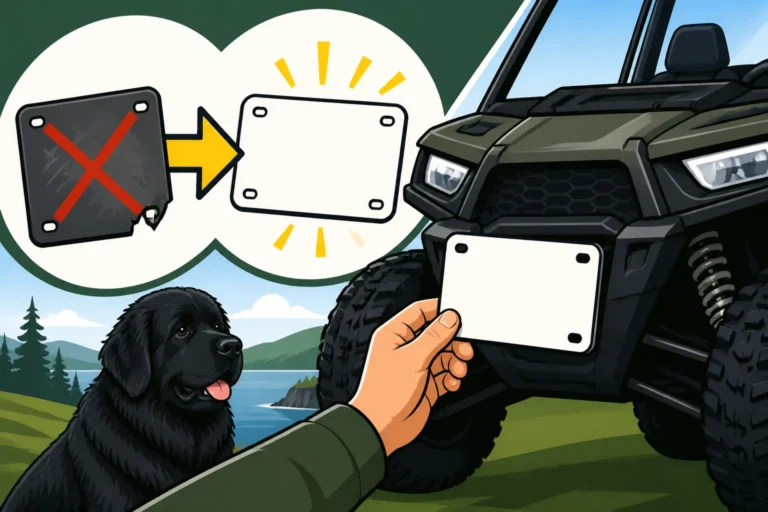
Beyond administrative order, the registration process serves vital safety and tracking functions. When your ORV is registered in Newfoundland, it's assigned a unique identification number and often an identification plate or decal. This allows authorities to identify the owner in case of an accident, theft, or a lost machine. Imagine an emergency out on a remote trail; having a registered machine makes it much easier for search and rescue or enforcement officers to identify and locate both the machine and its owner. It also contributes to a more responsible riding culture, as registered owners are more easily held accountable for their actions on the trails. This focus on identification is a cornerstone of responsible ORV management.
Funding Trail Maintenance and Services
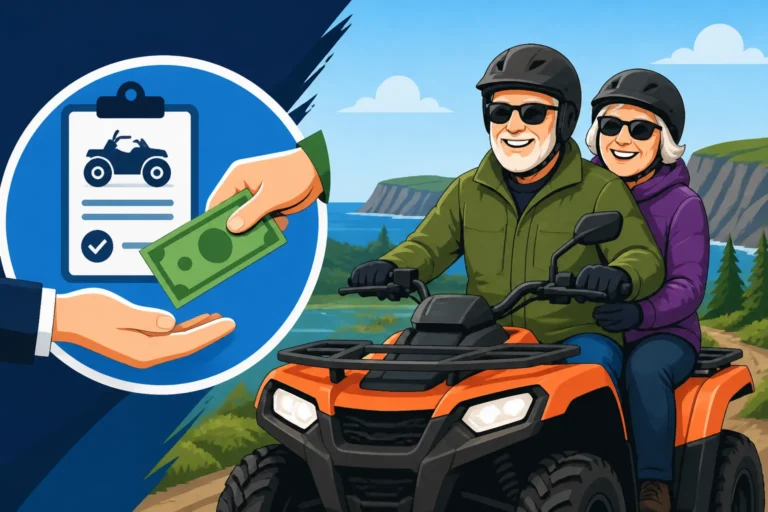
While the registration fees might seem like just another cost, they play a crucial role in supporting the very trails and services that make off-roading enjoyable. The money collected through fees, such as the [Newfoundland Charges $95 for an ATV] or the [Newfoundland Charges $5 for a Trail Bike], helps fund the maintenance of provincially managed trails, educational programs, and enforcement efforts. When you register your machine, you're contributing directly to the upkeep of the vast network of trails, including iconic routes like the T'Railway, and ensuring that future generations can also enjoy the beauty and adventure of Newfoundland's wilderness. Think of it as investing in your passion; your registration fee helps keep those trails open, safe, and well-maintained for all to enjoy.
The Registration Process for Your Imported Machine
So, you've moved, you're within your 90-day window, and you're ready to register your out-of-province ORV. What's next? The process is fairly straightforward, but it requires careful attention to detail and preparation. Gathering the correct documents and understanding the steps involved will make your visit to Motor Registration a breeze. Remember, the goal is to get your machine legally on the trails so you can start exploring. [Newfoundland Registration by Appointment] is usually the way to go to ensure you don't waste time waiting.
Gathering Your Out-of-Province Paperwork
The first and most critical step is to collect all the necessary documentation from your previous jurisdiction. This typically includes:
- Proof of Ownership: This is paramount. It could be your previous registration certificate, the original bill of sale from when you purchased the machine, or a title document from your former province or state. Make sure it clearly shows your name as the owner.
- Original Bill of Sale: If you have the original bill of sale from when you bought the machine, this is incredibly helpful, especially if your previous province didn't issue a formal title. The more detailed the bill of sale, the better, including the VIN, purchase price, and seller's information.
- New Vehicle Information Statement (NVIS): If your machine is relatively new and you're the first owner, you might have an NVIS. This document certifies that the vehicle meets federal safety standards and is crucial for first-time registrations. You'll need to [Newfoundland Requires an NVIS for a New Machine].
- Personal Identification: Valid government-issued ID (driver's license, passport, etc.) proving your identity and showing your new Newfoundland address.
Having these documents complete and readily accessible will prevent delays and multiple trips to the Motor Registration office.
Appointments and What to Bring to Motor Registration
Once you have your paperwork in order, the next step is to book an appointment with a Motor Registration office. This is highly recommended to avoid long waits and ensure a dedicated time slot for your transaction. When you attend your appointment, you'll need to bring:
- All Original Documents: Your proof of ownership, bill of sale, NVIS (if applicable), and personal ID. Photocopies are generally not sufficient for official registration.
- Proof of Newfoundland Residency: This could be your new Newfoundland driver's license, a utility bill, or a lease agreement showing your local address. This confirms you qualify as a "new resident."
- Payment for Fees: Be prepared to pay the applicable registration fee (e.g., [Newfoundland Charges $95 for an ATV]) and any associated taxes. While I can't give specific figures, always check the provincial government's official Motor Registration website for current costs.
- The Machine's VIN: While not always required to bring the physical machine, you absolutely need the Vehicle Identification Number (VIN) to complete the registration. Make sure it's accurate.
The staff at Motor Registration will review your documents, verify your identity, and process the registration, after which you'll receive your Newfoundland ORV registration permit and an identification plate or decal.
Special Cases: Missing Titles or Bills of Sale
Sometimes, especially with older machines or those acquired through non-traditional means, you might not have a perfect chain of ownership documents. This can be a hurdle, but it's not always a dead end. If you’re missing a critical [Newfoundland Bills of Sale From Each Owner] or a formal title, you might need to provide alternative proof.
- Sworn Affidavits: In cases where a bill of sale is lost or was never issued, you might be asked to provide a sworn affidavit attesting to your ownership. This is a legal document, often prepared with the help of a notary or a lawyer, stating that you are indeed the rightful owner and how you acquired the machine. You might find services like LawDepot helpful in preparing such legal documents, ensuring they meet provincial requirements.
- Indemnity Forms: In certain situations, particularly if the chain of ownership is unclear, Motor Registration might require you to sign an indemnity form. This document protects the province from any claims of ownership dispute in the future, with you taking full responsibility. This process is detailed in [Newfoundland Sworn Affidavits and Indemnity Forms].
- Previous Registration Records: Even without a formal title, if you can provide previous registration documents from another province or state that clearly list you as the owner, this can sometimes suffice as proof of ownership.
It's always best to contact Motor Registration directly if you anticipate issues with your paperwork. They can provide specific guidance on what alternative documents they will accept for your unique situation.
Common Pitfalls and How to Avoid Them
Even with the best intentions, new residents can sometimes encounter unexpected bumps when trying to register their ORV in Newfoundland. Being aware of these common pitfalls can save you time, frustration, and potential fines. A little bit of foresight goes a long long way here.
Assuming Your Old Registration Is Valid Indefinitely
This is perhaps the most common misconception. Many new residents assume that because their ATV or UTV is registered and legal in their previous province or state, it will remain so indefinitely in Newfoundland and Labrador. This is simply not the case beyond the 90-day grace period for new residents, or the [Newfoundland's 30-Day Visitor Exemption] for temporary visitors. While your out-of-province registration is valid for those initial 90 days, it absolutely must be transferred and registered provincially once you establish residency. Failure to do so means you're operating an unregistered machine, which can lead to tickets and potential seizure, especially if you're riding on public trails or roadways. Think of it like transferring your driver's license; it’s a necessary step to fully integrate into your new home.
Overlooking the Importance of Proper Documentation
Another frequent issue arises from incomplete or incorrect documentation. It’s not enough to simply have a bill of sale; it needs to be detailed, legible, and ideally, show a clear chain of ownership if you’re not the original purchaser. This is where attention to detail really pays off. A handwritten bill of sale with minimal information, a lost title, or a document with conflicting VINs can all cause significant delays. Make sure every piece of paper is accurate and complete. If you're buying a used machine before you move, or if you had a casual sale previously, consider using a formal bill of sale template, which can be found through resources like LawDepot, to ensure all critical information is captured. This proactive step can save you a world of hurt when you finally go to register.
The Cost of Delay: Fines and Enforcement
Procrastination can be costly. Delaying your ORV registration beyond the 90-day window can subject you to various penalties. Peace officers and Royal Newfoundland Constabulary (RNC) officials regularly patrol trails and roads where ORVs are permitted, and they will check for valid registration. An unregistered machine can result in fines that can quickly add up, easily surpassing the initial registration fee. In some instances, officers have the authority to seize machines being operated illegally. Reclaiming a seized machine involves not only paying the fines but also impoundment fees and storage costs, which can become incredibly expensive. It's a tough lesson to learn, but a completely avoidable one. Prioritizing your [Newfoundland Registration for a New Resident] is not just about compliance; it's about protecting your investment and avoiding unnecessary expenses and legal trouble.
Disclaimer
This article is for general informational purposes only and does not constitute professional advice. Laws, prices and regulations vary by location and change over time. Consult a qualified professional for guidance on your specific situation.