Newfoundland Head and Tail Lamp Rules
There's nothing quite like hitting the trails in Newfoundland and Labrador on your ATV or side-by-side. The freedom, the fresh air, the breathtaking scenery – it's an experience that truly recharges the soul. But out on the barrens or deep in the woods, things can change quickly, and suddenly visibility becomes a real concern. This guide is all about ensuring you're not only legal but also safe when it comes to your machine's head and tail lamps, diving deep into the rules and practical advice you need to keep those lights shining bright.
Why Head and Tail Lamps Matter on Newfoundland Trails
When we think about riding our off-road vehicles, our minds often jump to engine size, tire traction, and suspension travel. But perhaps one of the most fundamental aspects of safe operation, and one that's sometimes overlooked until it's too late, is proper lighting. It's not just about seeing where you're going; it's crucially about being seen by others, whether they're other riders, hikers, or even wildlife.
Seeing and Being Seen: The Core of ORV Safety
Imagine a dusty trail just as the sun dips below the horizon, or a sudden squall rolling in, making the afternoon feel like dusk. In these moments, your headlamps are your eyes, piercing through the gloom, illuminating obstacles, dips, and turns that could otherwise catch you by surprise. Without them, you're navigating blind, putting yourself and your passengers at immense risk. Equally important are your tail lamps. They're your silent signal to anyone behind you, indicating your presence, your speed, and your intentions. On winding trails, especially those shared by multiple machines, a sudden stop or slowdown without proper rear lighting can lead to dangerous situations, even collisions. It’s about creating a safe envelope around your machine, both front and back.
Beyond Daylight: Unexpected Weather and Terrain
Newfoundland weather is famously unpredictable. A clear, sunny morning can quickly transform into a foggy, rainy, or even snowy afternoon, even outside of traditional winter months. These conditions drastically reduce natural light, effectively making it feel like "sunset to sunrise" no matter the time on the clock. Riding through a dense section of trees, especially if the canopy is thick, can plunge you into shadows even at midday. Boggy areas often kick up fine spray or mist, further obscuring visibility. Proper head and tail lamps aren't just for night riding; they're your essential tools for navigating these challenging and often beautiful, yet potentially hazardous, environments. They give you the confidence to keep going when conditions get tricky, and they give others the heads-up they need to react safely to your presence.
Shared Trails and Public Safety
Many of our beloved trails, like sections of the [The T'Railway's 883 Kilometres in Newfoundland], are multi-use. This means you could be sharing the path with mountain bikers, hikers, dog walkers, or even equestrians. While the rumble of your engine might announce your approach, visual cues are just as, if not more, important, especially around blind corners or crests. A bright headlamp shining around a bend can alert a hiker to your presence long before they hear you. Similarly, clear tail lamps prevent accidental close calls with other riders following behind, ensuring everyone can enjoy the trail safely. It's about being a responsible trail user and showing courtesy to all who share these precious outdoor spaces.
The Official Word: Newfoundland's Lighting Requirements
It's easy to assume that if your lights turn on, they're good enough. But when it comes to operating an off-road vehicle in Newfoundland and Labrador, there are specific legal requirements outlined in the Off-Road Vehicles Act. These aren't just suggestions; they're laws designed to keep everyone safe, and understanding them is crucial for every rider.
The Off-Road Vehicles Act on Lamps
The Off-Road Vehicles Act is quite clear about what's expected of your machine's lighting system. It mandates that any off-road vehicle operated during periods from "sunset to sunrise," or at any other time when there's insufficient light or adverse weather conditions, must be equipped with working headlamps and tail lamps. This isn't a vague guideline; it's a specific legal obligation. The Act specifies not just that you have lights, but that they must be functional and meet certain criteria regarding colour and visibility. Failing to meet these standards can lead to fines and other penalties, so it's worth taking seriously. This legislation is a significant update, as [A Statute in Force Since May 2022] replaced older rules to better address modern ORV usage.
Consistency Across Machine Types
Whether you ride an ATV, a side-by-side, a snowmobile, or even one of the more unique machines like an amphibious vehicle, the fundamental lighting requirements remain consistent. The Act doesn't differentiate heavily based on the type of ORV; if it's an off-road vehicle covered by the Act, it needs to have appropriate head and tail lamps. This means that [Newfoundland Side-by-Sides Added in 2022] are subject to the same strict lighting rules as a traditional quad. The underlying principle is universal: if you're operating an ORV in conditions of low visibility, you must be equipped to both see and be seen, regardless of what kind of machine you're on.
What the Registrar's Permit Says About Your Machine
When you register your machine, or even just look at the manufacturer's specifications, you'll find information about its intended design. [What the Registrar's Permit Says About Your Machine] often reflects that the machine meets certain factory standards for safety and operation, which inherently includes lighting. While the Act sets the minimum legal standard, most reputable manufacturers equip their machines with lights designed to meet or exceed these requirements right off the assembly line. It's a good baseline, but remember that aftermarket modifications or wear and tear can affect these original specifications. Always ensure your machine, as it stands today, adheres to the current provincial regulations, not just what it came with years ago.
Understanding "Sunset to Sunrise" and Low Visibility
The phrase "sunset to sunrise" might seem straightforward, but in the unique landscape of Newfoundland and Labrador, it’s often just the tip of the iceberg when it comes to when you actually need your lights on. True safety on the trails means thinking beyond the clock.
Defining "Sunset to Sunrise" for Riders
Legally, "sunset to sunrise" refers to the period between the official sunset time and official sunrise time, which varies daily and by location across the province. During these hours, your head and tail lamps must be on if you're operating your ORV. This isn't just a suggestion; it's a non-negotiable legal requirement. Many riders make it a habit to simply turn their lights on whenever they start their machine, regardless of the time, just to be on the safe side. This proactive approach eliminates any doubt about legal compliance and significantly boosts your visibility, even in bright conditions. It’s a small action that makes a big difference in preventing unforeseen encounters.
Fog, Rain, and Whiteouts: When Lights Are Always On
Beyond the strict "sunset to sunrise" window, the Act also mandates lights "at any other time when, due to insufficient light or adverse weather conditions, persons or vehicles are not clearly discernible." This is where Newfoundland's climate truly comes into play. Think about those dense coastal fogs that roll in quickly, reducing visibility to mere feet. Or sudden, heavy rain showers that turn a clear afternoon into a murky mess. In winter, whiteout conditions can develop in minutes, making it impossible to distinguish horizon from ground. In all these scenarios, your lights are absolutely critical. They cut through the gloom, giving you a chance to see and react, and making sure other trail users can spot you. Ignoring this clause because it's "daytime" could put you in a dangerous situation and leave you open to [Newfoundland Fines for a Defective Muffler] or other infractions if an officer deems your machine unsafe due to poor visibility.
Practical Considerations for Early Morning and Late Evening Rides
Many of the best riding experiences happen during the "golden hours" – early morning or late evening. The air is often calmer, wildlife is more active, and the light can be truly magical. However, these are precisely the times when natural light is at its lowest, and shadows are longest. If you're planning a multi-day trip or even just a long day ride, factor in the diminishing daylight. It's always better to start your return journey with plenty of daylight to spare, but if you find yourself heading back as dusk settles, ensure your lighting system is ready. Pack extra batteries if your lights require them, and always perform a quick check before heading out. A lot of seasoned riders carry a small, portable headlight or spotlight, like some options from SuperATV, as a backup, just in case their main system encounters an issue when they're far from home.
Specific Lamp Requirements: Colour, Brightness, and Function
It’s not enough to simply have a light on your ORV; the type, colour, and condition of those lights are also legally specified to ensure maximum effectiveness and clear communication to others on the trail. Understanding these details is key to compliance and safety.
Amber in Front and Red Behind: The Colour Code
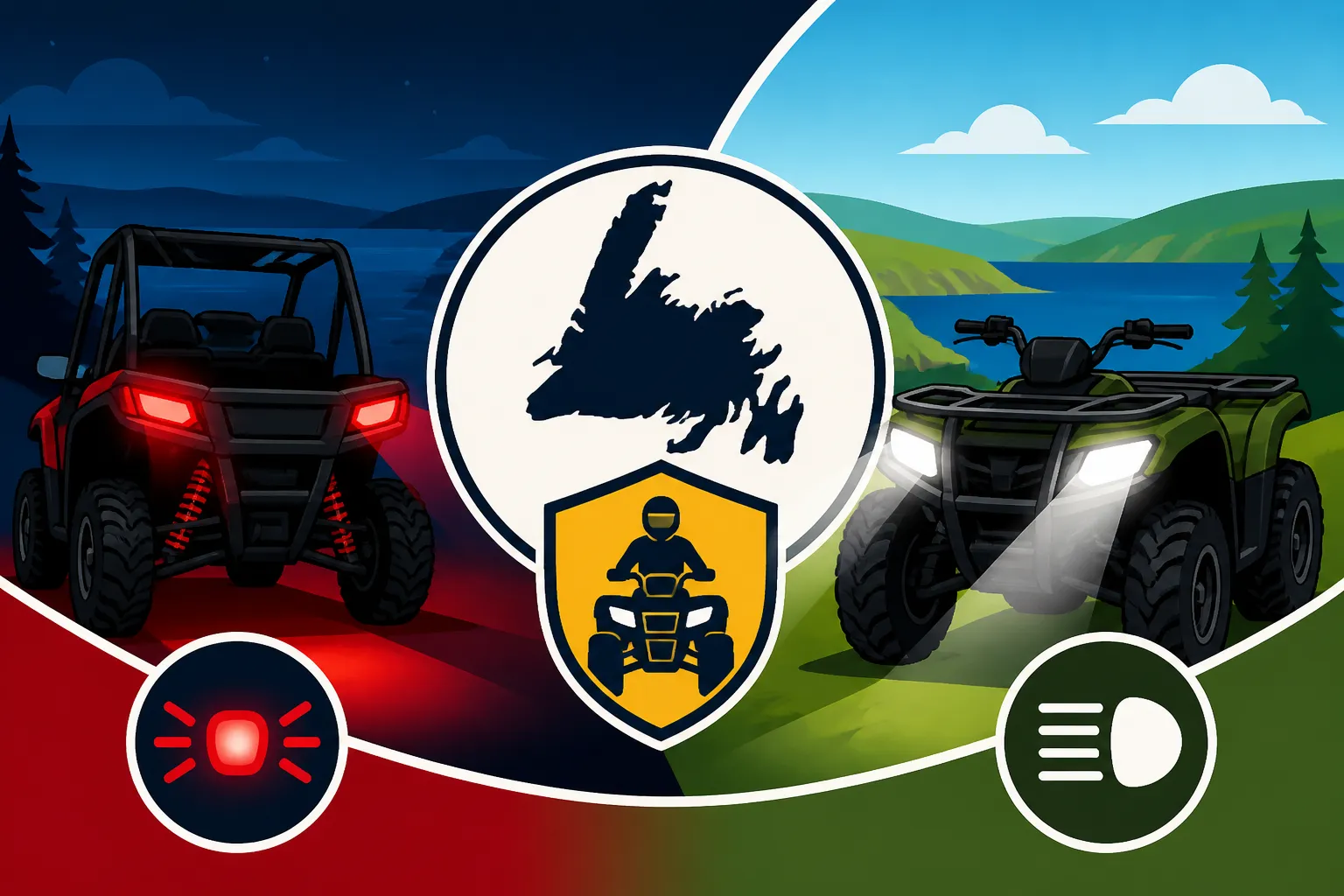
The Off-Road Vehicles Act is very specific about the colours your lamps must display. At the front of your machine, you must have a headlamp that emits white or amber light. This bright, forward-facing light is designed to illuminate your path and make your presence known to anyone coming towards you. Conversely, at the rear of your machine, you are required to have a tail lamp that emits a red light. This red light is universally understood as a "rear" indicator, signaling your position and the direction of travel to those behind you. This distinct colour coding prevents confusion, especially on shared trails or when crossing public roads. Imagine the chaos if a machine had a red light facing forward – it would be incredibly misleading and dangerous. This simple colour standard is a cornerstone of road and trail safety, helping everyone instantly identify the front and back of your machine.
Brightness and Visibility Standards
While the Act doesn't typically specify an exact lumen count or wattage for your lights, it does imply a standard of functionality. The headlamp must be "capable of illuminating an object at a distance of 60 metres in front of the vehicle" and the tail lamp must be "visible from a distance of 60 metres to the rear." This means your lights shouldn't just be dim glows; they need to be bright enough to effectively serve their purpose: clearly lighting your path and making you highly visible to others within a reasonable distance. If your lights are faded, cracked, or simply not powerful enough to meet this visibility standard, they are not compliant, even if they technically turn on. This is where older machines, or those with original, aging bulbs, might fall short. Sometimes, an upgrade to modern LED lighting can significantly improve both brightness and reliability, ensuring you meet the spirit and letter of the law.
Ensuring All Lamps Are in Working Order
The rules about head and tail lamps also implicitly mean they must be in working order. A burned-out bulb, a cracked lens, or a loose wire that causes intermittent flickering means your lighting system is defective. It's not enough for one headlamp to work if your machine is designed with two, or for your tail light to be out entirely. Peace officers conducting [Newfoundland Equipment Checks by Officers] on the trails are looking for fully functional systems. They understand that breakdowns happen, but they also expect riders to ensure their machines are trail-ready before setting out. A quick check before each ride should be part of your routine. This includes making sure the lights themselves are clean, free of mud or dust, which can significantly reduce their effectiveness. Remember, [Newfoundland Plates Kept Free of Mud] is a rule for visibility, and the same principle applies to your lights.
Maintaining Your Lights: Beyond the Law, It's About Safety
Complying with the Off-Road Vehicles Act regarding head and tail lamps is the minimum standard. For true peace of mind and safety on Newfoundland's diverse terrain, you need to adopt a proactive approach to maintaining your lighting system. It's about reliability when you need it most.
Pre-Ride Checks: Making It a Habit
Before every single ride, make a quick visual and functional check of your lights. It takes mere seconds and can prevent a serious issue later. Turn on your machine, activate your headlamps, and walk to the front to confirm they are both shining brightly. Then, move to the rear and check your tail lamps. Are they illuminated? Are they red? While you're at it, check any brake lights if your machine has them. Look for any cracks in the lenses, excessive mud buildup, or loose wiring. This routine should become as automatic as checking your fuel level or tire pressure. It's especially crucial if your machine has been stored for a while, perhaps through [Newfoundland Machines Stored Over Winter], as wiring can be chewed by rodents or corrosion can set in. Making this a habit means you’re less likely to be caught off guard when daylight fades or a storm rolls in.
Cleaning and Protecting Your Lenses
It's easy for mud, dust, and grime to accumulate on your head and tail lamp lenses, especially after a thrilling ride through the barrens or a boggy section. A thick layer of dirt can drastically reduce the brightness and visibility of your lights, even making them non-compliant. After each ride, take a moment to clean your lenses with a soft cloth and water. Avoid abrasive cleaners or brushes that could scratch the plastic. For deeper cleaning, specialized plastic cleaners can help remove stubborn stains and restore clarity. Furthermore, consider adding clear protective films or covers, especially for exposed lenses. These can shield against impacts from branches, rocks, or even gravel kicked up by other machines. Protecting your lenses ensures they remain clear and effective for years to come, providing the optimal light output for safe riding.
Upgrading for Better Visibility
While your factory lights might meet the minimum legal requirements, technology has come a long way, and many riders choose to upgrade for enhanced safety and performance. Older halogen bulbs can be relatively dim and draw a lot of power. Switching to LED headlamps or tail lamps, for example, offers several advantages: they are significantly brighter, use less power (which is great for your battery), and often have a much longer lifespan. Companies like SuperATV offer a range of aftermarket lighting solutions, from powerful LED light bars that flood the trail with light to durable replacement tail lamps that stand up to harsh conditions. When considering an upgrade, ensure any new lights still comply with the "amber in front, red behind" colour rule and that their installation doesn't interfere with your machine's electrical system. The goal isn't just to make them brighter, but to make them more reliable and visible, extending your safe riding hours and improving your overall trail experience.
Consequences of Non-Compliance: What Happens If Your Lights Are Out?
Riding in Newfoundland and Labrador with non-compliant or non-functional head and tail lamps isn't just a minor oversight; it's a serious safety hazard and a legal infraction. The consequences can range from immediate fines to more significant legal and financial repercussions in the event of an accident.
Fines and Enforcement: What an Officer Can Do
If a peace officer stops you and finds your head or tail lamps are not working, or if they don't meet the specified colour or visibility requirements, you could face a ticket. These aren't just polite warnings; they are formal citations that come with monetary penalties. While I cannot state specific current figures, [Newfoundland Fine Ranges by Offence] can vary, but generally, operating a machine with defective equipment, including lighting, is taken seriously. An officer might also issue an order to cease operation until the defect is corrected, which could mean an inconvenient end to your ride, possibly far from your trailer or a repair shop. Beyond the immediate financial cost, a ticket can mean hassle, time in court if you choose to dispute it, and the potential for a record that could impact future interactions with law enforcement. It's a preventable headache by simply checking your lights.
Accident Liability and Insurance Implications
This is where non-compliance can become truly serious. In the unfortunate event of an accident, especially one occurring during low light conditions or where visibility was a factor, having non-functional or non-compliant lights can significantly impact your liability. If it's determined that your inadequate lighting contributed to the accident, you could be held fully or partially at fault. This has massive implications for insurance claims. While [Newfoundland Insurance Requirements for Riders] mandate a minimum liability coverage, if you're found to be operating illegally, your insurance provider might deny or reduce coverage for damages or injuries. This could leave you personally responsible for substantial costs, including repairs, medical bills, and legal fees. It's a stark reminder that these rules aren't just bureaucratic; they're designed to protect you and others from financial ruin in a worst-case scenario.
Preventing Issues: A Proactive Approach
The best way to avoid any of these unpleasant consequences is to be proactive. Integrate lighting checks into your pre-ride routine. Carry spare bulbs (if applicable to your system) or a small repair kit for minor electrical fixes. Consider upgrading to more robust and reliable LED systems if your current lights are old or frequently problematic. If you notice a light flickering or dimming, address it before your next ride, not during it. If you're borrowing or renting a machine, always verify its lighting system is fully functional before heading out. Simple preparedness goes a long way. This proactive stance not only keeps you legally compliant but, more importantly, keeps you and everyone around you safer on the incredible trails of Newfoundland and Labrador.
Essential Lighting Components & Compliance Checklist
Navigating the various parts of your ORV's lighting system and ensuring everything is up to snuff can feel like a lot. To simplify things, let's break down the essential components and provide a clear checklist to ensure you're always riding legally and safely.
Headlamps: Illuminating Your Path Forward
Your headlamps are your primary tool for seeing the trail ahead, especially when natural light dwindles. The key here is function and appropriate colour. As discussed, they must emit white or amber light and be capable of illuminating objects at least 60 metres in front of you. This means they need to be bright, unobstructed, and reliably connected to your machine's power source. When checking, don't just look for a faint glow; ensure they cast a strong, clear beam. Over time, plastic lenses can yellow or become cloudy, significantly reducing light output. If this happens, special restoration kits can often bring them back to life, or it might be time for a full replacement. Keep an eye out for loose connections, as vibrations on rough trails can cause wires to fray or disconnect, leaving you in the dark unexpectedly.
Tail Lamps: Your Beacon to the Rear
The red tail lamp(s) on your ORV are just as vital as your headlamps for safety, as they signal your presence to anyone approaching from behind. These lights must be visible from a distance of at least 60 metres to the rear. Crucially, they must emit red light. Avoid any modifications that change this colour, as it's a critical safety standard across all vehicles. Just like headlamps, ensure the lenses are clean and free of mud or cargo that might obstruct them. Remember the rule about [Newfoundland Plates Unobstructed by Cargo] also applies to your tail lights – if your gear is blocking your rear lights, you're not compliant. Regular checks for cracks, burned-out bulbs (if not LED), and secure mounting are essential. Many tail lamps also incorporate brake lights, which should illuminate brighter when the brakes are applied. Test this function too!
Reflectors and Auxiliary Lighting
While not explicitly called out as "lamps" in the same way head and tail lights are, reflectors play a supplementary role in your visibility. Many ORVs come equipped with reflectors on the sides, front, and rear. These passive safety devices become highly visible when hit by another vehicle's headlights. They don't replace your active lighting system but provide an extra layer of visibility, especially if your powered lights fail. Some riders also choose to add auxiliary lighting, such as LED light bars or cube lights, particularly for serious night riding or utility work. While these can significantly enhance your ability to see, remember that they still need to be used responsibly and potentially covered when riding on public roads or shared trails to avoid blinding others. Always ensure any added lighting still allows your primary head and tail lamps to function and be clearly seen.
Compliance Checklist for Head and Tail Lamps
Here’s a simple checklist to run through before every ride to ensure your lights are legal and effective:
| Component | Check Item | Status (Pass/Fail) | Notes |
|---|---|---|---|
| Headlamps | Both working (if applicable) | ||
| Emit white or amber light | |||
| Capable of illuminating 60m ahead | Are they bright, not dim? | ||
| Lenses clean and clear | No mud, cracks, or yellowing | ||
| Securely mounted, no loose wires | |||
| Tail Lamp(s) | All working (if applicable) | ||
| Emit red light | No other colours | ||
| Visible from 60m to the rear | Can you see it clearly from a distance? | ||
| Lenses clean and clear | Not obstructed by cargo or mud | ||
| Securely mounted, no loose wires | |||
| Brake Light(s) | (If equipped) Activate when brake applied | Brighter than tail lamp when braking | |
| Reflectors | Present and clean (front, rear, sides) | Unobstructed and reflective |
By consistently going through this checklist, you'll ensure that your ORV's lighting system is always in peak condition, keeping you safe and compliant on every adventure.
Best Practices for Riding with Lights in Newfoundland
Beyond merely complying with the law, adopting a few best practices for using your head and tail lamps can significantly enhance your safety and enjoyment on the trails in Newfoundland and Labrador. It's about smart riding, not just legal riding.
Riding During "Sunset to Sunrise" Hours
When operating your ORV during the official "sunset to sunrise" period, always ensure your lights are on well before it gets dark and stay on until well after dawn. It's easy to get caught up in the moment and misjudge the fading light, especially on heavily treed trails where shadows lengthen quickly. Consider setting a reminder on your phone or simply making it a habit to turn your lights on as soon as you start your machine, regardless of the time of day. This removes any ambiguity and ensures you're visible from the outset. If you're planning a full day's ride, consider your route and the sun's position. Are you heading into dense woods or an exposed barren where twilight might feel different? Planning your return to avoid deep darkness is always ideal, but if you must ride at night, do so with fully functioning, bright lights and extra caution.
Riding in Adverse Conditions
As we've covered, Newfoundland's weather can be a wild card. Fog, heavy rain, or a sudden squall are common. In these adverse conditions, your lights are your most critical safety feature. Turn them on immediately, even if it's broad daylight. The rule isn't just about darkness, but about "insufficient light or adverse weather." Reduce your speed, and rely on your headlamps to cut through the haze. Your tail lamps are vital here too, giving any following riders or trail users a clear indication of your presence and position. If conditions become extreme, and your visibility is severely hampered even with lights on, it's often safer to pull over to a safe spot and wait for the weather to pass rather than pushing through. Remember, [Newfoundland Rules for Riding in Winter] or other challenging seasons often emphasize visibility and preparedness.
Crossing Highways and Public Roads
While the primary focus of ORV lighting is off-road, there are specific instances where you might legally cross or briefly use a public road or highway shoulder. When doing so, your lighting becomes even more critical, as you are interacting with faster-moving highway traffic. [Newfoundland Rules for Crossing a Highway] stipulate specific visibility distances. Your head and tail lamps must be fully operational and clearly visible to approaching vehicles from both directions. This means clean lenses and strong light output are non-negotiable. Yielding to highway traffic is always paramount, and your lights help ensure those drivers see you well in advance, giving them ample time to react. The more visible you are, the safer these necessary transitions become.
Maintaining Optimal Battery Health
Your lighting system is only as good as the power source feeding it. Modern ORVs often come with powerful alternators, but older machines or those with many aftermarket electronic accessories can tax the battery. Ensure your battery is in good health, especially if you frequently ride after dark or in cold weather, which can reduce battery efficiency. Regularly check battery terminals for corrosion and ensure they are tight. If you add a lot of extra lights or accessories, consider upgrading your battery or adding a supplementary power source to prevent draining your main battery, which could leave you stranded and in the dark. A well-maintained electrical system ensures your lights, and therefore your safety, are always reliably powered.
Newfoundland ORV Lighting Summary
Riding an ATV or UTV in Newfoundland and Labrador offers unparalleled adventure, but it comes with responsibilities. Understanding and adhering to the province's head and tail lamp rules is paramount for both legal compliance and, more importantly, your safety and the safety of others. From the clear mandates of the Off-Road Vehicles Act regarding "sunset to sunrise" operation to the practical necessity of being seen in adverse weather, every rider needs to take their machine's lighting seriously.
By consistently performing pre-ride checks, maintaining clean and functional lamps, and considering upgrades for better visibility, you're not just following the law – you're embracing a culture of safe and responsible riding. Don't let a simple burned-out bulb or a mud-caked lens turn a fantastic outing into a hazardous situation or lead to unnecessary fines. Keep those lights shining bright, and enjoy every moment on Newfoundland's breathtaking trails!
Disclaimer
This article is for general informational purposes only and does not constitute professional advice. Laws, prices and regulations vary by location and change over time. Consult a qualified professional for guidance on your specific situation.