Newfoundland Charges $5 for a Trail Bike
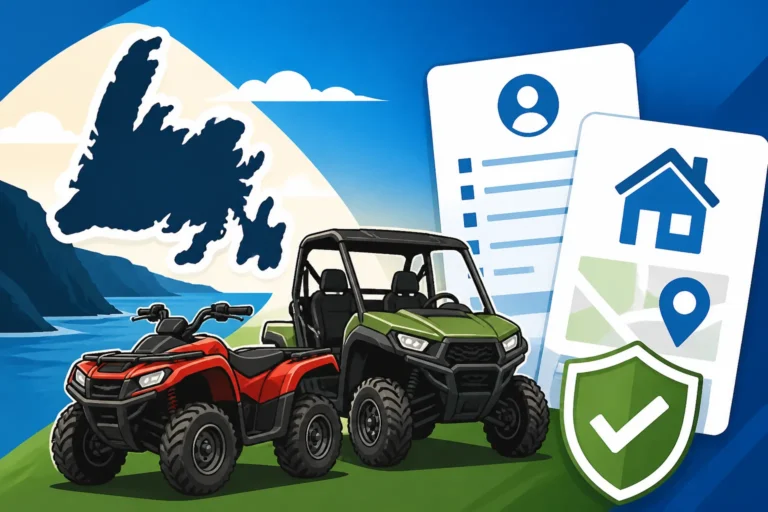
It can be incredibly confusing to navigate the world of off-road vehicle registration in Newfoundland. You might hear about one friend paying a chunk of change for their ATV, while another proudly boasts about their much lower fee for a dirt bike. It’s easy to feel like you’re missing something, or that the rules are needlessly complicated. This guide is here to clear up that confusion, specifically diving into why some machines, particularly trail bikes, come with such a surprisingly low registration cost, and what you need to know to get yours properly on the books.
Understanding Newfoundland's ORV Registration Landscape
When you first start looking into registering an off-road vehicle (ORV) in Newfoundland, it might feel like a bit of a maze. There are different fees, different requirements, and sometimes, it seems like there's no rhyme or reason to it all. But trust me, there is a method to the madness, and it all boils down to how the province classifies your machine under the [Newfoundland's Off-Road Vehicles Act]. Knowing this distinction is key to understanding why some fees are surprisingly low, while others are a bit steeper.
Why Fees Differ by Machine Type
The most common frustration people have is comparing their registration costs with a buddy's. "Why did I pay $95 for my quad, but you only paid $5 for your dirt bike?" It’s a completely valid question! The answer lies in the specific category your machine falls into according to provincial regulations. The government classifies ORVs based on their design, intended use, and sometimes, even their engine size or weight. These classifications aren't just for fun; they directly impact everything from the registration fee to the operating rules and safety requirements. So, while both an ATV and a trail bike are off-road vehicles, they are distinct in the eyes of the law, leading to different administrative costs.
What Constitutes a "Trail Bike" Under the Act
This is where the magic number of $5 comes in! A "trail bike" is specifically defined in the regulations, and it's generally what most people would call a dirt bike. These are typically two-wheeled, single-track vehicles designed for off-road use. They're often lighter, more agile, and built for navigating tighter trails and more challenging terrain than, say, a larger ATV or side-by-side. The key here is the specific definition outlined in the provincial legislation, which distinguishes them from other classes of ORVs. This distinction is crucial because it directly translates to that much lower registration fee. It's not about the brand or the colour of your bike; it's about how its fundamental design is categorized by the province.
The Broader Context of Registration Fees
It's important to remember that the registration fee isn't just a random number pulled out of a hat. It's part of a system designed to manage and track off-road vehicles, ensure compliance with safety regulations, and contribute to the overall administration of the provincial ORV network. While the $5 fee for a trail bike might seem symbolic compared to other fees, it still ensures that every trail bike operating in the province is officially recorded. These fees support the infrastructure and enforcement efforts related to ORV use. Think of it as your small contribution to the bigger picture of keeping Newfoundland's trails and outdoor spaces safe and well-managed for all riders.
The Specifics of Trail Bike Registration
So, you've got yourself a trail bike, and you're keen to hit the trails, but first, you need to get it registered. The good news is that the process for trail bikes is fairly straightforward, and that minimal fee is certainly a welcome bonus! Understanding the exact steps and documentation required will save you a lot of hassle and potential headaches when you head to the Motor Registration Division.
The $5 Trail Bike Registration Fee Explained
Yes, it's true: Newfoundland Charges $5 for a Trail Bike! This incredibly low fee often catches people by surprise, especially when they hear about the higher costs associated with other ORVs. The reasoning behind this specific, low cost isn't explicitly detailed in public information, but it likely stems from a combination of factors. Trail bikes generally have a smaller footprint, are less complex from a regulatory standpoint compared to larger machines, and perhaps there's an administrative decision to keep entry costs low for a popular recreational activity. Whatever the exact historical reason, it’s a fixed fee that makes getting your dirt bike officially registered incredibly affordable, and it’s a big relief for many riders. This fee is a one-time charge, meaning once it's paid, you're registered for the life of your ownership in the province.
Required Documentation for Trail Bikes
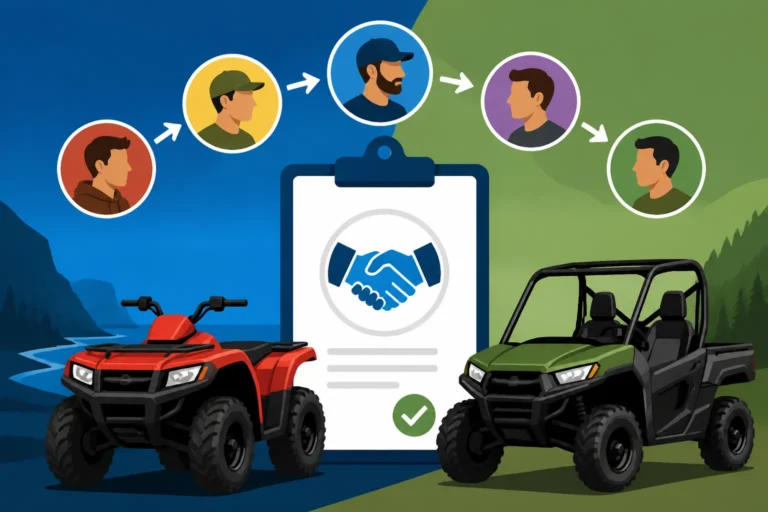
Even with a low fee, you can’t just walk in with five dollars and a smile. You'll need to gather some specific documents to prove ownership and your identity. Typically, this includes your valid photo identification (like a driver's license), and proof of ownership for the trail bike itself. For a new machine, this would be the New Vehicle Information Statement (NVIS) provided by the dealer. If you're buying a used trail bike, you'll need a proper bill of sale. This bill of sale should clearly identify the machine (make, model, VIN), the buyer, the seller, the date of sale, and the purchase price. Sometimes, if the ownership history is a bit murky, or if you're registering a very old machine without clear paperwork, the registry might require additional forms, such as a sworn affidavit or an indemnity form. Resources like LawDepot can provide templates for official bills of sale or affidavits if you need to create these documents for a private sale, ensuring all the necessary details are captured legally.
Where and How to Register Your Trail Bike
The place to get your trail bike registered is through the Motor Registration Division. While you can often find basic information online, the actual registration process usually requires a visit in person. It's highly recommended to [Newfoundland Registration by Appointment] to ensure you don't waste time waiting. When you go, bring all your required documents, including your ID, proof of ownership (bill of sale or NVIS), and any other supporting paperwork. The staff will verify your documents, collect the $5 fee, and then process your registration. You’ll be issued a registration permit and an identification plate (or decal, depending on the machine type and current regulations). This permit and plate are your proof that your trail bike is legally registered to operate on approved trails in Newfoundland.
Comparing Trail Bike Costs to Other ORV Categories
The $5 registration fee for a trail bike stands out quite a bit when you look at the landscape of other off-road vehicles in Newfoundland. It's a significant difference, and understanding these variations can help you budget and plan, especially if you're considering purchasing a different type of ORV in the future or already own a mix of machines. It really highlights how specific the provincial government's classifications are.
ATV Registration: A Higher Price Tag
For many riders, the ATV is the quintessential off-road machine in Newfoundland. But unlike trail bikes, ATVs come with a much higher registration fee. Currently, [Newfoundland Charges $95 for an ATV]. This is a substantial jump from the $5 for a trail bike and is often the source of confusion or frustration for new ATV owners who might have heard about their friend's cheap dirt bike registration. While the exact reasoning for the difference isn't fully transparent, ATVs generally have larger engines, can carry more cargo, and are perhaps seen as having different infrastructure and safety considerations compared to a two-wheeled trail bike. Despite the higher upfront cost, it's still a one-time fee, meaning no annual renewals, which is a big plus.
Side-by-Side and Snowmobile Fees
Beyond ATVs, other popular ORVs like side-by-sides (UTVs) and snowmobiles also have their own distinct registration fees. Side-by-sides, which have gained immense popularity for their capacity and versatility, are generally categorized similarly to ATVs in terms of registration costs. When [Newfoundland Side-by-Sides Added in 2022], they were brought into the framework with specific considerations. Snowmobiles, another staple of Newfoundland's winter recreation, also have a specific fee structure that is typically higher than a trail bike. Each of these categories requires its own set of administrative processes and contributes to the overall management of ORV access across different seasons and terrains. Understanding these various fees helps prospective buyers make informed decisions, knowing the full cost of getting their machine legally ready for the trails.
When the Fees Change: Special Cases
While the standard fees are usually what people expect, there are a few special scenarios where the costs might differ. For example, [Newfoundland Senior Registration Rates] often provide a reduced fee for eligible seniors registering their ORVs. This is a great benefit for older riders, recognizing their contributions and helping to keep their recreational activities affordable. Additionally, transfer of ownership fees can also vary. While the initial registration is a one-time cost, if you buy a used machine, there's a transfer fee involved to put it into your name. [Newfoundland Transfers Cost $16 for Seniors] in some cases, highlighting another reduction. Even certain situations, like transferring ownership after the death of the previous owner, can have different cost implications, sometimes even being free. [Newfoundland Transfers on Death Cost Nothing], which can be a relief during a difficult time. Always check the current regulations for these specific situations, as fees can be adjusted.
| ORV Type | Standard Registration Fee | Transfer of Ownership Fee (Standard) | Transfer of Ownership Fee (Senior) |
|---|---|---|---|
| Trail Bike | $5 | Check current rates | Check current rates |
| ATV | $95 | Check current rates | Check current rates |
| Side-by-Side | Check current rates | Check current rates | Check current rates |
| Snowmobile | Check current rates | Check current rates | Check current rates |
| Snow Groomer | $10 | Check current rates | Check current rates |
Note: All fees are subject to change. Always confirm current rates with the Motor Registration Division before proceeding.
Navigating the Registration Process
Getting your off-road vehicle registered might seem daunting, especially with all the paperwork involved. But with a clear checklist and an understanding of common pitfalls, you can make the process smooth and hassle-free. It's about being prepared and knowing exactly what the Motor Registration Division expects from you. Don't let the administrative side of things discourage you from enjoying Newfoundland's incredible trails!
Essential Paperwork Checklist
To ensure a smooth registration experience, having all your ducks in a row with paperwork is paramount. For any ORV, including your $5 trail bike, you’ll definitely need valid government-issued photo identification. If your machine is brand new, the dealer will provide you with a [Newfoundland Requires an NVIS for a New Machine] (New Vehicle Information Statement). This document is crucial as it proves the machine has never been registered before and provides all its factory details. For used machines, a clear and complete bill of sale is your golden ticket. This needs to include the buyer's and seller's full names and addresses, the sale date, the purchase price, and a detailed description of the ORV, including the Vehicle Identification Number (VIN). If you've bought from a private seller and the ownership history isn't perfectly clear, or if a previous owner can't be found for a signature, you might need to prepare a sworn affidavit. LawDepot offers templates for these kinds of legal documents, which can be invaluable for ensuring all the required declarations are properly made and witnessed.
Common Mistakes to Avoid
Many riders experience delays because of simple, avoidable mistakes. One of the most frequent issues is incomplete or incorrect paperwork. Forgetting a signature on the bill of sale, having an illegible VIN, or missing the NVIS for a new machine will send you right back home. Another common pitfall, especially with used machines, is not having a continuous chain of ownership documents. [Newfoundland Bills of Sale From Each Owner] are sometimes required, meaning if the machine has changed hands multiple times, you might need a bill of sale from each transaction in its history to prove clear title. If you're missing some links in that chain, or if the seller has passed away, you'll likely need to use [Newfoundland Sworn Affidavits and Indemnity Forms] to legally declare ownership. Failing to book an appointment before visiting the Motor Registration Division can also lead to long waits, so always call ahead or use their online booking system.
Post-Registration Responsibilities
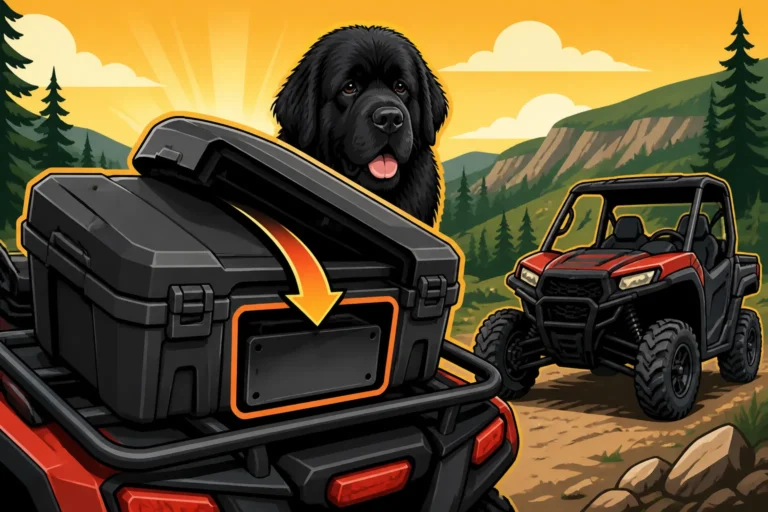
Once your trail bike (or any ORV) is registered and you have your permit and identification plate, your responsibilities don't end there. You need to carry your registration permit with you whenever you're operating the machine. This is your proof of legal registration. The identification plate must be properly displayed on your machine, typically on the rear, and it needs to be kept clean and unobstructed at all times. This means no mud, snow, or cargo blocking the plate. [Newfoundland Plates Kept Free of Mud] is a regulation that officers will enforce. If you move, or if any of your contact information changes, you have a responsibility to notify the Motor Registration Division within a specified timeframe, usually ten days. This ensures that their records are always up to date. And, crucially, while the registration is a one-time fee, other rules like helmet laws, insurance requirements, and operating guidelines are ongoing responsibilities for every rider.
Beyond Registration: What Every Rider Needs to Know
Getting your machine registered is a huge step, but it's just the beginning of your journey as a responsible ORV operator in Newfoundland. There are many other important details that will affect how you use your machine, from how long your registration is valid to what happens when you decide to sell. Understanding these broader implications will ensure you stay on the right side of the law and make the most of your riding experience.
Ongoing Validity and No Renewal Fees
One of the best features of Newfoundland's ORV registration system is that once you pay the fee, whether it's the $5 for a trail bike or $95 for an ATV, that registration is generally valid for as long as you own the machine. This is a huge benefit compared to annual renewals for road vehicles. As long as the machine remains in your name, you don't have to worry about renewal notices or annual fees. This means [Newfoundland Registrations Never Expire] as long as you hold ownership. This "pay once, own forever" model simplifies things greatly for riders and means [Newfoundland Registration Valid While You Own It]. Just remember, this applies to the registration itself; other requirements like trail passes for managed trails or insurance will have their own validity periods and renewal schedules.
Transferring Ownership and Costs
Eventually, you might decide it's time for a new machine or to sell your current one. When you sell a registered ORV, the registration permit needs to be properly transferred to the new owner. This is a critical step because failure to properly transfer the registration means the machine is still technically in your name, which could lead to complications down the road. The seller is usually responsible for signing off on the permit and providing a bill of sale. The new owner then takes these documents to the Motor Registration Division to complete the transfer into their name, paying the applicable transfer fee. For complex situations, like those involving estates or missing titles, legal forms obtained through services like LawDepot (such as specific affidavits of ownership) can be essential to facilitate the transfer. [Newfoundland Transfer of Ownership Explained] covers these steps in detail, ensuring both buyer and seller are protected.
Important Safety and Operating Rules
While this guide focuses on registration, it's impossible to discuss ORV ownership without touching on the broader rules of the road—or rather, the trail! Once your machine is registered, you're expected to comply with all operating regulations. This includes, but isn't limited to, mandatory helmet use for all operators and passengers, carrying appropriate insurance, following age and supervision rules for young riders, and adhering to restrictions on where and when you can operate your ORV. Rules around crossing highways, riding on shoulders, and operating on Crown land are all outlined in the [A Statute in Force Since May 2022] and subsequent regulations. While your machine might be legally registered, operating it unsafely or illegally can lead to significant fines and penalties. Always prioritize safety, understand the local bylaws, and ride responsibly to protect yourself, others, and the beautiful Newfoundland environment.
Disclaimer
This article is for general informational purposes only and does not constitute professional advice. Laws, prices and regulations vary by location and change over time. Consult a qualified professional for guidance on your specific situation.