Newfoundland Rules for Riding in St John’s
It's a common dream for many ATV and UTV enthusiasts in Newfoundland: imagining zipping around town, running errands, or simply cruising through the streets of St. John's on their beloved off-road machine. But here's the honest truth, and often a frustrating reality: riding your ATV or UTV directly within the city of St. John's is largely restricted, and misunderstanding these rules can lead to serious headaches, hefty fines, and even having your machine impounded. This guide will walk you through the specific regulations, highlight the areas where you can and absolutely cannot ride, and help you navigate the complexities of off-road vehicle use in and around the capital city.
The Harsh Reality of City Riding in St. John's
Let's just get this out of the way upfront, because it's the biggest point of confusion for so many riders: St. John's is not like the rural parts of Newfoundland where you might see an ATV on a gravel road or pulling into a convenience store. The city operates under its own specific bylaws, which are far more restrictive than the general provincial Off-Road Vehicles Act when it comes to operating these machines within its boundaries. It’s a bitter pill to swallow for many, especially those who come from communities where such machines are an everyday part of life, but the urban landscape demands a different set of rules.
Why St. John's Stands Apart from Rural Newfoundland
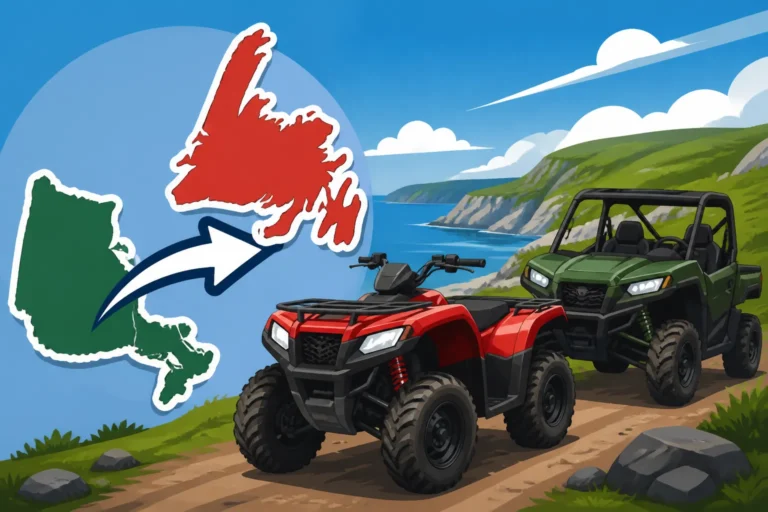
Think about the sheer density of St. John's compared to a small outport community. We're talking about more traffic, more pedestrians, more schools, more residential areas, and a more complex infrastructure. The provincial government, through the [Newfoundland's Off-Road Vehicles Act], outlines general guidelines for ORV use across the province, but it also grants municipalities the power to enact their own bylaws. St. John's has exercised this power to maintain public safety, reduce noise complaints, and protect its infrastructure. This means that while a trail bike might be perfectly legal to use on designated trails just outside city limits, trying to take it for a spin down Water Street or through a residential neighbourhood is a definite no-go. This discrepancy can be incredibly frustrating for riders who see their machines as tools for transportation or recreation, but the city views them primarily as off-road recreational vehicles, not street-legal conveyances suitable for paved urban roads.
The Role of Municipal Bylaws and Provincial Acts
The provincial Off-Road Vehicles Act, while foundational, is often superseded or enhanced by local municipal bylaws when it comes to specific areas like St. John's. The province outlines broad strokes – like helmet laws or insurance requirements – but the city paints the finer details of where those machines can actually go. The City of St. John's has explicit bylaws that prohibit the operation of off-road vehicles on most public roads, sidewalks, and city property within its jurisdiction. This isn't just about the main thoroughfares; it extends to residential streets, parks, and even many unpaved areas within city boundaries that might look like potential riding spots. It’s critical for riders to understand that ignorance of these local bylaws is not a defence. An enforcement officer isn't going to care if you thought the provincial act allowed it; they'll be upholding the local rules. Before you even think about putting your machine in gear, it's always wise to check the [Newfoundland Municipal Road Bylaws] for any local government you plan to ride near.
Navigating Limited Exceptions and Designated Routes
While the general rule is "no riding in St. John's," there are extremely limited situations where your machine might legally touch a city road, though it's rarely for actual "riding" in the recreational sense. These are typically for specific, short-distance transit under very strict conditions, or for moving your machine to a legal riding area. It's about getting from Point A to Point B through the city, not in the city.
Road Crossings and Shoulder Rules: A Brief Moment of Legality
The provincial Act does allow for very specific and limited instances where an ORV can operate on or across a highway, and this applies even within or very near city limits where a provincial highway might run. For example, you might be allowed to cross a highway at a 90-degree angle, provided you have at least [Crossing a Newfoundland Highway Needs 150 Metres of Visibility] in both directions. There are also rules for riding on the shoulder of a highway, but these are extremely restrictive – typically for a maximum of [Riding the Shoulder 1 Kilometre to Reach a Trail] to get to an approved trail, and at a reduced speed, usually no more than [20 km/h on a Shoulder]. These are not carte blanche permissions to cruise; they are highly conditional exceptions designed to facilitate access to legitimate trails. As soon as you complete the crossing or reach the trail entrance, the exception ends. You still need to ensure your machine is properly registered and insured. You'll also need to have all the required safety gear, including an approved helmet as per [Newfoundland Helmet Law for Every Rider].
Transporting Your Machine Through the City
For most St. John's residents who want to enjoy their ATV or UTV, the reality is that the machine needs to be trailered. This means loading your quad or side-by-side onto a trailer and towing it with a licensed vehicle to a designated riding area outside the city core. This is the safest, most legal, and frankly, the only practical way to get your machine to where it can be legally enjoyed. Trying to ride it out of your driveway and down a city street, even to get to the highway, is almost certainly a violation of municipal bylaws. Parking your truck and trailer at a trailhead and then unloading your machine is standard practice for riders across the province, and it's particularly vital for those living in or near St. John's. Companies like SuperATV offer a wide range of accessories, from sturdy hitches to robust trailer tie-downs, that can make transporting your machine safer and more efficient, ensuring your valuable equipment arrives at the trail ready for adventure.
Private Property Riding Within City Limits
This is another grey area that often leads to misunderstandings. While the city generally restricts ORV use on public lands, what about private property? If you own a large parcel of land within city limits, or have explicit, written permission from a landowner, you might be able to ride there. However, even on private property, you are still bound by noise bylaws and potentially other nuisance rules. Furthermore, if your riding on private land somehow involves crossing public property to get there, you're back in violation. It's not uncommon for city bylaws to have provisions that limit noise levels at certain times, which can affect when and how you operate an ORV even on your own land. Always ensure you have a clear understanding of [Newfoundland Rules for Riding Private Land] and any local noise ordinances before firing up your machine, especially in a more densely populated area.
The Consequences of Illegal City Riding
The temptation to take your machine for a quick spin down the street might be strong, especially on a quiet day, but the risks far outweigh any perceived convenience. The City of St. John's, like any major municipality, has dedicated enforcement officers and municipal police who are well aware of the restrictions on ORVs. They are not shy about enforcing these rules, and the penalties can be severe, impacting your wallet and potentially your ability to ride in the future.
Fines, Penalties, and Machine Seizure
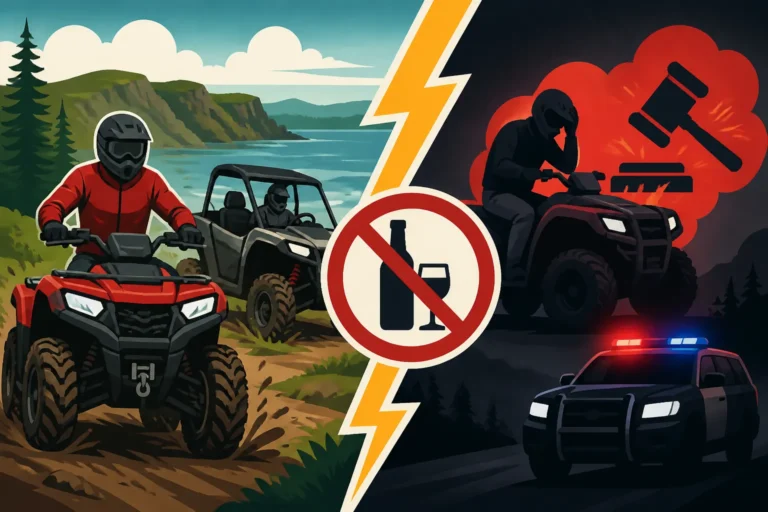
Riding an ORV illegally in St. John's can lead to significant financial penalties. Fines for operating an off-road vehicle on prohibited city streets or property can quickly add up. Beyond the initial fine, there's the very real possibility that your machine could be seized. This isn't just an inconvenience; it can be an expensive and time-consuming process to get your machine back. You might face impoundment fees, towing charges, and administrative costs on top of the original ticket. The total cost can easily climb into the hundreds, if not thousands, of dollars. For specific details on potential costs, you might want to review [Newfoundland Penalties for Riding Illegally] and [Newfoundland Machine Seizure Rules]. It's a harsh lesson to learn, but it underscores the city's commitment to keeping these machines off its main thoroughfares.
Safety Concerns and Public Perception
Beyond the legal ramifications, there are genuine safety concerns when ATVs and UTVs operate on city streets. These machines are designed for off-road conditions, not for interacting with cars, bicycles, and pedestrians on paved surfaces. They handle differently, have different braking characteristics, and often lack the visibility required for safe road use. There's also the issue of public perception. When residents see ORVs operating illegally, it creates a negative image for the entire riding community, potentially leading to increased enforcement, stricter future bylaws, and reduced access to trails elsewhere. Being a responsible rider means respecting the rules, not just to avoid fines, but to ensure the safety of everyone and to preserve the recreational opportunities for all off-road enthusiasts. This is why having proper equipment, whether it's sturdy tires from SuperATV for your trail adventures or appropriate safety gear, is crucial – it shows you're serious about safe and responsible riding, even if it's not in the city itself.
Where to Actually Ride Near St. John's
So, if St. John's is largely off-limits, where can you ride your ATV or UTV? Thankfully, Newfoundland and Labrador is a vast and beautiful province with an abundance of incredible trails and Crown Land access points within a reasonable drive of the capital city. The key is to know where to go and how to get there legally.
Exploring Approved Trails Outside the City Core
Once you trailer your machine out of St. John's, a world of adventure opens up. There are numerous designated and managed trail systems that welcome ATVs and UTVs. These trails are specifically designed for off-road use, offering diverse terrain from wooded paths to open barrens. Many of these trails are maintained by local clubs or provincial organizations, providing a much safer and more enjoyable experience than attempting to ride illegally in town. Before you head out, always check with local trail operators or government resources for current trail conditions and any specific rules or permits required. This might include needing a trail sticker or being aware of [Newfoundland Rules for Riding Crown Land]. Places like Salmonier Line or other access points to the vast network of trails offer fantastic opportunities for a day trip or even a weekend adventure, far from the city's restrictions.
Connecting to the T'Railway System
One of the crown jewels for off-road enthusiasts in Newfoundland is the iconic [The T'Railway's 883 Kilometres in Newfoundland]. This incredible multi-use trail spans the entire island, following the route of the old railway line. While you can't access it directly from downtown St. John's, there are numerous legal access points around the St. John's metro area and its surrounding communities. The T'Railway offers a unique opportunity for long-distance riding, exploring diverse landscapes, and connecting with nature. It’s a shared trail, so riders need to be mindful of hikers, cyclists, and other users. Before embarking on a T'Railway adventure, ensure your machine is in top condition, perhaps with some robust aftermarket parts from SuperATV to handle the varied terrain, and that you have all necessary permits and safety gear. Understanding [Newfoundland ORV Road Rules Explained] more broadly will help you safely navigate provincial highways to get to these trailheads.
Here's a quick reference for general ORV usage in and around St. John's:
| Location Type | St. John's City Roads (Public) | St. John's Private Property (With Permission) | Provincial Highways (Shoulder/Crossing) | Approved Trail Systems (Outside City) | Crown Land (Approved Areas) |
|---|---|---|---|---|---|
| Riding Permitted? | No (Generally) | Yes (With strict caveats) | Yes (Extremely limited) | Yes | Yes |
| Primary Limitation | Municipal Bylaws | Noise & Access Bylaws | Provincial Act (Short distance only) | Trail Rules & Regulations | Provincial Act (Specific zones) |
| Recommended Action | Trailer to external areas | Verify all local bylaws | Use for transit to trails only | Research & plan rides | Consult provincial maps |
| Risk of Penalties | High | Medium (If bylaws violated) | Medium (If rules broken) | Low (If compliant) | Low (If compliant) |
| Required Equipment | N/A | Standard ORV safety gear | Standard ORV safety gear | Standard ORV safety gear | Standard ORV safety gear |
In conclusion, while the idea of riding your ATV or UTV through the vibrant streets of St. John's might seem appealing, the reality is that it's almost universally prohibited for good reason. The path to enjoyable and legal off-road adventure in Newfoundland's capital region involves trailering your machine to the many fantastic trails and expansive Crown Land areas just outside the city. This approach not only keeps you on the right side of the law but also ensures a safer, more exhilarating, and genuinely fulfilling riding experience for everyone. Don't let the city restrictions discourage you; instead, let them guide you to the vast and incredible riding opportunities that Newfoundland truly offers.
Disclaimer
This article is for general informational purposes only and does not constitute professional advice. Laws, prices and regulations vary by location and change over time. Consult a qualified professional for guidance on your specific situation.