Fourteen Days in Default
It's incredibly frustrating to receive a ticket or notice regarding your ATV or UTV, especially when you're just trying to enjoy the beautiful Newfoundland wilderness or get to your cabin. The language on these documents can often feel like a maze, full of legal jargon and intimidating deadlines. This guide is here to unravel the mystery behind "Fourteen Days in Default" and explain exactly what this critical period means for you as an off-road vehicle owner, helping you understand how to navigate these situations and avoid escalating penalties.
Understanding the Initial Default Periods for ORV Offences
When you're out riding your ATV or UTV in Newfoundland, whether it's on a winding trail or a barren path, the last thing you want is a run-in that results in a citation. But sometimes, it happens. A peace officer might pull you over for various reasons, and it's crucial to understand the initial timelines you're given to address these issues before things become more serious.
When a Peace Officer Issues a Citation
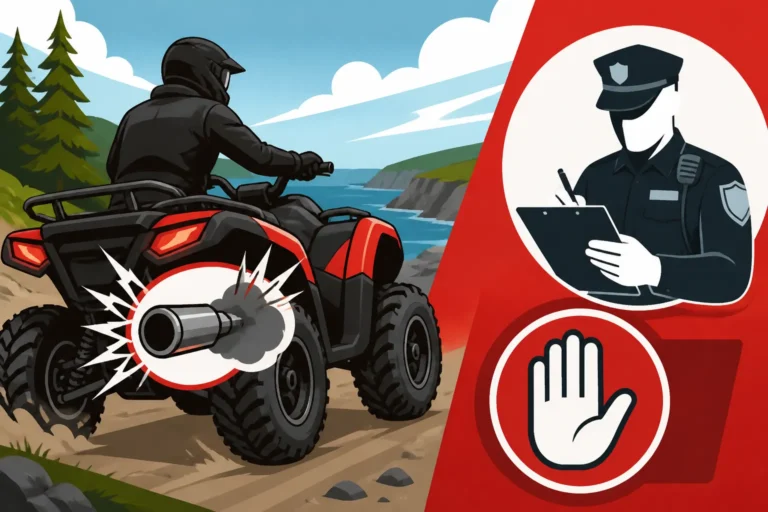
Imagine you're on a sunny Saturday, enjoying a ride with friends, and you get stopped. Maybe your plate was obscured by mud from a recent bog crossing, or perhaps an officer noticed an issue with your lighting. These seemingly minor infractions can lead to a citation. The officer will issue you a ticket, which typically outlines the specific offence and the initial fine associated with it. This ticket usually comes with a due date, often giving you a few weeks to either pay the fine or dispute it in court. This initial period is your first chance to resolve the matter, and it's absolutely vital not to ignore it. Missing this first deadline is what sets the stage for further complications down the road, potentially leading to the "Fourteen Days in Default" scenario. Think of it as your primary window to take action and prevent the situation from escalating. Failing to act within this timeframe is where many riders find themselves in a tougher spot, facing higher costs and more significant legal hassles. The [Newfoundland Fine Ranges by Offence] can vary widely, so understanding your initial ticket is the first step.
The Importance of Providing Proof of Insurance
One of the most common reasons for an off-road vehicle stop, and a frequent cause of anxiety for riders, revolves around insurance. The [Newfoundland Insurance Requirements for Riders] are clear: every off-road vehicle operating in the province must have a minimum amount of liability insurance. If you're stopped and you can't immediately produce proof of valid insurance, a peace officer might issue you a ticket and give you a specific, very short deadline to provide that proof to Motor Registration or the police. This is often referred to as [Two Days in Default], meaning you have two business days to present your documentation.
This short window is incredibly tight. If you don't provide the required proof within those two days, you're already in default of that specific requirement. This initial failure to comply can trigger further actions, and while it might not immediately lead to the "Fourteen Days in Default" status on the ticket itself, it certainly can set off a chain of events. For instance, if you fail to show proof, the original ticket for no insurance (which carries a substantial penalty) will stand, and ignoring that ticket could then lead to the 14-day default scenario. It’s a cascading effect, where one missed deadline quickly leads to another, more serious one. Always carry your proof of insurance, or make sure you can easily access it electronically if requested.
What "Fourteen Days in Default" Truly Means for Riders
The phrase "Fourteen Days in Default" is a specific and rather ominous legal term. It signifies a significant escalation in the consequences you face when you've failed to address an official notice or a citation within the initially prescribed period. This isn't just about paying a late fee; it's about moving from a simple administrative infraction to a more serious legal problem that can have far-reaching effects on your driving privileges and even your ability to own or operate an off-road vehicle.
Escalation of Penalties After Initial Default
When you've received a ticket for an ORV infraction, whether it's for something like an improper helmet ([Newfoundland Helmet Law for Every Rider]) or a registration issue ([Newfoundland ORV Registration Cost]), there's an initial period to either pay the fine or request a court date to dispute the charge. If you let that initial period lapse without taking any action, you enter a state of default. This is where "Fourteen Days in Default" often comes into play. It generally means that after this initial default, you are given another fourteen days to take action, such as paying the fine, before more severe consequences are automatically applied.
These consequences can be quite severe. Your unpaid fines might be referred to collections, adding substantial fees to the original amount. More critically, your driver's licence (for any vehicle, not just your ORV) could be suspended, or your vehicle registration could be revoked. Imagine being unable to drive your car to work because you forgot about an ATV ticket! This can create immense stress and practical difficulties. Ignoring the problem will not make it go away; instead, it compounds the issue, transforming a manageable fine into a much larger administrative and financial burden. The system is designed to compel compliance, and failing to respond within these specific timelines is treated very seriously, moving beyond a simple penalty to affecting your legal standing. For example, [Newfoundland Ticket Costs for Riders] can quickly balloon when late fees and administrative charges are applied.
The Impact on Machine Seizure and Release
In more serious situations, particularly those involving offences like impaired riding ([Newfoundland Impaired Riding Penalties]) or operating an unregistered machine, peace officers have the authority to seize your off-road vehicle on the spot. This is a truly jarring experience, leaving you stranded and without your machine. Once your machine is seized, there's a strict process and timeline for getting it back. You'll often need to pay certain fees, like [Newfoundland Early Release Fees], and apply for its release within a specified timeframe.
If you fail to initiate this process or meet the initial requirements for release, the "Fourteen Days in Default" can become incredibly significant. It means that after a certain period of impoundment, if you haven't taken the necessary steps, the storage fees will continue to accrue, making the cost of reclaiming your machine exorbitant. Beyond just storage fees, a prolonged default can eventually lead to the impounding authority applying to the courts for permission to sell or even dispose of your machine to cover the costs. This is a real threat, outlined in [Newfoundland Machine Seizure Rules], which are designed to ensure compliance and recoup costs. Not only do you risk losing your machine entirely, but the financial burden of impoundment can become staggering, turning a moment of lapse into a significant financial and personal loss. Ignoring the clock after a seizure is perhaps the most costly mistake a rider can make.
Proactive Steps to Avoid Default and Heavier Consequences
Nobody wants to deal with fines, suspensions, or the hassle of a seized machine. Thankfully, most of these stressful situations can be avoided with a bit of proactive planning and a commitment to understanding the rules. Being a responsible rider in Newfoundland isn't just about enjoying the trails; it's also about respecting the law and taking timely action when needed.
Responding to Tickets and Notices Promptly
The golden rule for avoiding "Fourteen Days in Default" and all the headaches that come with it is simple: do not ignore any official communication. Whether it's a ticket, a notice from Motor Registration, or a court summons, treat it with immediate attention. The moment you receive a document, read it carefully, understand the deadline, and decide on your course of action. You generally have two main options:
- Pay the fine: If you accept the charge, pay the fine by the due date. Many jurisdictions offer online payment options, making this process relatively straightforward. Make sure to keep your payment confirmation for your records.
- Dispute the charge: If you believe you were unjustly ticketed or there was a misunderstanding, you have the right to request a court date to dispute the charge. This usually involves contacting the court office listed on your ticket within the initial response period. Be prepared to present your case, bring any evidence you have, and articulate your defence clearly.
Ignoring a ticket or notice is the absolute worst thing you can do. It doesn't make the problem disappear; it merely delays it and makes the eventual consequences much more severe. Set reminders, mark calendars, or even ask a trusted family member to help you keep track of these important deadlines. Being proactive in managing these situations is key to avoiding further legal complications and financial strain.
Ensuring Compliance with ORV Regulations
The best way to avoid getting a ticket in the first place, and therefore never having to worry about "Fourteen Days in Default," is to ensure your ATV or UTV is always fully compliant with the [Newfoundland's Off-Road Vehicles Act] and all relevant regulations. This requires a little bit of homework and regular checks on your machine.
Here are some critical areas to focus on:
- Registration and Plates: Always ensure your machine is properly registered and that your identification plate is securely attached, visible, and clean. A dirty or obscured plate is an easy way to get stopped. Remember, [Newfoundland Registration Valid While You Own It], but an unreadable plate is still an issue.
- Insurance: Carry valid insurance proof with you at all times, whether it's a physical card or an easily accessible digital copy on your phone. This is a basic requirement, and showing proof promptly can save you a lot of hassle.
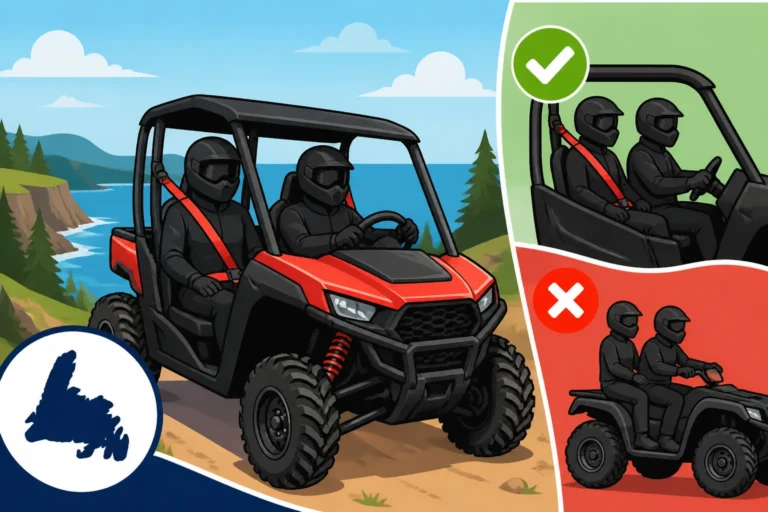
- Safety Equipment: Helmets are mandatory for all riders and passengers. Ensure your helmet meets approved standards (e.g., CSA, DOT, ECE) and that the chin strap is fastened. Check your machine's lighting – headlamps and tail lamps are crucial, especially if you're riding near dawn or dusk, or in adverse weather. Investing in quality lighting upgrades from a reputable supplier like SuperATV can significantly improve your visibility and compliance, especially if you frequently ride in challenging conditions. SuperATV offers a range of durable, high-performance lighting options that can easily meet or exceed regulatory requirements, adding an extra layer of safety and ensuring you're not caught off guard by an equipment check.
- Age and Supervision: If there are young riders in your group, be fully aware of the age restrictions and supervision requirements outlined in the Act.
- Area Restrictions and Bylaws: Always know where you're allowed to ride. Some areas, like national parks or certain municipal roads, have strict prohibitions or specific rules. Check local bylaws before heading out.
By regularly checking these points and ensuring your machine and riding practices are up to par, you significantly reduce your risk of receiving a citation. A little bit of diligence before each ride can save you from a lot of stress, fines ([Newfoundland Fines Riders Ask About]), and the potential consequences of "Fourteen Days in Default."
Comparing Default Periods and Consequences
To help clarify the various default periods and their potential escalations, here’s a simplified table outlining some common scenarios related to ORV regulations in Newfoundland:
| Situation Leading to Default | Initial Action/Requirement | Initial Default Period (Example) | Common Consequence of Initial Default | Secondary Default Period (Example) | Consequence of Secondary Default (e.g., 14 Days) |
|---|---|---|---|---|---|
| Unpaid Fine/Ticket | Pay fine or request court date | 30 days from ticket issue | Fine becomes due, potential late fees | 14 days after initial due date | Driver's licence suspension, referral to collections, increased fines. |
| Failure to Produce Proof of Insurance | Provide proof to Motor Registration/Police | 2 business days | Original 'no insurance' ticket stands, potential for further fines. | If ticket not paid within initial due date. | As above: licence suspension, collections. |
| Seized Machine | Apply for release, pay early release fees | Variable (e.g., few days) | Machine remains impounded, storage fees accrue. | 14 days (or longer depending on circumstances) | Heavier storage fees, potential forfeiture/sale of machine. |
| Failure to Notify of Ownership Change | Notify Motor Registration of sale/purchase | 10 days post-transaction | Potential fines for non-compliance, owner still liable. | If not corrected within follow-up period. | Further administrative action, potential court summons. |
Disclaimer
This article is for general informational purposes only and does not constitute professional advice. Laws, prices and regulations vary by location and change over time. Consult a qualified professional for guidance on your specific situation.