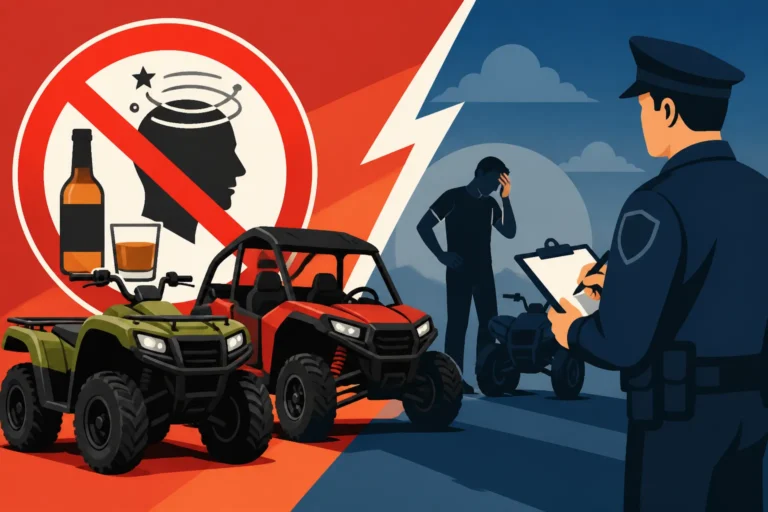
Why a Repeat Offence Can Reach $2,500
We've all been there: a fantastic day out on the quad, enjoying the incredible landscapes Newfoundland offers, only to run into an unexpected snag with a peace officer. It's frustrating enough to face a penalty for a first-time mistake, but what many riders don't realize is just how quickly those fines can escalate for repeat offenses under the province's Off-Road Vehicles Act. This guide is here to shed light on why a second or third slip-up can hit your wallet for $2,500 or more, helping you understand the stakes and how to avoid them.
Understanding Newfoundland's Off-Road Vehicle Penalties
Riding off-road vehicles (ORVs) in Newfoundland is a cherished pastime for many, but it comes with a strict set of rules designed for safety and environmental protection. These rules aren't just suggestions; they carry real consequences, and the province isn't shy about enforcing them. When you get pulled over, whether it's for an unregistered machine, improper helmet use, or riding where you shouldn't be, the initial fine is often just the beginning of a potential financial headache if you're not careful.
The penalties are laid out in detail within the provincial legislation, which underwent significant updates in recent years. It's a comprehensive framework that aims to ensure responsible riding, and that includes discouraging riders from repeatedly breaking the rules. Ignorance of the law, unfortunately, is rarely accepted as an excuse, and officers are equipped to issue citations based on these regulations.
Even if you're a seasoned rider, a quick refresher on the gravity of these penalties can be a stark reminder to always ride by the book. It's not just about avoiding a ticket; it's about preserving access to our beautiful trails and ensuring everyone's safety.
The Initial Shock: First Offence Fines
When you receive your first ticket for an ORV infraction in Newfoundland, it can feel like a punch to the gut. These aren't minor slaps on the wrist; even initial fines can be substantial. For instance, operating an unregistered ATV can net you a significant charge, and failing to wear an approved helmet is another costly oversight. These baseline penalties are designed to be a strong deterrent, serving as a clear warning that the province takes ORV safety and compliance seriously.
Imagine you're out for a ride, and you've forgotten to bring your registration papers along, or perhaps your machine's registration has lapsed due to an oversight. An officer can issue a fine on the spot. Or, maybe you've been riding without eye protection because it was a clear, sunny day and you thought it wouldn't matter. While the sun feels great, the law requires proper eye protection, and that's another ticket waiting to happen. It's easy to dismiss these things as minor, but each infraction carries a specific fine that will certainly make you think twice about future shortcuts.
These first-offence fines often range from a few hundred dollars, which is still a considerable amount for most people. They are meant to educate and deter, but if the message isn't heeded, that's when things get much more expensive, very quickly.
What Constitutes a 'Repeat Offence' in the Eyes of the Law
So, what exactly does the province consider a "repeat offense"? It's not just about getting caught for the exact same infraction twice in a row. The Off-Road Vehicles Act broadly defines a repeat offense as any subsequent conviction for any violation under the Act, following a previous conviction within a specific timeframe. This means if you get a ticket for no helmet today, and then three months later you're caught riding on a prohibited road, that second offense could very well be treated as a "repeat" offense, triggering the higher fine structure.
The law isn't looking for exact replicas of past mistakes; it's looking for a pattern of non-compliance with the overall spirit of the regulations. This tracking is handled through the provincial court system, where your past convictions are recorded. When an officer issues a new ticket, that information is then available, leading to the application of the escalating penalty schedule. It's a way for the province to say, "We gave you a warning, now we mean business."
This system underscores the importance of not just fixing the specific issue that led to your first ticket, but also taking a comprehensive look at your riding habits and ensuring you're compliant across the board. The consequences for multiple infractions are designed to be a powerful incentive for consistent, lawful riding.
The Legal Framework: The Off-Road Vehicles Act
The entire system of ORV regulation, including these escalating penalties, stems from Newfoundland's Off-Road Vehicles Act. This piece of legislation dictates everything from how you register your machine to where you can ride it, and of course, the consequences for breaking those rules. It's a robust and dynamic act, having been updated in recent years to address modern riding concerns and machine types. In fact, [A Statute in Force Since May 2022] replaced older legislation to bring our provincial rules up to date.
This Act isn't just about fines; it covers safety standards, equipment requirements, age restrictions for riders, and even environmental considerations. It's the blueprint that peace officers use to enforce the rules on the trails, roads, and barrens. Understanding the Act is crucial because it empowers you to ride legally and avoid potential legal entanglements. It’s important to remember that these aren't arbitrary rules; they exist to protect riders, other users of shared spaces, and the delicate ecosystems we all enjoy exploring.
While we often focus on the immediate impact of a ticket, the Act itself provides the foundation for those penalties, clarifying what is considered an offense and how seriously it will be treated. It’s always a good idea to familiarize yourself with its provisions, particularly if you’re a regular rider or new to the province.
The Escalation: Why Repeat Fines Climb to $2,500 and Beyond
Here's where things get really serious for repeat offenders. The provincial government has a clear message: continuous disregard for ORV laws will result in increasingly harsh financial penalties. That initial fine, while painful, is often just a fraction of what a second or third conviction could cost you. This escalation isn't just about punishment; it's a strong deterrent meant to curb dangerous or unlawful riding habits.
It's not uncommon for the fine amounts to literally double, or even more, for a subsequent offense compared to the first. This drastic increase is designed to hit home and force a change in behavior. For example, an infraction that might cost a few hundred dollars the first time could easily jump into the thousands on a second or third conviction. This is a deliberate strategy to ensure compliance, especially when it comes to rules that impact public safety or environmental preservation.
The $2,500 figure isn't just a random number; it represents a serious upper limit for many common repeat offenses, sometimes even without factoring in court costs or additional penalties that can be levied. It’s a stark reminder that staying on the right side of the law is not just good practice, but also sound financial planning.
The Financial Hammer: How Fines Multiply
Let's talk numbers, because that's usually what gets our attention. When you commit a repeat offense under Newfoundland's Off-Road Vehicles Act, the financial penalty can jump significantly. For a first offense, you might be looking at a fine in the range of $100 to $1,500, depending on the severity of the infraction. This is already a hefty sum for many people, especially for something that might have felt like a minor oversight.
However, if you're convicted of a second offense, that range often escalates to $1,500 to $2,500. This isn't a small jump; it's a dramatic increase that reflects the province's intolerance for habitual rule-breaking. For a third or subsequent offense, the fines can climb even higher, sometimes maxing out at $2,500, and potentially even more with additional surcharges and court costs. Imagine being caught riding without registration, getting a $300 fine, and then six months later, getting caught again for the same thing (or another ORV infraction), and suddenly you're facing a $1,500 ticket. That's a huge difference.
Here’s a simplified example of how some common fines can escalate:
| Offense Type (Example) | First Offence (Approximate Range) | Second Offence (Approximate Range) |
|---|---|---|
| No Registration | $100 – $500 | $500 – $1,500 |
| No Approved Helmet | $100 – $500 | $500 – $1,500 |
| Illegal Road Use | $200 – $750 | $750 – $2,500 |
| Unapproved Exhaust/Noise | $250 – $750 | $750 – $2,500 |
Note: These are illustrative ranges. Actual fines can vary and are subject to specific regulations and judicial discretion. Always check current provincial guidelines.
This table really drives home the point: avoiding repeat offenses is not just good citizenship, it's a massive financial saving. It's designed to make you think twice, and then a third time, before you take any chances with the rules.
Beyond the Fine: Other Consequences of Repeat Offences
While the steep financial penalties are certainly a major deterrent, repeat ORV offenses in Newfoundland can lead to consequences far beyond just a hefty ticket. The province has additional enforcement tools at its disposal that can have an even more significant impact on your life and your ability to enjoy your machine. One of the most severe is [Newfoundland Machine Seizure Rules]. If you're a repeat offender, especially for serious infractions like impaired riding or operating an unregistered machine, peace officers have the authority to seize and impound your ORV.
The costs associated with machine seizure are substantial. You'll be on the hook for towing fees, daily storage fees, and an administrative release fee to even get your machine back. These charges can quickly add up to hundreds, if not thousands, of dollars, on top of any fines. In some cases, if the fees aren't paid, the machine can even be sold off. Furthermore, more serious or numerous repeat offenses can lead to driver's licence suspensions, even if the infraction wasn't committed on a highway vehicle. And if you're caught riding while impaired, [Newfoundland Impaired Riding Penalties] can lead to jail time, making the financial penalty seem minor in comparison.
It's a stark reminder that the province isn't just interested in collecting fines; it's committed to fostering a culture of responsible ORV use. The consequences for repeat offenses are designed to be severe enough to make any rider reconsider their actions and ensure they're fully compliant with all aspects of the Act.
Preventing Escalation: Knowing the Rules
The absolute best way to avoid the crushing weight of escalating fines and severe penalties is remarkably simple: know and follow the rules. This isn't about memorizing every single line of the Off-Road Vehicles Act, but rather understanding the core principles and regulations that govern ORV use in Newfoundland. It means taking the time to educate yourself on where you can and cannot ride, what equipment is required, and what documentation you need to carry.
One of the biggest areas where riders run into trouble, leading to potential repeat offenses, is around road use. Understanding rules like [Newfoundland's 1-Kilometre Shoulder Rule] or the specific conditions for crossing a highway are absolutely critical. Many violations stem from honest mistakes about these specific regulations, and a little bit of upfront research can save you a world of trouble. Think of it as an investment in your riding freedom.
Beyond the letter of the law, it's also about adopting a mindset of responsible riding. This includes performing regular checks on your machine, ensuring all your paperwork is up to date, and always choosing safety over convenience. Being prepared and informed not only keeps you out of trouble but also contributes to a safer and more enjoyable environment for all ORV enthusiasts in the province.
Common Offences That Lead to Repeat Penalties on Newfoundland Roads
It’s often the same types of infractions that lead riders into trouble repeatedly, particularly when venturing onto or near public roads. The temptation to take a shortcut, or the simple misunderstanding of specific regulations, can quickly turn into a pattern of non-compliance. These aren't always malicious acts; sometimes, they're just a lapse in judgment or a moment of forgetting a crucial detail. However, the law makes no distinction, and persistent infractions in these areas are precisely what triggers the escalating fines.
Understanding these common pitfalls is your first step in avoiding them. Many riders, especially those who primarily use their machines off-road, might not be fully aware of the stringent requirements for even brief interactions with public roadways. This is where most of the friction with enforcement typically occurs, and where the risk of accumulating repeat offenses becomes highest.
Let’s dive into some of the most frequent types of violations that often lead to those much higher, repeat offense penalties. Being aware of these specific areas can help you stay vigilant and keep your riding experience enjoyable and penalty-free.
Illegal Road Use and Highway Crossings
This is perhaps the biggest area of contention and where many riders find themselves on the wrong side of the law, often repeatedly. In Newfoundland, ORVs are generally not permitted on public roads and highways, with very specific exceptions. Ignorance of these exceptions, or pushing the limits, is a common path to tickets. For instance, [Newfoundland's 1-Kilometre Shoulder Rule] allows you to ride on the shoulder of a highway for a maximum of one kilometre to get from one trail to another, but only if no alternative exists and under strict speed limits. Many riders exceed this distance or speed, leading to fines.
Similarly, crossing a highway is only permitted under very strict conditions, including ensuring [Crossing a Newfoundland Highway Needs 150 Metres of Visibility] in both directions. You can't just zip across wherever and whenever it's convenient. These rules are in place for the safety of both ORV operators and highway traffic, and officers are especially diligent in enforcing them. Repeated violations in this category often stem from riders using roads as informal links between trails without fully understanding, or choosing to ignore, the very narrow legal parameters.
The temptation to quickly cross a road or ride a short distance on the pavement can be strong, but the risk of a repeat offense fine, which could climb to $2,500, should be a powerful deterrent. Always err on the side of caution and prioritize finding legal routes, even if they take a bit longer.
Equipment and Safety Violations
Another common area for repeat offenses involves equipment and safety gear. These rules are fundamental to rider safety, and as such, are strictly enforced. The most common violation is the [Newfoundland Helmet Law for Every Rider]. While most riders understand the need for a helmet, sometimes it's an unapproved helmet, or one with an unfastened strap, that leads to a ticket. Similarly, proper lighting is crucial, especially for riding after dark or in low visibility conditions. [Newfoundland Head and Tail Lamp Rules] clearly outline the requirements for visibility, and inadequate or non-functioning lights will definitely catch an officer's eye.
Beyond helmets and lights, other equipment infractions include unapproved exhaust systems that exceed noise limits, or operating a machine with improper tires. The province updated its rules to allow tire chains, for example, but other modifications might still be illegal. It’s easy to think a loud exhaust makes your ride sound tougher, but it also makes you a target for enforcement. Many riders get their first ticket for an equipment issue, fix it, then neglect another piece of equipment or revert to old habits, unknowingly setting themselves up for a repeat offense with a much higher fine.
Ensuring your machine is always properly equipped and maintained, and that you and your passengers are wearing all required safety gear, is non-negotiable. It’s not just about avoiding a fine; it's about protecting yourself and others. Regularly checking your lights, brakes, and ensuring your muffler meets standards is a small effort for significant peace of mind.
Registration and Paperwork Issues
Even if you're riding safely and have all the right gear, lacking proper registration or paperwork can still lead to significant penalties, and yes, escalating fines for repeat offenses. [Do You Need to Register an ATV in Newfoundland?] Absolutely, yes, for nearly all ORVs operated off private property. This isn't a one-time thing either; while Newfoundland registrations [Newfoundland Registrations Never Expire] as long as you own the machine, you still need to ensure your ownership is properly transferred and that you carry proof of registration with you whenever you ride.
Common issues include riding an unregistered machine, failing to properly transfer ownership after a purchase (meaning the machine is still registered to the previous owner), or simply not having your registration permit and proof of insurance accessible while riding. [Newfoundland Registration Paperwork Explained] clarifies all the documents you need. It's an easy oversight to leave your papers in the truck or at home, but an officer can still issue a ticket for not having them on your person or easily accessible on the machine.
The province tracks these registrations carefully, and an unregistered machine is a red flag. If you've been ticketed for this once, and then you're caught again with an unregistered machine, or one with improper ownership documentation, you can expect the penalties to jump dramatically. Keeping your machine registered, and carrying all your necessary documents, is a simple administrative task that can save you thousands in potential repeat fines.
Protecting Yourself and Your Machine: Best Practices for Riders
Nobody wants to face mounting fines or have their machine seized. The good news is that avoiding these escalating penalties for repeat offenses is entirely within your control. It boils down to a combination of knowledge, vigilance, and a commitment to responsible riding. Think of it as investing in your passion – by doing a little bit of homework and staying on top of things, you ensure that your adventures stay fun and stress-free, rather than turning into expensive legal headaches.
It's about more than just dodging tickets; it's about being a respectful and safe member of the riding community, preserving access to our incredible natural spaces, and protecting your own investment. Let’s look at some key practices that will not only keep you compliant but also enhance your overall riding experience in Newfoundland.
These proactive steps can make a huge difference, transforming potential problems into smooth sailing on the trails and roads less traveled.
Education and Training: Your First Line of Defence
The single most effective way to prevent repeat offenses and stay safe is through education and training. [Newfoundland Safety Training Is Mandatory] for many riders, especially those under 16, and it's highly recommended for everyone else. These courses don't just teach you how to operate your machine; they immerse you in the provincial laws, responsible riding techniques, and essential safety practices. Understanding the "why" behind the rules can make them much easier to remember and follow.
Think of it this way: a one-time investment in a safety course could save you thousands in potential fines down the road. It provides you with a foundational understanding of the Off-Road Vehicles Act, clarifies confusing regulations like road crossing rules, and instills good habits. Many experienced riders who think they know it all are often surprised by new information or clarifications they gain from formal training. It's not just for beginners; it's a continuous learning opportunity.
Even if you've been riding for years, taking a refresher course or reviewing the provincial guidelines periodically is a smart move. Laws change, and practices evolve. Staying informed ensures you're always operating within the current legal framework, significantly reducing your risk of an initial, let alone a repeat, offense.
Regular Maintenance and Pre-Ride Checks
A significant number of tickets, both first-time and repeat, can be attributed to equipment failures or non-compliance. This makes regular maintenance and diligent pre-ride checks an absolutely critical practice for any ORV owner. It's not just about keeping your machine running smoothly; it's about ensuring it meets all the legal requirements for safe operation.
Before every ride, take a few minutes to walk around your machine. Check your tires for proper inflation and condition. Test your lights – headlamps, tail lamps, and brake lights – to ensure they're all functioning correctly. Verify your muffler is secure and hasn't been modified to be excessively loud. Ensure your brakes are working as they should. These simple checks can prevent roadside surprises and potential tickets for defective equipment. Brands like SuperATV offer a huge range of aftermarket parts that can enhance durability and performance, but even with premium components, regular inspection is key. Making sure crucial components like your lights, suspension, and driveline are in top shape, perhaps by using robust aftermarket options, can save you from an equipment violation that might just be your repeat offense.
Investing in quality replacement parts and performing routine maintenance not only extends the life of your ORV but also significantly reduces the chances of receiving a fine for equipment issues. A well-maintained machine is a compliant machine, and a compliant machine keeps you out of the crosshairs of repeat offense penalties.
Stay Informed on Local Bylaws and Updates
While the provincial Off-Road Vehicles Act provides the overarching framework, it's crucial to remember that municipalities in Newfoundland can also enact their own bylaws governing ORV use within their boundaries. [Newfoundland Municipal Road Bylaws] can differ significantly from town to town, meaning what's permissible in one community might be strictly prohibited just a few kilometres down the road. This patchwork of rules can be confusing, and it's a common trap for repeat offenders who assume provincial rules are the only ones that apply.
Before heading out to ride in a new area, or even in your local community, take a few moments to check for any specific municipal bylaws. A quick call to the town office or a visit to their website can often clarify local regulations regarding road access, speed limits on shared paths, or restricted riding areas. This is especially important if you're planning to use any town roads or trails, even for brief periods.
Laws and regulations are also subject to change. What was legal last year might not be legal today. Staying current with provincial updates to the Off-Road Vehicles Act, as well as any changes in municipal bylaws, is an ongoing responsibility for every rider. Subscribing to provincial ORV newsletters, following local riding groups, or simply checking official government websites periodically can help you stay informed and prevent unintentional repeat offenses.
Disclaimer
This article is for general informational purposes only and does not constitute professional advice. Laws, prices and regulations vary by location and change over time. Consult a qualified professional for guidance on your specific situation.