What It Costs to Transfer Ownership of a Quad
Buying or selling a quad in Newfoundland and Labrador often brings a mix of excitement and a little bit of dread when it comes to the official paperwork. We all know that moment of wondering what hidden fees might crop up when you’re trying to do the right thing and transfer ownership. This guide is here to untangle the costs associated with transferring ownership of an off-road vehicle (ORV) in our beautiful province, making sure you know what to expect and how to budget for a smooth transaction.
The Core Transfer Fee for Quads in Newfoundland
Let's face it, nobody wants to be surprised by an unexpected fee at the Motor Registration counter. When it comes to transferring the ownership of an ATV or UTV in Newfoundland and Labrador, there's a straightforward core fee you'll typically encounter, but also some important exceptions that can either save you money or add to the bill. Understanding these upfront can save you a lot of grief.
Standard Transfer Costs and What They Cover
For most standard transfers of ownership from one private individual to another, there is a set fee that you'll pay at Motor Registration. This isn't a massive amount, but it’s an essential part of making the transfer official in the provincial registry. Think of it as the administrative cost for updating the provincial records, removing the previous owner from the machine's history, and issuing a new registration permit in your name. This fee ensures that the provincial government knows who is legally responsible for the machine, which is crucial for everything from enforcement of the Off-Road Vehicles Act to tracking stolen vehicles. It’s a one-time fee per transfer, meaning you don't pay it annually; you only pay it when the ownership changes hands. This process is part of the broader [Newfoundland Transfer of Ownership Explained], ensuring clarity for both buyer and seller.
The fee you pay covers the administrative processing and the issuance of your new ORV Registration Permit. This permit is an incredibly important document, essentially your proof of ownership and registration with the province. Without it, you can't legally operate your quad on trails or public lands in Newfoundland and Labrador, and you certainly can't prove it's yours if questions arise. It’s a key step in upholding the integrity of the provincial ORV registry, and while no one loves paying fees, this one serves a critical purpose in maintaining order and safety on our trails.
Special Circumstances: Seniors and Estates
Now, here's where things get interesting, and sometimes, a little lighter on the wallet. Newfoundland and Labrador recognizes that not all transfers are created equal, particularly when it comes to our senior community or difficult situations like the passing of an owner.
For seniors, there's a pleasant surprise. If you are a senior citizen transferring ownership of an ATV, you may qualify for a reduced transfer fee. This is a thoughtful way to acknowledge the contributions of our older residents and perhaps make it a little easier for them to enjoy our province's amazing outdoor opportunities. The amount seniors pay is notably less than the standard transfer fee for others. It’s a definite benefit for many riders in the province, and it's always worth checking if you qualify. You can read more about this specific saving in [Newfoundland Transfers Cost $16 for Seniors]. This reduction is just one of the ways the province tries to make ORV ownership accessible and manageable for all.
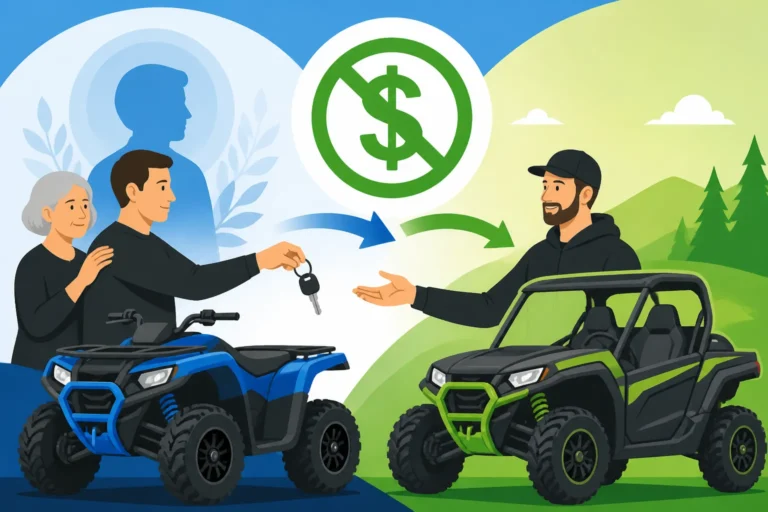
In a much more somber circumstance, when an off-road vehicle is transferred due to the death of the owner, the province waives the transfer fee entirely. This compassionate approach means that during a time of loss, families don't have to worry about additional administrative costs to properly transfer the machine to the legal heir or estate. Dealing with an estate can be complex and emotionally draining, and eliminating this one small financial burden is a thoughtful gesture. This exemption highlights the province's understanding of the unique challenges faced by families during such times. You’ll find that [Newfoundland Transfers on Death Cost Nothing], reflecting this policy, which can be a small relief during a difficult period. While the emotional cost is immeasurable, at least the financial cost of this particular step is zero.
Other Potential Registry Costs
While not direct transfer fees, there are other costs that might crop up at Motor Registration during or around the time of a transfer, especially if the previous owner wasn't as diligent with their paperwork. For example, if the previous owner lost their original registration permit and didn't get a duplicate, the buyer might need to navigate this missing document, which could involve additional steps or even the seller paying for a [Newfoundland Duplicate Registrations at $25] if they want to provide a clean transaction. Similarly, if the identification plate (your quad's "license plate") is lost or damaged, obtaining a [Newfoundland Replacement Plates at $30] would be an additional expense, though typically the responsibility of the owner whose plate it is. These aren't costs of the transfer itself, but they can become necessary precursors to a smooth transfer, especially if you're buying a used machine from a private seller who hasn't kept everything perfectly in order. Always make sure to ask for the original permit and check the condition of the plate before finalizing your purchase!
Beyond the Transfer Fee: Taxes and Hidden Costs to Consider
When you’re budgeting for a new-to-you quad, it’s easy to focus solely on the purchase price and the immediate transfer fee. However, savvy buyers and sellers in Newfoundland and Labrador know that there are other financial considerations that can significantly impact the overall cost of acquiring or divesting an ORV. These can sometimes feel like "hidden" costs, but with a bit of foresight, they don't have to be a surprise.
Understanding HST on ATV Purchases
One of the biggest financial considerations beyond the transfer fee is the Harmonized Sales Tax (HST). How and when you pay HST on an ATV purchase can vary quite a bit, leading to confusion if you're not prepared.
If you're buying a brand new quad from a dealer, it's pretty straightforward: the HST will be added to the purchase price right at the dealership. They'll handle the collection and remittance of the tax, and you'll see it clearly itemized on your bill of sale. This is the simplest scenario, as the tax is baked into the transaction from the start.
However, things get a little more nuanced when you buy a used machine from a private seller. Many people assume that private sales are exempt from sales tax, but in Newfoundland and Labrador, that's generally not the case for off-road vehicles. When you transfer ownership of a used quad from a private individual, you, as the buyer, are typically responsible for paying the HST (or a provincial sales tax equivalent) on the agreed-upon purchase price directly to Motor Registration when you register the machine in your name. This is often based on the declared sale price or the assessed value of the machine, whichever is higher. So, while you might not see HST on the private seller's bill of sale, it's a very real cost you'll encounter at the registry. Being aware of this is crucial to avoid sticker shock when you're there to finalize the transfer. For a deeper dive into this, check out [Newfoundland HST on an ATV Purchase] and [Newfoundland Tax on a Private ATV Sale]. Understanding these nuances ensures you budget correctly and don't get caught off guard.
The Cost of Missing or Imperfect Paperwork
Ah, paperwork. It's often the bane of our existence, but when it comes to transferring an ORV, having the right documents is paramount. The "cost" here isn't always a direct dollar figure, but rather the cost of time, hassle, and potential delays if your paperwork isn't in order.
The most critical document for any transfer is a properly filled-out bill of sale. This legally binding document outlines the terms of the sale, including the purchase price, the date, and the details of both the buyer and seller, as well as the machine's VIN (Vehicle Identification Number). Without a clear, comprehensive bill of sale, Motor Registration might hesitate to process your transfer. You don't want to get to the counter only to be told your form is incomplete or insufficient. Websites like LawDepot offer excellent templates for bills of sale that can help ensure you cover all your bases, providing peace of mind and avoiding unnecessary trips back and forth.
What happens if there's no bill of sale at all, or if the chain of ownership is broken (meaning the seller doesn't have the registration permit from the person they bought it from)? This is where things can get complicated. You might be required to provide a sworn affidavit, attesting to how you acquired the machine, and potentially an indemnity form, which protects the provincial government if any future ownership disputes arise. While these forms don't have a direct cost from Motor Registration, the effort of getting them properly executed (which may involve finding a notary or commissioner of oaths, possibly for a small fee) adds to the burden. These situations are particularly relevant if you're dealing with [Newfoundland Machines With No Paperwork] or attempting [Newfoundland Registration Without a Bill of Sale]. It's a prime example of how inadequate preparation can turn a simple task into a frustrating ordeal. Always prioritize getting a clear, complete bill of sale; it's the foundation of a smooth transfer.
Another crucial check before finalizing a purchase is to ensure there are no liens against the machine. A lien means someone else (like a bank or credit union) has a financial claim on the quad. If you buy a machine with a lien, that debt could become your responsibility. While not a direct transfer cost, checking for liens is a vital step to avoid significant financial problems down the road.
Unexpected Costs: Inspections and Repairs
While you won't pay for these at Motor Registration, it's realistic to factor in potential costs for inspections and necessary repairs, especially when buying a used quad. An off-road vehicle, by its very nature, is often put through its paces. Components can wear, parts can break, and sometimes, previous owners might not have been meticulous with maintenance.
Before you hand over your hard-earned cash, it's a wise investment to have a qualified mechanic or experienced ORV technician give the machine a thorough once-over. This pre-purchase inspection might cost a few dollars, but it can save you hundreds, if not thousands, in unexpected repair bills down the line. They can spot issues with the engine, transmission, suspension, brakes, and electrical system that an untrained eye might miss. Discovering a major problem before you buy gives you leverage to negotiate the price or, if the issues are too severe, to walk away from a bad deal.
Beyond an inspection, you might find that the machine needs new tires, brake pads, a battery, or even more significant repairs to ensure it's safe and reliable for the trails. These are costs you’ll incur after the purchase, but they are essential parts of getting your quad ready to ride. Factor these potential expenses into your overall budget for acquiring a new-to-you machine, especially if you're looking at older models. It's much better to anticipate these costs than to be surprised by them when you're itching to hit the trail.
Navigating the Transfer Process to Avoid Surprises
Once you've factored in all the potential costs, the next step is to actually get the transfer done. The process itself at Motor Registration in Newfoundland and Labrador is quite structured, and knowing what to expect and what to bring can prevent frustrating delays or multiple trips. Nobody enjoys spending more time at a government office than absolutely necessary!
Essential Documents and Information You'll Need
Preparing thoroughly for your visit to Motor Registration is key. The better prepared you are, the smoother and quicker the process will be. For a standard transfer of ownership, both the buyer and seller (or at least proof of the seller's identity and their properly signed documents) will need to present a few crucial pieces of paperwork.
Firstly, the most important item is the original ORV Registration Permit from the previous owner. This document proves that the seller is the legal owner and that the machine is currently registered with the province. If the seller doesn't have this, it immediately raises a red flag and suggests a need for a deeper dive into the ownership history, potentially requiring affidavits as mentioned earlier.
Next, you'll need a comprehensive Bill of Sale. This isn't just a scribble on a napkin; it needs to be a clear, dated document detailing the buyer's and seller's full names and contact information, the agreed-upon purchase price, and all the specifics of the quad, including its VIN, make, model, and year. As a reminder, utilizing a reputable template from a service like LawDepot can ensure all necessary fields are covered, making the document ironclad and acceptable to the registry. This will save you a lot of headaches, trust me.
Both the buyer and seller will also need valid government-issued identification. This helps verify identities and ensures that the legal transfer is indeed taking place between the correct parties. If the machine is brand new, the dealer will provide a New Vehicle Information Statement (NVIS) which acts as the initial proof of ownership before the first registration. For used machines, the NVIS usually isn't required unless it's a very specific circumstance. For a comprehensive list, consult [Newfoundland Registration Paperwork Explained]. Having all these documents in hand, organized and ready, makes a world of difference when you get to the counter.
The Registry Appointment and Payment
Gone are the days of just walking into Motor Registration and hoping for the best. Like many government services, it's now often necessary to book an appointment in advance. This system helps manage wait times and ensures that staff are available to assist you. Don't just show up; always call ahead or use their online booking system to schedule your visit. Showing up without an appointment could mean a long wait or, worse, being turned away, forcing you to reschedule and make another trip. Getting an appointment is your first step in [Newfoundland Registration by Appointment].
When it comes to payment, Motor Registration typically accepts various methods, including debit cards, credit cards, and sometimes cash or cheques. It's always a good idea to confirm their accepted payment methods when you book your appointment or check their website, just to avoid any last-minute surprises. Having your payment ready for the transfer fee and any applicable sales tax will ensure there are no hiccups once your paperwork is approved.
Here's a quick comparison of typical transfer scenarios:
| Scenario | Typical Fee Structure | Additional Considerations |
|---|---|---|
| Standard Transfer | Base transfer fee + HST on purchase | Requires valid Bill of Sale, previous permit, ID. |
| Senior Transfer | Reduced transfer fee + HST on purchase | Must meet age requirements for senior discount. |
| Transfer on Death | No transfer fee + No HST | Requires death certificate, probate/will, legal documents. |
| Missing Bill of Sale | Base transfer fee + HST on purchase | May require affidavit and indemnity form (time/hassle). |
| Lost Plate/Permit (Seller) | Cost for replacement plates/permits | Usually handled by seller before transfer. |
The Buyer's and Seller's Responsibilities
Both the buyer and seller have clear responsibilities to ensure the transfer of ownership is legally sound and complete. Neglecting these can lead to complications for either party down the road.
For the Seller:
Your primary responsibility is to provide the buyer with all the necessary paperwork: the original ORV Registration Permit (signed over to the buyer in the designated area), and a properly completed Bill of Sale. It's also critical that you notify Motor Registration that you have sold the machine. This is usually done within a specific timeframe, often [Ten Days After a Sale], to ensure you're no longer legally associated with the machine. Failing to do so could mean you're still on record as the owner, which could lead to you being held responsible for tickets, accidents, or other issues related to the machine even after you've sold it. While it might seem like a hassle, it protects you completely.
For the Buyer:
Your main responsibility is to get the machine registered in your name promptly. In Newfoundland and Labrador, you typically have [Ten Days to Tell the Registry] after the date of sale to transfer the ownership and officially register the quad. This is not just a suggestion; it's a legal requirement. During this time, you must take all the documents provided by the seller, along with your own identification and payment for the transfer fee and applicable taxes, to Motor Registration. If you don't transfer the ownership within this timeframe, you could face penalties or issues if you're stopped by enforcement officers while operating the machine. Getting this done quickly also ensures that any future issues with the machine are clearly linked to you as the legal owner, not the previous one. Following these clear [Newfoundland Transfer of Ownership Steps] ensures a clean, legal transition.
Ultimately, a smooth transfer of ownership is beneficial for everyone involved. It eliminates legal ambiguities, ensures proper provincial record-keeping, and allows the new owner to enjoy their quad with full peace of mind. While there are costs involved beyond the initial purchase price, being informed and prepared can make the entire process much less stressful and more enjoyable. Happy trails!
Disclaimer
This article is for general informational purposes only and does not constitute professional advice. Laws, prices and regulations vary by location and change over time. Consult a qualified professional for guidance on your specific situation.