Selling a Registered Machine in Newfoundland
Selling an ATV or UTV in Newfoundland can feel like navigating a bog without a trail map, especially when you want to make sure you're doing everything by the book. It’s not just about shaking hands and taking cash; there’s a crucial paper trail you need to manage to protect yourself and ensure the new owner can register their machine without a hitch. This guide will walk you through every step of selling a registered off-road vehicle in Newfoundland, from the initial handshake to the final notification to Motor Registration.
Understanding Your Obligations as a Seller
When you decide it’s time to part ways with your beloved quad or side-by-side, your responsibilities as a seller extend beyond just finding a buyer. In Newfoundland, there are specific steps and notifications required to properly transfer ownership. Skipping these steps can lead to headaches down the road, potentially leaving you on the hook for tickets, fees, or even legal issues related to a machine you no longer own. It’s about more than just common courtesy; it’s about legal compliance.
The Importance of a Clean Bill of Sale
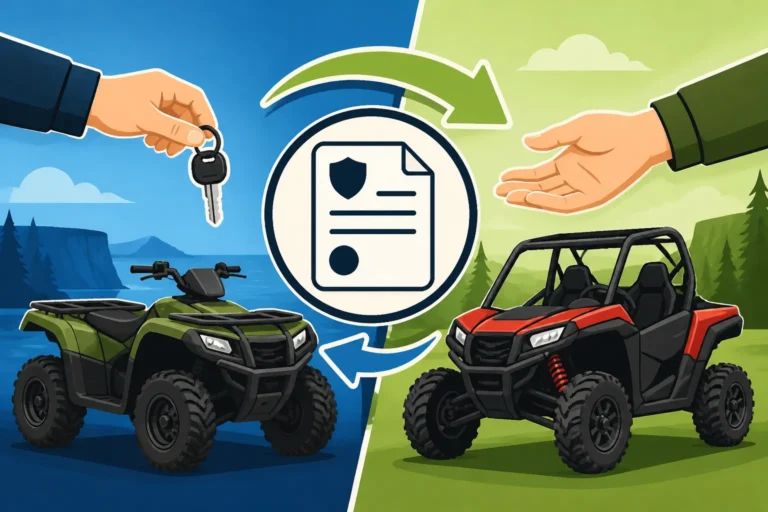
A bill of sale isn't just a receipt; it's the legal document that formally transfers ownership from you to the buyer. Think of it as the foundation of the entire transaction. A "clean" bill of sale means it's complete, accurate, and leaves no room for ambiguity. It should clearly identify both the buyer and seller, including full names, addresses, and contact information. Crucially, it needs to detail the machine itself: make, model, year, and, most importantly, the Vehicle Identification Number (VIN). Without the correct VIN, the buyer will face significant hurdles trying to register the machine in their name.
It's also wise to include the sale price, the date of the transaction, and a statement that the machine is sold "as is, where is" if that's your agreement, which is common in private sales. Both parties should sign and date it, and it’s always a good idea to have two copies, one for you and one for the buyer. Many people find it incredibly helpful to use a standardized template for this. Services like LawDepot offer easy-to-use templates for bills of sale, ensuring you don't miss any critical details that could cause problems later. This ensures all the necessary legal boilerplate is included, making the process smoother for everyone involved. A well-prepared [Newfoundland Bill of Sale From Each Owner] is your first line of defense and the buyer's key to successful registration.
Notifying the Registrar of Your Sale
This is perhaps one of the most overlooked, yet critical, steps in selling a machine. Once you’ve sold your off-road vehicle, you have a legal obligation to inform the Registrar of Motor Vehicles within a specific timeframe. In Newfoundland, you generally have [Ten Days to Tell the Registry] about the transfer of ownership. This notification removes your name from the machine's registration record, absolving you of future responsibility.
If you don't notify the Registrar, the machine technically remains registered in your name. This could mean that if the new owner commits an offence, incurs fines, or is involved in an accident, law enforcement might still contact you as the registered owner. Imagine getting a fine in the mail for an ATV speeding through Butter Pot Provincial Park when you sold that machine months ago! To avoid such frustrating scenarios, make sure to complete the notification process promptly. This usually involves filling out a specific form provided by Motor Registration, which declares the sale and provides the new owner's details.
Essential Paperwork for a Smooth Transfer
The proper transfer of an off-road vehicle in Newfoundland hinges on having the right documents in order. This isn’t just bureaucratic red tape; it's how the province ensures clear lines of ownership and accountability. Gathering these papers before you list your machine for sale will make the entire process much smoother for you and more appealing to potential buyers.
The Registered Permit and What It Means
When you registered your ATV or UTV, you received an official registration permit. This document serves as proof that the machine is legally registered in Newfoundland and includes vital details such as the VIN, make, model, and your name as the registered owner. Think of it as your machine's birth certificate and current ID card rolled into one. When you sell the machine, this permit, or at least the information contained within it, is absolutely crucial for the new owner.
The buyer will need this permit, or a copy of it, to prove the machine's legitimate history and to complete their own registration. It’s part of the [Newfoundland Registration Paperwork Explained] that simplifies the process for everyone. If the original permit has been lost or damaged over time, you’ll need to apply for a duplicate before the sale, or at least be prepared to provide the buyer with all the necessary details to facilitate their registration. Without it, the buyer might face delays or additional steps at the Motor Registration counter, which can be a real turn-off.
When a Sworn Affidavit or Indemnity Form Comes into Play
Sometimes, despite our best efforts, the original paperwork goes missing, or the ownership history isn't perfectly clear. This is where a sworn affidavit or an indemnity form can become indispensable. If you, as the seller, have lost the original registration permit, or if you acquired the machine years ago and the previous bill of sale has vanished, Motor Registration may require an affidavit. This is a sworn statement, usually made before a Commissioner of Oaths or a Notary Public, attesting to the facts of ownership and explaining why the original documents aren't available.
Similarly, an indemnity form might be required if there's any doubt about clear title. This form essentially protects the Registrar from liability should a dispute over ownership arise later. These situations are less common but can arise, especially with older machines or those passed down through families without formal transfers. While it might seem like extra hassle, having these forms ready, or at least knowing where to get them, can save a sale. Much like with bills of sale, resources like LawDepot can provide templates for [Newfoundland Sworn Affidavits and Indemnity Forms], making it easier to ensure these legally binding documents are correctly prepared. Understanding these options is key for navigating sales involving [Newfoundland Machines With No Paperwork].
HST and the Seller's Role
Ah, taxes! Even in a private sale between individuals, there are tax implications to consider. In Newfoundland, Harmonized Sales Tax (HST) is generally applied when an off-road vehicle is registered. While the buyer is typically responsible for paying the HST on the purchase price when they register the machine, the seller often plays a crucial role in documenting the sale price accurately.
When the buyer goes to register the machine, the Registrar will want to know the purchase price to calculate the HST. This is why a clear and accurate bill of sale is so important. If the sale price on the bill of sale seems unusually low compared to the machine's fair market value, the Registrar might assess tax based on an estimated value, not the stated price. As the seller, ensuring the bill of sale accurately reflects the actual transaction helps the buyer avoid unexpected tax assessments. Furthermore, for the buyer to successfully register, they will need your [Newfoundland Tax Registrant Details at Registration], typically your HST number if you're a business, or your social insurance number if you're a private seller, to fulfill provincial reporting requirements related to the sale.
Navigating the Transfer Process
Once you’ve found a buyer and all the preliminary discussions are done, it’s time for the actual transfer. This stage is where all your preparation pays off. A smooth transfer process not only ensures the buyer is happy but also solidifies your legal detachment from the machine, allowing you to move on with peace of mind.
What to Do Before You Hand Over the Keys
Before you physically hand over the keys and watch your machine disappear down the driveway, there are a few critical actions to take. First, make sure you've received full payment in a secure method, such as an e-transfer that has cleared, a certified cheque, or cash. Never release the machine based on a personal cheque or a promise to pay later. Second, gather all your essential documents: the original registration permit (or the replacement), the signed bill of sale, and any other relevant paperwork like service records or owner's manuals.
It's also a good practice to take a final photo of the machine, especially if it was spotless or had specific accessories, just for your own records. Remove your personal identification plate if it's one you intend to keep or if it's not a permanent part of the machine. Finally, review the bill of sale one last time with the buyer, ensuring they understand what they are signing and what documents they are receiving. For anyone transferring ownership, especially for a senior, understanding costs like [Newfoundland Transfers Cost $16 for Seniors] can be helpful in setting expectations for the buyer.
Guiding the Buyer Through Their Next Steps
While your primary responsibility as the seller ends once the transaction is complete and you've notified Motor Registration, offering the buyer a quick rundown of their next steps can prevent future headaches for both of you. A happy buyer who successfully registers their machine is less likely to have questions or problems that might eventually circle back to you. Advise them to head to a Motor Registration office as soon as possible, with all the documents you've provided.
They will need to present the bill of sale, the previous registration permit (or sufficient proof of ownership if missing), and pay the applicable transfer fee and HST. Emphasize the importance of the [Newfoundland Transfer of Ownership Steps] to avoid any delays in getting their own plate and registration. Remind them that until the machine is registered in their name, they cannot legally operate it on public trails or land where registration is required. Providing this simple guidance can foster goodwill and ensure a clean break for everyone. Knowing [What Happens to Your Registration When You Sell] is crucial for both parties.
Here's a quick summary of key documents and actions for sellers:
| Document/Action | Description | Importance | Deadline/Timing |
|---|---|---|---|
| Bill of Sale | Legal document detailing transaction, machine, buyer/seller info, sale price. | Essential proof of ownership transfer for buyer and seller protection. | Signed at the point of sale. |
| Registered Permit | Original registration document from previous owner. | Proves legitimate history; required for buyer's new registration. | Handed to buyer at sale. |
| Seller Notification | Informing Registrar of sale (via form or online service). | Removes your name from registration, absolves future responsibility. | Within [Ten Days to Tell the Registry] of sale. |
| Sworn Affidavit/Indemnity | Legal statements if original documents are lost or ownership is unclear. | May be required for buyer to register if standard papers are missing. | Prepared before sale, if necessary. |
| HST Payment Details | Seller's tax details (HST # or SIN) for buyer's HST calculation. | Ensures buyer can correctly pay HST and complete registration. | Provided on bill of sale or at time of sale. |
| Lien Check | Verifying no outstanding financial claims against the machine. | Protects buyer from hidden debts, ensures clear title. | Recommended before advertising or final sale. |
Disclaimer
This article is for general informational purposes only and does not constitute professional advice. Laws, prices and regulations vary by location and change over time. Consult a qualified professional for guidance on your specific situation.