Newfoundland Supervisors Must Be 18 and Licensed
Riding off-road vehicles like ATVs and UTVs in Newfoundland and Labrador is an incredible experience, but the thrill comes with serious responsibilities, especially when young riders are involved. Many parents and guardians feel a significant weight on their shoulders trying to navigate the rules to keep their kids safe and legal on the trails. This guide is here to untangle the complexities of supervising young riders, focusing on the essential requirements for adult supervisors to ensure everyone enjoys the ride safely and within the bounds of the law.
The Critical Role of a Supervisor in Newfoundland
It’s easy to think of off-road riding as pure fun, but for younger participants, it’s also a significant learning curve. The varied terrain of Newfoundland and Labrador, from the rugged barrens to dense woods and boggy areas, presents challenges that demand experience and quick judgment. That’s why the province has specific, non-negotiable rules about who can operate an ATV or UTV and, crucially, who needs to be watching over them. A supervisor isn't just a passenger; they're the guardian of safety, responsibility, and adherence to the law for any rider under their charge.
Why Supervision Isn't Just a Suggestion
The province’s Off-Road Vehicles Act lays out clear guidelines because the risks are real. An inexperienced rider, no matter how keen, might misjudge a trail condition, encounter unexpected wildlife, or simply react poorly in an emergency. Without a seasoned eye watching over them, these situations can quickly escalate from a minor mishap to a serious injury. Think about navigating a sharp turn on a rocky trail near Salmonier Line or encountering a sudden drop-off on the Avalon Wilderness Reserve – these aren't places for trial and error without guidance. The supervisor acts as a mentor, a safety net, and a living, breathing guide to the intricacies of off-road operation.
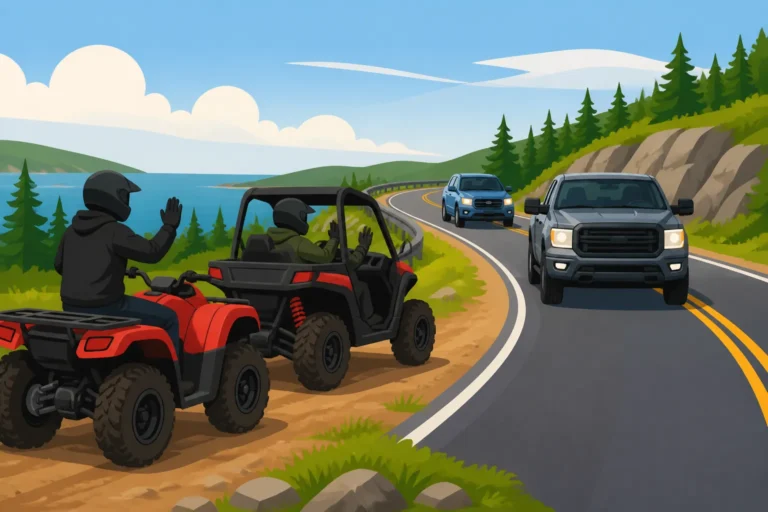
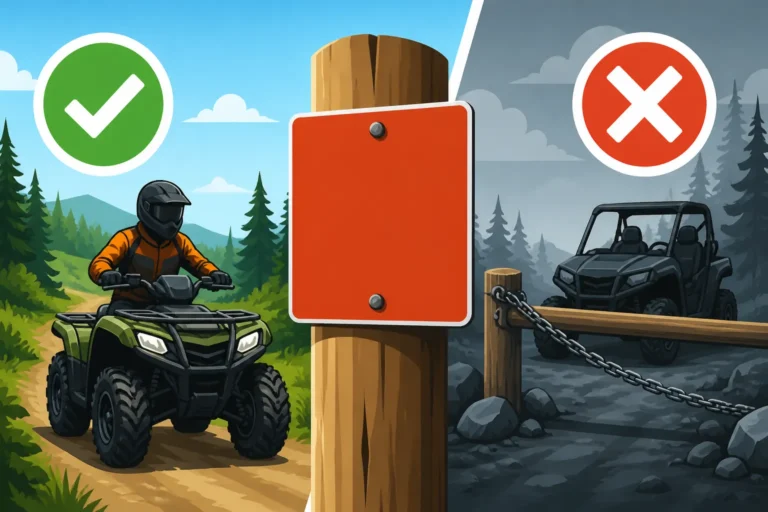
Beyond the immediate physical dangers, there’s also the aspect of instilling proper riding etiquette and respect for the environment. A good supervisor teaches a young rider how to share trails with hikers and snowmobilers, how to avoid damaging delicate ecosystems, and the importance of leaving no trace. They emphasize why you should always yield to highway traffic when crossing a road or the importance of staying on [Newfoundland Approved and Restricted Areas] to protect sensitive habitats. It’s about cultivating responsible riders for the future, not just preventing accidents today.
The Legal Framework for Young Riders
The province doesn't just suggest supervision; it mandates it. For anyone under the age of 16, riding an off-road vehicle isn't a solitary activity – it requires a qualified adult present and actively supervising. This isn't just a "good idea" or a "best practice" recommendation; it's explicitly written into the regulations to safeguard minors. The law recognizes that while a 12-year-old might have the physical ability to operate a machine, they often lack the judgment, experience, and understanding of potential hazards that an adult possesses. This legal requirement provides a crucial layer of protection, ensuring that an experienced individual is accountable for the younger rider's actions and safety.
The regulations also specify age and engine displacement limits for youth machines, acknowledging that not all vehicles are suitable for all young riders. For example, [Newfoundland Rules for a 12-Year-Old Rider] will differ significantly from those for a 15-year-old, not just in terms of machine size but also in the level of supervision expected. These rules are designed to gradually introduce young people to the sport, allowing them to build skills and confidence on appropriate equipment under the watchful eye of an experienced adult. It's a structured approach to fostering safe, competent riders, preventing them from being in situations beyond their capabilities.
Who Qualifies to Be a Supervisor?
The rules around who can act as a supervisor are very precise, and for good reason. It’s not just about being an adult; it’s about possessing the right credentials, experience, and a deep understanding of off-road safety and regulations. The phrase "18 and licensed" is critical, but there’s more to it than just that. This person is essentially taking on the legal and practical responsibility for a minor's well-being in a potentially hazardous environment. Therefore, the province sets a high bar for this role.
The "18 and Licensed" Mandate
First and foremost, a supervisor must be at least 18 years of age. This aligns with the legal age of majority, signifying an individual capable of making mature decisions and being held accountable. But age alone isn't enough. The supervisor must also hold a valid driver's license. This isn't necessarily an off-road vehicle license, but typically a Class 5 driver's license (for passenger vehicles) or higher. The rationale here is that a licensed driver has demonstrated a basic understanding of road safety, rules of the road, and has proven their capability to operate a motorized vehicle responsibly. This foundational driving experience is considered transferable to the off-road environment, particularly regarding judgment, awareness, and adherence to regulations.
However, having a valid driver's license for a car doesn't automatically make someone an expert on ATV or UTV operation. Ideally, a supervisor should also be an experienced off-road rider themselves, intimately familiar with the quirks of the machines and the challenges of the terrain. They should know how to handle situations like a flat tire deep in the woods or what to do if a machine gets stuck in a bog. While the law focuses on the age and driver's license, practical wisdom and genuine off-road experience are invaluable assets that go beyond the basic legal requirements. It's about being prepared for anything the Newfoundland wilderness can throw at you and your young charge.
Training Requirements for Supervisors
While the primary training focus in the regulations is often on the young rider (as [Newfoundland Safety Training Is Mandatory] for new registrants, including minors), an effective supervisor should also ideally have completed an approved off-road safety course. While not explicitly mandated for the supervisor in the same way it is for a minor, this training significantly enhances their ability to guide and instruct. These courses cover critical aspects like safe operating procedures, emergency maneuvers, environmental responsibility, and basic machine maintenance. A supervisor who has completed such a course is better equipped to teach proper riding techniques, identify potential hazards, and respond effectively in an emergency.
Consider a scenario where a young rider needs to navigate a steep incline or a technical rock garden. A supervisor who has undergone training themselves will know the correct body positioning, throttle control, and braking techniques to impart to the child. They can anticipate challenges and offer real-time coaching, making the learning process safer and more effective. Furthermore, understanding the provincial regulations, such as [Newfoundland Helmet Law for Every Rider] or the proper [Newfoundland Equipment Requirements], is paramount. A trained supervisor ensures not only their own compliance but also that of the minor under their watch, preventing potential fines and ensuring everyone's safety.
Responsibilities of a Qualified Supervisor
Being a supervisor is far more than just "being there." It's an active, engaged role that carries significant responsibilities, both moral and legal. From the moment you decide to take a young rider out on the trail, you are accountable for their safety, their understanding of the rules, and their adherence to ethical riding practices. This means a proactive approach before, during, and even after the ride.
Before the Wheels Turn: Pre-Ride Preparations
The supervisor’s duties begin long before the key even turns in the ignition. First, you must ensure that the young rider's machine is appropriate for their age and skill level. This means checking engine size limitations and confirming the machine is in excellent working order. Is it well-maintained? Are the brakes responsive? Are the tires properly inflated? Are all safety features, like kill switches, functional? You might even consider aftermarket safety enhancements from companies like SuperATV if you're looking to bolster protection, though always ensure they are installed correctly and don't impede safe operation. This attention to detail is crucial for preventing mechanical failures on the trail.
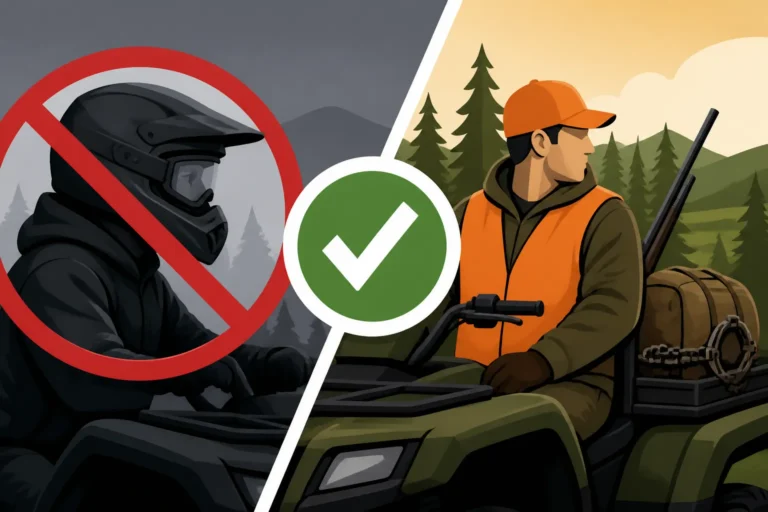
Next, gear up! As the supervisor, it’s your responsibility to ensure the young rider has all the necessary safety equipment. This includes an approved helmet (properly fitted and fastened, of course), eye protection (goggles or a visor), sturdy boots that cover the ankles, gloves, and long pants and sleeves. You also need to confirm that the young rider has completed any mandatory safety training required by the province. [Newfoundland Parental Consent for Minors] also comes into play here, ensuring you have the necessary permissions if you're not the parent. Review the planned route, discuss potential hazards, and make sure the young rider understands hand signals and communication protocols. Packing a first-aid kit, emergency tools, and plenty of water is also a vital pre-ride step.
On the Trail: Active Supervision
Once on the trail, active supervision means maintaining constant visual and auditory contact with the young rider. You should be positioned where you can easily see them, anticipate their actions, and intervene if necessary. This often means riding behind them or alongside, depending on the terrain and the rider's skill level. It's not the time to be distracted by your own ride or phone. Your full attention must be on the minor under your care. If you're riding with multiple young riders, you might need additional qualified adults to ensure adequate supervision for everyone.
Active supervision also involves continuous instruction and feedback. Point out obstacles, demonstrate proper techniques, and offer encouragement. If a young rider is struggling with a particular section, stop, explain, and guide them through it. Remember, this is a learning experience. You are also responsible for enforcing all provincial regulations, such as speed limits, respecting private property, and staying on [Newfoundland Crown Land Approved Areas]. If a young rider is seen breaking the rules, it’s the supervisor's legal responsibility to correct the behaviour immediately. Failure to do so can lead to [Newfoundland Fines for Riding Illegally] for both the rider and, potentially, the supervisor.
Emergency Preparedness and Post-Ride Debrief
Even with the best preparation and supervision, accidents can happen. A qualified supervisor must be prepared for emergencies. This includes knowing basic first aid, having a communication device (and knowing where cell service might be spotty), and understanding how to signal for help. If an incident occurs, the supervisor is responsible for securing the scene, assessing injuries, administering first aid, and contacting emergency services if needed. [Newfoundland Accident Reporting Rules] must also be followed, ensuring that any serious incident is properly documented.
After the ride, a good supervisor will take the time to debrief with the young rider. Discuss what went well, what challenges were faced, and what could be improved. This reinforces learning and helps build confidence. It’s also an opportunity to discuss any new skills learned or areas where more practice is needed. This post-ride discussion is just as important as the pre-ride briefing in developing a safe and responsible rider. It’s about building a positive relationship with off-road riding, fostering a lifelong appreciation for safety and respect for the trails.
Rules for the Supervised Young Rider
While the supervisor carries the primary responsibility, the young rider themselves also has specific rules they must follow. These regulations are designed to ensure that children are operating machines appropriate for their age, size, and experience level, and that they are adequately prepared for the activity. It’s a multi-faceted approach to youth safety that puts boundaries in place for everyone involved.
Age and Engine Displacement Limits
Newfoundland and Labrador has clear age restrictions linked to the size and power of the off-road vehicle. For example, a child under 10 years old cannot operate an ORV on public land at all, with very limited exceptions for private family land. For those aged 10-13, they are generally restricted to machines with an engine displacement of 90cc or less. As riders get older, the limits increase. [Newfoundland Rules for a 15-Year-Old Rider] might allow for larger engine sizes, typically up to 250cc, provided they still meet other conditions like having supervision and proper training. These rules are crucial because a machine that is too powerful or too large for a child can be incredibly dangerous and difficult to control.
It’s about matching the machine to the rider’s physical capabilities and cognitive development. A smaller, less powerful machine is more forgiving of errors and easier for a child to maneuver. This allows them to focus on learning fundamental riding skills without being overwhelmed by excessive speed or weight. Supervisors must rigorously adhere to these displacement limits. It’s tempting to let a child try a bigger machine, but the risks are simply too high and the penalties for non-compliance can be severe, not to mention the potential for serious injury. Always check the machine's specifications and match them to the rider's age as per provincial guidelines.
Mandatory Training for Minors
Beyond age and machine size, all young riders in Newfoundland and Labrador must complete approved safety training. This isn't optional; it's a mandatory step for anyone under the age of 16 operating an ORV. This training ensures that even with supervision, the young rider has a foundational understanding of safe operating procedures, emergency responses, and the rules of the trail. The [Newfoundland Online Training Test] is often the first step, providing an accessible way to cover the basics.
This formal training complements the hands-on guidance from a supervisor. It covers theoretical knowledge that might be hard to convey solely through practical riding, such as the importance of wearing specific [Newfoundland Helmet Standards Accepted] or understanding the specific nuances of [Newfoundland's Off-Road Vehicles Act]. Having this certification not only fulfils a legal requirement but also builds confidence in the young rider, knowing they’ve passed a recognized safety standard. It's a critical investment in their long-term safety and skill development, ensuring they don't just know how to ride, but how to ride safely and responsibly.
| Rider Age | Engine Displacement Limit | Supervision Required | Mandatory Training |
|---|---|---|---|
| Under 10 | None (Except on private family land with specific conditions) | Always | N/A |
| 10 – 13 | Up to 90cc | Always | Yes |
| 14 – 15 | Up to 250cc | Always | Yes |
| 16 – 17 | No specific limit | No (but recommended for new riders) | Yes (for first registration) |
| 18+ | No specific limit | No | Yes (for first registration) |
Note: These are general guidelines; always refer to the most current Off-Road Vehicles Act for precise details and specific exceptions.
Addressing Common Challenges and Scenarios
Even with clear rules, real-life situations can throw curveballs. Families, friends, and visitors often encounter scenarios that prompt questions about how the supervision rules apply. Navigating these common challenges requires a bit of foresight and a solid understanding of the nuances within the regulations.
Family and Group Rides
Family rides are often where the magic of off-roading happens, but they also introduce complexities for supervision. If you have multiple young riders in your group, one supervisor might not be enough. Imagine a scenario with two 12-year-olds and a 14-year-old on the T'Railway near Clarenville. Can one adult effectively supervise all three, especially if they have varying skill levels or ride different types of machines? The spirit of the law implies active and effective supervision. In such cases, having multiple qualified supervisors, each responsible for a subset of the young riders, is a far safer and more compliant approach. This ensures that each child receives adequate attention and immediate guidance when needed.
Another consideration is the dynamic of a mixed group, where adults are riding more powerful machines and potentially at a faster pace. The supervisor's primary focus must remain on the young rider's pace and safety, not on keeping up with the adult contingent. It might mean slowing down the entire group or having a dedicated adult "sweep" rider for the younger members. Furthermore, if you are bringing a relative's child along, ensure you have [Newfoundland Parental Consent Forms] signed and in your possession. This covers you legally and ensures that the child's parents are aware and approve of the activity.
Rental Machines and Visiting Riders
Renting an ATV or UTV in Newfoundland for a family adventure brings its own set of considerations. While rental companies will handle the machine's registration and often provide basic safety gear, the supervision requirements for young riders remain firmly with the adult accompanying them. Don't assume the rental company's briefing covers all your provincial obligations as a supervisor. You are still responsible for ensuring the young rider meets age and training requirements, and that you, as the supervisor, are 18 and licensed. Always ask the rental operator about their specific policies regarding youth riders and whether they have machines suitable for the provincial age/displacement limits.
For visitors from out of province, the rules can be particularly confusing. While [Newfoundland Visitors Registered Elsewhere] machines may have a 30-day exemption from local registration, the supervision rules for young riders still apply. A visitor from Nova Scotia, for instance, bringing their child's quad to explore the Gros Morne area, must adhere to Newfoundland's supervision laws, regardless of their home province's regulations. The supervisor must still be 18 and licensed, and the young rider must meet the age and training criteria set by Newfoundland and Labrador. Ignorance of the local law is not a defence, and provincial officers will enforce these rules uniformly.
Consequences of Non-Compliance
Breaking the rules, especially those designed to protect young riders, carries serious consequences in Newfoundland and Labrador. It's not just about a slap on the wrist; the penalties can range from significant fines to the seizure of the off-road vehicle, impacting both the rider and, critically, the supervising adult. These measures are in place to underscore the seriousness of operating ORVs responsibly and to deter dangerous behaviour.
Fines and Penalties for Unsupervised Riding
Operating an ORV without the required supervision for a minor, or allowing a minor to operate a machine that is too powerful for their age, can lead to substantial fines. These penalties are designed to be a strong deterrent, reflecting the potential danger posed by such infractions. For instance, an officer might stop a group on the T'Railway near Gander and, upon discovering an unsupervised 14-year-old, issue a ticket to the responsible adult. The fines can be quite steep, often starting in the hundreds of dollars, and they can increase significantly for repeat offences. [Newfoundland Fine Ranges by Offence] are clearly laid out in the Off-Road Vehicles Act, leaving little room for ambiguity.
Beyond monetary penalties, convictions can also lead to other complications, such as increased insurance premiums or a record of infraction. It's a stark reminder that the province takes the safety of young riders very seriously. The goal isn't just to punish, but to ensure future compliance and prevent potentially life-altering accidents. So, before you head out, be absolutely certain that all supervision requirements are met, and that you have a clear understanding of [Newfoundland Penalties for Riding Illegally].
Machine Seizure and Other Enforcement Measures
In more severe cases, or for repeat offenders, peace officers have the authority to seize the off-road vehicle. This is a particularly impactful consequence, as it means the machine is impounded, and retrieval involves paying impound fees on top of any fines. Imagine having your side-by-side or ATV seized because your child was riding unsupervised – the hassle, expense, and interruption to your plans would be considerable. [Newfoundland Machine Seizure Rules] are detailed in the Act, outlining the circumstances under which an ORV can be confiscated.
Furthermore, a supervisor who consistently neglects their duties could face more significant legal repercussions, potentially including a suspension of their driving privileges, especially if the infraction involves a serious accident or reckless endangerment. The province is unwavering in its commitment to safety, and the regulations are enforced by various agencies, including the Royal Newfoundland Constabulary, the RCMP, and Department of Forestry and Agrifoods officers. They are on the lookout for unsafe practices, and they will act decisively when they encounter violations of the Off-Road Vehicles Act. It's a robust system designed to ensure that the joy of off-road riding is tempered with absolute respect for safety and the law.
Disclaimer
This article is for general informational purposes only and does not constitute professional advice. Laws, prices and regulations vary by location and change over time. Consult a qualified professional for guidance on your specific situation.