Newfoundland Rules for Riding a Rail Bed
There's nothing quite like the call of Newfoundland's rugged interior, especially when you picture yourself exploring it from the seat of your ATV or UTV. The old railway lines, now converted into incredible trail systems, offer some of the most scenic and expansive riding opportunities anywhere. But if you're like most riders, you've probably felt that little twinge of uncertainty: "Can I actually ride here? What are the rules for riding a rail bed in Newfoundland?" It's a valid concern, because navigating the regulations for off-road vehicles on these cherished corridors can feel a bit like trying to find your way through a thick fog. This guide is here to clear the air, giving you a detailed breakdown of everything you need to know to ride Newfoundland's rail beds safely, legally, and with complete peace of mind.
Understanding Newfoundland's Rail Bed System for ORVs
Newfoundland's landscape is crisscrossed by a network of trails, many of which follow the historic routes of the old railway. These aren't just forgotten tracks; they've been repurposed and are managed to offer exceptional recreational opportunities. Knowing what these trails are and who looks after them is the first step to a responsible and enjoyable ride.
What is the Rail Bed Anyway?
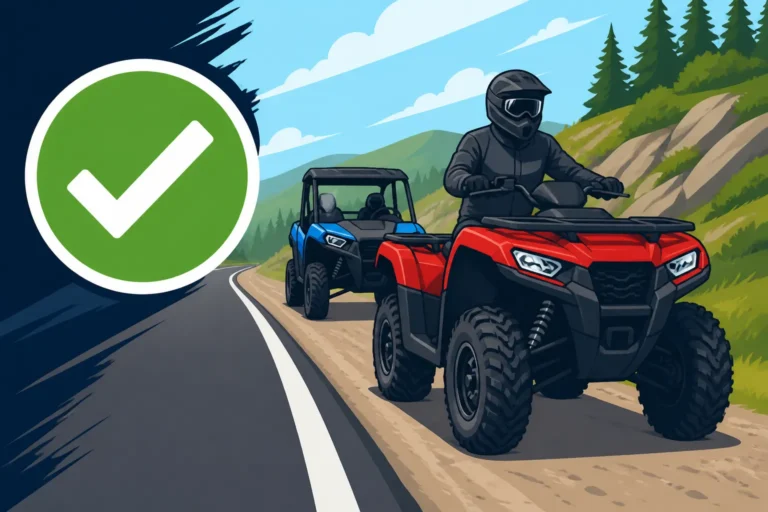
When we talk about "the rail bed" in Newfoundland, more often than not, we're referring to the T'Railway Provincial Park. This isn't just any old path; it's a monumental achievement in trail conversion, stretching an incredible 883 kilometres from St. John's on the Avalon Peninsula all the way to Port aux Basques on the west coast. Imagine traversing the entire island, coast to coast, on a continuous trail – that's the T'Railway. It follows the abandoned Newfoundland Railway line, which officially ceased operations in 1988, transforming a piece of industrial history into a vibrant recreational artery.
The T'Railway is designated as a provincial park, which means it's under specific provincial regulations, not just general Crown land rules. It's truly a multi-use corridor, welcoming a diverse crowd of outdoor enthusiasts. You'll share these pathways with hikers enjoying a leisurely stroll, cyclists pedaling across sections, and in the winter, snowmobilers who transform the snowy landscape into their own high-speed playground. This shared environment is why specific rules and etiquette are so important; everyone needs to co-exist safely and respectfully to preserve this incredible resource. [The T'Railway's 883 Kilometres in Newfoundland] really puts into perspective the scale of this unique trail system.
Who Manages These Trails?
The primary oversight for the T'Railway Provincial Park falls under the provincial government, specifically the Department of Tourism, Culture, Arts and Recreation. They are responsible for the overall management, policy setting, and general maintenance of the main corridor. However, it's not a solo act. Much of the on-the-ground maintenance, signage, and specific local management is often carried out in partnership with various regional and local trail organizations, community groups, and volunteer efforts. These local groups often take immense pride in their sections of the trail, working tirelessly to keep them accessible and enjoyable for everyone.
This collaborative management approach has significant implications for riders. Because sections are often managed locally, you might encounter slight variations in signage or specific advisories depending on which part of the island you're on. For instance, a section near a town might have more stringent speed limits or noise restrictions than a remote stretch through the barrens. Furthermore, the provincial government's designation of the T'Railway as a "managed trail" system means there are often specific requirements like safety training and the need for a managed trail sticker, which directly fund the upkeep of these very trails.
Navigating the Legalities of Riding the Rail Bed
Before you even think about putting your tires to the rail bed, there are a few non-negotiable legal requirements you need to have squared away. Riding without proper registration, training, or the necessary permits can quickly turn an enjoyable outing into a costly headache. It's far better to be prepared than to face fines or, worse, have your machine impounded.
Registration and Proof of Ownership
Let's be absolutely clear: if you're riding an ATV or UTV on any managed trail system in Newfoundland, including the T'Railway, your machine must be properly registered with the provincial Motor Registration Division. There are no exceptions for rail beds, even if you feel like you're way out in the middle of nowhere. This isn't just a suggestion; it's a legal requirement under the Off-Road Vehicles Act. The registration process ensures that your machine is officially recognized and helps with accountability, especially in cases of accidents or theft.
The good news for Newfoundland residents is that [Newfoundland ORV Registration Cost] is a one-time fee, and [Why a Newfoundland ATV Registration Never Needs Renewing] is a huge benefit compared to other jurisdictions. Once you've paid your initial fee and received your registration permit and identification plate, you're good to go for as long as you own the machine. However, it's absolutely crucial to carry proof of this registration with you at all times when riding. This means having your registration permit (the physical document issued by Motor Registration) and ensuring your identification plate is clearly displayed on your machine, free from mud or obstruction. An officer can and will ask to see these documents, and not having them can lead to fines.
Safety Training and Trail Stickers
Another vital piece of the puzzle for riding Newfoundland's rail beds is ensuring you, and any young riders under your supervision, have completed the mandatory safety training. This isn't just about ticking a box; it's about making sure everyone understands the rules of the trail, safe operating procedures, and how to minimize risks. It's particularly important for first-time registrants and young operators, as it instills good habits from the start. You can complete the provincial safety test online, which is both convenient and comprehensive. [Newfoundland Safety Training Is Mandatory] for everyone, ensuring a baseline level of knowledge across the riding community.
Beyond personal training, you also need to be aware of the "Managed Trail Sticker." Many sections of the T'Railway, especially those managed by local trail operators, require you to have one of these stickers affixed to your machine or carried with you. These stickers act as a kind of user fee, with the funds collected often going directly back into the maintenance, grooming, and signage of the very trails you're enjoying. It’s a way for riders to contribute to the preservation of these amazing resources. [How to Get a Newfoundland Trail Sticker] usually involves contacting the relevant trail association, often the Newfoundland and Labrador Snowmobile Federation (NLSF), who manage many of the multi-use trails. Always check the requirements for the specific section of the T'Railway you plan to ride, as some areas may be exempt or have different requirements.
Equipment Requirements for the Rail Bed
Your ATV or UTV isn't just a toy; it's a powerful piece of machinery that needs to be equipped correctly for safe and legal operation on the rail bed. First and foremost, helmets are non-negotiable. [Newfoundland Helmet Law for Every Rider] states that both operators and passengers must wear an approved helmet, securely fastened, at all times while riding. This is perhaps the single most important safety rule, and it's enforced strictly for good reason – your head is worth protecting. Make sure your helmet meets Canadian CSA, US DOT, or European ECE standards.
Beyond helmets, your machine itself needs to meet certain standards. If you're riding from sunset to sunrise, or in any condition of reduced visibility (think fog rolling in off the ocean, which happens often!), your ATV or UTV must have functioning head and tail lamps. These aren't just for your vision; they make you visible to other trail users. Your machine also needs to have a proper muffler system that isn't excessively loud. The rail bed often passes through or near communities, and excessive noise is a common complaint that can lead to trail closures or stricter regulations. Aftermarket parts can certainly enhance your machine – companies like SuperATV offer a wide range of accessories, from robust skid plates that can protect the undercarriage of your machine from the old railway ballast to sturdy winches that are invaluable for self-recovery or helping a fellow rider out of a sticky situation. Just ensure that any modifications, especially to exhaust systems, still keep your machine compliant with provincial noise regulations.
Rules of the Road (or Rail Bed) and Etiquette
Riding the rail bed isn't like tearing around your own private land. It's a shared space, a public park, and a place where you'll encounter a variety of other users and sensitive environments. Knowing and following the rules, and practicing good trail etiquette, is paramount for everyone's safety and for preserving access to these trails for future generations.
Speed Limits and Sharing the Trail
While the wide-open stretches of the T'Railway might tempt you to open up your throttle, there are always speed limits to consider. Many sections of the rail bed, particularly those passing through or near communities, or those with heavy multi-use traffic, will have posted speed limits. Even where not explicitly posted, a common-sense approach to speed is always advisable. The condition of the rail bed itself can vary wildly, from smooth, packed gravel to rough, rocky sections or stretches with loose ballast, so adjust your speed accordingly.
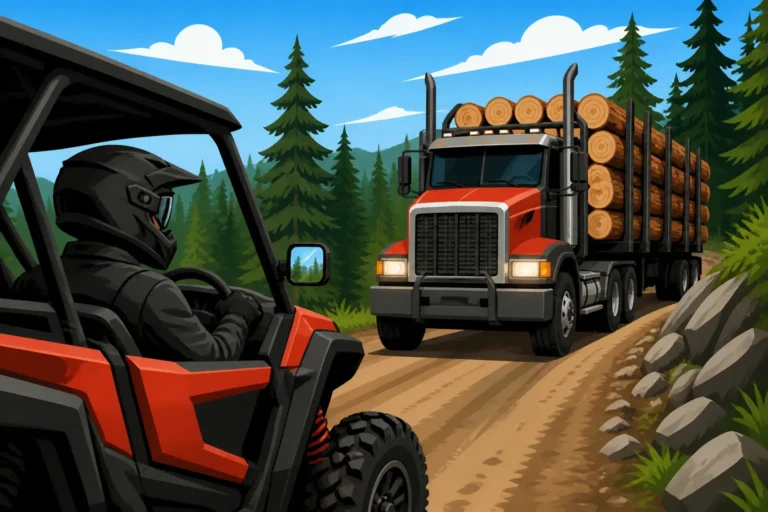
The T'Railway is a truly multi-use trail, and this means you will encounter hikers, cyclists, and sometimes even equestrians. Always remember that ORVs typically yield to these other users. Keep to the right side of the trail, especially on curves or when visibility is limited. When approaching other users, slow down considerably, offer a friendly wave, and pass with caution and ample space. Kicking up dust or showering other users with gravel is not only rude but can be dangerous. Respect for all users is critical for maintaining harmony on the trails. [Newfoundland Trails Shared With Hikers] highlights the importance of this shared-use mentality.
Environmental Responsibility and Respect
Our beautiful Newfoundland environment is fragile, and as ORV riders, we have a responsibility to protect it. This means sticking strictly to marked trails on the rail bed. Venturing off-trail, especially into adjacent wetlands, bogs, or other sensitive ecosystems, can cause irreversible damage to delicate flora and fauna, not to mention land you do not have permission to ride on. Such actions also reflect poorly on the entire riding community and can lead to stricter regulations or even trail closures.
"Pack it in, pack it out" is another golden rule. Whatever you bring onto the trail – food wrappers, empty bottles, broken parts – must come back out with you. Littering is not only unsightly but harmful to wildlife and can lead to significant fines. Furthermore, be mindful of your noise levels and dust production, particularly when passing near homes, cabins, or fishing camps that might be situated close to the rail bed. Excessive noise can be a nuisance to residents, and dust can affect air quality and visibility. Understanding [Newfoundland Wetland Protection Rules] and [Newfoundland Crown Land Riding Rules] is key to being a responsible rider and ensuring the long-term viability of these trails for everyone.
Crossing Highways and Public Roads
One of the most critical and often misunderstood aspects of riding the rail bed is how to handle intersections with public highways and roads. The rail bed itself is not a highway, and the rules change dramatically when you interact with public road infrastructure. You cannot simply ride across a highway wherever you please. There are very strict rules for [Newfoundland Rules for Crossing a Highway], which primarily dictate that you must come to a complete stop, yield to all highway traffic, and have a clear line of sight of at least 150 metres in both directions. You must cross the highway as directly and quickly as possible, at a right angle to the highway, and only at designated crossings.
Riding along the shoulder of a public road to connect two sections of the rail bed is also tightly regulated. While sometimes permitted for short distances, it comes with strict limitations: typically, a maximum of 1 kilometre, and a speed limit of [Newfoundland's 20 km/h Shoulder Limit]. You must yield to all highway traffic and drive as far to the right as safely possible. This is not meant for leisurely cruising; it's solely for connecting trail segments. Misunderstanding these rules is a common reason riders get ticketed, so always err on the side of caution and consult local regulations or maps for approved crossing points.
Staying Out of Trouble and Enjoying the Ride
Even with the best intentions, it's easy to make a mistake if you're not fully informed. Knowing the potential consequences of non-compliance and how to properly plan your journey will help ensure your rail bed adventures are memorable for all the right reasons.
Potential Penalties for Non-Compliance
Ignoring the rules for riding the rail bed in Newfoundland can lead to more than just a stern warning; there are real financial and legal consequences. Riding an unregistered machine, or one without a visible plate, can result in significant fines. Failing to wear an approved helmet, or allowing a passenger to ride without one, will also draw a penalty. If you're caught riding on a managed trail section without the required sticker, you'll likely face a fine and may be asked to leave the trail. These penalties underscore the province's commitment to safety and trail maintenance. [Newfoundland Penalties for Riding Illegally] can range from hundreds to thousands of dollars, depending on the severity and nature of the infraction.
More serious offences, such as impaired riding or deliberately causing environmental damage, can lead to even graver consequences, including the seizure of your machine and potential court appearances. While the rail bed offers a sense of freedom, it is still a regulated public space, and law enforcement officers have the authority to enforce all applicable provincial statutes. Ignorance of the law is generally not considered an acceptable defence, so it's always best to be thoroughly informed before you head out.
Planning Your Rail Bed Adventure
A little planning goes a long way when it comes to enjoying Newfoundland's rail beds. Before you even load up your machine, check for any local advisories or closures. Fire season, which typically runs from May 1 to September 30 in Newfoundland, can bring riding restrictions or temporary trail closures. Maintenance work, bridge repairs, or severe weather events can also temporarily impact access. Local trail organizations or provincial government websites often provide up-to-date information. Carrying maps, especially paper ones, is crucial because cell service can be spotty to non-existent on many remote sections of the rail bed. Many experienced riders invest in advanced GPS units or robust navigation apps on their UTVs, often mounted with specialized brackets from companies like SuperATV, to help them stay on approved routes and track their progress accurately.
It's always smart to pack emergency supplies, including a first-aid kit, extra water, snacks, and tools for minor repairs. Newfoundland weather can be notoriously unpredictable, so dress in layers and carry appropriate rain gear, even if the sun is shining when you set out. Joining local ATV or UTV clubs is also an excellent idea; these clubs are a fantastic resource for up-to-date trail information, group rides, and a wealth of local knowledge. They often have insights into [Newfoundland Trail Conditions Before You Ride] and [Newfoundland Riding Season and Weather] that you won't find anywhere else. Remember, companies like SuperATV also offer lift kits and larger tires which can be beneficial for clearing obstacles on rough sections of the rail bed, but always ensure any modifications keep your machine within legal width limits for the trail and do not compromise stability.
Respecting Other Users and Wildlife
Riding the rail bed is a shared experience, and practicing good trail etiquette is essential. Always be courteous to other trail users, whether they are on foot, bicycle, or another ORV. Slow down and make eye contact, and be prepared to yield. Remember, a friendly wave goes a long way in fostering a positive environment. These trails are for everyone, and mutual respect ensures that everyone can enjoy them safely.
Finally, Newfoundland's wilderness is teeming with wildlife, and the rail bed often cuts right through their habitat. Be especially vigilant for moose, as they are large, unpredictable, and can pose a significant hazard if encountered on the trail. Give wildlife a wide berth; do not approach or disturb animals. Your presence in their home should be as unobtrusive as possible. Being aware of [Newfoundland Moose Encounters While Riding] and taking precautions can prevent accidents and ensure the continued enjoyment of these wild spaces.
Key Rules for Riding Newfoundland's Rail Bed
Here’s a quick summary of the essential rules to keep in mind when planning your rail bed adventure:
| Requirement | Detail | Why It Matters |
|---|---|---|
| Registration | Your ORV must be registered with Motor Registration Division. | Legal requirement, aids accountability. |
| Identification Plate | Must be clearly displayed on your machine, free of mud/obstruction. | Essential for identification by law enforcement. |
| Proof of Ownership | Carry your registration permit with you at all times. | You'll need it if an officer asks, or in case of an accident. |
| Safety Training | Mandatory for all operators; carry proof. | Ensures basic safety knowledge and responsible riding. |
| Managed Trail Sticker | Required on many sections; display or carry proof. | Funds trail maintenance and operations. |
| Helmet | Mandatory for all operators and passengers, properly fastened. | Critical for head protection and legal compliance. |
| Lighting | Head and tail lamps required from sunset to sunrise or in low visibility. | Ensures you can see and be seen by others. |
| Muffler | Must be an approved, non-modified system; excessive noise is prohibited. | Respects other users and nearby communities. |
| Speed Limits | Follow posted limits and exercise caution, especially near communities/other users. | Safety for all trail users and compliance with local regulations. |
| Yielding | Yield to hikers, cyclists, and equestrians; keep right. | Essential for shared-use trail etiquette and safety. |
| Off-Trail Riding | Strictly prohibited; stay on marked trails. | Protects sensitive environments and avoids trespassing. |
| Highway Crossings | Stop, yield, 150m visibility, cross directly at designated points only. | Crucial for safety, preventing collisions with highway traffic. |
| Shoulder Riding | Limited to 1 km, 20 km/h, only to connect trail sections. | Connects trails safely without becoming a highway user. |
Disclaimer
This article is for general informational purposes only and does not constitute professional advice. Laws, prices and regulations vary by location and change over time. Consult a qualified professional for guidance on your specific situation.