Newfoundland Machines Used Only on Family Land
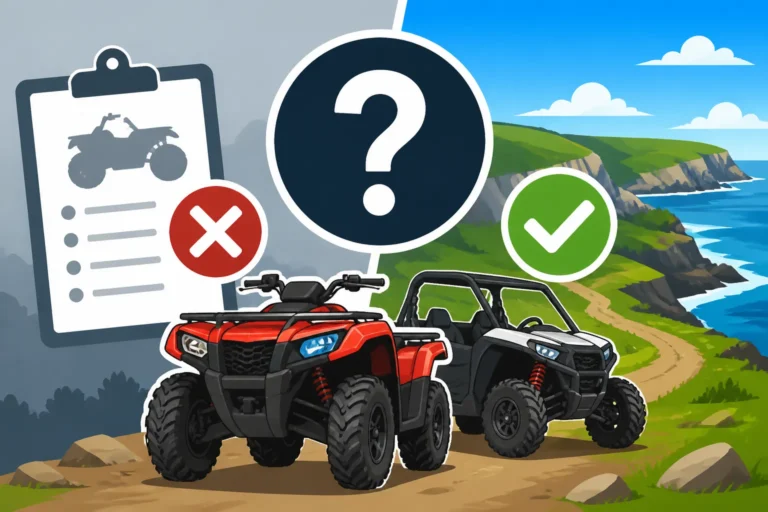
It’s a common thought, isn't it? You’ve got a quad or a side-by-side, and you only ever plan to use it on your own property or your family’s land up around the cabin. So, surely, you don't need to bother with all that pesky government registration, right? It feels like an unnecessary hurdle when the machine never even touches a public trail. This guide is here to untangle that very misconception and walk you through why, even in those cases, Newfoundland's rules generally require your off-road vehicle to be registered.
The Myth of "Private Land Only" and Newfoundland's ORV Act
Many riders hold onto the idea that if their ATV or UTV never leaves private property, it somehow falls outside the scope of provincial regulations. It’s a completely understandable assumption. Why would the government care what you do on your own land? But, in Newfoundland, the rules are a bit broader than that, and understanding them can save you a lot of grief down the road.
Why the Act Applies Beyond Public Trails
The truth is, [Newfoundland's Off-Road Vehicles Act] isn’t solely focused on machines being used on public trails or roadways. Its primary purpose is to establish a clear system of ownership, identification, and accountability for all off-road vehicles within the province. Think of it like a car – you wouldn't imagine not registering your car just because you only ever drive it on your private driveway or farm roads, would you? The vehicle itself is subject to registration because it's a specific type of machine that can be used on public thoroughfares, and its ownership needs to be documented.
This legislative framework ensures that every off-road vehicle has a registered owner, a unique identification plate, and a paper trail. This is crucial for things like law enforcement in cases of theft, for insurance purposes if an accident occurs, or for clarity during the sale of the machine. The location of primary use is secondary to the fact that the machine exists and is capable of being operated within the province. It means that whether you’re tearing up the gravel pit on your father’s back forty or cruising the [T'Railway's 883 Kilometres in Newfoundland], the machine itself needs to be registered.
What "Family Land" Actually Means to the Registry
When we talk about "family land" or "our own property," the Motor Registration Division sees it simply as private land. It doesn't magically create a special exemption category for your machine. There's no clause in the [Newfoundland's Off-Road Vehicles Act] that says, "unless used exclusively on land owned by the operator or their immediate family." The definitions of off-road vehicles and the requirements for their registration apply universally, regardless of the land tenure.
This can be a tough pill to swallow for some, especially if generations of your family have always had a quad out at the cabin without issue. But the Act, particularly since its 2022 rewrite, is designed to be comprehensive. It's about establishing legal ownership and responsibility. So, while you might feel like your family land is a separate bubble, from a legal standpoint, your machine on that land is still an off-road vehicle that needs to comply with the province's registration rules. This distinction is really important because it separates the use of the land from the ownership and identification of the machine itself.
Understanding the Definition of an "Off-Road Vehicle" in Newfoundland
One of the biggest factors in determining whether your machine needs registration is simply what it is. The Newfoundland and Labrador government has very clear definitions for what constitutes an "off-road vehicle" under the Act. It’s not about where it's used, but rather its classification.
Machines That Must Be Registered, No Matter What
Newfoundland's [Newfoundland's Off-Road Vehicles Act] defines several types of machines that fall under its purview, and for virtually all of them, registration is mandatory. This includes the popular ATVs (All-Terrain Vehicles), UTVs (Utility Terrain Vehicles, often called side-by-sides), snowmobiles, and even dirt bikes designed for off-road use. The important takeaway here is that the machine's inherent design and purpose classify it, not where you decide to ride it.
For instance, if you own an ATV, regardless of whether it’s a shiny new model from a dealership or an older, trusty machine passed down through the family, it's considered an off-road vehicle. The same goes for your side-by-side or snowmobile. [Newfoundland Classes the Act Covers] are quite broad. There are very few exceptions related to the type of machine. This means that if you’ve got a quad you only use to haul wood on your cabin property, it still needs to be registered. The act of owning one of these defined machines triggers the registration requirement, period.
The Importance of Proof of Ownership
Even if you’re only ever riding on your family's land, having proper proof of ownership is absolutely vital. Imagine if your machine was stolen from your property – without registration and clear ownership documents, proving it's yours to the police or your insurance company becomes a bureaucratic nightmare. Or, what if you want to sell it down the line? A buyer, even a family member, will want assurance that you legally own the machine.
This is where documents like a bill of sale become critical, even for private transactions among family. While it might feel informal, drafting a simple bill of sale ensures a clear transfer of ownership. Services like LawDepot offer templates for these kinds of documents, making it easy to formalize a private sale and protect both parties. Having these papers on hand also streamlines the registration process. The Motor Registration Division needs to see a clear chain of ownership, especially if you're the second or third owner. [Newfoundland Bills of Sale From Each Owner] are required, detailing the transaction from each previous owner. This paper trail ensures that the machine isn't stolen and that the person registering it genuinely has the right to do so.
Exemptions and Realities: When Registration Might Not Be the Immediate Concern (But Still Advised)
It's true that some aspects of ORV regulations do have specific exemptions for machines used on private land, but it's crucial to understand that these exemptions rarely apply to the initial machine registration itself. Most often, they relate to things like managed trail permits or operator training requirements.
The "On Your Own Land" Sticker Exemption (and Its Limits)
One area where private land use does offer an exemption is regarding managed trail stickers. If you’re a member of a local ATV club that maintains trails, you usually purchase a sticker to ride those trails, and the funds help with maintenance. However, if your machine is only used on land you or an immediate family member owns, you generally don't need to buy this specific managed trail sticker. [Newfoundland Family Land Sticker Exemptions] exist for this very reason.
But here’s the critical distinction: this sticker exemption has nothing to do with the provincial registration of the machine itself. You still need to register your ATV or UTV with the provincial Motor Registration Division, obtain your permanent identification plate, and pay the one-time registration fee. The trail sticker is a separate requirement for specific managed trails. It's a common point of confusion, and many riders mistakenly believe that if they don't need a trail sticker, they don't need to register the machine at all. This is not the case. The provincial registration creates the legal identity of your machine, while the trail sticker grants access to specific, managed recreational areas.
Why Registering Still Makes Sense for Everyone
Even if you're convinced your machine will never leave your family's land, there are compelling reasons to go ahead and register it anyway. The biggest one is peace of mind and legal clarity. Imagine a scenario where you have an accident on your property, and someone is injured. If your machine isn't registered, it complicates insurance claims and could lead to legal headaches about clear ownership and liability. A registered machine, on the other hand, has a documented owner, which streamlines these processes.
Another significant benefit is for future sale or transfer. While it might be "family land" now, circumstances change. You might eventually decide to sell the machine, or pass it on to another family member who will want to use it on public trails. A registered machine with a clear title is much easier to sell, and fetches a better price. The buyer will know they’re getting a legitimate machine, and the transfer of ownership is simple. [Newfoundland Transfer of Ownership Explained] involves specific paperwork, and having the machine already registered makes that whole process smoother. Plus, with a registered machine, you can easily obtain a duplicate registration document if yours gets lost or damaged. Even for private sales, formalizing the transaction with a document (perhaps using a LawDepot template) ensures both parties have a record, regardless of whether it's registered or not. It's about protecting your investment and making future dealings much simpler.
Practical Steps for Registering a Machine Used on Family Land
So, you've decided to do the sensible thing and register your off-road vehicle, even if it's primarily used on family land. Good call! The process itself is fairly straightforward, but it does require gathering the right paperwork and understanding the steps involved.
Gathering Your Documents
Before you head to the Motor Registration Division, you'll need to collect a few key documents. The exact list can vary slightly depending on whether your machine is brand new or used, but here are the common items:
- Proof of Ownership: This is paramount. For a new machine, you'll need the New Vehicle Information Statement (NVIS) from the dealer. For a used machine, you'll need the original bill of sale from the person you bought it from, and ideally, the bills of sale from all previous owners. If the ownership history is a bit murky, or if it was inherited, you might need to use a sworn affidavit or an indemnity form to prove you're the rightful owner. This is where creating a formal bill of sale for a family transaction, even a handshake deal, can be incredibly helpful – services like LawDepot can provide easy-to-use templates for this purpose, formalizing what might otherwise be a casual agreement. [Newfoundland Registration Paperwork Explained] clarifies all these needs.
- Proof of Identity: You'll need valid government-issued photo identification, like a driver's license.
- Proof of Address: A recent utility bill or other official document showing your current address will usually suffice.
- Machine Information: Be prepared with the machine's VIN (Vehicle Identification Number) and any make/model/year details.
Without these documents, you'll likely be sent home to get them, so it's always best to be over-prepared.
The Registration Process
Once you have all your documents in hand, the next step is to actually register the machine.
- Book an Appointment: It's almost always a good idea to book an appointment with the Motor Registration Division before you go. This saves you waiting time and ensures someone will be available to help you. [Newfoundland Registration by Appointment] is highly recommended.
- Attend Your Appointment: Bring all your collected documents. A clerk will review them to ensure everything is in order and that you are the rightful owner. They'll process your application, input the machine's details into the provincial registry, and provide you with your registration permit.
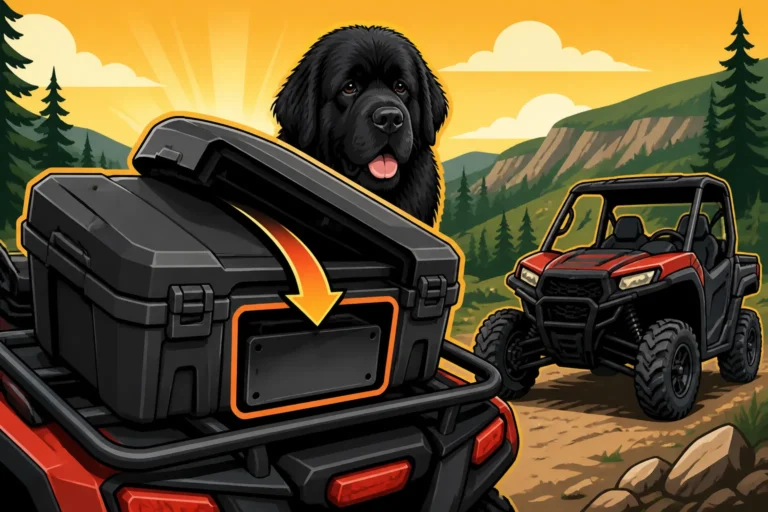
- Receive Your Plate/Decal: You'll be issued an identification plate (for most ATVs and UTVs) or a decal (for certain other off-road vehicles). This plate or decal must be affixed to your machine in a visible location. Remember, [Newfoundland Plates Kept Free of Mud] is a rule, so ensure it's always clean and visible, even when riding on your family's land.
The process is generally quite smooth if you have all your ducks in a row. It’s a one-time thing, so once it’s done, you won’t have to worry about it again as long as you own the machine. [Newfoundland Registration Valid While You Own It] means no annual renewals!
Understanding the Costs Involved
Registering your off-road vehicle in Newfoundland comes with a one-time fee. This is a payment you make once, and it covers the machine for as long as you own it – there are no annual renewal fees. The cost varies by machine type. For example, [Newfoundland Charges $95 for an ATV], while [Newfoundland Charges $5 for a Trail Bike].
It's important to remember that these fees are non-refundable, so ensure all your paperwork is correct before submitting your application. While it's an upfront cost, consider it an investment in legal clarity, peace of mind, and the future value of your machine. Compared to the potential headaches of dealing with an unregistered machine in a legal or insurance situation, it's a small price to pay for compliance and protection.
| Aspect | Belief for "Family Land Only" Use | Reality Under Newfoundland's ORV Act |
|---|---|---|
| Registration Requirement | "It's on my land, so it doesn't need to be registered." | False. All defined ORVs must be provincially registered, regardless of primary use location. |
| Trail Sticker | "I don't need a trail sticker, so I don't need registration." | Misconception. Trail sticker exemption for family land is separate from mandatory provincial machine registration. |
| Proof of Ownership | "Family land, family machine, no formal papers needed." | Risky. Clear ownership documents (like a bill of sale, perhaps from LawDepot) are crucial for theft, insurance, and future sale. |
| Identification Plate | "No public roads, no need for a plate." | False. A provincial identification plate is issued upon registration and must be displayed on the machine. |
| Cost | "Why pay for something I won't use publicly?" | One-time fee. It's an investment in legal clarity and easier future transactions, not an ongoing public-use tax. |
Disclaimer
This article is for general informational purposes only and does not constitute professional advice. Laws, prices and regulations vary by location and change over time. Consult a qualified professional for guidance on your specific situation.