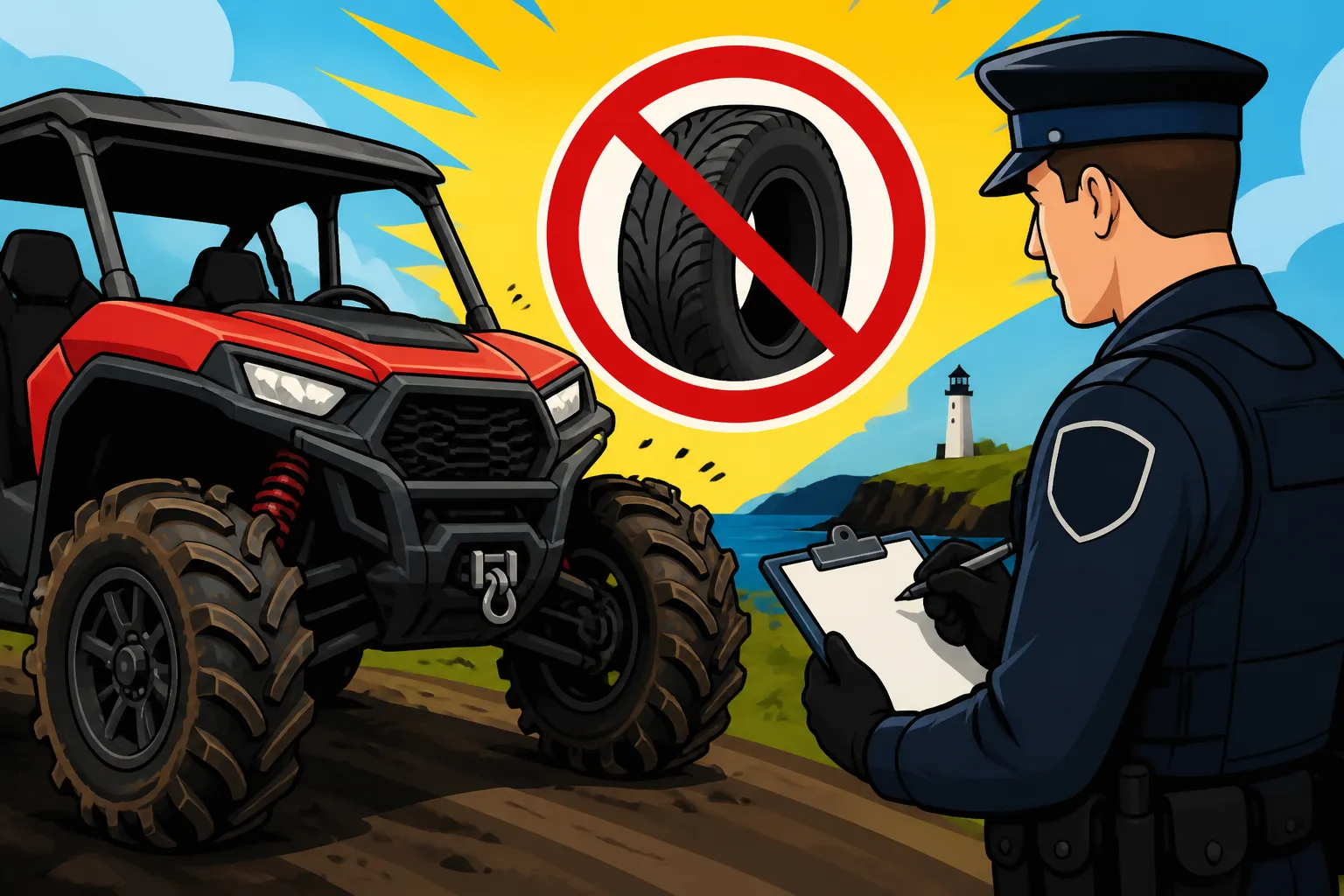
Newfoundland Fines for the Wrong Tires
Riding the trails and barrens of Newfoundland is one of life's great joys, but nothing sours a perfect day faster than an unexpected fine, especially for something you might not have even considered, like the tires on your machine. It’s easy to think all off-road tires are created equal, but the reality is that specific regulations exist to ensure safety, prevent environmental damage, and keep our cherished landscapes accessible. This guide is here to walk you through Newfoundland's rules around ORV tires, shed light on why these rules exist, and help you avoid those frustrating and costly penalties.
Understanding Newfoundland's Tire Regulations for Off-Road Vehicles
When you're out exploring Newfoundland and Labrador, whether it's on a quad, a side-by-side, or a snowmobile, you're operating under the watchful eye of the province's Off-Road Vehicles Act. This isn't just a suggestion; it's a set of laws designed to keep everyone safe and preserve the unique environment we ride in. Tires might seem like a small detail, but they're critical to how your machine interacts with the ground and, subsequently, to your legal compliance.
What the Off-Road Vehicles Act Says About Tires
The core of Newfoundland's ORV legislation is quite clear about the type of tires permitted on wheeled machines. For ATVs, side-by-sides, and other wheeled off-road vehicles, the Act generally specifies the use of "low pressure tires." This isn't just a throwaway phrase; it's a fundamental requirement that governs the very design and function of the tires you should have on your machine. The intent is to ensure that the vehicle has adequate traction for off-road conditions without causing undue damage to the terrain, especially in sensitive ecological areas. The legislation, like [Newfoundland's Off-Road Vehicles Act], outlines these stipulations to maintain a balance between recreational enjoyment and environmental stewardship. It's about ensuring your machine is designed for the rough, varied terrain of our province, not for cruising on pavement.
The Definition of "Low Pressure Tires" and Why It Matters
So, what exactly are "low pressure tires" in the context of off-road vehicles? Generally speaking, these are tires designed with a large volume of air at a relatively low inflation pressure compared to conventional highway tires. This design allows them to "float" over softer terrain, distribute the machine's weight more evenly, and deform around obstacles rather than digging in. This characteristic is crucial for traction on loose gravel, mud, sand, and bog, which are all common here.
The distinction matters immensely because using tires not designed for this purpose can lead to several problems. Highway tires, for instance, are built for rigidity and high-speed pavement use, not for gripping loose surfaces at low speeds. They often have less aggressive tread patterns and higher recommended inflation pressures, which can cause them to dig into soft ground, leaving deep ruts and potentially getting you stuck. From a safety perspective, highway tires on an ORV can offer poor control and stability on uneven terrain, increasing your risk of an accident. The rules, including [Newfoundland Low Pressure Tire Rules], are there to prevent these issues and ensure your machine performs safely and responsibly off-pavement.
Common Tire Mistakes That Lead to Fines
It's easy to overlook tire specifications, especially if you're new to ORV riding or have purchased a used machine. However, some common choices or modifications can quickly put you on the wrong side of the law and result in fines. Understanding these pitfalls is the first step to avoiding them.
Using Highway or Agricultural Tires on Your ORV
One of the most frequent mistakes riders make, and one that enforcement officers are trained to spot, is outfitting an ORV with tires not intended for off-road use. This often includes highway vehicle tires or even certain types of agricultural tires. These tires, while perhaps readily available or seemingly cheaper, are fundamentally different in their construction and purpose. Highway tires are designed for maximum contact patch and durability on paved surfaces, with tread patterns optimized for water dispersion and road grip. They lack the deep, open lugs and reinforced sidewalls needed for aggressive off-road traction and puncture resistance. Agricultural tires, while sometimes appearing rugged, are often designed for specific farm machinery and fields, not the diverse, challenging terrain of Newfoundland's trails.
An officer observing your machine might notice the lack of aggressive tread, the shape of the tire's sidewall, or even specific markings that designate it for highway use. The dangers are real: insufficient grip on muddy slopes, reduced braking effectiveness on loose gravel, and a higher chance of a sidewall puncture far from help. These aren't just minor infractions; they're safety hazards, and [Newfoundland Fines for the Wrong Tires] are in place to deter such practices.
Oversized or Heavily Modified Tires Beyond Standard
While "bigger is better" might be a popular mantra in some circles, when it comes to ORV tires in Newfoundland, there's a limit. Excessively oversized or heavily modified tires can also land you in trouble. While the Act doesn't always specify an exact maximum tire dimension, the spirit of the "low pressure tire" rule often implies tires that are reasonably suited to the machine's design and intended purpose without causing disproportionate impact. Tires that are too large can strain your machine's suspension, steering, and drivetrain, creating safety issues. They can also significantly increase the machine's footprint, leading to greater ground disturbance and wider, deeper ruts on shared trails and sensitive ecological areas.
Beyond just size, modifications like adding extreme custom treads or altering the tire's structure can also fall foul of regulations if they compromise safety or environmental standards. When looking for tires that balance performance with compliance, consider reputable brands that offer purpose-built ORV tires in a variety of sizes designed to fit standard machines. For instance, companies like SuperATV specialize in durable, high-performance tires that are engineered for specific off-road applications, helping you find a compliant fit without compromising on trail capability. Always remember that [Newfoundland Equipment Requirements] extend to every part of your machine, including your tires.
Tire Chains: A Recent Change in the Rules
For a long time, the use of tire chains on off-road vehicles was a bit of a grey area, with many riders opting to avoid them due to potential legality issues or concerns about trail damage. However, the recent amendments to the Off-Road Vehicles Act brought a welcome clarification for riders tackling challenging winter conditions or particularly slick terrain. Now, [Newfoundland Tire Chains Are Now Allowed] under certain conditions.
This change is a practical acknowledgement of the realities of riding in Newfoundland's harsh climate. Tire chains can significantly improve traction on ice and deep snow, enhancing safety and accessibility during the colder months. However, it's crucial to understand that while chains are now permitted, they don't override the underlying requirement for your machine to be fitted with compliant low pressure tires to begin with. The chains are an addition, not a replacement for proper ORV tires. Always use chains responsibly, ensuring they are properly fitted and do not cause undue damage to the trail surface, especially when conditions are not exceptionally snowy or icy. Riding with chains on dry or soft ground can tear up the trail, which defeats the purpose of responsible riding.
| Tire Type | Compliance with ORV Act | Typical Use Case | Risk of Fine |
|---|---|---|---|
| Low Pressure ORV Tires | Generally Compliant | Mud, snow, rock, gravel, soft terrain | Low |
| Highway Vehicle Tires | Not Compliant | Paved roads, highway driving | High |
| Agricultural Tires | Often Not Compliant (depends) | Farm fields, specific agricultural machinery | Medium to High |
| Oversized/Modified ORV Tires | Potentially Not Compliant | Extreme off-roading, specialized tasks | Medium |
| ORV Tires with Chains | Compliant (under specific conditions) | Ice, deep snow, extreme winter traction | Low (if used appropriately) |
The Financial and Practical Consequences of Tire Fines
No one wants to get a ticket, especially when you're out trying to enjoy the wilderness. Beyond the immediate disappointment, receiving a fine for non-compliant tires in Newfoundland can have both immediate financial costs and longer-term practical impacts on your riding experience. It's not just a slap on the wrist; it's a message that your equipment isn't meeting the safety and environmental standards expected of ORV operators in the province.
Understanding the Fine Structure and Penalties
When it comes to equipment violations, like having the wrong tires on your off-road vehicle, the penalties in Newfoundland can be significant. While specific dollar amounts can fluctuate, riders should be prepared for fines that are more than just a minor inconvenience. These costs are designed to be a deterrent, emphasizing the importance of compliance. For a first offense, you might be looking at a substantial sum, and if you're a repeat offender, those fines can escalate rapidly. The province takes ORV safety and environmental protection seriously, and the [Newfoundland Fine Ranges by Offence] reflect this commitment.
In more serious or repeated cases, a fine might not be the only consequence. Enforcement officers have the authority to issue orders for immediate compliance, meaning you might not be able to continue your ride until the issue is rectified. In extreme circumstances, especially if the non-compliance poses a significant safety risk or is part of a pattern of disregard for the rules, your machine could even be subject to seizure. While less common for a simple tire infraction, it's a stark reminder of the authority enforcement bodies hold. It’s a lot more than just a small penalty on your [Newfoundland Ticket Costs for Riders].
Beyond the Fine: Other Impacts on Your Riding
The financial hit of a fine is just one piece of the puzzle. There are other, less tangible consequences that can affect your enjoyment and access to trails. Imagine being stopped mid-ride, having your day cut short because an officer deems your tires non-compliant. That's lost riding time, wasted fuel, and a definite dampener on your spirits. You might also face the inconvenience of a court appearance if you choose to contest the ticket, which means more time off work and navigating legal processes.
Beyond legal troubles, having the wrong tires can simply make your riding less enjoyable and more dangerous. Poor traction, unstable handling, and increased risk of getting stuck or damaging your machine mean more frustration and less fun. After a fine, you'll still need to invest in the correct tires, adding another unexpected expense to your ORV ownership. This is where researching reliable suppliers becomes essential. Brands like SuperATV offer a wide range of compliant tires specifically designed for various ORV types and terrains, ensuring you can quickly get back on the trail with confidence. An officer's [Newfoundland Equipment Checks by Officers] are not just about enforcing the law; they're also about ensuring you're safe out there.
How to Ensure Your Tires Are Compliant
Avoiding fines and ensuring a safe, enjoyable riding experience boils down to being proactive and informed about your equipment. It's not just about what looks good, but what's legally and practically appropriate for the diverse terrain of Newfoundland and Labrador.
Checking Manufacturer Specifications and ORV Designations
The first and best place to start when considering tires for your off-road vehicle is your machine's owner's manual. Manufacturers specify recommended tire sizes, types, and even pressure ranges that are compatible with your ORV's design and intended use. These specifications are developed for optimal performance, safety, and compliance. Purpose-built ORV tires will typically have "ATV" or "UTV" designations molded into their sidewalls, clearly indicating they are designed for off-road use. They'll also often feature deeper, more aggressive tread patterns and stronger sidewalls compared to highway tires.
When purchasing new tires, always ensure they are explicitly marketed and designed for ATVs or UTVs. Websites for parts suppliers like SuperATV often have detailed fitment guides that allow you to input your machine's make, model, and year to find perfectly compatible and compliant tire options. This approach minimizes guesswork and ensures you're investing in tires that meet the "low pressure" and off-road capability requirements.
Consulting Your Dealer or Reputable Tire Retailer
If you're ever in doubt about tire compliance or are looking for expert advice, don't hesitate to visit your local ORV dealership or a reputable tire retailer specializing in off-road products. These professionals have extensive knowledge of the various tire types, their applications, and crucially, local regulations. They can help you select tires that are not only suitable for your machine and riding style but also fully compliant with Newfoundland's Off-Road Vehicles Act.
When you purchase tires, it's a good idea to keep a record of the purchase, including the receipt and any documentation that verifies the tires are designed for ORV use. While not explicitly required to be carried on the trail, having this information readily available can be helpful if you're ever questioned by an enforcement officer about your tire choice. Think of it as part of your overall [Newfoundland Registration Questions Riders Ask] – being prepared and knowledgeable about your machine's setup.
Pre-Ride Checks and Staying Informed on Regulations
Before every ride, especially if you're venturing out for a longer trip or exploring new terrain, make a habit of inspecting your tires. Check for proper inflation (refer to your owner's manual or the tire's sidewall for appropriate ORV pressures, which are much lower than car tires), look for any visible damage like cuts, punctures, or excessive wear, and ensure they are securely mounted. A visual check can also confirm that you still have those all-important "low pressure" ORV tires, and not an accidental swap or non-compliant replacement.
Finally, regulations can change. It's a good practice to stay informed about any amendments to the Off-Road Vehicles Act or associated regulations that might impact equipment requirements, including tires. Joining a local ATV or UTV club is an excellent way to connect with other riders, share knowledge, and receive updates on changes to provincial laws or local bylaws. Many clubs also have strong relationships with the provincial government and can provide valuable insights into current rules and enforcement trends. Staying connected and informed, much like knowing where to find [Newfoundland Bylaw Lookups Before You Ride], is key to stress-free and compliant riding.
Disclaimer
This article is for general informational purposes only and does not constitute professional advice. Laws, prices and regulations vary by location and change over time. Consult a qualified professional for guidance on your specific situation.