Newfoundland Eye Protection Requirements
Riding the stunning trails of Newfoundland on your ATV or UTV is an incredible experience, but the joy can quickly turn to frustration if you're unsure about the specific safety gear required, particularly when it comes to eye protection. Many riders find themselves scratching their heads, wondering if their sunglasses are enough, or if a windshield on their side-by-side truly offers adequate shielding. This guide aims to clear up all the confusion, detailing exactly what Newfoundland's Off-Road Vehicles Act mandates for your eyes, and offering practical advice to keep you safe and compliant.
Why Eye Protection Is So Crucial for Newfoundland Riders
Newfoundland's wilderness is a marvel, offering some of the most spectacular riding opportunities imaginable, from the coastal paths to the vast, open barrens. However, with this beauty comes an inherent set of challenges for riders, making robust eye protection not just a legal requirement, but a fundamental necessity for your safety and enjoyment. It's about much more than just ticking a box; it's about safeguarding your vision against the unpredictable elements of our unique landscape.
The Unpredictable Newfoundland Environment
Our trails are a dynamic environment, constantly throwing up challenges you might not encounter elsewhere. Imagine riding a dusty railbed trail on a dry summer day; the machine ahead of you kicks up a cloud of fine gravel and dirt that hits you square in the face. Without proper eye protection, that momentary blindness could lead to a serious loss of control, putting both you and your passengers at risk. It’s not just other riders either; your own machine can kick up debris from your tires, especially on loose terrain.
Then there are the branches and twigs. Whether you're navigating a narrow woods road or exploring a less-travelled path, low-hanging branches can snap back unexpectedly. A small twig striking your eye at speed can cause significant injury, potentially leading to permanent damage. And let's not forget the insects, especially during the warmer months. A bug hitting your eye can be incredibly startling, causing you to flinch and momentarily lose focus on the trail ahead. Even near the coast, an unexpected gust of wind can bring sea spray and fine sand into your face, impairing vision. It's this combination of natural hazards that makes proper eye coverage absolutely essential for every ride.
Preventing Injury and Maintaining Visibility
The primary goal of eye protection is, of course, to prevent injury. Our eyes are incredibly delicate, and even minor impacts can have serious consequences. A scratched cornea, a foreign object embedded in the eye, or even just a severe irritation can make it impossible to continue your ride safely. Beyond immediate injury prevention, good eye protection plays a critical role in maintaining consistent, clear visibility – a non-negotiable for safe off-road operation.
Consider the rapidly changing light conditions you often encounter in Newfoundland, especially when moving between open barrens and treed areas. Quality eye protection, often with UV protection and anti-glare properties, helps your eyes adapt, reducing strain and improving your ability to spot obstacles, dips, or changes in terrain. On foggy mornings or misty afternoons, anti-fogging lenses can be a game-changer, ensuring your vision remains unobstructed when it matters most. Riding without adequate protection means constantly battling distractions and potential hazards, turning what should be an enjoyable outing into a stressful and dangerous endeavour. When you're tackling something like [Riding the T'Railway From St John's to Port aux Basques], you need your vision to be crystal clear for hundreds of kilometres.
What the Newfoundland Off-Road Vehicles Act Says About Eye Protection
When it comes to hitting the trails, knowing the rules is just as important as knowing your machine. The provincial government in Newfoundland and Labrador has been proactive in ensuring rider safety through comprehensive legislation. The [Newfoundland's Off-Road Vehicles Act] explicitly outlines the requirements for eye protection, making it a non-negotiable part of your essential riding gear. This isn't just a guideline; it's a legal mandate designed to protect everyone on an ORV.
The Mandate for Operators and Passengers
The Act makes it abundantly clear that both the operator and any passengers on an off-road vehicle must wear appropriate eye protection. There's no distinction made for age, experience, or the type of machine you're on, be it a quad, a dirt bike, a snowmobile, or a side-by-side. If you're riding, your eyes need to be covered. This universal requirement underscores the government's commitment to broad safety, acknowledging that everyone on the machine is equally susceptible to the hazards of the trail.
This means that whether you're taking your child for a supervised spin or carrying an adult passenger on your side-by-side, everyone must be equipped. It's a simple, but often overlooked, aspect of safe riding. For many riders, ensuring they have their own gear is second nature, but remembering gear for a guest or a family member is just as crucial. It's a foundational rule, right alongside wearing a helmet, because the risks to your eyes are ever-present from the moment you leave your driveway.
Acceptable Forms of Eye Protection Defined
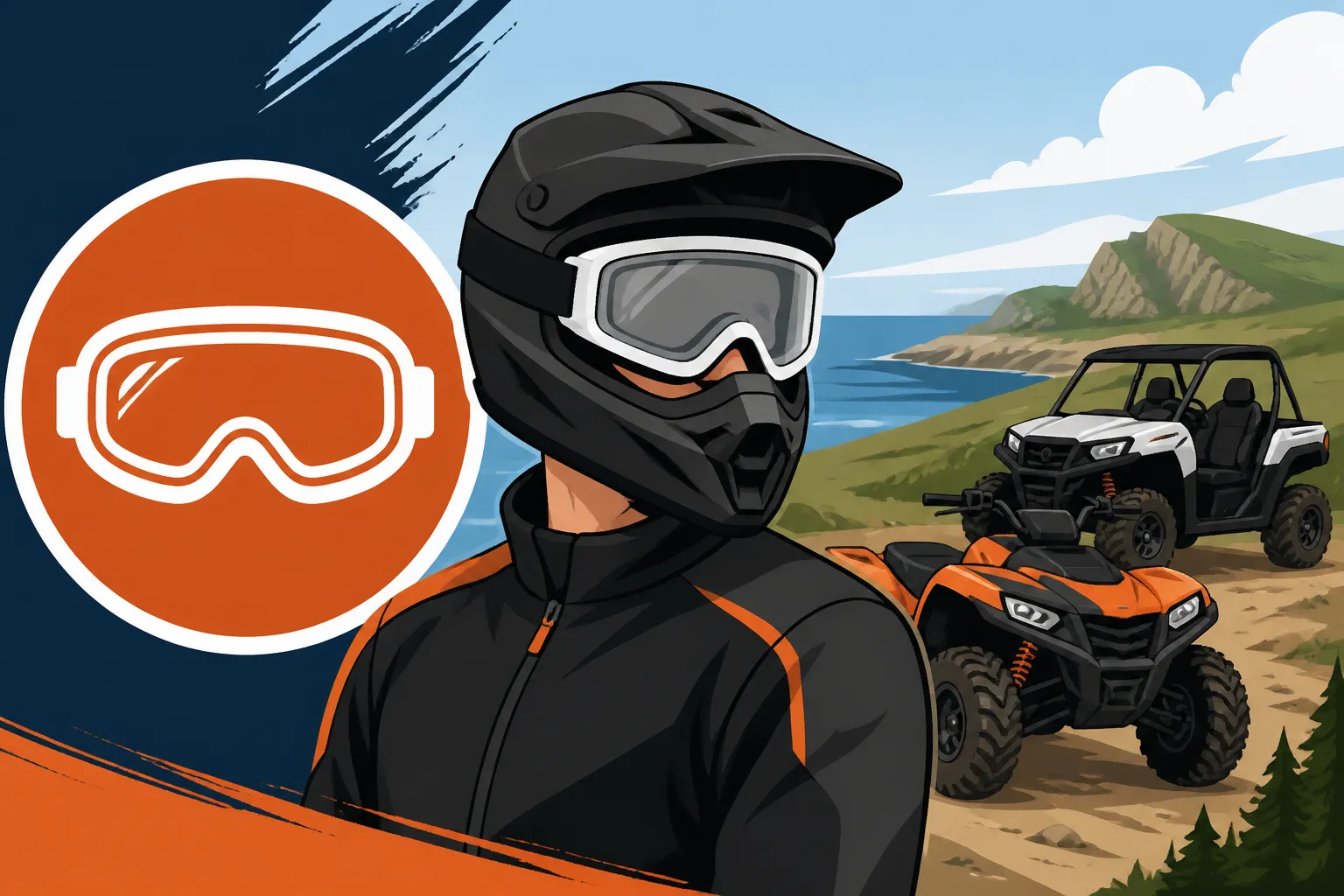
The Act specifies that eye protection must be "an eye protector worn in a manner that protects the eyes." While this wording offers a little flexibility, in practice, it means gear specifically designed to fully shield the eyes from impact and debris. Generally, this translates to purpose-built off-road riding goggles or a helmet with an integrated, securely lowered face shield. These types of protection are designed to form a barrier against flying objects, dust, wind, and even precipitation.
Standard eyeglasses or prescription glasses alone, while necessary for vision, are typically not considered adequate primary eye protection under the Act because they don't seal off the entire eye area. They leave gaps where dust, gravel, or insects can easily get in. The key is comprehensive coverage that stays put, even over rough terrain. If you choose to wear sunglasses, they should be a supplemental layer underneath proper goggles or a face shield, never a replacement. The expectation is that your eye protection provides a robust, impact-resistant shield that covers your full field of vision without impairing it. This ensures that whether you're enjoying a casual ride or taking part in [Newfoundland Poker Runs and Club Rides], you're protected.
Digging Deeper into Acceptable Eye Protection Gear
Understanding that "eye protection" is required is one thing, but knowing what kind of eye protection actually meets the legal standard and, more importantly, keeps you truly safe, is another. There's a wide range of gear out there, and choosing the right option depends on your machine, your riding style, and the conditions you typically encounter in Newfoundland. Let's break down the most common and effective choices.
Goggles: The Off-Road Standard
For many ATV and dirt bike riders, off-road goggles are the gold standard for eye protection. These aren't your average swimming goggles or safety glasses you'd wear in a workshop. Powersports goggles are engineered specifically for the demands of trail riding. They feature durable, impact-resistant lenses, often with anti-fog coatings to maintain clear vision in humid or rapidly changing temperatures. Good ventilation is also key to prevent moisture buildup inside the lens. The frame is designed to fit snugly against your face, often with multiple layers of foam to create a seal that keeps out dust and debris while absorbing sweat.
When selecting goggles, look for a wide field of vision to avoid tunnel vision, and a secure, adjustable strap that ensures they stay in place over your helmet, even when hitting bumps or navigating rough terrain. If you wear prescription glasses, many models are specifically designed to fit "Over The Glasses" (OTG), providing enough internal space for comfort without pinching. Companies like SuperATV offer a robust selection of goggles built to withstand the rigours of off-road adventures, featuring durable frames and scratch-resistant lenses. Remember, a good pair of goggles should feel comfortable for extended periods and integrate seamlessly with your helmet, like those meeting [Helmets Carrying the Canadian CSA Approval Marking] or [US-Approved Helmets Are Accepted on Provincial Trails].
Helmet Face Shields and Windshields
Many full-face helmets designed for off-road or dual-sport use come with an integrated face shield. When properly lowered and secured, these shields generally meet the eye protection requirement. The advantage here is convenience – with a simple flip, your eyes are protected. However, it's crucial that the face shield is clean, free from excessive scratches, and made from an impact-resistant material. A heavily scratched shield can impair vision, becoming a safety hazard in itself. Some riders prefer to ride with the face shield up for better airflow, but if you do, you must have supplemental eye protection, such as goggles, underneath.
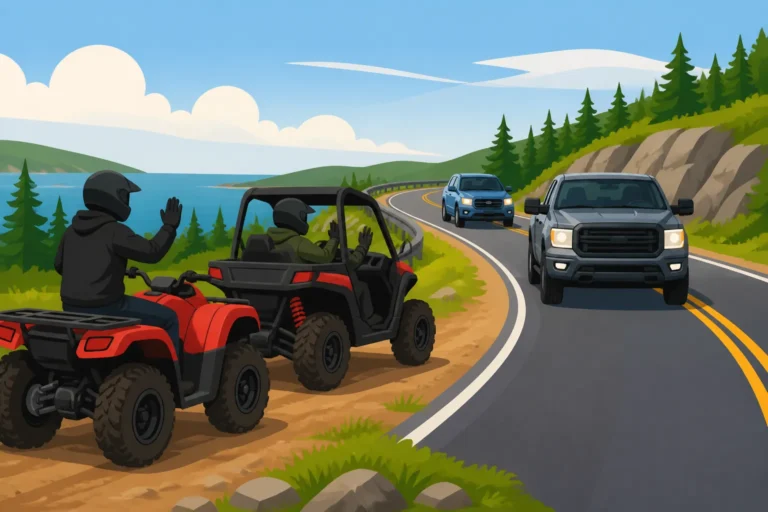
For side-by-side (UTV) riders, the presence of a windshield adds a layer of complexity. While a full windshield provides significant protection from wind, rain, and larger debris, it's important to understand that it typically does not replace the need for individual eye protection for occupants. Air currents, especially in open-cab UTVs or those with half-windshields, can still swirl dust, small stones, and insects into the cabin. Many UTV operators and passengers wisely choose to wear safety glasses or goggles even behind a windshield for that added peace of mind and protection. Think of the windshield as a primary barrier, but individual eye protection as your essential secondary defence, ensuring you always comply with [Newfoundland Rules for a Side-by-Side Driver]. The Act specifies "an eye protector," implying something worn by the individual, even if [Goggles Unless There Is a Windshield] might suggest a windshield is an alternative, it's safer to assume individual protection is still needed.
Special Circumstances and Exceptions to the Rule
While the general rule for eye protection in Newfoundland is quite clear – everyone on an ORV needs it – there are a few scenarios that sometimes lead to confusion. It's important to understand these specific situations to ensure you're always compliant and, most importantly, always safe. Misinterpreting the rules can lead to fines or, worse, preventable injuries.
Enclosed Cabs on Side-by-Sides
Modern side-by-sides often come with impressive features, including fully enclosed cabs with doors, solid roofs, and complete windshields that seal tightly. These setups mimic a car-like environment, and in such cases, where the occupants are genuinely sealed off from the elements and potential debris, the need for individual eye protection might be mitigated. If you're in a completely enclosed cab with the windows up, and the design truly prevents any foreign objects from entering the passenger compartment, then the enclosure itself acts as the primary eye protection.
However, this isn't a blanket exemption for all UTVs. Many side-by-sides have open designs, half-windshields, or you might ride with your windows down for ventilation. In these instances, you are still exposed to dust, branches, and other hazards, and individual eye protection (goggles or a face shield) remains mandatory. It's always a good idea to assess your level of exposure. If there's any chance of debris entering the cabin, wear your goggles. The safest approach, even in a fully enclosed UTV, is to have some form of eye protection readily available, just in case conditions or cabin configurations change, proving that [When an Enclosed Cab Replaces Eye Protection] is a very specific condition.
Hunting and Trapping Exceptions
This is one area where misunderstandings frequently arise, often due to a specific exception in the Act regarding helmets. While the [Newfoundland's Hunting and Trapping Helmet Exception] allows operators to remove their helmet while actively hunting, trapping, or travelling at very low speeds to or from these activities on Crown Land, this exception does not extend to eye protection. You are still legally required to wear proper eye protection even under these specific hunting and trapping circumstances.
The rationale is clear: even at slow speeds, your eyes remain vulnerable to unexpected hazards. A low-hanging branch, a sudden gust of wind kicking up debris from the ground, or even the recoil from a firearm could pose a risk to your unprotected eyes. Whether you're making one of your [Newfoundland Big Game Transport Trips] or simply heading to your cabin for the weekend, your eye safety remains paramount. Never assume that an exception for one piece of safety gear applies to all others. Always keep those goggles on, even when moving slowly in the woods.
The Repercussions of Riding Without Eye Protection
Riding without the legally required eye protection in Newfoundland isn't just a slight oversight; it carries real consequences that can impact your wallet, your insurance, and most importantly, your physical well-being. Peace officers are out on the trails to ensure everyone's safety, and compliance with all aspects of the Off-Road Vehicles Act is taken seriously. Ignorance of the law is rarely an acceptable excuse when facing a citation.
Fines and Penalties for Non-Compliance
If you're stopped by a provincial enforcement officer and found to be operating or riding as a passenger on an ORV without proper eye protection, you will likely face a fine. The amounts can vary depending on the specific infraction and whether it's a first or repeat offence, but rest assured, they are designed to be a significant deterrent. These fines can quickly add up, making the cost of a good pair of goggles seem negligible in comparison. It's a clear message from the authorities that safety equipment isn't optional.
Beyond the immediate financial hit, receiving a ticket can be a hassle, potentially requiring court appearances or adding to a provincial driving record, depending on how the offence is categorized. Officers are well within their rights to enforce these rules rigorously, understanding that proper gear, like [Newfoundland Helmet Law for Every Rider] and eye protection, directly contributes to reducing severe injuries. Save yourself the stress and expense by simply gearing up correctly every single time you head out on the trails. You can find more details on these costs in sections like [Newfoundland Fines Riders Ask About].
Insurance Implications and Accident Liability
The legal consequences aren't the only concern; your insurance coverage can also be affected if you're involved in an accident while not wearing the required eye protection. While your [Newfoundland Minimum Insurance Requirement] typically covers third-party liability (meaning damage or injury you might cause to others), your own personal injury or property damage claims could be complicated if you were found to be non-compliant with safety regulations at the time of the incident.
An insurance provider might argue that your injuries were preventable or exacerbated by your failure to wear appropriate eye protection. This could lead to a reduction or even denial of benefits for medical expenses or other damages directly related to an eye injury. Navigating an insurance claim after an accident is already stressful, and having a lapse in safety compliance can add a significant layer of financial burden and legal wrangling. Always ensure you're fully geared up, not just for the law, but to protect your future self in case of an unforeseen event.
Practical Tips for Choosing and Maintaining Eye Protection in Newfoundland
Selecting the right eye protection goes beyond simply meeting the legal minimum; it's about optimizing your comfort, vision, and overall safety for the unique riding conditions found across Newfoundland. From the humid coastal fogs to the dry, dusty barrens, our environment demands versatile and well-maintained gear. Investing a little time in choosing wisely and caring for your equipment will pay dividends on every ride.
Consider the Local Climate and Conditions
Newfoundland's weather is famously unpredictable, often changing dramatically within a single day. This means your eye protection needs to be adaptable. For instance, in areas prone to fog or on humid days, anti-fog coated lenses are a godsend, preventing your vision from becoming dangerously obscured. Many quality goggles come with good ventilation systems designed to minimize fogging, a crucial feature when you’re exerting yourself on challenging terrain.
Think about light conditions too. On bright, sunny days, a tinted or mirrored lens can reduce glare and eye strain, improving your ability to see contours and obstacles on the trail. However, for overcast days, late afternoon rides, or if you find yourself out after dark, a clear lens is absolutely essential for maximum visibility. Some goggle systems offer interchangeable lenses, allowing you to swap them out to match the conditions. For colder weather riding, ensuring your goggles create a good seal against your face can prevent cold air from causing your eyes to water excessively, which is both uncomfortable and unsafe. Robust options from brands like SuperATV are built to handle these diverse conditions, providing clarity and protection when you need it most.
Maintenance and Care for Longevity
Even the best eye protection won't serve you well if it's not properly maintained. Scratched, dirty, or damaged lenses severely impair vision, effectively defeating the purpose of wearing them. After every ride, take the time to clean your goggles or face shield. Use a soft cloth and a cleaning solution specifically designed for lenses, or simply mild soap and water. Avoid abrasive cleaners or paper towels, as they can scratch delicate lens coatings. Always let them air dry or gently pat them dry with a microfiber cloth.
When not in use, store your goggles in a protective bag or case to prevent them from getting scratched by other gear in your pack or on your machine. Regularly inspect the elastic strap on your goggles for stretching or damage, and check the foam seal for wear. If a lens becomes too scratched or cloudy, or if the frame is cracked, it's time for a replacement. A small investment in a new lens or a fresh pair of goggles is a small price to pay for clear, unobstructed vision and continued safety. Taking care of your gear ensures it's always ready to protect you, whether you’re heading out for [Newfoundland Cabin Road Riding] or a long trek across the barrens.
Eye Protection Types for Newfoundland Riders
To help you make an informed decision, here's a quick comparison of the common types of eye protection and their suitability for riding in Newfoundland.
| Eye Protection Type | Pros | Cons | Best Use Cases in NL |
|---|---|---|---|
| Off-Road Goggles | Excellent debris protection; anti-fog/ventilation options; many fit over prescription glasses (OTG); secure fit with helmet. | Can fog up in extreme humidity or cold; may need to remove helmet for quick adjustments; less convenient for brief stops. | Best for ATVs, dirt bikes, and open UTVs; dusty, muddy, high-speed, or wooded trails common in Newfoundland. |
| Helmet Face Shield | Integrated with full-face helmet; quick to flip up/down; good peripheral vision. | Can scratch easily; may not provide a perfect seal against fine dust/debris; can fog if not well-vented. | Good for ATVs and UTVs with partial enclosures; general trail riding in moderate conditions; always inspect for scratches. |
| Safety Glasses (ANSI Z87.1) | Lightweight, comfortable; good for casual use; inexpensive. | Limited peripheral protection; not sealed against dust/debris; can slip; generally insufficient as primary protection under Act. | Supplemental use under face shield; very slow speeds in controlled environments; not recommended as primary eye protection. |
| Full Windshield (UTV) | Shields from wind, rain, large debris; enhances passenger comfort. | Does not fully replace individual eye protection; air currents can still bring in dust; requires regular cleaning; can get obstructed by mud/rain. | Primary UTV barrier, but strongly recommended to supplement with individual goggles/glasses, especially in open cabs or rough conditions. |
Disclaimer
This article is for general informational purposes only and does not constitute professional advice. Laws, prices and regulations vary by location and change over time. Consult a qualified professional for guidance on your specific situation.