Newfoundland Duplicate Registrations at $25
It's incredibly frustrating when you're all set to hit the trails on your ATV or UTV, only to realize your registration permit is nowhere to be found. Whether it's been lost in a move, damaged beyond recognition, or simply misplaced, not having that crucial piece of paper can throw a wrench in your plans and even lead to issues if you're stopped. This guide will walk you through everything you need to know about obtaining a duplicate registration for your off-road vehicle in Newfoundland, ensuring you can ride with peace of mind.
The Frustration of Lost Documents: Why a Duplicate Registration Matters
We've all been there – that moment of panic when you can't find an important document. For off-road vehicle owners in Newfoundland, a missing registration permit isn't just an inconvenience; it can be a real headache. This permit is your official proof that your ATV or UTV is legally registered with the province, and without it, you might find yourself in a bind.
Common Scenarios for a Missing Registration Permit
Life happens, and sometimes vital paperwork gets lost in the shuffle. Perhaps you were doing a big spring clean of your cabin, and your permit accidentally got thrown out with some old magazines. Maybe you just moved across the island, and in the chaos of unpacking boxes, it vanished. Or perhaps, over years of being tucked into a glove compartment or tool bag, it’s become worn, torn, and unreadable. It's not uncommon for these documents to fade from sun exposure or get damp during an unexpected rain shower, rendering them illegible. Whatever the reason, realizing your registration is gone or damaged usually happens right when you need it most, like when you’re planning a big trip to the backcountry or preparing to sell your machine.
The Importance of Carrying Proof of Registration
You might think, "My machine is registered, that's what counts!" And while it's true that the provincial registry has your information on file, having the physical permit on hand is incredibly important. When a peace officer or trail warden asks for proof of ownership and registration, you need to be able to produce it. Failing to do so can lead to delays, questions, or even potential fines, depending on the circumstances. It's similar to needing to show your driver's license when you're operating a car – you know you have one, but you still need to present the physical card. For off-road vehicles, the registration permit serves this critical purpose. It confirms that you are the rightful owner, that all necessary fees have been paid, and that your machine is compliant with [Newfoundland's Off-Road Vehicles Act]. Keeping a copy, or at least a clear photograph, in a secure, accessible place is a good habit, but nothing quite replaces the official document itself for formal situations.
Understanding the Duplicate Registration Process in Newfoundland
When you discover your original ATV or UTV registration permit is missing or damaged, don't despair! Newfoundland's Motor Registration Division has a clear process in place to help you get a duplicate. It's designed to be straightforward, ensuring you can quickly get back to enjoying your machine.
The Official Fee and What It Covers
The good news is that obtaining a duplicate registration permit in Newfoundland comes with a modest, set fee. You’ll be looking at a charge of $25 to replace your lost or damaged document. It’s important to understand that this fee is purely for the administrative cost of reprinting and issuing a new permit. It's not a renewal fee, because in Newfoundland, off-road vehicle registrations don't expire as long as you own the machine! [Newfoundland Registrations Never Expire]. This $25 covers the processing time, the paper, and the secure issuance of your new, official document, ensuring that your details are accurate and properly recorded in the provincial system. It's a small price to pay for the peace of mind and legal compliance that comes with having your paperwork in order.
Who Can Request a Duplicate and Why
Generally, only the registered owner of the off-road vehicle can request a duplicate registration permit. This is a crucial measure to prevent fraud and ensure that sensitive information about a machine's ownership isn't handed out lightly. If you are a co-owner listed on the original registration, you would also typically be able to make this request. In some cases, a legally designated representative might be able to apply, but this usually requires formal documentation like a power of attorney, which explicitly grants them permission to act on your behalf in such matters. For those needing formal documents, platforms like LawDepot can be useful for drafting legally sound forms for designated representatives or powers of attorney, ensuring everything is above board before you approach the registry. The "why" is simple: you need official proof of registration for various reasons, including compliance with the law, selling your machine, or even resolving disputes about ownership.
Necessary Documentation for Your Application
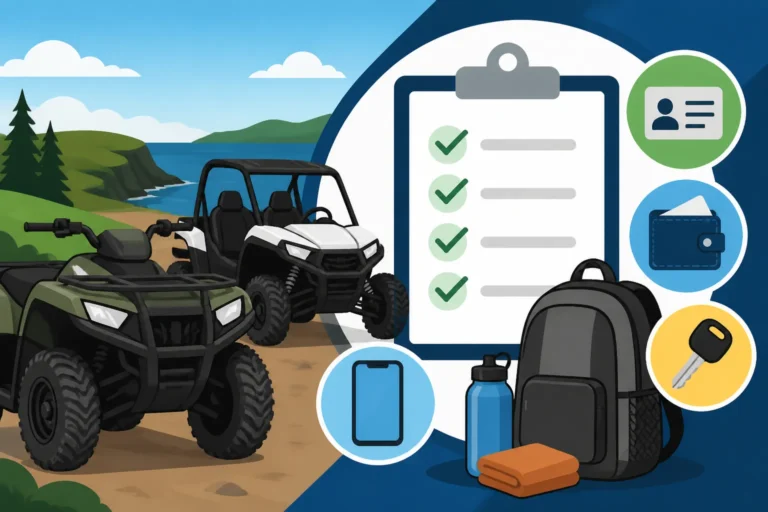
When you head to the Motor Registration Division to request your duplicate, you'll need to come prepared with specific documentation. First and foremost, you'll need proof of your identity. This typically means a valid driver's license or another government-issued photo ID. The registry needs to confirm that you are indeed the registered owner attempting to get the duplicate. You should also have as much information about your ATV or UTV as possible, even if you don't have the original permit. This includes the Vehicle Identification Number (VIN), the make, model, and year of the machine. If you happen to have any old insurance slips, a previous bill of sale, or even a photograph of the original permit, bring those along too. While not always strictly required for a duplicate, they can help expedite the process, especially if there's any confusion about your records. Having thorough [Newfoundland Registration Paperwork Explained] on hand ensures a smoother visit.
Step-by-Step: How to Get Your Duplicate ATV/UTV Registration
Getting a duplicate registration permit might seem daunting, but it's a fairly straightforward process if you follow the right steps. Navigating government offices can sometimes feel like a maze, so we'll break it down to make it as simple as possible.
Gathering Your Personal and Machine Information
Before you even think about leaving your house, take some time to gather all the necessary information. This proactive step can save you a significant amount of time and a potential second trip to the registry. You’ll need your full legal name, current address, and any previous addresses that might be associated with your off-road vehicle registration. For the machine itself, locate the Vehicle Identification Number (VIN). This unique 17-character code is usually found on the frame of your ATV or UTV and is essential for identifying your specific machine in the provincial database. Also, note down the make, model, and year of your vehicle. If you've had your machine for a while, it's a good idea to confirm that the address on file with the Motor Registration Division matches your current residence. If you've moved and haven't updated your address, you might need to handle that first or simultaneously. Remember, keeping your information up-to-date is a key part of responsible ownership.
Visiting the Motor Registration Division Office
Once you have all your details ready, your next step is to visit a Motor Registration Division office. In many locations, it’s highly recommended, or even required, to book an appointment in advance. This helps manage foot traffic and ensures that staff are available to assist you without a long wait. You can typically find information on booking appointments on the provincial government's official website. When you go, be sure to bring your proof of identity, such as your valid driver's license. Be prepared to fill out a short application form for the duplicate registration. The staff there are generally helpful and can guide you through any specific requirements or questions you might have. Making an [Newfoundland Registration by Appointment] can significantly streamline your visit.
Alternative Methods for Applying (If Available)
While visiting an office in person is often the most direct way to get a duplicate registration, some jurisdictions offer alternative methods. Depending on the most current provincial government services, you might be able to apply by mail. This would typically involve downloading and printing the application form, filling it out, enclosing a cheque or money order for the $25 fee, and mailing it to the appropriate address. However, mailing sensitive documents and payments always carries a small risk, and processing times can be longer. Online options, if available, would involve logging into a secure government portal, submitting your details, and paying the fee electronically. It's always best to check the official government website for the most up-to-date information on available application methods and their specific instructions. For certain legal or administrative documents, you might find services like LawDepot helpful if you need to create any supplementary forms for authorization or other purposes that might allow someone else to apply on your behalf, though this is less common for a simple duplicate registration.
Common Pitfalls and Troubleshooting Your Duplicate Request
Even with the best preparation, sometimes things don't go exactly as planned. When dealing with official documents like your off-road vehicle registration, it's wise to be aware of potential issues and how to resolve them. Understanding these common pitfalls can save you time and frustration.
When Your Information Doesn't Match Records
One of the most common hiccups when requesting a duplicate registration is when the information you provide doesn't perfectly align with the records held by the Motor Registration Division. This could happen for several reasons: perhaps you've changed your name since the original registration (due to marriage, for example) and haven't updated your records, or your address on file is an old one. Sometimes, an error might have occurred during the initial registration process. If your details don't match, the registry staff will usually ask for additional proof. This might mean bringing in a marriage certificate, proof of a legal name change, or utility bills to confirm your current address. It’s a good reminder to always keep your contact information current with the provincial authorities. If you've had a significant life event like a name change, ensuring all your legal documents are updated, perhaps with the help of templates from resources like LawDepot, can prevent future headaches at the registry.
Dealing with Lost or Stolen Identification Plates
It's important to distinguish between your registration permit and your physical identification plate (sometimes referred to as a decal, though Newfoundland issues plates for most ORVs). While this guide focuses on replacing the paper permit, losing or having your plate stolen is a separate issue with its own process and fee. If your physical plate is gone, you'll need to apply for a replacement plate. This usually involves reporting it lost or stolen to the police, and then applying to the Motor Registration Division. The fee for a replacement plate is different from a duplicate permit, typically costing around [Newfoundland Replacement Plates at $30]. Make sure you clarify exactly what you need when you contact the registry to avoid confusion and ensure you get the correct replacement.
Understanding Processing Times and Follow-Up
Once you've submitted your application and paid the $25 fee for a duplicate registration, you might be eager to know when you'll receive your new document. In most cases, if you apply in person, they might be able to print and issue the duplicate right then and there. However, depending on the volume of requests or if there are any discrepancies in your records, it might take a few business days. If you're applying by mail, expect a longer turnaround time, factoring in mailing both ways plus internal processing. It's always a good idea to ask the registry staff about the estimated [Newfoundland Registration Processing Time] when you submit your application. If you haven't received your duplicate within the expected timeframe, you can follow up with the Motor Registration Division, usually by phone, quoting any reference number or details from your application.
Keeping Your New Registration Safe: Best Practices
You've gone through the trouble of getting a duplicate registration permit, so the last thing you want is to lose it again! Implementing a few best practices for document management can save you from future headaches and ensure you always have access to your important off-road vehicle paperwork.
Physical Storage vs. Digital Backups
When you receive your new registration permit, consider where you'll keep it. Many riders keep the original permit in a secure, waterproof document holder on their ATV or UTV. However, a safer approach is to keep the original in a secure place at home, like a fireproof safe or a dedicated document file. Then, carry a high-quality, laminated photocopy of the permit on your machine. This way, if the copy gets damaged or lost on the trail, your original is still safe. In addition to physical copies, creating digital backups is a smart move. Take clear photos of both sides of your registration permit and store them in a cloud service (like Google Drive or Dropbox) or on an encrypted USB drive. This provides an easily accessible backup that can be retrieved from your phone or computer if needed. Remember, while a digital copy can be helpful for quick reference, an official physical document is usually required for formal situations.
What to Do If You Sell Your Machine Later On
Even though you’ve just replaced your permit, it’s worth thinking about the long term. If you eventually decide to sell your registered ATV or UTV, having all your paperwork in order, including a valid registration permit, is absolutely critical. A clean, current registration facilitates a smooth transfer of ownership. When you sell, you and the buyer will need to complete specific paperwork for the Motor Registration Division to update their records. Without the original registration permit (or a valid duplicate), the transfer process can become complicated, requiring additional steps to prove ownership. This is especially true if you are selling to a private buyer who will need confidence in the machine's provenance. For a detailed breakdown, check out [What Happens to Your Registration When You Sell].
Why an Updated Bill of Sale Can Be Your Best Friend
While the registration permit itself is the official document from the province, a well-maintained bill of sale provides an equally important chain of ownership. When you acquired your ATV or UTV, you should have received a bill of sale. If you ever have questions about previous ownership, or if the registry’s records are unclear, a complete bill of sale from each prior owner can provide invaluable proof. Even for your own peace of mind, it’s wise to ensure you have a clear, signed bill of sale from when you purchased the machine, even if it was years ago. If you ever need to create or update a bill of sale for any reason, perhaps if you’re transferring ownership within the family or simply formalizing a verbal agreement, reputable services like LawDepot offer templates that can help you draft a legally sound document, making any future transactions much smoother.
| Service Type | Description | Common Fee (Approx.) |
|---|---|---|
| Initial Registration | First-time registration of an ORV | $95 (ATV) / $5 (Trail Bike) |
| Duplicate Permit | Replacement for lost/damaged registration document | $25 |
| Replacement Plate | Replacement for lost/stolen physical identification plate | $30 |
| Transfer of Ownership | Changing registered owner after a sale/gift | $16 (Seniors) / Other fees apply |
| Transfer on Death | Changing registered owner after owner passes away | No Charge |
Beyond the Duplicate: Related Registration Considerations
Getting your duplicate registration sorted out is a big step, but it's also a good opportunity to consider some other aspects of off-road vehicle registration in Newfoundland. The provincial system has some unique features that riders should be aware of, especially when it comes to long-term ownership and potential changes in your life.
Understanding Newfoundland's Unique "Pay Once" System
One of the most remarkable features of off-road vehicle registration in Newfoundland is its "pay once" system. Unlike many other jurisdictions where you have to renew your registration annually or every few years, in Newfoundland, you pay a one-time fee, and your registration remains valid for as long as you own the machine. This means you won't be receiving annual renewal notices in the mail – a pleasant surprise for many! This unique approach underscores the importance of the initial registration and ensuring all your details are correct from the outset. It also means that when you get a duplicate, it’s simply a reprint of that enduring, original registration. For more on this, you can look into [Newfoundland ORV Registration You Pay Once] and [Newfoundland Registration Valid While You Own It]. This system highlights why having that physical proof, even years down the line, is so critical, as you won't have a new sticker or document arriving to replace it periodically.
Tax Implications When Dealing with ORV Transfers
Beyond the registration fee itself, there are also tax implications to consider, especially if you're thinking about buying or selling an off-road vehicle. When you purchase a new ATV or UTV from a dealer, Harmonized Sales Tax (HST) will apply to the purchase price. However, even in a private sale between individuals, there can be provincial sales tax implications, which the buyer is typically responsible for paying upon transfer of ownership. The amount and specific rules can vary, so it's always wise to check the current provincial tax guidelines. This is a separate cost from the registration fee itself and is usually handled at the time of transfer at the Motor Registration Division. Understanding these costs, like [Newfoundland HST on an ATV Purchase], helps you budget properly whether you're buying or selling.
What Happens if Your Address Changes
Your registration permit contains your physical address, and it's your responsibility as an off-road vehicle owner to keep this information current with the Motor Registration Division. If you move, even if it's just across town, you are legally required to notify the registry of your new address within a specified timeframe (typically 10 days). Failing to update your address could mean you miss important communications from the province, and it could also cause issues if you ever need to prove your residence in relation to your machine. Updating your address is usually a simple process, often done online or in person, and doesn't typically require a new duplicate registration unless you want one printed with the new address. However, it's a good practice to ensure all your official documents reflect your current residency. You can learn more about this process in [Newfoundland Registration Address Change].
Disclaimer
This article is for general informational purposes only and does not constitute professional advice. Laws, prices and regulations vary by location and change over time. Consult a qualified professional for guidance on your specific situation.