Matching Engine Size to a Child’s Age and Weight
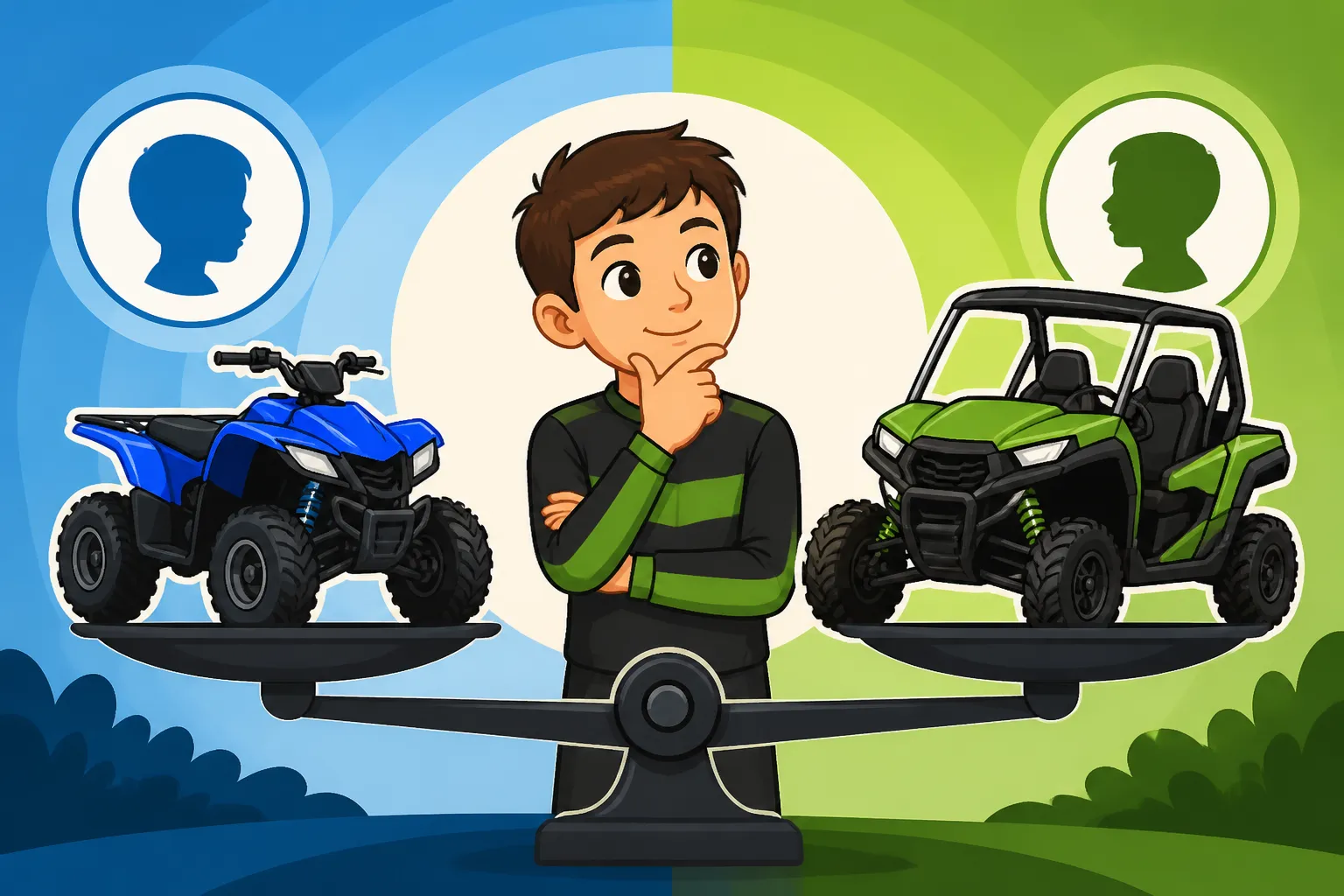
It’s a natural dilemma for any parent in Newfoundland looking to introduce their child to the exciting world of ATVs and UTVs: how do you pick the right machine that's both fun and, more importantly, safe? The truth is, there's a lot of confusing information out there, and the thought of putting your child on a machine that's too powerful or too heavy can be a real source of anxiety. This guide is here to cut through the noise, helping you understand how to match engine size to your child's age and weight, ensuring a safer and more enjoyable riding experience for everyone.
Why Engine Size Matters for Young Riders
When we talk about ATVs and UTVs for kids, the engine size isn't just about how fast it can go. It’s fundamentally about control, stability, and the child's ability to react safely to different riding conditions. A machine that’s too powerful for a child can quickly get away from them, leading to loss of control, accidents, and potentially serious injuries. It’s not just the speed, but the acceleration, the weight of the machine, and how easily a child can maneuver it.
Think of it like learning to drive a car. You wouldn't put a brand-new driver, especially a teenager, behind the wheel of a high-performance sports car right off the bat. They need to learn the basics, understand the nuances of control, and build confidence on something more manageable. The same principle applies, perhaps even more so, to off-road vehicles where terrain can be unpredictable and reaction times are crucial. A child simply doesn't have the physical strength, coordination, or decision-making skills to handle a full-sized or overpowered machine. [Newfoundland ATV Age Requirements] are in place for a reason, aiming to mitigate these risks.
The Dangers of Overpowering a Young Rider
One of the biggest mistakes parents can make is assuming a child will "grow into" a larger machine. This often backfires, creating a riding experience fraught with peril. A machine with too large an engine will have an excess of power that can cause sudden, uncontrolled acceleration. This can be terrifying for a young rider and lead them to panic, making incorrect decisions like squeezing the throttle instead of braking. Imagine a small child trying to bring a machine to a stop if it suddenly surges forward – their hand strength might not be enough to effectively use the brakes while simultaneously trying to manage a surging engine.
Furthermore, an overpowered machine is often heavier and larger than what a child can comfortably handle. If the machine starts to tip or get stuck, a child might not have the physical strength to stabilize it or pull it out, leading to situations where they could be pinned or injured. The ergonomics of a larger machine also come into play; if a child can't comfortably reach the handlebars, footpegs, and controls, their ability to steer, brake, and shift their weight is severely compromised. It’s not just about what the engine can do, but what the child can control.
The Role of Weight and Stability
Engine size often correlates with the overall weight and dimensions of the ATV or UTV. A larger engine typically means a heavier frame, wider stance, and more mass to manage. For a young rider, this directly impacts stability and maneuverability. If the machine is too heavy, a child will struggle to shift their weight effectively to counter leans, especially on uneven terrain or when turning. This significantly increases the risk of rollovers, which can be incredibly dangerous.
Consider riding through a patch of soft mud or over some tricky rocks. A properly sized machine allows a child to use their body weight to help navigate these obstacles, maintaining balance and traction. If the machine is too heavy, the child becomes a passenger rather than an active operator, unable to influence its movement or prevent it from getting stuck or tipping. Manufacturers like SuperATV offer various aftermarket components for different machine sizes, but the core issue of weight distribution and a child's ability to handle the machine's inherent mass remains paramount. Matching the machine’s weight to the child’s is just as critical as matching horsepower.
Newfoundland's Guidelines for Young Riders
Newfoundland takes the safety of young off-road vehicle riders seriously, and the regulations reflect this. It’s not just about what feels right; it’s about adhering to the law and ensuring a safe environment for everyone on the trails. These guidelines are designed to prevent accidents and promote responsible riding from an early age. Ignoring these rules not only puts your child at risk but can also lead to fines and legal consequences. Understanding [Newfoundland Rules for a 12-Year-Old Rider] versus a [Newfoundland Rules for a 15-Year-Old Rider] is crucial for compliance and safety.
The province's Off-Road Vehicles Act outlines specific age requirements for operating different classes of machines, and these are often tied to engine displacement or power output. It’s not just a suggestion; it’s a legal framework intended to protect children who may not fully understand the risks involved in operating these powerful machines. This commitment to safety extends to other areas, such as mandatory safety training, which is a critical component for young riders.
Age and Engine Displacement Recommendations
While specific engine sizes aren't explicitly mandated for every single age in Newfoundland's legislation, the general principle is clear: younger riders should be on smaller, less powerful machines. The guidelines usually align with industry standards and best practices, categorizing machines by engine size (e.g., 50cc, 90cc, 125cc, etc.) and recommending appropriate age ranges.
Here’s a general breakdown, which you should always cross-reference with the latest provincial regulations and the specific manufacturer’s recommendations for each model:
| Age Group | Recommended Engine Size (Approx.) | Key Considerations |
|---|---|---|
| 6-9 Years Old | Up to 70cc (ATV) | Generally single-cylinder, automatic transmission, speed limiters. Smallest frame. |
| 10-13 Years Old | 70cc to 90cc (ATV) | Still automatic, but slightly more power. Frame size increases to accommodate growing riders. |
| 14-15 Years Old | 90cc to 125cc (ATV) | Can include manual transmission options, more robust suspension. Requires greater physical maturity and decision-making. |
| 16+ Years Old | 125cc and above (ATV/UTV) | Approaching adult-sized machines. Some UTVs might be appropriate with proper supervision. Full physical control and judgment needed. |
It's important to remember that these are general guidelines. A physically small or less experienced 10-year-old might be better off on a 70cc machine, even if a 90cc is technically "allowed" for their age group. Always consider the individual child's maturity, experience, and physical capabilities. Never assume that because a child can reach the controls, they should be on that machine. [Newfoundland Training for an Adult] is critical, but so is matching the machine to the child.
Mandatory Training and Supervision
Beyond engine size, Newfoundland emphasizes mandatory safety training for young riders. This isn't just a suggestion; it's a legal requirement. Any person under the age of 16 operating an off-road vehicle must successfully complete an approved off-road vehicle safety training course. This course covers everything from safe riding techniques and hazard awareness to basic machine maintenance. It’s about building foundational skills and instilling a safety-first mindset from the beginning. [Newfoundland Safety Training Is Mandatory] for a good reason – it saves lives.
Furthermore, children under a certain age are also required to be supervised by an adult while riding. This supervisor must be at least 18 years old and hold a valid driver's licence. The supervisor isn't just there to watch; they are responsible for ensuring the child is riding safely, adhering to all rules, and is on an appropriate machine. They act as a mentor, guiding the child through challenging terrain and teaching them responsible riding habits. This adult presence is invaluable, especially when children are still developing their judgment and reaction skills. It's not enough to simply have the right machine; you need the right supervision and training to go with it.
Factors Beyond Engine Size
While engine size is a critical starting point, it's far from the only factor to consider when ensuring a safe riding experience for your child. A proper fit goes much deeper, encompassing the child's individual capabilities, the features of the machine itself, and the environment they'll be riding in. Overlooking these additional elements can undermine even the best intentions regarding engine matching.
Thinking holistically about safety means looking at the rider, the machine, and the environment as an interconnected system. For instance, a child might be the right age for a 90cc ATV, but if they haven't had proper training, or the machine lacks essential safety features, that "right size" can quickly become a dangerous mismatch. It’s about creating a comprehensive safety net.
Rider Skill and Maturity
Every child develops at their own pace, and chronological age is not always a perfect indicator of skill and maturity. Some 10-year-olds might have excellent coordination, quick reflexes, and a cautious disposition, making them well-suited for a more capable machine within their age bracket. Others, however, might be more impulsive, easily distracted, or lack the physical strength required, even if they technically fit the age recommendation. As parents, we have to be honest about our child's individual abilities.
A truly responsible approach involves assessing your child's:
- Physical Strength: Can they comfortably turn the handlebars, operate the brakes, and shift their weight?
- Coordination: How well do they manage multiple controls at once (throttle, brakes, steering)?
- Decision-Making: Do they understand risks? Can they make quick, safe choices under pressure?
- Attention Span: Are they easily distracted, or can they focus on the task of riding?
- Temperament: Are they reckless or cautious? Do they listen to instructions?
Starting with a less powerful machine, even if your child could technically handle more, allows them to build confidence and skills gradually. You can always move them up to a larger machine as they gain experience and demonstrate consistent safe riding habits. [Newfoundland Rules for a Child Passenger] also speak to the need for maturity, even in those not operating the machine.
Machine Features and Safety Enhancements
Modern youth ATVs and UTVs come with a range of features designed to enhance safety, and these should be a significant part of your decision-making process. These aren't just bells and whistles; they are crucial elements that can help mitigate risks.
Look for machines that include:
- Speed Limiters: Many youth models come with adjustable speed limiters or throttle governors. This allows parents to set a maximum speed, ensuring the child can't go faster than their skill level permits. You can gradually increase the speed as they gain experience.
- Remote Shut-Off: Some machines offer a remote kill switch that allows a supervisor to stop the engine from a distance if the child loses control or gets into trouble. This provides an immediate safety override.
- Parent-Adjustable Controls: Features like adjustable throttle, steering, and suspension can help customize the machine to the child's size and strength, ensuring a more comfortable and controllable fit.
- Footwells and Hand Guards: These offer protection from debris and help keep hands and feet safely within the machine's confines. SuperATV provides a variety of protective accessories that can be added to youth machines for enhanced safety.
- Roll-Over Protective Structures (ROPS) and Seatbelts (for UTVs): If you're considering a youth UTV, a strong ROPS and properly functioning seatbelts are non-negotiable. These offer critical protection in the event of a rollover. [Newfoundland Seat Belt Requirements] are in place for a reason.
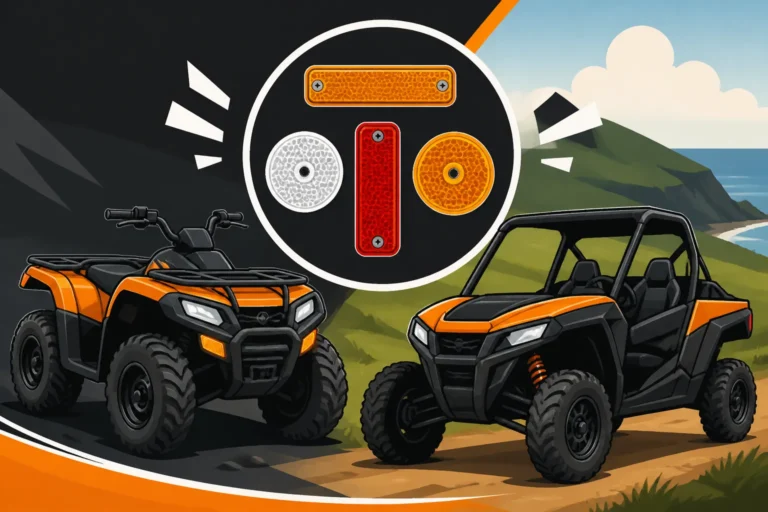
Beyond these, ensure the machine is well-maintained. Brakes, tires, and lights should always be in top working order. A pre-ride inspection is essential every single time your child rides.
Making the Right Choice for Your Child
Choosing the right ATV or UTV for your child is a journey that involves research, observation, and careful consideration. It’s not a one-time decision but an ongoing commitment to their safety and development as a rider. By taking a thoughtful approach, you can provide them with a fantastic opportunity to enjoy the great outdoors in Newfoundland responsibly.
The key is to prioritize safety above all else, even if it means starting smaller or slower than your child might initially want. Their long-term enjoyment and well-being depend on it. Remember, off-road riding is a skill that needs to be learned and honed, and providing the right tools from the start makes all the difference.
Where to Find Appropriate Youth Machines
When you're ready to look for a machine, start with reputable dealerships that specialize in ATVs and UTVs. They can provide expert advice, show you various models, and explain the safety features of each. Brands like Polaris, Can-Am, Yamaha, and Honda all offer youth models designed specifically for different age groups and skill levels. Don’t hesitate to ask questions about engine size, weight limits, and available safety features.
Look for models that emphasize safety and ease of use, often featuring lower power outputs, automatic transmissions, and parental control options. Many dealerships will allow your child to sit on a machine to see if they can comfortably reach the controls and footpegs, which is an excellent way to gauge fit. Also, explore resources from organizations like the ATV Association of Newfoundland and Labrador (ATVANL), which often have information on appropriate machines and local training opportunities.
Test Riding and Progressive Skill Development
Once you've narrowed down your choices, consider how your child will actually experience riding. If possible, arrange for them to try out a suitably sized machine under controlled conditions. Pay close attention to how they handle it:
- Can they easily start and stop?
- Do they have good control over the steering?
- Are they able to react smoothly to inputs?
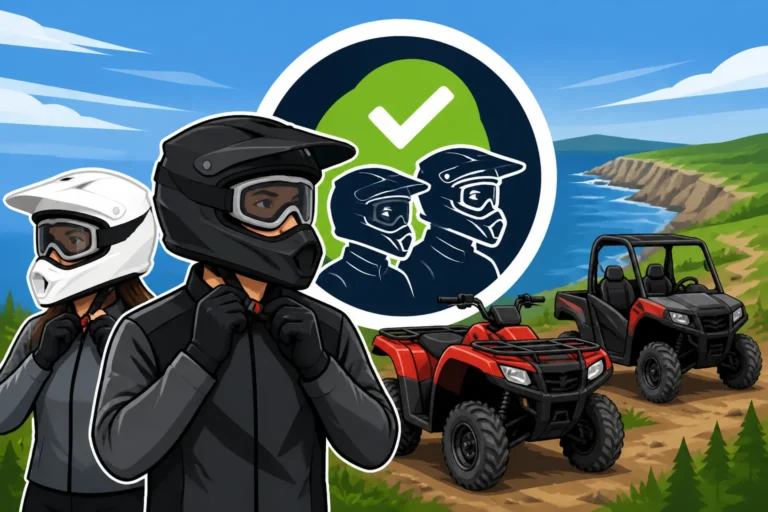
Start them in a flat, open area with no obstacles, gradually introducing more complex terrain as their skills improve. This progressive approach is crucial. Don't throw them onto a challenging trail their first time out. Reinforce the [Newfoundland Helmet Law for Every Rider] and ensure they are always wearing all appropriate safety gear, including helmets, eye protection, gloves, long pants, and sturdy boots.
Remember, riding is a skill that develops over time. Encourage patience and emphasize safe practices every step of the way. With the right machine, proper training, and consistent supervision, your child can safely enjoy the thrill of off-road adventures across Newfoundland's beautiful landscapes. This methodical approach ensures they not only meet [Newfoundland Equipment Requirements] but develop into confident and responsible riders.
Disclaimer
This article is for general informational purposes only and does not constitute professional advice. Laws, prices and regulations vary by location and change over time. Consult a qualified professional for guidance on your specific situation.