How a Town Council Writes Its Own ORV Bylaw
It can feel like navigating a maze sometimes, can't it? One minute you're riding your ATV or UTV on an approved trail, the next you're wondering if that side road is legal, only to find out the rules are different in the next town over. This guide is here to shed some light on that confusion, breaking down exactly how a town council in Newfoundland goes about writing its own Off-Road Vehicle (ORV) bylaw, and why those local rules can feel so varied.
The Initial Spark: Why a Town Considers an ORV Bylaw
Every local ORV bylaw starts with an idea, a need, or sometimes, a pressing problem. It’s not just about councils deciding on a whim; there’s usually a very real, often local, reason behind it. Understanding this 'why' can help us all appreciate the complexity involved.
Addressing Public Concerns and Safety
Let's be honest, not everyone loves the sound of an ATV roaring past their window on a Sunday morning. One of the biggest drivers for a town council to consider an ORV bylaw is often a flurry of public complaints. These can range from noise pollution, especially if machines are being ridden too close to residential areas, to concerns about safety. Maybe there's been an incident involving an ORV on a town street, or perhaps residents are worried about children playing near an area that riders are frequently using.
Imagine living on a quiet street that suddenly becomes a shortcut for riders trying to get to a nearby trail. The council hears from frustrated homeowners who are concerned about property values, dust, and the sheer volume of traffic. They're worried about the speed of machines, the potential for accidents involving pedestrians or other vehicles, and how these machines might impact children or pets. These aren't minor concerns; they're deeply rooted in community well-being and a desire for peace and safety. It's a tricky balance, as councils want to support local recreation and tourism, but they also have a responsibility to ensure their residents feel safe and heard.
Responding to Rider Advocacy and Economic Opportunity
On the flip side, sometimes the spark for a bylaw comes from the riding community itself, or from local businesses looking to boost their economy. ATV and UTV clubs are often well-organized and passionate about their sport. They might approach the council with a well-researched proposal, outlining specific routes that could be opened safely to connect trails, access fuel, or even just get from one part of town to another without having to trailer their machine. They'll argue for the economic benefits – riders spending money in local shops, gas stations, restaurants, and accommodations.
Think of a small town that relies heavily on tourism. If opening up certain streets to ORV traffic means more riders will visit, stay overnight, and buy supplies, that's a huge incentive for the council to act. These proposals often highlight how ORV access can revitalize a struggling main street or support local outfitters. Councils might even see it as a way to formalize and manage riding that's already happening informally, bringing it under regulation rather than simply ignoring it. It's about finding ways to integrate ORV use responsibly, turning a potential nuisance into a valuable community asset. This is where you might hear discussions about [Newfoundland Municipal Road Bylaws] and how they can be tailored to foster both safety and economic growth.
The Drafting Table: From Idea to Proposed Regulation
Once a town council decides to move forward, the real work of drafting begins. This isn't just about pulling something out of thin air; it involves careful research and consideration to ensure the bylaw is effective, fair, and, most importantly, legal.
Researching Existing Provincial and Municipal Rules
The first step for any town council is to understand the bigger picture. They can't just make up rules that contradict provincial law. The province's [Newfoundland's Off-Road Vehicles Act] sets the overarching framework for ORV use. Local bylaws must align with this act, clarifying specific rules for local roads or areas rather than overriding provincial mandates. This means town staff, often with legal counsel, will meticulously pore over the provincial act and its associated regulations.
They'll also look at what other municipalities in Newfoundland are doing. If a neighbouring town has successfully implemented a bylaw that addresses similar concerns, it provides a valuable template. This isn't about copying blindly, but learning from their experiences – what worked, what didn't, and what unforeseen challenges arose. This research ensures that the new bylaw isn't creating unnecessary conflicts or setting precedents that could cause problems down the line. It's about due diligence, making sure that when they put pen to paper, they're building on a solid foundation of existing legal structures and best practices.
Identifying Local Needs and Specific Restrictions
This is where the bylaw truly becomes 'local.' With the provincial framework in mind, the council must then identify the specific streets, times, and types of machines that will be affected within their own community. Are they looking to connect two trail sections? Do they want to allow ORVs on town roads only to access services like gas stations or grocery stores? Will there be specific hours of operation, or seasonal restrictions? These are all questions that need concrete answers.
For example, a bylaw might designate specific low-traffic streets where ORVs are permitted during daylight hours, perhaps with a strict speed limit of [Newfoundland's 20 km/h Shoulder Limit] if riding on a shoulder is allowed, or even lower on residential roads. They might also consider what equipment is necessary for machines to operate safely on these designated routes. This could include requirements for headlights, taillights, mirrors, or even specific tire types. Riders often modify their machines with aftermarket parts to enhance safety and compliance. Brands like SuperATV offer a wide array of accessories, from turn signal kits to mirrors, that riders might install to meet these kinds of local bylaw specifications, helping to ensure their machines are visible and equipped for shared road use. The bylaw aims to strike a balance: enabling access while protecting public safety and maintaining community peace.
Public Input and Provincial Oversight: The Bylaw's Journey to Approval
Drafting a bylaw is only part of the process. For it to truly reflect the community's needs and gain legitimacy, it needs public input and, often, provincial blessing. This two-stage process ensures transparency and adherence to broader governmental standards.
Engaging the Community: Public Meetings and Feedback
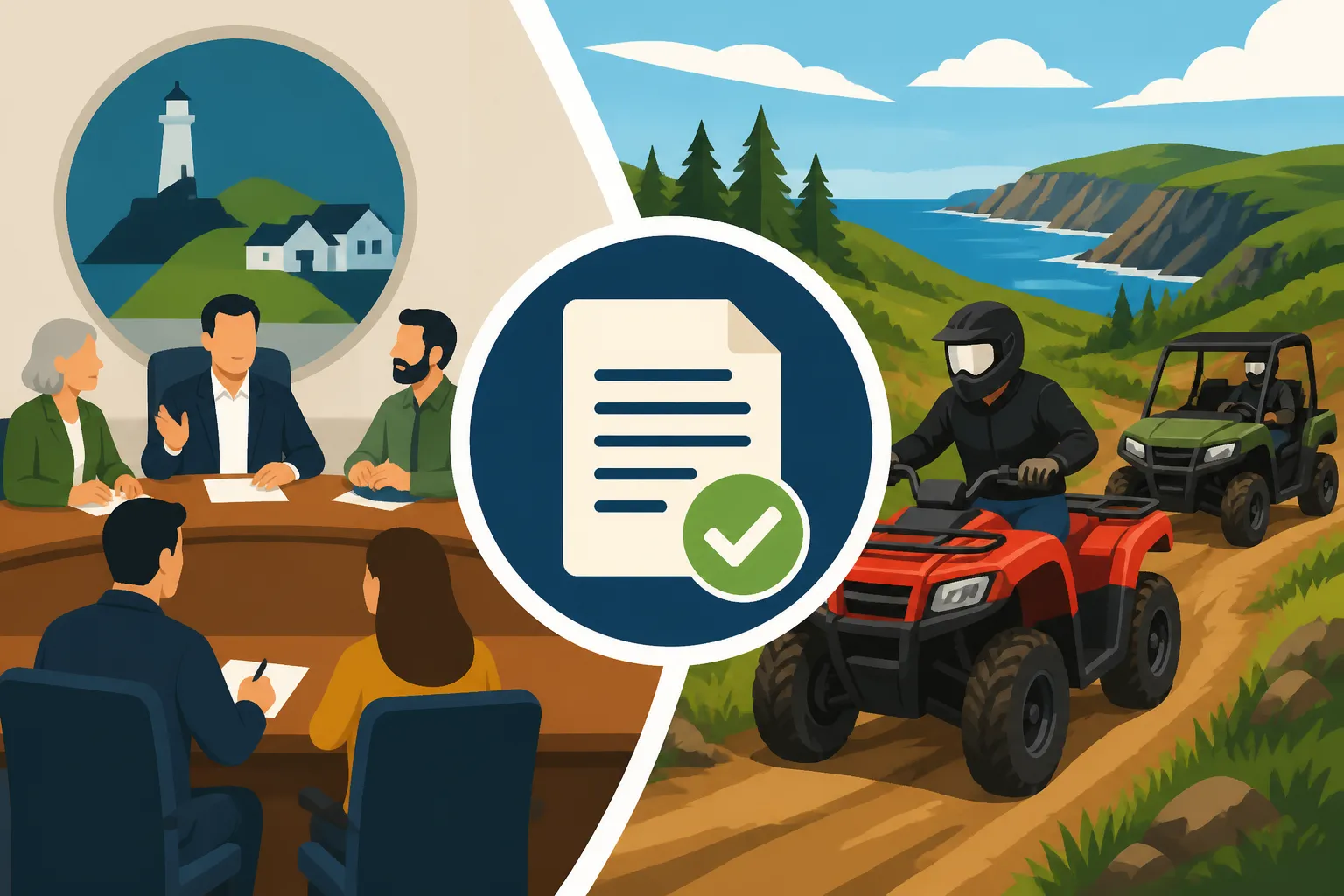
A town council can't just impose new rules without hearing from the people they affect. This is where public consultation comes in. Councils will typically hold public meetings, advertise the proposed bylaw, and invite residents, business owners, and ORV riders to provide their feedback. This is your chance to speak up, whether you're a frustrated homeowner or an avid rider with suggestions for safe access. These meetings can sometimes be heated, with strong opinions on both sides.
The council needs to listen carefully to all perspectives. They might receive written submissions, emails, and phone calls. This feedback is crucial; it helps them identify unforeseen issues, refine specific clauses, or even realize that certain proposed routes are simply unworkable. Maybe a proposed road cuts too close to a school, or a designated parking area creates too much noise for nearby residents. This open dialogue helps shape the final document, ensuring it's not just the council's vision, but a reflection of the broader community's needs and concerns. Ignoring this step can lead to resentment and bylaws that are difficult to enforce or gain community acceptance. Effective communication, transparency, and a willingness to adapt are key during this phase.
Seeking Provincial Approval: The Minister's Role
Once the town council has drafted a bylaw that incorporates local feedback, it often doesn't become law immediately. In many cases, particularly those affecting public safety or broader land use, municipal bylaws require approval from a provincial minister, typically the Minister of Digital Government and Service NL. This provincial oversight is a critical safeguard. It ensures that local regulations are consistent with provincial legislation and policies, and that they don't inadvertently create conflicts or unintended consequences. This is precisely [Why Some Town Bylaws Need a Minister's Approval].
The Minister and their department will review the proposed bylaw with a fine-tooth comb. They'll look for legal inconsistencies, ensure it aligns with the [Newfoundland's Off-Road Vehicles Act], and assess whether it's fair and reasonable. They're also checking to see if the bylaw protects provincial interests, like environmental concerns or road safety on provincial highways. If the Minister identifies issues, they might send the bylaw back to the council with recommendations for revisions. This back-and-forth process ensures a thorough review, but it can also add significant time to the bylaw's journey from concept to implementation. It's a system designed to ensure that local control doesn't compromise provincial standards.
Living with the Bylaw: Enforcement and Future Adjustments
Finally, after all the discussions, drafts, and approvals, the bylaw is enacted. But the journey doesn't end there. A bylaw is only as good as its enforcement, and like anything else, it often needs adjustments as conditions change.
Enforcement and Penalties for Non-Compliance
Once a bylaw is officially in effect, it's time for enforcement. This typically falls to local law enforcement, which could be the Royal Newfoundland Constabulary (RNC) or municipal enforcement officers. They are the ones who will respond to complaints, conduct patrols, and issue citations for violations. This is why it's so important for riders to familiarize themselves with local rules, not just provincial ones. Ignorance of the law is rarely an excuse that holds up. You can often find details about local rules through [Newfoundland Bylaw Lookups Before You Ride].
Penalties for non-compliance can vary widely, from warnings for minor infractions to significant fines, which can quickly add up, drawing on [Newfoundland Fine Ranges by Offence]. For example, riding on a prohibited street, exceeding a local speed limit, or operating a machine without required safety equipment (like proper lighting or a helmet, even if you are just moving from one trail to another through a community) could all result in a ticket. In some extreme cases, or for repeated offenses, there could even be consequences like machine seizure. Enforcement officers are not just looking for obvious violations; they're also ensuring machines meet specific equipment standards that might be detailed in the bylaw. This includes checking for things like proper mirrors, signals, or even a quiet exhaust system, components that riders often source from reputable suppliers like SuperATV to keep their machines compliant and avoid unwanted attention. The goal of enforcement is not just to punish, but to deter unsafe or illegal behaviour and ensure the bylaw achieves its intended purpose of managing ORV use responsibly.
Review and Amendments: Bylaws Aren't Set in Stone
A bylaw, once enacted, isn't necessarily fixed forever. Communities are dynamic, and so are the ways people use ORVs. What worked perfectly five years ago might need an update today. Town councils often have a process for reviewing bylaws periodically, or they might revisit them if new issues arise or if there’s a significant shift in community needs or provincial legislation.
For instance, a new residential development might pop up near an approved ORV route, leading to fresh noise complaints. Or, perhaps a local ATV club identifies a new, safer route that could be incorporated. The types of ORVs themselves are also constantly evolving, with new models and capabilities emerging. This might lead to discussions about whether current bylaws adequately address, say, certain side-by-side configurations or specialized equipment. It's a continuous process of evaluation and adjustment. If riders are consistently modifying their UTVs with lift kits or wider stances, for example, the council might have to consider if current road-width rules are still appropriate or if certain types of modifications, even those from reputable brands like SuperATV, impact safety on designated routes. The ability to amend a bylaw ensures that it remains relevant and effective, adapting to the changing landscape of the community and the world of off-road riding.
Newfoundland ORV Bylaw Creation Process
| Stage of Bylaw Creation | Key Actions | Involved Parties | Typical Considerations |
|---|---|---|---|
| Idea Generation | Identify local issues, rider requests, safety concerns, economic opportunities. | Council members, residents, ATV clubs, local businesses. | Public safety, noise levels, environmental impact, tourism. |
| Research & Drafting | Review [Newfoundland's Off-Road Vehicles Act], examine other municipal bylaws, draft specific clauses. | Town staff, legal advisors. | Consistency with provincial law, designated routes, hours of operation, speed limits. |
| Public Consultation | Hold public meetings, gather written submissions, revise draft based on feedback. | Town council, public, advocacy groups, affected property owners. | Addressing concerns, balancing interests, identifying unforeseen impacts. |
| Provincial Review | Submit draft to the Minister of Digital Government and Service NL for approval. | Town council, Department of Digital Government and Service NL. | Legal compliance, consistency with provincial policy, fairness, broader public interest. |
| Enactment & Enforcement | Proclaim bylaw, inform public of new rules, begin enforcement by authorized officers. | Town council, enforcement officers (RNC, municipal). | Public awareness campaigns, signage, issuance of warnings/fines, [Newfoundland Fine Ranges by Offence]. |
| Review & Amendment | Monitor effectiveness, address new issues or complaints, initiate revisions as needed. | Town council, town staff, community feedback. | Adapting to changing demographics, new machine technologies, trail network changes. |
Disclaimer
This article is for general informational purposes only and does not constitute professional advice. Laws, prices and regulations vary by location and change over time. Consult a qualified professional for guidance on your specific situation.