Supervisors Must Be Eighteen and Hold a Licence
Navigating the rules for off-road vehicles in Newfoundland can feel like deciphering a complex map, especially when it comes to who can ride, where, and under whose watchful eye. Many parents and guardians are eager to introduce their children to the joys of ATV and UTV riding, but they're often left scratching their heads about the precise requirements for supervision. This guide will clarify exactly why supervisors must be eighteen and hold a valid licence, what that means for your family's adventures, and how to ensure everyone stays safe and legal on Newfoundland's trails.
Understanding Newfoundland's Rules for Young Riders and Supervisors
The Newfoundland and Labrador Off-Road Vehicles Act is quite clear when it comes to ensuring the safety of younger riders. It recognizes that operating an ATV or UTV requires a certain level of maturity, skill, and judgment that develops with age and experience. That's why the role of a supervisor is so critical, and why specific qualifications are laid out in the regulations.
The Core Requirement: 18 and Licensed
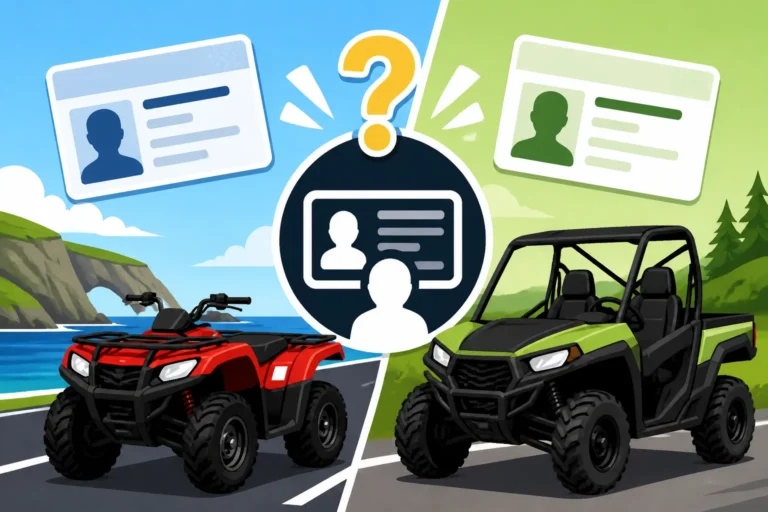
At its heart, the provincial legislation states that any person supervising a young off-road vehicle operator must be at least 18 years of age and hold a valid driver's licence. This isn't just a suggestion; it's a non-negotiable requirement designed to place responsibility in the hands of an adult who has already demonstrated a fundamental understanding of road rules and responsible vehicle operation. The idea is that someone old enough to legally drive a car or truck on public roads is deemed to have the maturity and experience to guide a younger, less experienced off-road rider.
Think about it: if a supervisor needs to react to an unexpected situation, whether it's an encounter with other trail users, a sudden change in terrain, or an issue with the young rider's machine, they need to have the presence of mind and decision-making skills that come with age and driving experience. This rule creates a clear line of accountability and ensures that the person in charge has met at least one standard of competency in operating a motor vehicle. This is particularly important when considering [Newfoundland's Off-Road Vehicles Act] and the specific responsibilities it places on all operators.
Why Supervision Is So Important on Newfoundland Trails
Newfoundland's landscape offers incredible opportunities for off-road vehicle enthusiasts, but it also presents unique challenges. From rugged barrens to dense woods, and from wet bogs to shared railbed trails, conditions can change rapidly. This is why active and knowledgeable supervision is not just a legal formality, but a practical necessity for young riders. A supervisor isn't just there to tick a box; they are there to teach, guide, and intervene.
Imagine a scenario where a young rider, still building their confidence and skill, encounters a deep mud pit unexpectedly. Without an experienced supervisor close by, they might make a mistake that leads to a stuck machine, or worse, an injury. A good supervisor can assess the situation, demonstrate the correct technique, or even help guide the machine through tricky spots. They can also ensure that proper trail etiquette is observed, like yielding to hikers or giving space to wildlife. The natural environment here demands respect, and a supervisor instills that respect in the next generation of riders. This also ties into [Newfoundland Safety Training Is Mandatory] for all new registrants, reinforcing the need for educated riders and supervisors.
Who Needs a Supervisor? Age and Machine Restrictions
The need for a supervisor primarily revolves around the age of the off-road vehicle operator. Generally, riders under a certain age are legally required to be accompanied by a qualified supervisor. It's not just about turning 16 and getting a learner's permit for a car; the rules for off-road machines are specific and different. For instance, a young person might be allowed to operate a machine of a certain engine size, but only with a supervisor present.
The specific age cutoffs can sometimes be confusing, but the principle is simple: until a rider reaches an age where they are considered capable of independent operation under the law, they need an adult supervisor who meets the 18-and-licensed criteria. This often applies to younger teens and pre-teens who are still learning the ropes. It's a graduated approach, ensuring that as skills grow, supervision can evolve, eventually leading to independent riding. Understanding these age requirements is crucial for anyone considering a new machine, like knowing [Newfoundland Charges $95 for an ATV] and the specific rules that apply to its operation by different age groups.
What It Means to Be a Qualified Supervisor in Newfoundland
Being a qualified supervisor is about more than just having a driver's licence and being over 18. It embodies a commitment to safety, responsibility, and teaching. It's about ensuring that the young rider not only follows the rules but also develops good habits and a strong sense of awareness on the trails.
Holding the Right Licence for the Road (When Applicable)
The requirement for supervisors to hold a valid driver's licence is key. This typically means a Class 5 (passenger vehicle) licence, or equivalent from another province, ensuring the individual is legally allowed to operate a motor vehicle on public roads. While ATVs and UTVs are primarily off-road, a supervisor may encounter situations where they need to quickly assess road safety for a brief crossing or a short stretch on a shoulder. [Newfoundland Rules for Crossing a Highway] and [Newfoundland Rules for Riding a Shoulder] are perfect examples of when a supervisor's knowledge of road rules becomes invaluable.
It's important to remember that this licence signifies not just the ability to drive, but also an understanding of traffic laws, defensive driving, and hazard recognition. These are all skills that translate directly into better judgment and leadership on the trail. A supervisor with a valid licence is implicitly trusted by the province to possess these foundational safety competencies.
Beyond the Licence: Experience and Responsibility
While the licence is a legal baseline, true qualification for a supervisor goes deeper. It includes practical experience with off-road vehicles, a strong understanding of trail conditions, and a proactive approach to safety. A good supervisor understands the capabilities and limitations of the machine the young rider is on, as well as the rider's own skill level. They aren't just following; they're leading by example.
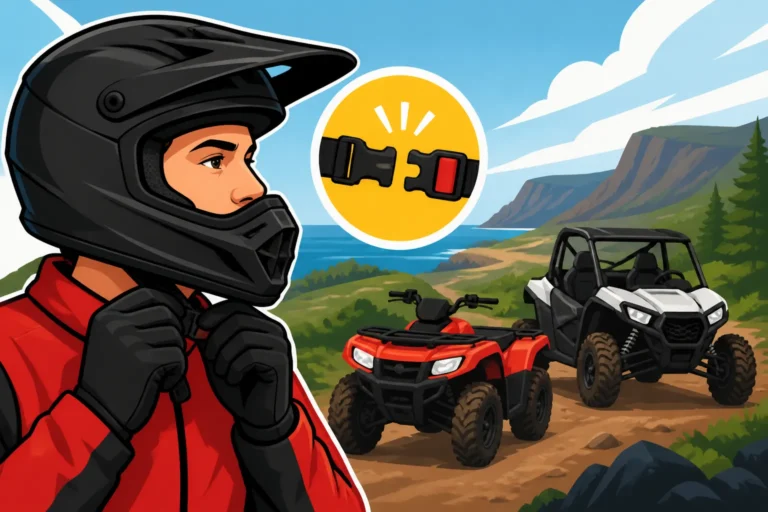
This might mean teaching the young rider about weight distribution on inclines, how to safely navigate water crossings, or the importance of proper braking techniques. It's about demonstrating patience, offering clear instructions, and giving constructive feedback. A responsible supervisor also ensures the young rider has all the necessary safety gear, such as an approved helmet and eye protection, which is a fundamental aspect of [Newfoundland Helmet Law for Every Rider]. They are also the one who ensures the machine itself is in good working order before heading out.
The Role of a Supervisor on a Group Ride
When a young rider is part of a larger group ride, the supervisor's role becomes even more nuanced. They are responsible not only for their designated young rider but also for how that rider interacts with the rest of the group and the environment. This means maintaining visual contact, being aware of the group's pace, and ensuring the young rider isn't pushed beyond their comfort zone or abilities.
A supervisor should always be positioned strategically, often riding either directly in front or directly behind the young operator, depending on the terrain and the lesson of the moment. They should be able to communicate effectively, whether through hand signals, helmet communicators, or simply by being within earshot. Their presence helps manage potential risks, from keeping a safe distance between machines to navigating busy sections of trail where hikers or other vehicles might be present. In essence, the supervisor acts as a mobile safety net, a mentor, and an enforcer of safe riding practices for their charge.
Practical Steps for Young Riders and Their Supervisors
Getting out on the trails safely and legally involves more than just showing up with a machine. For young riders and their supervisors, there are concrete steps to take to ensure a positive and compliant experience.
Ensuring Proper Training for the Young Rider
Before any young rider even thinks about operating an ATV or UTV, proper training is paramount. Newfoundland requires safety training for specific age groups and for first-time registrants. While a supervisor provides on-the-spot guidance, formal training instills a foundational understanding of machine operation, safety principles, and trail etiquette. This might involve completing the provincial online safety test or an approved in-person course. [Newfoundland's Online Training Test] is a great resource, offering a structured way for riders to learn the ropes.
A supervisor should actively participate in or at least be familiar with the content of this training. This allows them to reinforce lessons learned, correct any misconceptions, and tailor their practical guidance to what the young rider has already been taught. It creates a cohesive learning environment where the young rider gains confidence and competence from both formal instruction and experienced mentorship.
Essential Equipment and Machine Checks
Safety equipment is non-negotiable for all riders, especially young ones. The supervisor is responsible for ensuring the young rider has an appropriate, properly fitting helmet, eye protection (like goggles, unless there's a full windshield on a side-by-side), sturdy boots, gloves, and durable clothing that protects against scrapes and impacts. When considering upgrades or replacements, brands like SuperATV offer a wide range of aftermarket parts and accessories that can enhance safety and performance, from robust skid plates to upgraded lighting for better visibility on the trail. While not a direct solution for supervisory requirements, equipping a young rider's machine with reliable, high-quality components can contribute to a safer riding experience overall, giving both the rider and supervisor more confidence.
Beyond personal gear, the machine itself needs a thorough check before every ride. This includes:
| Item | Check Point | Supervisor's Role |
|---|---|---|
| Tires | Proper pressure, no damage, sufficient tread | Ensure young rider learns to check. |
| Brakes | Functioning front and rear, responsive | Test operation and teach progressive braking. |
| Lights | Headlights, tail lights, working | Crucial for visibility, especially for [Newfoundland Rules for Riding After Dark]. |
| Fluids | Oil, coolant, fuel levels (no leaks) | Educate on maintenance basics. |
| Steering/Suspension | Smooth movement, no excessive play | Observe rider's control and machine response. |
| General Structure | No loose parts, wires, or damage | Identify potential hazards. |
Teaching the young rider how to perform these checks themselves empowers them and builds a sense of responsibility for their machine.
Planning a Safe and Enjoyable Ride Together
Good planning is key to a successful outing. A supervisor should always pre-plan the route, considering the young rider's skill level, the length of the ride, and potential challenges. Are there steep hills, deep water crossings, or particularly rocky sections? Is the trail typically busy with other users? Communicating these details to the young rider beforehand helps manage expectations and prepares them mentally.
Carrying a first-aid kit, emergency tools, water, snacks, and a way to communicate (like a fully charged cell phone, though coverage can be spotty in remote areas) are all essential. The supervisor should also brief the young rider on what to do in case of separation from the group or a mechanical issue. Discussing potential hazards like wildlife, changing weather, and how to signal for help can turn a casual ride into a valuable learning experience. Remember, [Newfoundland Rules for Riding Crown Land] means understanding where you can and cannot go, and respecting the environment.
Common Misconceptions and Avoiding Penalties
Despite the clear guidelines, some common misunderstandings about supervisory roles persist, leading to potential risks and penalties.
The "Family Land" Myth and Supervisory Rules
One of the most common misconceptions is that rules regarding supervision and age simply don't apply when riding on private, family-owned land. The thinking often goes, "It's our land, so we can do what we want." However, this is largely untrue when it comes to the safety and age requirements for off-road vehicle operation. While some provincial land-use rules might be different for private property versus Crown land, basic safety regulations, including those pertaining to supervised operation for minors, generally still apply.
The spirit of the law is to protect young operators, regardless of where they are riding. An injury on family land is still an injury, and negligence regarding supervision could still lead to serious consequences. Therefore, even on your own property, it is strongly advised to adhere to the provincial requirements for supervisors being 18 and licensed when a minor is operating an off-road vehicle. [Newfoundland Machines Used Only on Family Land] still fall under many of the Act's provisions.
Enforcement and Consequences for Non-Compliance
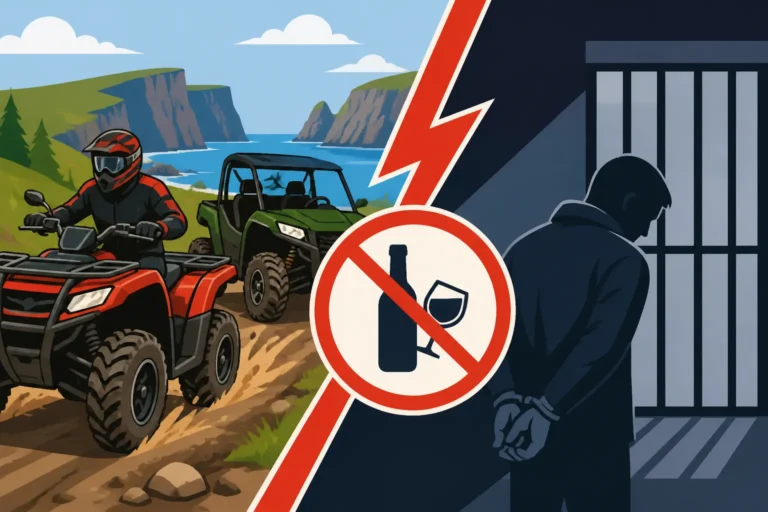
Newfoundland peace officers, including the RCMP and Fish and Wildlife Enforcement officers, have the authority to enforce the Off-Road Vehicles Act. If a young rider is found operating a machine without proper supervision, or if the supervisor does not meet the legal requirements (18 years old and licensed), both the young rider and the supervisor could face fines and other penalties. These penalties are not minor and are designed to deter unsafe practices.
The consequences can range from monetary fines to more serious repercussions, especially if an incident or accident occurs. Beyond the legal penalties, there's the moral and ethical responsibility. Allowing an underage or unsupervised rider to operate a machine puts them, and potentially others, at significant risk. Officers are keen to ensure safety on the trails, and they will not hesitate to issue citations for violations of supervisory rules. Understanding [Newfoundland Penalties for Riding Illegally] can help emphasize the importance of following all regulations.
Where to Find Official Information and Clarification
The best source for accurate and up-to-date information on off-road vehicle regulations in Newfoundland and Labrador is always the provincial government's official website or by contacting Motor Registration Division directly. These resources provide the most precise details on the Off-Road Vehicles Act, associated regulations, and any amendments. Don't rely solely on word-of-mouth or outdated online forums.
It's also a good idea to connect with local ATV or UTV clubs, as they often have experienced members who are well-versed in the local rules and can offer practical advice on safe riding and supervision. While they cannot replace official sources, they can provide valuable community insights. Remember, rules can sometimes be complex, so if in doubt, always seek clarification from official channels. [Newfoundland Registration Questions Riders Ask] often include these supervisory aspects, so the registry is well-equipped to help.
Disclaimer
This article is for general informational purposes only and does not constitute professional advice. Laws, prices and regulations vary by location and change over time. Consult a qualified professional for guidance on your specific situation.