Children Needing a Car Seat on a Side-by-Side
Many parents and guardians in Newfoundland who own a side-by-side (UTV) find themselves scratching their heads, trying to figure out the safest and most legal way to bring their children along for a ride. There's often a lot of confusion, especially when comparing off-road vehicle rules to what we're used to on paved roads with our cars and trucks. This guide is here to untangle the specifics of whether a child needs a car seat on a side-by-side, what the law actually says, and how to keep your little ones as safe as possible on the trails.
Understanding Newfoundland's Regulations for Children on Side-by-Sides
The Off-Road Vehicles Act and Child Passengers
It's easy to assume that the rules for children in your car or truck apply directly to your side-by-side, but that's not always the case. Newfoundland's Off-Road Vehicles Act is a specific piece of legislation designed to govern how we operate ATVs, snowmobiles, and side-by-sides. This Act, which saw some significant updates in recent years, aims to keep everyone safe, but it recognizes the unique environment these machines operate in. For example, specific provisions were made for [Newfoundland Side-by-Sides Added in 2022], acknowledging their growing popularity and different design compared to traditional ATVs.
When it comes to child passengers, the Act focuses primarily on ensuring that if a machine is designed to carry a passenger, that passenger is secure and protected. Unlike the highway traffic act that dictates specific car seat types based on age and weight for regular vehicles, the ORV Act takes a slightly different approach. It emphasizes a secure seating position and the use of safety restraints, but the type of restraint can sometimes be where the confusion begins for parents. The core idea is that a child should be as safe, if not safer, than an adult passenger, especially given their smaller size and developing bodies.
Think of it this way: a side-by-side, even with its roll cage and seat belts, isn't a sedan. It's designed for rugged terrain, sudden bumps, and varying speeds. This means the forces a child might experience are very different from those in a typical vehicle collision or sudden stop on a paved road. Therefore, simply transferring your car seat knowledge directly isn't always adequate. You really need to dive into the specific language of the Off-Road Vehicles Act itself and the regulations that flow from it to ensure compliance and, more importantly, maximum safety for your precious cargo.
Deciphering Seat Belt and Restraint Requirements
The most critical piece of the puzzle regarding child safety on a side-by-side often revolves around seat belts. The [Newfoundland Seat Belt Requirements] section of the Act is quite clear: if an off-road vehicle is equipped by the manufacturer with seat belts, those seat belts must be worn by the operator and any passengers. This is non-negotiable, and it applies to children just as it does to adults. Ignoring this can lead to serious injury or even worse outcomes, not to mention fines.
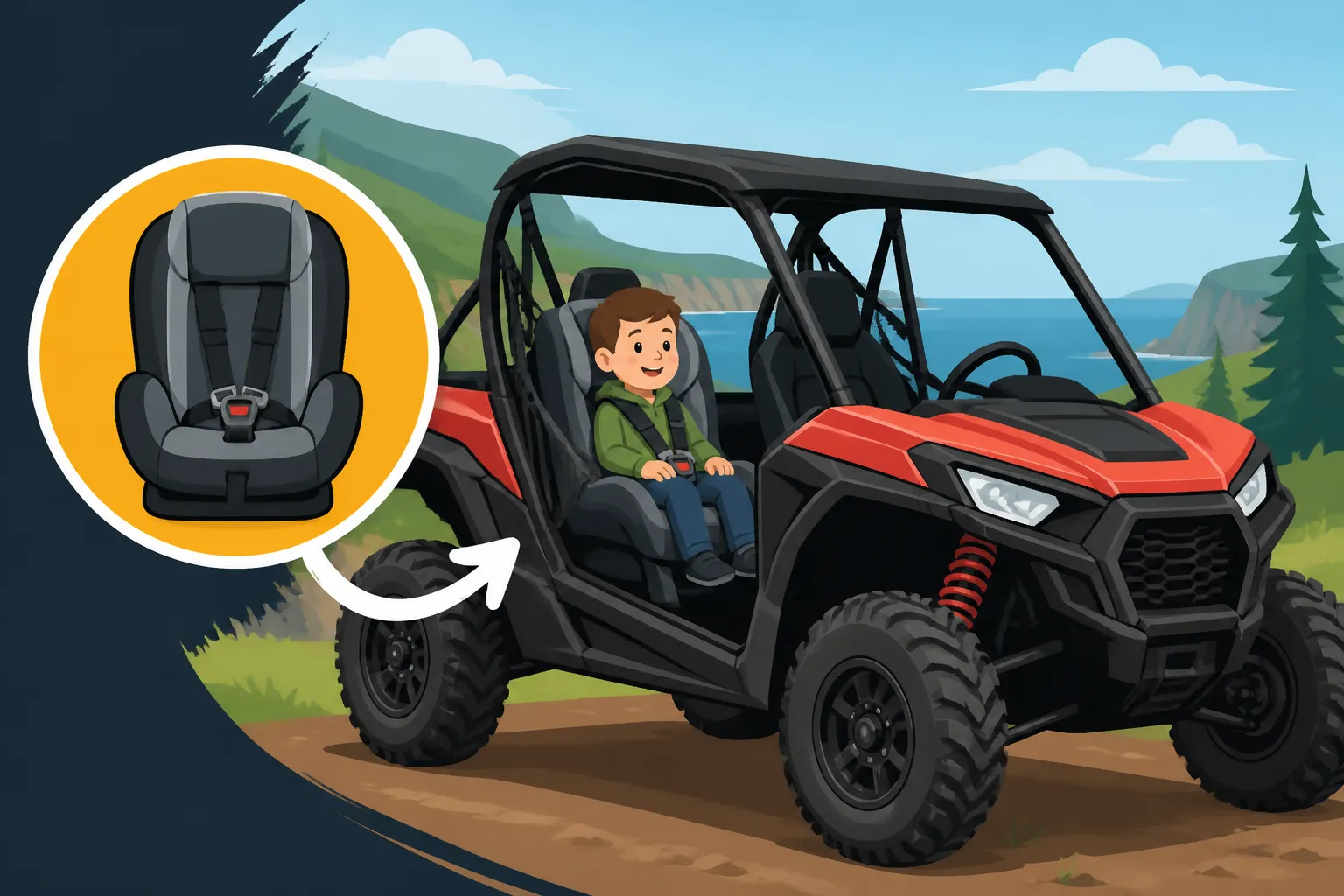
Now, this is where the "car seat" question really comes into play. A standard vehicle car seat is designed to integrate with a vehicle's seat belt system to provide additional restraint and positioning for smaller bodies. In a side-by-side, the fit might not be ideal. The Act does have specific language about [Newfoundland Car Seat Rules for Children], stating that "an operator shall not operate an off-road vehicle designed to carry a passenger where a passenger who is a child requires a child restraint system unless that child restraint system is used in accordance with the manufacturer’s instructions and securely fastened to the off-road vehicle." This means if a child would require a car seat in a regular vehicle, you need to ensure they are similarly restrained and secure in the side-by-side, using a system that can be securely fastened.
This requirement, to use a child restraint system "in accordance with the manufacturer's instructions and securely fastened," is paramount. It means you can't just plop a child seat into a side-by-side and hope for the best. You need to ensure the seat itself is designed for such use (if applicable) and, crucially, that it can be properly installed and secured within the side-by-side's seating and restraint system. The manufacturer of your side-by-side or the child restraint system itself might offer guidance, and if they don't explicitly approve of or provide instructions for ORV use, you need to proceed with extreme caution and consider alternatives to ensure safety.
When a Car Seat (or Booster) is Necessary in a Side-by-Side
Age, Weight, and Side-by-Side Design Considerations
Determining whether a car seat or booster is truly "necessary" for your child in a side-by-side boils down to a few key factors: the child's age and weight, and how well they fit the machine's existing seat belt system. The spirit of [Newfoundland Rules for a Child Passenger] is to protect young, developing bodies. Just like in a car, if a child is too small for the vehicle's seat belt to fit them properly – meaning the lap belt sits across their thighs and the shoulder belt crosses their chest and shoulder, not their neck or face – then an additional restraint system is likely required.
For very young children, typically infants and toddlers, a traditional car seat designed for highway vehicles is often impractical and potentially unsafe in an off-road environment. These seats are generally not tested or certified for the unique dynamics of an ORV, such as sharp angles, sudden jolts, and open-air exposure. The concern isn't just about a collision, but also about the constant vibration and movement on rough terrain, which could exacerbate injuries if the seat isn't perfectly compatible. This is where you might find that the safest option for a very young child is simply not to bring them along on the side-by-side.
As children get older and heavier, they might transition to a booster seat in a regular vehicle. The same logic applies to a side-by-side: if the machine's seat belt system still doesn't fit them correctly, a booster might be an option, but again, only if it can be securely fastened and used according to its manufacturer's instructions within the side-by-side's design. Remember, the primary goal is to ensure the child is adequately restrained and positioned so the factory-installed seat belt can do its job effectively. If there's any doubt about fit or security, it's a red flag.
Understanding Manufacturer Recommendations vs. Legal Requirements
This is a crucial distinction. While the law mandates secure fastening of a child restraint system if one is required, the specific "manufacturer's instructions" for a car seat or booster rarely, if ever, explicitly approve its use in an off-road vehicle like a side-by-side. Most car seat manufacturers only certify their products for use in highway-approved passenger vehicles. This creates a bit of a grey area and a significant safety challenge for parents.
Because of this, many side-by-side owners look for aftermarket solutions or specific UTV child restraint systems. Companies like SuperATV, for instance, offer a range of accessories for side-by-sides, though it's always important to verify if specific child restraint solutions they or others offer meet safety standards for ORV use and are designed to integrate safely with your machine's structure. The key is that any solution must be robust enough to withstand the rigours of off-road riding and, most importantly, provide the protection a child needs.
Ultimately, while the law says if a child requires a restraint system, it must be properly used, it doesn't specify which system. This places the onus heavily on the parent or guardian to make an informed and safe choice. If a standard car seat cannot be securely and safely fastened according to its own instructions (which it almost certainly can't be for ORV use), then you're left needing to find an alternative that meets the spirit of the law and, more importantly, ensures your child's well-being. This often means carefully assessing if the child is large enough to safely use the vehicle's own seat belts, perhaps with an ORV-specific booster or harness that is designed for the environment.
| Child's Age/Size (Approx.) | Standard Highway Vehicle (Car/Truck) | Side-by-Side (ORV) in Newfoundland | Key Considerations for Side-by-Side |
|---|---|---|---|
| Infant (0-1 year) | Rear-facing Car Seat | Not Recommended / Very High Risk | Lack of appropriate ORV-specific infant seats; severe vibration concerns. |
| Toddler (1-4 years) | Forward-facing Car Seat | If using, MUST be securely fastened and meet manufacturer's ORV instructions (rare). | Standard car seats generally not approved for ORV use; fit and security issues. |
| Young Child (4-8 years) | Booster Seat | If using, MUST be securely fastened and meet manufacturer's ORV instructions (rare). | Child must fit existing seat belt system with booster. Aftermarket ORV-specific options may exist. |
| Older Child (8+ years, or >4'9") | Vehicle Seat Belt Alone | Vehicle Seat Belt Alone (if proper fit) | Child must be tall enough for shoulder belt to cross chest, not neck; lap belt on hips. |
Ensuring Child Safety Beyond the Car Seat: Best Practices
Helmets, Goggles, and Proper Gear
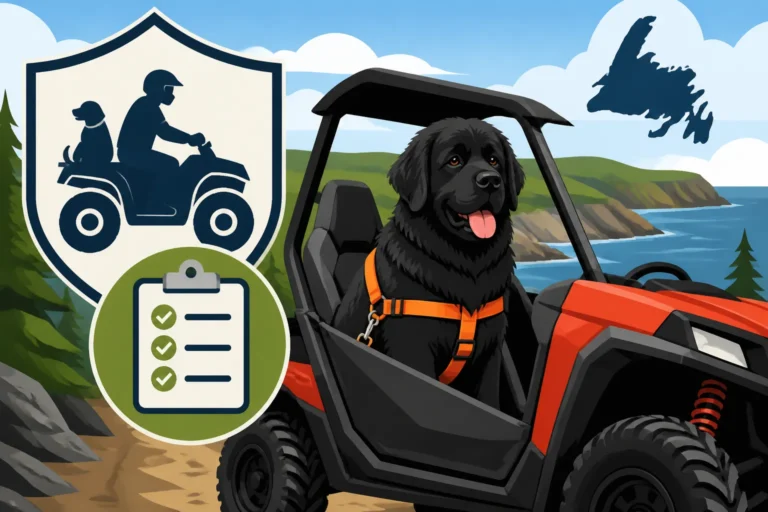
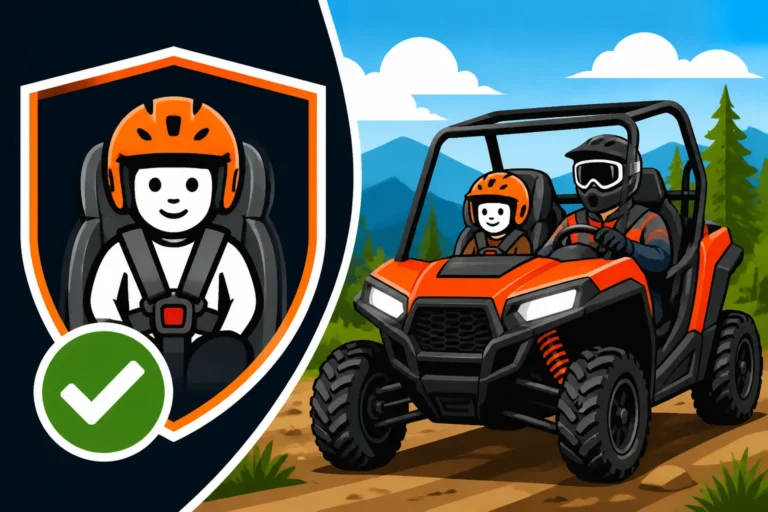
Even if you've sorted out the seating and restraint, your child's safety on a side-by-side doesn't stop there. Just like the operator, every passenger on an off-road vehicle in Newfoundland is required to wear an approved helmet. This isn't just a suggestion; it's a legal [Newfoundland Helmet Law for Every Rider]. This helmet must be properly fastened and fit snugly. A helmet that's too loose won't offer the protection it's designed for in the event of an impact or rollover. It's truly one of the most vital pieces of safety gear for any rider, especially a child whose head is more vulnerable.
Beyond the helmet, eye protection is equally important. Whether it's goggles or a full-face helmet with a visor, keeping dust, debris, branches, and insects out of a child's eyes is paramount for their comfort and safety. Imagine trying to navigate bumpy terrain with something in your eye – it's distracting and dangerous. Other appropriate gear includes sturdy, closed-toe footwear, long pants, and long-sleeved shirts to protect against scratches, scrapes, and sun exposure. In colder weather, layering is key, as the wind chill can be much more intense on a side-by-side than in an enclosed vehicle.
It's about creating a protective bubble around your child, understanding that the open-air nature of a side-by-side exposes them to elements that a car doesn't. From the risk of flying rocks kicked up by other machines to low-hanging branches on a wooded trail, every piece of gear plays a role. Don't cut corners here; investing in good quality, properly fitting safety gear is an investment in your child's well-being and allows everyone to enjoy the ride with peace of mind.
Supervision, Operator Responsibility, and Machine Sizing
The operator of any off-road vehicle carries a huge responsibility, and this is amplified tenfold when a child is a passenger. [Newfoundland Supervision Rules for Young Riders] are explicit about who can operate a machine and under what conditions. While these rules primarily focus on young operators, they underline the general principle that an experienced, responsible adult must always be in control. When you have a child as a passenger, you, as the operator, are solely responsible for their safety, from how they're seated and geared up to the speed and terrain you choose to navigate.
Consider the capabilities of your machine in relation to carrying a child. While many side-by-sides are designed for multiple passengers, pushing the limits with rough terrain or high speeds puts everyone at risk. Even if your child is securely fastened, the forces of an aggressive ride can be too much for them. The Off-Road Vehicles Act also has regulations concerning [Newfoundland Engine Size for Age and Weight] for operators, which provides a good framework to think about what a child's body can reasonably withstand as a passenger. A large, powerful side-by-side might be thrilling for an adult, but it could be overwhelming and dangerous for a small child.
Ultimately, good judgment and conservative riding are your best friends when children are aboard. Avoid trails that are too challenging, reduce your speed, and take frequent breaks. Communicate with your child throughout the ride – ask if they're comfortable, if their helmet is okay, and if they need a break. Remember, the goal is to create positive, safe memories, not to push the limits of adventure. Being a responsible operator means prioritizing the safety and comfort of your youngest passengers above all else.
Navigating Practical Challenges and Common Misconceptions
The Myth of "Car Rules" on the Trail
One of the biggest misconceptions we see is people assuming that the car seat laws for highway vehicles directly translate to off-road vehicles. It’s a natural assumption, right? We’re all so used to diligently following specific age, weight, and height requirements for car seats and booster seats in our cars. However, as we've explored, the [Newfoundland Car Seat Rules for Children] under the Off-Road Vehicles Act are distinct from those found in the highway traffic legislation. While the spirit of child safety is the same, the application is different.
You won't find specific charts from the provincial government detailing exactly which type of car seat to use for a 3-year-old on a side-by-side, or when a child can transition to a booster without one in an ORV. This lack of explicit detail can be frustrating for parents who want clear, black-and-white answers. But it underscores the unique nature of off-road riding. What fits perfectly and safely in a Ford F-150 might not work at all in a Polaris RZR, which has different seat angles, harness points, and dynamic forces. Relying on "car rules" for your side-by-side could lead to an unsafe setup, even if you're trying your best to do the right thing.
Instead, the focus for ORVs shifts to the general requirement for a secure child restraint if needed, and the overarching need for the child to be properly secured by the machine's seatbelts if they are large enough. This is why thorough research into your specific side-by-side's design and any ORV-specific child restraint products (if they exist and are appropriate) is crucial. Don't fall into the trap of thinking a quick transfer of your car seat from your truck will suffice without proper investigation and, more importantly, a secure installation that aligns with both the law and optimal safety.
What to Expect During a Stop and Potential Penalties
Let's talk brass tacks: what happens if you're out on the trail with a child passenger and you're stopped by an enforcement officer? Their primary concern will be the safety and legality of your operation. They'll be looking to ensure that all [Newfoundland Equipment Requirements] are met, that everyone is wearing a helmet, and critically, that any child passengers are properly restrained according to the Act. If an officer determines that a child requires a child restraint system and it's either not present, not used, or not securely fastened, you could face consequences.
The penalties for not adhering to safety regulations, especially those involving children, can be significant. For instance, violating [Newfoundland Fines for No Seat Belt] can lead to monetary fines. While the specific amount isn't something I can quote, suffice it to say that a ticket can certainly put a damper on your trail ride and your wallet. More importantly, an officer has the discretion to stop your ride if they deem the situation unsafe, meaning you might not be able to continue until the issue is rectified. In extreme cases, repeated or severe violations could lead to further action.
This isn't about scaring anyone; it's about being realistic and prepared. The laws are there for a reason: to protect riders. When a child is involved, the stakes are even higher. Understanding the Off-Road Vehicles Act and proactively ensuring you meet all of the [Newfoundland ORV Road Rules Explained] and passenger requirements is the best way to avoid fines, ensure a safe outing, and most importantly, protect the little ones you're riding with. If you're unsure, it's always better to err on the side of caution or seek clarification from the Motor Registration Division before you head out. Don't forget that [Newfoundland Safety Training Is Mandatory] for many riders and can provide valuable insights into safe ORV operation.
Disclaimer
This article is for general informational purposes only and does not constitute professional advice. Laws, prices and regulations vary by location and change over time. Consult a qualified professional for guidance on your specific situation.