Newfoundland Rules for Riding With a Dog
Heading out on your ATV or side-by-side across Newfoundland's stunning barrens or winding trails often feels like the perfect way to spend a day, and for many of us, that experience just isn't complete without our best furry friend by our side. But before you load up Fido for an adventure, you're probably wondering: what are the actual rules and best practices for riding with a dog on your off-road vehicle here in Newfoundland? It's a common question, and navigating the specifics can feel a bit like trying to herd a happy retriever through a legal and practical maze. This comprehensive guide will walk you through the practical considerations, essential safety protocols, and what the Newfoundland Off-Road Vehicles Act says (or, more often, doesn't say) about bringing your dog along for the ride, helping you ensure a safe, enjoyable, and responsible adventure for both of you.
Navigating the Legal Landscape: What the Act Says (and Doesn't Say)
It's a common frustration among off-road enthusiasts: you want to be a responsible pet owner and a law-abiding rider, but sometimes the rulebook just doesn't offer crystal-clear guidance on every specific scenario. When it comes to riding with your dog on an ATV or UTV in Newfoundland, you'll quickly find that explicit regulations are pretty thin on the ground. This isn't because the province doesn't care about animals, but rather because the primary focus of the law is on the machine, the human operator, and the environment.
Absence of Direct Dog-Specific Regulations
The core piece of legislation governing off-road vehicles in the province is [Newfoundland's Off-Road Vehicles Act]. If you delve into its pages, you'll notice a distinct lack of specific clauses that explicitly state whether dogs are allowed or forbidden on these machines, or what kind of restraints they might require. This can be both a blessing and a curse. On one hand, it means you're not automatically breaking a specific rule just by having your dog along. On the other hand, it places a significant burden of responsibility squarely on your shoulders as the owner and operator to ensure your dog's safety and well-being, as well as the safety of others you might encounter.
This absence of explicit instruction means that riders must fall back on general principles of animal welfare, common sense, and the spirit of the law. Local municipalities might have their own bylaws regarding animals in public spaces, parks, or specific trails, but these are often separate from provincial ORV regulations. So, while you might not find a "no dogs on ATVs" sign, you need to think about how your dog's presence could impact your ability to ride safely or potentially cause a nuisance. If a peace officer were to observe your dog in an unsafe situation, they might not be able to cite a "dog on ORV" offence, but they could certainly address it under broader provisions related to safe operation or even animal cruelty laws if the animal is clearly in distress or endangered.
Indirect Implications from General Safety Rules
Even without specific "dog rules," other parts of the [Newfoundland Equipment Requirements] and general operational guidelines can indirectly apply to having a canine passenger. The most significant factor here is how an unrestrained animal could affect the safe operation of your vehicle. Imagine Fido suddenly barking at a squirrel, jumping onto your lap, or shifting his weight unexpectedly in the cargo bed. Any of these scenarios could easily distract you, cause you to lose balance or control, and potentially lead to an accident.
The Off-Road Vehicles Act emphasizes maintaining control of your machine at all times and operating it in a safe manner. If your dog's presence compromises your ability to do this, you could face consequences under general provisions for careless operation or unsafe driving. [Newfoundland Penalties for Riding Illegally] can range from fines to more severe repercussions, and an officer observing a clearly unsafe situation involving a pet might take action. For instance, if your dog is loose in a side-by-side and could potentially interfere with the steering wheel or pedals, that could be deemed a hazard. Therefore, the key takeaway is that while no rule says "no dogs," every rule implies that whatever you do, your operation must remain safe and controlled.
Ensuring Your Canine Co-Pilot's Safety and Comfort
Bringing your dog along for an off-road adventure is about more than just legal loopholes; it's fundamentally about their safety, comfort, and well-being. The bumps, sounds, and exposure on a trail are far different from a walk in the park, and what works for one dog might be completely unsuitable for another. It's crucial to prioritize their needs, often above your own desire for companionship on the trail.
Secure Restraint and Protection
This is, without a doubt, the most critical aspect of riding with your dog. A loose dog, even in the bed of a side-by-side, is an accident waiting to happen. They can be ejected during a sudden stop or bump, become a projectile themselves, or jump out and get lost or injured. On an open ATV, the risks are even higher due to greater exposure.
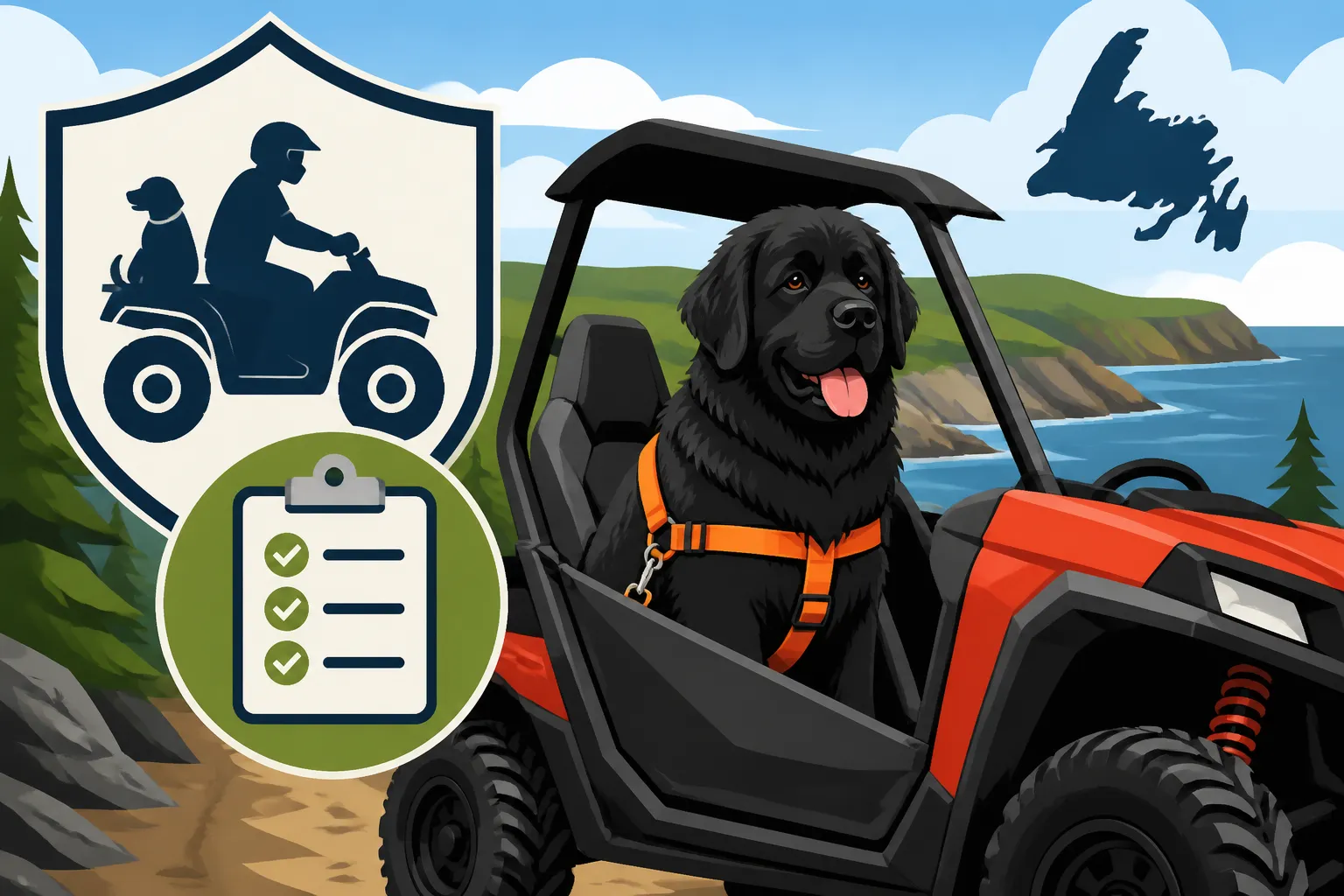
For side-by-sides, a properly secured kennel or crate is often the safest bet. Look for durable, hard-sided crates that can be securely fastened to the cargo bed using straps or tie-downs. Many riders use robust cargo boxes, sometimes from brands like SuperATV, which, with proper modifications for ventilation and padding, can create a secure and protected space for a dog. You need to ensure the crate cannot shift, slide, or tip over, even on rough terrain. Some specialized dog carriers are designed to fit directly into UTV cargo beds, offering built-in attachment points. For dogs that prefer to be closer, some riders use specialized dog seats or padded platforms that strap into the passenger area of a side-by-side, always paired with a secure, crash-tested harness that attaches to a seatbelt anchor point. Never rely on a standard leash attached to the vehicle, as this can lead to strangulation or severe injury if the dog tries to jump or is thrown during a sudden movement.
On an ATV, the options are more limited and generally riskier due to the open nature of the machine. If you must bring a dog on an ATV, a highly secure, well-ventilated, and padded crate specifically designed for ATV racks is essential. This crate must be incredibly robust and secured with multiple heavy-duty straps to both the front and rear racks, ensuring it becomes an integral part of the machine, not just an add-on. Investing in high-quality mounting hardware, perhaps even custom brackets, from a reputable supplier like SuperATV, can make all the difference in ensuring your dog's carrier remains absolutely steadfast over challenging terrain. Always choose a crate that allows the dog to stand, turn around, and lie down comfortably, but without excessive space that would allow them to be jostled too much.
Environmental Considerations and Breaks
Newfoundland's weather can be notoriously unpredictable, and what might be comfortable for you in your riding gear could be dangerous for your dog. Heatstroke and dehydration are serious risks, especially on sunny days or during long rides. A dog can overheat quickly, particularly if they're confined in a crate with inadequate ventilation or sitting on a hot surface like a metal cargo bed. Always bring ample fresh water and a portable bowl, offering it frequently. Consider a cooling vest for warmer weather or dousing their paws and belly with water.
Conversely, cold weather, wind, and rain can also pose a threat. Ensure your dog has adequate insulation in colder months, perhaps a warm blanket in their crate or a dog jacket if appropriate. Exposure to sharp rocks, abrasive surfaces, or extreme temperatures can damage sensitive paw pads. Dog booties can offer protection if you anticipate rough terrain or extreme temperatures.
Regular breaks are non-negotiable. Dogs need to stretch their legs, relieve themselves, and have a drink of water. Plan your route with designated stops, especially on longer journeys. During these breaks, keep your dog leashed and under control to prevent them from running off or disturbing others. Pay close attention to your dog's behaviour – excessive panting, lethargy, or reluctance to move are all signs that they might be uncomfortable or in distress. If you see these signs, it's time to cut the ride short.
Training and Acclimatization
Just like people, not all dogs are natural adventurers. Before embarking on a long ride, it's vital to gradually introduce your dog to the off-road vehicle and its environment. Start with short, slow rides around your property or a quiet area. Let them get used to the sounds of the engine, the vibrations, and the sensation of movement. Reward calm behaviour with treats and praise.
Some dogs may experience anxiety, motion sickness, or simply dislike the noise and jostling of an ORV. Watch for signs of stress, such as excessive drooling, whining, trembling, or trying to escape. If your dog consistently shows discomfort, it might be best to leave them at home. Your dog's well-being should always take precedence over your desire for their companionship on the trail. Ensure your dog is comfortable with their harness, crate, or carrier long before you ever hit the trail. Familiarity breeds comfort, and a stressed dog is not a safe riding companion.
Responsible Riding: Beyond the Rulebook
While the legal framework might be somewhat vague, responsible riding with your canine companion extends far beyond simply adhering to explicit laws. It involves a strong commitment to trail etiquette, environmental stewardship, and preparedness for the unexpected.
Respecting Shared Trails and Wildlife
Newfoundland's network of trails, including the expansive [The T'Railway's 883 Kilometres in Newfoundland], are often multi-use corridors, shared by hikers, cyclists, and other off-road enthusiasts. When you bring your dog, you automatically take on an increased responsibility to ensure they don't interfere with others' enjoyment or create any hazards. Your dog should always be under control, ideally on a leash, especially in busy areas or where you might encounter other people. [Newfoundland Trail Etiquette Locals Expect] dictates courtesy and respect for all users, and a loose, boisterous dog can quickly spoil someone else's peaceful outing.
Furthermore, Newfoundland is home to abundant wildlife, from moose and caribou to smaller game and birds. A barking or chasing dog can disturb these animals, potentially causing stress, displacing them from critical habitats, or even creating dangerous encounters for your pet. [Newfoundland Wildlife on the Trail] is a real consideration. Be particularly mindful during sensitive periods like calving or nesting seasons. When riding on [Newfoundland Rules for Riding Crown Land], remember that you are a visitor in wildlife's home. Keep your dog leashed and close, especially if you see signs of wildlife activity. And, of course, always pack out your dog's waste; leaving it behind is not only unsightly but can also introduce non-native elements to the ecosystem and potentially attract unwanted wildlife.
Emergency Preparedness and Identification
Even the most well-planned outing can encounter unforeseen circumstances. What if your dog gets injured on a sharp rock, encounters a dangerous animal, or gets lost? Being prepared for emergencies is crucial. Always carry a basic pet first-aid kit that includes essentials like antiseptic wipes, bandages, pain relief suitable for dogs (consult your vet), and tweezers. Knowing basic pet first aid can make a critical difference in remote areas where help might be hours away.
Ensure your dog is microchipped and wears up-to-date identification tags on their collar with your current contact information, including your phone number and potentially a temporary contact number if you're travelling. Consider carrying a recent photo of your dog on your phone, which can be invaluable if they get lost. Before you head out, familiarize yourself with your route, potential hazards, and where [Newfoundland Cell Dead Zones Along the Railbed] might be. A paper map and compass or a satellite communication device can be lifesavers in areas without cell service. Having proof of your dog's vaccinations and a copy of their medical history on hand (even a digital copy) is also a good practice, especially if you need to visit a vet in an unfamiliar area.
Choosing the Right Machine for Your Companion
The type of off-road vehicle you operate significantly impacts the safety and comfort options for your dog. Side-by-sides (UTVs) generally offer a more secure and protected environment compared to ATVs. The enclosed cab, roof, and often a dedicated cargo bed provide greater shelter from the elements and potential debris. Many UTVs, particularly those accessorized with products from SuperATV, offer cargo bed enhancements like hard-sided boxes or custom enclosures that, with proper ventilation and padding, can be adapted to create a safe and comfortable space for your canine passenger. Some riders even install dog kennels directly onto their UTVs, utilizing the vehicle's sturdy frame for maximum security.
ATVs, with their open design, present more challenges. Transporting a dog on an ATV rack exposes them to wind, dust, sun, and potential impacts. If you choose an ATV, a robust, securely mounted, and well-ventilated carrier is absolutely paramount. It must be designed to withstand the rigours of off-road travel and protect your dog from all angles. While it might be tempting to just strap a dog bed to the rack, this provides virtually no protection or security. Always remember that any product you use for your dog's transport should be explicitly rated for the kind of bumps, speeds, and forces an off-road vehicle can experience. Brands like SuperATV often have accessories that can be adapted, but always double-check for safety and secure mounting before hitting the trails with your furry friend.
Checklist for Riding with Your Dog in Newfoundland
To help you ensure a safe and responsible ride, here's a quick checklist to consult before you hit the trail with your dog.
| Item | Description | Why It's Important |
|---|---|---|
| Secure Carrier/Crate | Hard-sided, well-ventilated, properly secured to the ORV. | Prevents ejection, protects from debris and impact, ensures dog is under control. |
| Dog Harness | Crash-tested harness, suitable for vehicle restraint (if not in a crate). | Prevents injury, provides a secure anchor point. Never use a neck collar for restraint during riding. |
| Ample Fresh Water & Bowl | Sufficient water for the duration of the trip and breaks. | Prevents dehydration, crucial in all weather conditions. |
| Pet First-Aid Kit | Includes bandages, antiseptic, pain relief, tweezers, emergency contact info for vet. | Addresses minor injuries quickly, provides essential care in remote locations. |
| ID Tags & Microchip Info | Up-to-date ID tags on collar, microchip registration current. | Essential for reunification if your dog gets lost. |
| Leash | For breaks, walking on shared trails, and controlling your dog around wildlife. | Maintains control, respects other trail users and wildlife. |
| Sun/Cold Protection | Cooling vest, insulated blanket, dog jacket, booties (as appropriate for weather/terrain). | Protects against environmental extremes (heatstroke, frostbite, paw injury). |
| Waste Bags | Plenty of bags for collecting and packing out all dog waste. | Respects environment, maintains trail hygiene, prevents attracting wildlife. |
| Treats & Toys | For positive reinforcement and keeping your dog calm and comfortable during breaks. | Aids in training, reduces anxiety, improves overall experience. |
| Proof of Vaccinations | A copy (digital or paper) of current vaccination records. | Important for emergency vet visits in unfamiliar areas. |
| Driver's Licence & Ins. | Your valid driver's licence and proof of [Newfoundland Insurance Requirements for Riders]. | Essential for legal operation of your ORV, irrespective of canine passenger. |
Always remember that every dog is different. What works for one may not work for another. Monitor your dog closely, err on the side of caution, and always prioritize their safety and comfort over your plans. Happy trails to you and your furry adventure partner!
Disclaimer
This article is for general informational purposes only and does not constitute professional advice. Laws, prices and regulations vary by location and change over time. Consult a qualified professional for guidance on your specific situation.