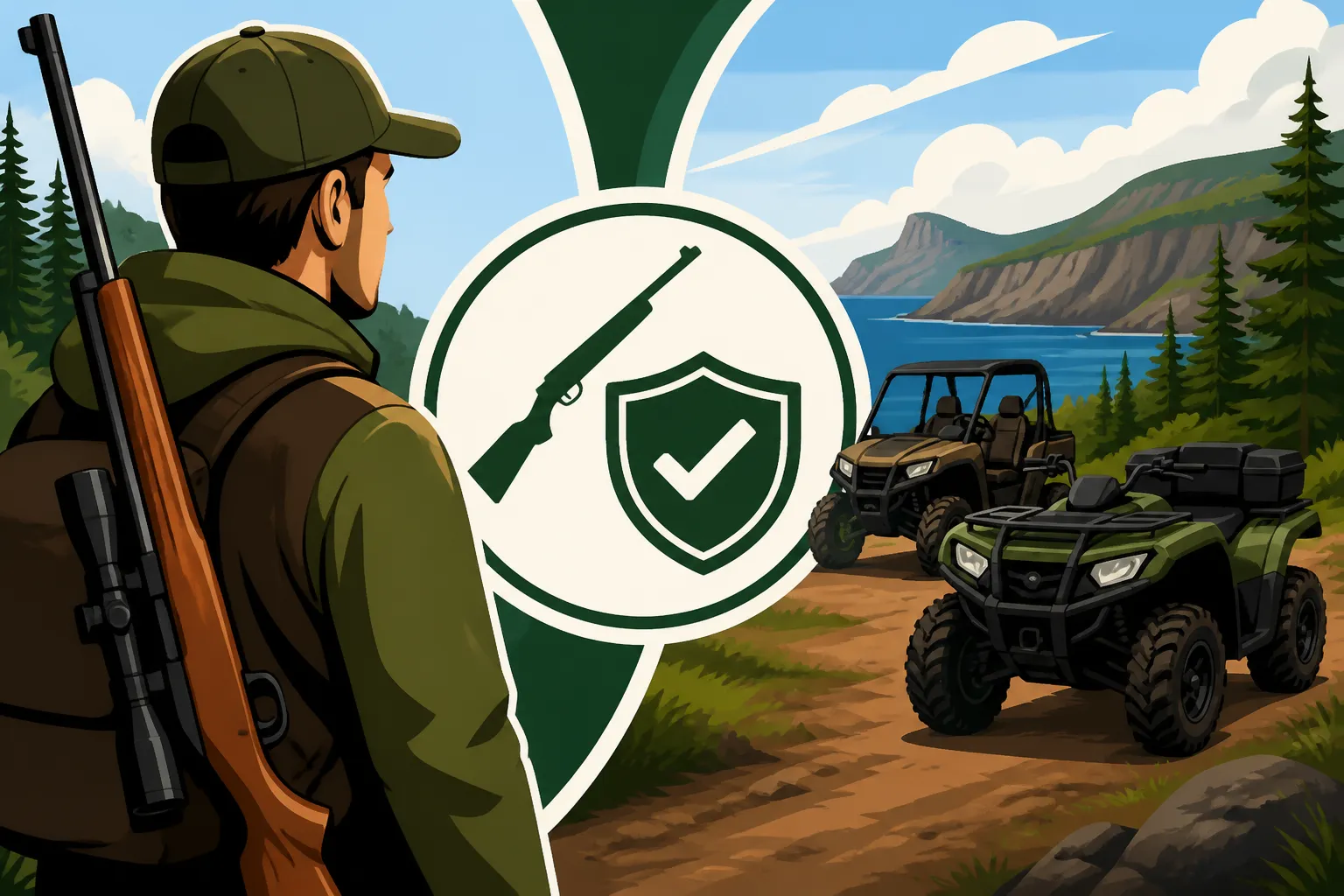
Newfoundland Rules for Carrying a Firearm
Heading out on your ATV or UTV into the vast and beautiful Newfoundland wilderness, perhaps for a hunting trip or just carrying a firearm to a remote cabin, brings with it a specific set of rules and responsibilities that can feel a bit murky. It's not as simple as strapping your rifle to the rack and hitting the trail; there are serious safety considerations and legal requirements you absolutely need to understand to avoid hefty fines or, worse, dangerous situations. This guide aims to clear up the confusion surrounding carrying firearms on your off-road vehicle (ORV) in Newfoundland, ensuring you can enjoy your outdoor adventures responsibly and legally.
Understanding Newfoundland's Off-Road Vehicles Act and Firearms
It’s easy to assume that if you're out in the woods on your quad, the rules are lax. But when you introduce a firearm into the mix, a whole new layer of legislation comes into play. The Newfoundland and Labrador Off-Road Vehicles Act primarily governs the operation and registration of your machine, but its guidelines intersect directly with the provincial Wildlife Act and federal firearms regulations when you're transporting a weapon. It’s crucial to remember that these aren't just suggestions; they are laws designed for public safety and wildlife management.
The Basics of Machine and Firearm Interaction
Your ORV, whether it's an ATV, UTV, or even a snowmobile, is a powerful tool for accessing remote areas. Many riders use these machines specifically for hunting, trapping, or heading to a secluded cabin where a firearm might be needed for protection or sport. However, the Off-Road Vehicles Act itself doesn't explicitly dictate how you carry a firearm in terms of its loaded status or specific storage method. Instead, it creates the context within which other laws, primarily the provincial Wildlife Act, then impose strict rules on firearm handling. You could be perfectly compliant with your [Newfoundland ORV Registration You Pay Once] and [Newfoundland Permits, Plates and Decals], but still be breaking the law if your firearm isn't handled correctly.
The main principle here is public and personal safety. Operating a moving vehicle, especially an off-road one that can traverse challenging terrain, with a readily accessible or improperly secured loaded firearm is inherently risky. The laws are designed to prevent accidental discharges, to ensure that wildlife is hunted ethically, and to maintain peace and safety for everyone sharing the wilderness. It's about being a responsible outdoor enthusiast, not just an operator of a machine.
Specifics from Hunting Regulations and the Wildlife Act
This is where the rubber meets the road, so to speak. Newfoundland's Wildlife Act, specifically its regulations, is very clear about transporting firearms, especially when hunting is involved. The key distinction here is between a "loaded" and "unloaded" firearm. For the purpose of transport on a vehicle (including an ORV), a firearm is generally considered "loaded" if there is ammunition in the chamber or magazine that is attached to the firearm. This distinction is paramount because the Act generally prohibits carrying a loaded firearm in or on any vehicle.
So, what does "unloaded" truly mean? It means the chamber is empty, and if it's a magazine-fed firearm, the magazine is removed from the gun. The ammunition can be carried separately, but it absolutely cannot be in the firearm itself or in a magazine attached to it while you're riding your ORV. This applies whether you're actively hunting, just traveling to a hunting spot, or simply transporting a firearm from one location to another. Ignoring this rule can lead to significant penalties, including fines and the potential seizure of your firearm and even your ORV. [Newfoundland Penalties for Riding Illegally] can be severe, and firearms infractions often come with additional consequences.
Safe and Legal Transport of Firearms on Your ORV
Now that we understand the legal framework, let’s talk practical application. Simply knowing the rules isn't enough; you need to implement them consistently and safely every time you take your ORV out with a firearm. This section focuses on the best practices for securing your firearm, ensuring both legal compliance and your safety.
Keeping Firearms Unloaded and Secured
The absolute golden rule for transporting a firearm on your ORV in Newfoundland is that it must be unloaded. We can't stress this enough. This means:
- The chamber must be empty.
- Any magazine must be removed from the firearm.
- Any ammunition for internal magazines (like on some lever-action rifles) must be removed from the feeding mechanism.
Beyond being unloaded, your firearm must also be secured. This isn't just a suggestion; it’s a critical safety measure. A firearm bouncing around in a basket or lying unsecured on a seat is a hazard. It could be damaged, fall off, or even point in an unsafe direction during bumpy rides. Secure storage means using equipment specifically designed for firearm transport on ORVs. This includes hard cases, soft cases, and specialized gun boots or racks. Brands like SuperATV offer a range of robust solutions, such as their heavy-duty gun boots that protect your firearm from the elements and keep it firmly in place, regardless of the terrain.
When selecting a storage solution, consider the type of firearm you're carrying, the conditions you'll be riding in, and how often you'll need to access it (though remember, it should only be accessed when you are safely stopped and ready to use it). A durable, weatherproof case will protect your investment from mud, rain, and impacts, while a sturdy rack ensures it stays put. Don't compromise on quality here; a cheap, flimsy solution could fail and lead to serious consequences.
Visibility and Accessibility
While securing your firearm is about safety and preventing accidental discharge, its visibility and accessibility also play a role in legal interpretation and public perception. The intent of the law is that a firearm should not be readily available for immediate use while the ORV is in motion. This means avoiding situations where the firearm is simply propped up against a seat or openly displayed in a way that suggests it’s prepared for quick deployment.
Many hunters prefer to use enclosed gun boots or scabbards that keep the firearm somewhat concealed and fully protected. These systems attach firmly to your ATV or UTV frame, like those sturdy options you might find from SuperATV, ensuring the firearm is out of the way, doesn't interfere with your riding, and isn't tempting to unauthorized individuals. It also minimizes the chance of branches or other trail hazards snagging on the firearm itself.
Furthermore, consider the optics. Riding through a populated area or near other trail users with an openly displayed firearm, even if unloaded and secured, can cause alarm. While not always illegal if otherwise compliant, it’s a matter of courtesy and public relations for the ORV community. Keeping your firearm discreetly yet securely stored is generally the best approach, reflecting responsible gun ownership and respect for shared outdoor spaces.
Beyond the Basics: Important Considerations for Riders
Carrying a firearm on your ORV involves more than just loading and securing; it requires an understanding of where you can and cannot go, the accessories that can help, and the potential repercussions of non-compliance. Being a well-informed rider means thinking about the bigger picture.
Respecting Designated Hunting and No-Hunting Areas
Newfoundland has specific regulations regarding where hunting is permitted, and these rules are critical when you’re transporting a firearm. Just because you're in the wilderness doesn't mean it's open season everywhere. You must be acutely aware of designated hunting zones, no-hunting zones, provincial parks, and even municipal bylaws that might restrict firearms or ORV use. Ignorance of these boundaries is no excuse in the eyes of the law. For example, [Gros Morne Bans Machines in Newfoundland] in many areas, and such restrictions often extend to firearm use.
When planning your trip, consult provincial hunting maps and local regulations. Your ORV might allow you to cover significant ground, but that privilege comes with the responsibility of knowing your environment. If you’re merely transporting a firearm through a no-hunting zone to reach an approved hunting area, all the rules about unloaded and secure transport apply. You're not allowed to hunt in these restricted zones, even if you’re just passing through. Also, remember that [Newfoundland Big Game Transport Trips] have specific rules, especially concerning the number of trips you can make to retrieve an animal.
Dealer Offerings and Aftermarket Accessories
Modern ATVs and UTVs are often designed with hunters and outdoor enthusiasts in mind, offering integrated attachment points or accessory packages for firearm transport. Dealers can provide valuable advice on the best factory or aftermarket options for your specific machine. It's not just about convenience; it's about making sure your setup is safe and compliant.
When looking for accessories, consider racks, gun boots, and storage boxes. Racks secure your firearm to the front or rear of your machine, often using quick-release mechanisms for easy access when you're stopped and ready to hunt. Gun boots, as mentioned, fully enclose and protect the firearm, mounting securely to your ORV. Companies like SuperATV specialize in rugged, purpose-built accessories for off-road vehicles, including solutions that safely accommodate a variety of firearms. Investing in high-quality, purpose-built accessories not only protects your firearm but also enhances your safety and compliance. Don't try to jury-rig a solution; it's not worth the risk.
| Storage Method | Description | Pros | Cons |
|---|---|---|---|
| Gun Boot/Case | Enclosed, hard or soft shell container mounted to the ORV. | Excellent protection from elements & impact; fully secured. | Can be bulky; quick access not always primary feature. |
| Open Rack | Cradle or clamp system that holds firearm externally. | Easier access (when stopped); less bulky than a boot. | Less protection from elements; firearm more visible. |
| Internal Storage | Built-in compartments in some UTVs (under seat, dash). | Discreet; protected from elements. | May not fit all firearm types; often limited space. |
The Role of Enforcement and Penalties
Peace officers, including RNC, RCMP, and Wildlife Enforcement Officers, have the authority to stop you and check for compliance with the Off-Road Vehicles Act and the Wildlife Act. If you are found carrying a loaded firearm on your ORV, or if it is not properly secured, you could face significant fines, potentially have your firearm seized, and in some cases, even your ORV could be impounded. [Newfoundland Fine Ranges by Offence] can vary widely, but firearms-related infractions are often on the higher end due to the inherent safety risks.
Remember that officers can ask you to produce specific documents and demonstrate compliance. This includes your valid Possession and Acquisition Licence (PAL), your hunting licence (if applicable), and proof that your firearm is unloaded and secured. Cooperation and clear understanding of the rules are always your best defense against potential issues. Knowing [What an Officer Can Ask You to Produce] can save you a lot of hassle on the trail.
Practical Tips for a Responsible Ride
Beyond the legalities, there are practical steps you can take to ensure every ride involving a firearm is as safe and responsible as possible. These tips focus on preparation, awareness, and common sense.
Pre-Ride Checks and Planning Your Route
Before you even turn the key or pull the starter cord, conduct a thorough pre-ride check of your ORV and your firearm setup. Double-check that your firearm is unloaded, the magazine is removed, and it’s securely mounted in its case or rack. Make sure all straps, clamps, and buckles are tight and free from wear or damage. This routine check takes only a few moments but can prevent major problems down the trail.
Planning your route is equally important. Identify your destination and potential areas where hunting or ORV use might be restricted. If you're traveling through different zones, know precisely where the rules change. Consider how weather conditions might affect your ride; heavy rain or snow can make trails more challenging and potentially compromise the security of your firearm or its protective case. Think about fuel stops, emergency communication, and carrying a [Paper Map Where There Is No Signal].
Communication and Group Riding Etiquette
If you’re riding with a group, clear communication about firearm safety protocols is essential. Before the ride, ensure everyone understands the rules about unloaded and secured firearms. Discuss safe handling practices for when you reach your destination, particularly if you’ll be hunting. This collective awareness contributes to a safer environment for everyone.
When stopping on the trail, especially if firearms are being removed from storage, establish a clear safety zone and communicate intentions. Never uncase or handle a firearm near or pointed at another person, even if you know it's unloaded. Group riding etiquette also extends to respecting other trail users. Remember, not everyone on the trail is hunting, and presenting a responsible image of ORV users who carry firearms is crucial for maintaining access to shared lands. For more on group dynamics, check out [Newfoundland Group Ride Planning].
Insurance and Liability
While the primary focus is on safety and legal compliance, it's also wise to consider your insurance coverage. Most ORV insurance policies will cover damage to your machine and liability for accidents you might cause while operating it. However, if you are transporting valuable firearms, you should check if your homeowner's insurance or a specialized policy covers them, especially against theft, loss, or damage during transport on your ORV.
Furthermore, understand the liability implications. If an incident occurs due to an improperly handled or secured firearm, the legal and financial consequences can be severe. Your adherence to all regulations, including carrying the minimum [Newfoundland Insurance Requirements for Riders] for your ORV, demonstrates due diligence. While insurance is crucial, it’s no substitute for strict adherence to safety rules and legal requirements, which are your first line of defense against accidents and liability claims. Understanding [Newfoundland Liability Limits Explained] can help you make informed decisions about your coverage.
Disclaimer
This article is for general informational purposes only and does not constitute professional advice. Laws, prices and regulations vary by location and change over time. Consult a qualified professional for guidance on your specific situation.