Newfoundland Rules for Riding a Bog
Newfoundland's vast, wild landscape is an off-road enthusiast's dream, but it also presents unique challenges, especially when it comes to navigating the island's ubiquitous bogs. Riders often find themselves wondering if they're even allowed to traverse these notoriously soft, spongy terrains, and if so, how to do it safely and without damaging their machines or the delicate environment. This guide is here to untangle the complexities of riding bogs in Newfoundland, offering practical advice on legalities, machine preparation, riding techniques, and responsible practices to ensure your adventures are both thrilling and compliant.
Understanding Newfoundland Bogs and the Law
When you think of Newfoundland's interior, chances are you're picturing vast expanses of barrens, dense tuckamore, and, inevitably, bogs. These wet, peaty areas are a fundamental part of the landscape, but they pose specific questions for ATV and UTV riders. It’s not just about whether your machine can handle it; it’s also about understanding where you’re legally permitted to ride and the environmental impact of your choices.
What Exactly is a Bog?
For those new to the island or off-roading, a "bog" isn't just a muddy puddle. It's a type of wetland characterized by an accumulation of peat, which is partially decayed vegetation. In Newfoundland, bogs are typically highly saturated with water, often acidic, and can vary in depth and consistency. You might encounter anything from a relatively firm, mossy bog that feels like a spongy carpet to a deep, mucky quagmire that can swallow a machine whole. The ground beneath the surface is rarely solid, consisting of layers of peat, water, and sometimes submerged roots or rocks. This makes them incredibly challenging and unpredictable for off-road vehicles.
The unique conditions of bogs mean that what looks like a shallow dip can quickly become a significant obstacle. The constant saturation means that any track you make can take a very long time to recover, and if you stray too far off established paths, you can cause lasting damage. Many riders have stories of unexpected drops, machines sinking, or getting hopelessly stuck, highlighting why preparation and respect for these areas are paramount. It’s a landscape that demands both skill and a deep understanding of your machine's capabilities.
Legal Aspects of Riding Bogs in Newfoundland
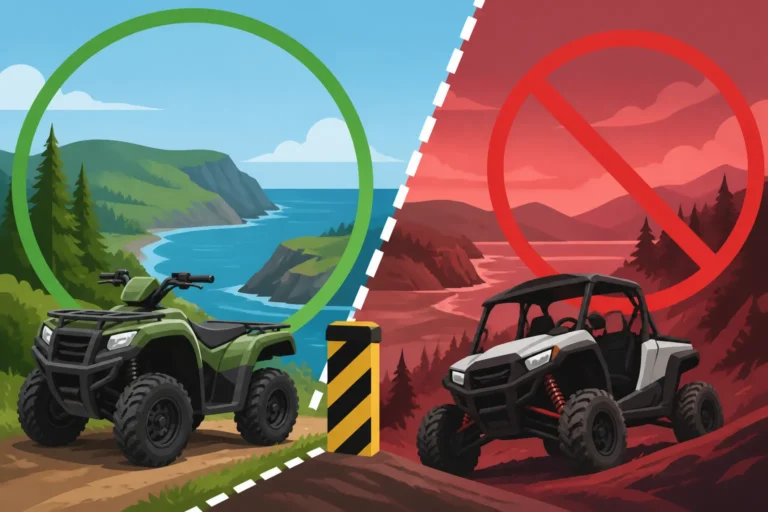
The legalities of riding bogs in Newfoundland generally fall under the province's overarching [Newfoundland Crown Land Riding Rules]. Most bogs are found on Crown Land, and while the Off-Road Vehicles Act doesn't specifically ban riding in bogs, it does impose significant restrictions on where you can ride on Crown Land. Primarily, riding off-road vehicles on Crown Land is restricted to "approved areas" and designated trails. This means you can't just venture into any bog you encounter; you must ensure it's part of an approved riding zone.
Navigating these regulations can be tricky because what constitutes an "approved area" isn't always immediately obvious. While the T'Railway is a well-known approved trail, many other areas are designated for off-road use, often managed by local communities or trail organizations. Riding outside these approved areas can lead to significant fines and even machine confiscation. [Newfoundland Crown Land Fines for Riders] can be substantial, making it crucial for riders to verify their route before heading out. Always check with the provincial government's Crown Lands division or local municipalities for up-to-date maps and approved riding areas to avoid illegal trespass or environmental damage.
Beyond general Crown Land rules, there are specific areas where riding is outright prohibited or heavily restricted due to environmental sensitivity or protected status. For example, riding inside national parks like Gros Morne is generally restricted to highways only, and certain wilderness reserves or critical wildlife habitats will have strict no-entry rules for off-road vehicles. Violating these rules can have severe consequences, not just legally but also environmentally. It's imperative to consult official maps and local regulations, perhaps even contacting regional forestry offices or local municipal councils if you’re unsure about a specific area.
Preparing Your Machine for Bog Riding
Riding through Newfoundland's bogs isn't something you should attempt on a stock machine right off the showroom floor, unless you enjoy getting stuck and calling for recovery. The unique challenges of soft, wet, and often unpredictable terrain demand specific modifications and a thorough pre-ride inspection to ensure both your safety and the longevity of your ATV or UTV. Thinking ahead and equipping your machine properly can mean the difference between an exhilarating ride and a frustrating, costly recovery.
Essential Modifications and Gear
When tackling boggy conditions, your machine's setup is everything. The first and most critical component often overlooked is tires. Standard all-terrain tires might be fine for hard-packed trails, but they simply don't offer the flotation and aggressive traction needed for soft peat. Instead, look for tires specifically designed for mud and soft terrain. These typically have much deeper, widely spaced lugs that can dig in and shed mud effectively, along with a larger overall diameter to increase ground clearance and a wider footprint to help your machine "float" over softer surfaces. When considering [Newfoundland Tire Requirements for an ATV], remember that while the regulations mostly focus on low-pressure tires, the type of tread is crucial for bog performance. Many riders swear by specialty mud tires or even tracks if you plan on frequent deep bog expeditions.
Beyond tires, a winch is practically non-negotiable. It's your primary self-recovery tool and an absolute lifesaver when you inevitably get stuck. Ensure your winch is adequately rated for your machine's weight, preferably 1.5 to 2 times your ATV or UTV's gross weight, and that you have all the necessary accessories: tree saver strap, snatch block, and shackles. Furthermore, considering the amount of water and mud you'll encounter, a snorkel kit for your engine intake and CVT (Continuously Variable Transmission) can prevent costly engine damage from water ingestion if you misjudge a deep crossing. Brands like SuperATV offer a wide range of aftermarket parts, including high-clearance A-arms, lift kits, and heavy-duty winches, all designed to enhance your machine's capability in extreme conditions like deep bog.
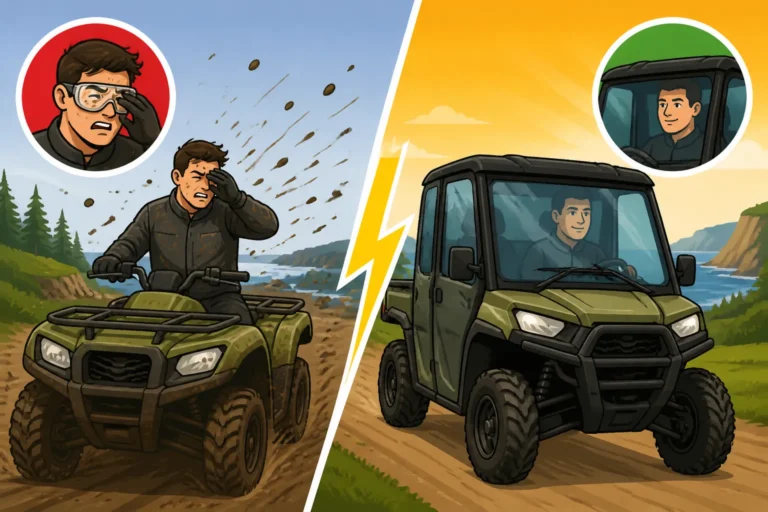
Protection for the underside of your machine is also vital. Bogs, while soft on top, can hide submerged rocks, roots, or old stumps that can easily damage critical components like drive shafts, CV boots, or even your frame. High-quality skid plates, often made from durable UHMW (ultra-high molecular weight polyethylene) or thick aluminum, are a wise investment. They protect the vulnerable undercarriage from impacts and can help the machine slide over obstacles rather than getting hung up. [Skid Plates for Ballast Rock] are often discussed for railbed trails, but they're equally, if not more, important for the hidden hazards in bogs. Don't forget basic safety gear for yourself: a well-fitting helmet, eye protection, waterproof clothing, and a survival kit are essential, as bog riding can often take you far from immediate help.
Maintenance Checks Before You Go
Before every bog adventure, a thorough maintenance check is not just a good idea; it's a critical safety measure. The stresses of bog riding are intense on your machine, and neglecting pre-ride checks can lead to breakdowns in the most inconvenient and remote locations. Start with your tires: check pressure to ensure optimal flotation (often lower than trail riding pressures, but consult your tire manufacturer's recommendations) and inspect for any damage or punctures. Running low pressure helps spread the weight of the machine over a larger surface area, which is key for staying on top of soft ground, as discussed in [Newfoundland Low Pressure Tire Rules].
Next, inspect all fluid levels – engine oil, transmission fluid, coolant, and brake fluid. Water and mud can quickly contaminate seals and breathers, so checking for any signs of leakage or unusual coloration is important. Pay close attention to your brake system; bog riding often means frequent use of brakes, and mud can compromise their effectiveness. Test them thoroughly before you hit the trail. While performing these checks, also look at all your suspension components, including A-arms, tie rods, and shock mounts, for any bends, cracks, or loose bolts. The forces encountered in bogs can put immense strain on these parts.
Finally, ensure all your electrical connections are secure and corrosion-free, especially if you have aftermarket lighting or a winch. Water and electricity are a bad mix, and a faulty connection can quickly leave you stranded. Test your winch operation, confirming the remote works and the cable is spooled correctly. Carry a basic toolkit with common wrenches, zip ties, duct tape, and spare fuses. Don't forget your communication devices – a fully charged cell phone (though service can be spotty in remote Newfoundland bogs) and perhaps a satellite communicator for true wilderness trips. These meticulous checks, though time-consuming, are your best defense against unexpected trouble miles from anywhere.
Safe and Responsible Bog Riding Techniques
Once your machine is prepped, the next challenge is actually riding the bog itself. It's a unique skill that combines throttle control, momentum management, and an understanding of the terrain. Rushing in or being too hesitant can both lead to getting stuck, which, in a deep bog, can be a monumental effort to overcome. Safety and environmental responsibility should always be at the forefront of your mind as you traverse these sensitive areas.
Navigating Soft Terrain
The key to successfully navigating soft bog is a delicate balance of speed and throttle control. Unlike hard-packed trails where you might ride at a consistent pace, bog riding often requires a more dynamic approach. Too slow, and your machine sinks; too fast, and you risk losing control, potentially flipping, or creating deep, damaging ruts. The goal is to maintain just enough momentum to keep the machine on top of the soft surface, allowing your tires to "float" rather than dig. This often means a steady, controlled throttle, avoiding sudden acceleration or deceleration. Think of it like a boat skimming across the water – you need forward motion to stay buoyant.
When you approach a bog, try to read the terrain. Look for areas that appear firmer, perhaps where vegetation is denser, or where other tracks indicate a safer line. Avoid visible deep water or areas of excessively green, lush moss, as these often hide the deepest, softest spots. Engaging four-wheel drive is almost always necessary in bogs to maximize traction. [Which Tires Float Best on Soft Bog] explains that wider, lower-pressure tires with aggressive tread patterns are designed to increase your footprint, distributing the machine's weight over a larger area to reduce sinking. Learning to use minimal steering input and letting the machine follow the path of least resistance can also prevent side-slipping into deeper sections. It’s a dance between rider and machine, requiring constant adjustment and anticipation.
If you feel your machine starting to sink, a common mistake is to aggressively hit the throttle. While a quick burst can sometimes get you through a small soft spot, often it just digs you in deeper, creating a wider and more challenging recovery situation. Instead, try to maintain a steady, controlled throttle and gently rock the steering wheel side to side to help the tires find traction. If you're with a group, a quick push from the rear can often provide the extra momentum needed. Always be mindful of others in your group; don't leave them behind to flounder. Communication is key, especially when approaching challenging sections where one rider can spot for another.
Recovery Techniques When You Get Stuck
No matter how skilled you are or how well-equipped your machine is, getting stuck in a bog is almost an inevitable part of off-road riding in Newfoundland. The true measure of a responsible rider isn't whether they get stuck, but how they recover safely and efficiently. Your first line of defense should always be your winch. Before you even attempt to winch, assess the situation. Is your machine completely submerged? Is there a solid anchor point within reach? Consider the angle of pull and ensure your winching technique is safe for everyone involved. [Winching a Machine Out of Deep Bog] provides detailed steps, but generally, you'll need a suitable anchor (a sturdy tree, another machine, or a large rock), a tree saver strap to protect the anchor, and possibly a snatch block to double your pulling power or change the angle of the pull.
When winching, always ensure spectators are well clear of the winch cable and the area. Winch cables can snap under extreme tension, becoming dangerous projectiles. Use gloves and avoid handling the cable directly under tension. If you're with a group, coordinate your efforts. Sometimes, multiple machines are needed for recovery, either by winching in tandem or by physically pushing while one machine winches. Shovels, high-lift jacks, and recovery boards (traction mats) are also invaluable tools for getting unstuck. Digging out around the tires, especially from the front, can significantly reduce the resistance for the winch. Using recovery boards under your tires can give you the initial traction needed to crawl out.
In situations where a machine is deeply buried, it can be a slow, painstaking process. Patience is crucial. Never force the issue with excessive throttle if you're not gaining traction; you'll only dig yourself deeper or damage your drivetrain. If your machine is taking on water, prioritize getting it out quickly to prevent engine damage. Always have a plan for recovery, even if it means waiting for help or having a satellite communication device to call for professional assistance if you're truly in over your head. Remember, even the toughest SuperATV components can be pushed to their limits in extreme recovery situations, so approach with caution and methodical planning.
Environmental Considerations and Best Practices
Riding off-road in Newfoundland is a privilege, and with that privilege comes the significant responsibility of protecting the unique and often fragile environment you're exploring. Bogs, in particular, are sensitive ecosystems that can be easily damaged by careless riding, with long-lasting consequences for both the landscape and future access for riders.
Minimizing Impact on Sensitive Ecosystems
The most crucial rule when riding in sensitive areas like bogs is to stick to existing trails and tracks. Creating new ruts, especially in soft, wet peat, can take decades to heal and contributes to erosion and habitat degradation. This is particularly relevant in bogs where the ground is a living, breathing ecosystem of mosses, sedges, and delicate plants that are easily crushed or torn up. When you encounter a challenging section, assess it carefully. Is there an existing line you can follow? Can you minimize your impact by carefully picking your way through, rather than plowing through indiscriminately? [Newfoundland Wetland Protection Rules] exist precisely to safeguard these vital habitats, and riders have a role in upholding them.
Beyond sticking to trails, consider your riding style. Aggressive spinning of tires, while sometimes necessary for traction, should be minimized. Excessive wheel spin churns up the bog, destroys vegetation, and contributes to widening trails. If you find yourself in a situation where you're just digging deeper, it's time to stop and employ recovery methods rather than continuing to spin. Think about the cumulative impact of many riders on these fragile landscapes. Each new rut, each patch of torn-up vegetation, contributes to a larger problem that can lead to trail closures and increased restrictions for all riders.
Carrying out everything you carry in is another fundamental best practice. Litter, even biodegradable items, has no place in the wilderness. If you pack out garbage, you ensure these beautiful areas remain pristine for everyone. Taking a moment to pick up any litter you see from other users also demonstrates a commitment to conservation. Engaging with local trail organizations and volunteering for clean-up or maintenance days can also be a fantastic way to give back to the trails that provide so much enjoyment. These organizations often work closely with the provincial government to maintain access and ensure sustainable riding practices.
Respecting Wildlife and Protected Areas
Newfoundland's bogs and surrounding barrens are home to a diverse array of wildlife, including moose, caribou, foxes, and numerous bird species. When riding through these areas, it's essential to be aware of your surroundings and give wildlife ample space. Disturbing animals, especially during sensitive times like calving season or migration, can have serious negative impacts. If you encounter wildlife, slow down, give them a wide berth, and never pursue or harass animals. Remember that you are a visitor in their home.
Specific regulations, such as [Newfoundland Caribou Migration Protection], dictate areas and times where riding may be restricted or prohibited to protect these iconic animals. It's the rider's responsibility to know these restrictions and adhere to them strictly. These measures are put in place for a reason – to ensure the long-term health and survival of wildlife populations. Ignoring them not only jeopardizes the animals but also risks the future of off-road access.
Furthermore, recognize that some areas, particularly those designated as wilderness reserves, ecological reserves, or specific habitat protection zones, are entirely off-limits to off-road vehicles. These areas are established to protect unique or endangered species and fragile ecosystems. Before heading out, consult provincial maps and websites to identify any such restricted zones and plan your route accordingly. Respecting these boundaries is not just a legal requirement but a fundamental part of being a responsible outdoor enthusiast. By being considerate of wildlife and respecting designated protected areas, you contribute to the sustainability of off-road riding in Newfoundland for generations to come.
Permits, Plates, and Proof
Beyond the physical challenges and environmental considerations, riding legally in Newfoundland's bogs (or anywhere off-road for that matter) hinges on having your machine properly registered and carrying the necessary documentation. It's a common oversight that can lead to unwanted interactions with law enforcement and unnecessary fines.
Required Documentation for Riding Crown Land
First and foremost, any ATV or UTV operated in Newfoundland must be registered with the provincial Motor Registration Division. This is a one-time process that ensures your machine is recognized by the province. When you register, you receive an identification plate (often simply called a "plate") that must be affixed to your machine in a visible location. For ATVs, this typically means the rear, and for UTVs, it's often the rear or front. It’s not just about having the plate; it’s about making sure it’s clean and unobstructed, as [Newfoundland Plates Kept Free of Mud] and [Newfoundland Plates Unobstructed by Cargo] are specific requirements. Getting caught with an unreadable or missing plate can draw a fine.
Beyond the physical plate, you are required to carry your registration permit and proof of insurance whenever you operate your machine. This can be a physical copy or, in many cases now, an electronic copy on your phone. [Newfoundland Registration Paperwork Explained] covers all the documents you'll need. Officers conducting a routine check might ask to see these documents, and not being able to produce them can lead to a ticket. It's crucial to have your papers organized and readily accessible, perhaps in a waterproof bag stored securely on your machine. Think of it like driving a car; you wouldn't leave home without your driver's license, registration, and insurance, and the same applies to your off-road vehicle. [What an Officer Can Ask You to Produce] on the trail includes these documents, so always be prepared.
The Importance of Managed Trail Stickers
While your machine's provincial registration covers the legal operation of the vehicle itself, many of Newfoundland's designated trails, especially those maintained by volunteer groups and organizations like the Newfoundland T'Railway Council, require an additional "Managed Trail Sticker." These stickers are a form of user fee that directly contributes to the maintenance, grooming, and signage of the trails. Without this sticker, you might be riding illegally on trails that you assume are open to the public. [Newfoundland Managed Trail Stickers] are sold by trail operators and clubs, and purchasing one is an investment in the future of off-road riding on the island.
The funds generated from these stickers are vital for things like bridge repairs, clearing downed trees, and general upkeep that ensures a safe and enjoyable riding experience for everyone. While you might be riding through what seems like open bog, if that bog is part of a designated managed trail system, the sticker rule applies. Even if you only use a short section of a managed trail to access other riding areas, you are still required to have one. These stickers are typically affixed to your machine in a visible location, often near the registration plate or on the front fender, or can be carried on your person if you prefer not to stick it to your machine. Always check with the specific trail operator or the provincial Snowmobile Federation of Newfoundland and Labrador (SBNL) for clarity on where stickers are required, as rules can vary slightly depending on the managing body. This collective responsibility ensures that the fantastic trail network Newfoundland offers remains accessible and well-maintained.
Disclaimer
This article is for general informational purposes only and does not constitute professional advice. Laws, prices and regulations vary by location and change over time. Consult a qualified professional for guidance on your specific situation.