Newfoundland Rules for a Child Passenger
Sharing the thrill of off-road adventures with your children in Newfoundland is a dream for many, but navigating the specific rules for carrying young passengers on ATVs and UTVs can feel confusing and, frankly, a bit daunting. It's not just about getting them on the machine; it's about ensuring every ride is safe, compliant, and unforgettable for all the right reasons. This guide is here to untangle the legal requirements and best practices, giving you the clear information you need to create joyful, secure memories on the trails and cabin roads with your little co-pilots.
The Basics of Age, Supervision, and Machine Suitability
When it comes to allowing children to ride along on your off-road machine in Newfoundland, the initial thought might be, "Are they even allowed?" The answer is nuanced, depending heavily on the type of machine and the specific role the child will play. It's crucial to understand that Newfoundland's Off-Road Vehicles Act doesn't just casually wave you through; it sets out specific guidelines designed to protect our youngest riders.
Minimum Age and Operator Supervision
Newfoundland has clear, concise rules regarding who can operate an off-road vehicle (ORV) and, by extension, the implications for passengers. While children under 16 have specific engine size limitations when operating a machine, the rules for passengers primarily revolve around the machine's design and the child's ability to ride safely within that design. There's a big difference between a child learning to drive their own small quad and simply sitting on a machine designed for others.
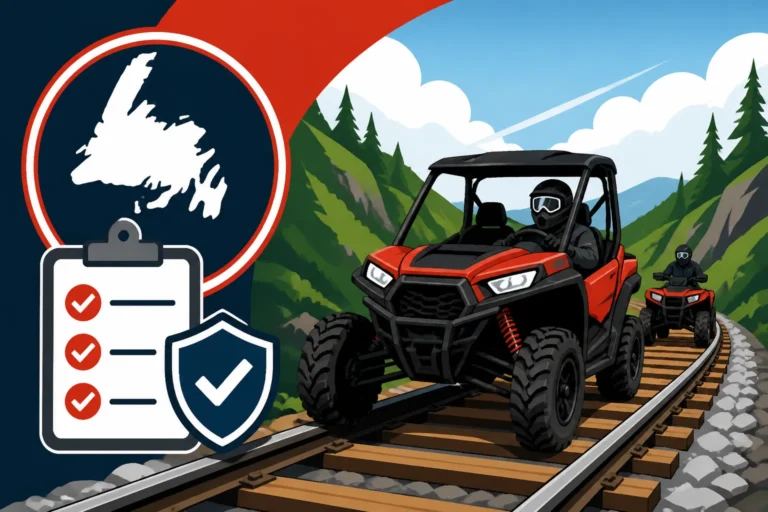
A common misunderstanding is that if a child is too young to operate an ATV, they automatically can't be a passenger. This isn't entirely accurate for all machine types. The real focus is on whether the vehicle itself is designed to safely carry multiple people, and if so, what safety measures are in place. What is consistently clear, however, is the requirement for supervision. Any person under the age of 16 operating an off-road vehicle must be under the direct supervision of someone who is at least 18 years old and holds a valid driver's licence. This supervisor needs to be in a position to effectively manage the situation, usually meaning they are riding an accompanying machine or, in the case of a multi-passenger UTV, operating the vehicle directly. This isn't just a helpful suggestion; it's a legal cornerstone designed to prevent accidents and protect our youth. [Newfoundland Supervision Rules for Young Riders]
The supervisor's role extends beyond simply being present. They are responsible for ensuring the minor follows all rules, wears appropriate safety gear, and operates or rides in a safe manner. This active supervision ensures that if a problem arises, an experienced adult is there to guide and assist. Failing to provide adequate supervision not only puts the child at risk but can also lead to legal repercussions for the adult.
Matching Engine Size to a Child's Age and Weight (Operators vs. Passengers)
While engine size regulations are primarily geared towards operators of ATVs based on their age and weight (for instance, children aged 6-11 are generally limited to ATVs with an engine displacement of 70cc or less, and those aged 12-15 to 90cc or less), these rules subtly influence decisions about child passengers too. If a machine is deemed too large or powerful for a young person to operate safely, it often implies that its overall design might not be suitable for a child passenger to maintain balance or secure a proper hold, especially without factory-installed restraints. [Newfoundland Engine Size for Age and Weight]
The critical distinction here lies in the machine's intended purpose and design. Most All-Terrain Vehicles (ATVs) are explicitly designed and manufactured for a single operator. Their stability and handling characteristics are optimized for one person to control with their body weight. Introducing a passenger, particularly a child, to an ATV can dramatically alter its center of gravity, making it unstable, difficult to steer, and prone to rollovers. This isn't just a theoretical risk; it's a well-documented cause of serious accidents.
In contrast, Utility Terrain Vehicles (UTVs), often called Side-by-Sides, are typically engineered with multiple seats, seat belts, and a roll-over protection structure (ROPS). These features make them far more appropriate and safer for carrying passengers, including children, as long as all safety guidelines are meticulously followed. Always, and we mean always, consult your machine's owner's manual. Manufacturers are very clear about passenger capacity, and ignoring their recommendations is a direct path to danger.
Essential Safety Equipment and Seating for Young Passengers
Safety isn't just a word; it's a commitment, especially when children are involved in off-road activities. The right equipment and proper seating aren't optional extras; they are fundamental requirements under Newfoundland's regulations, designed to minimize risk and prevent serious injury.
Helmets and Eye Protection for Every Child
Let's be absolutely clear: a properly fitted, approved helmet is non-negotiable for every single rider and passenger, regardless of age, on an off-road vehicle in Newfoundland. For children, this means taking the time to find a helmet that fits snugly and securely, specifically designed for their head size. A helmet that is too large or too small offers inadequate protection and can actually become a hazard itself during a fall. Don't fall into the trap of buying a helmet they'll "grow into"; their safety is worth the investment in a helmet that fits now. [Newfoundland Helmet Law for Every Rider]
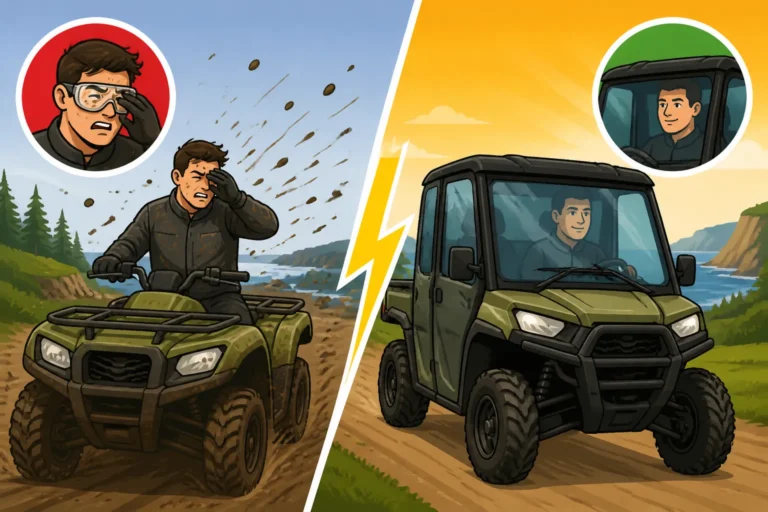
Equally critical is eye protection. Goggles or a full-face shield integrated into the helmet are mandatory. The trails are full of hazards – dust, dirt, gravel, low-hanging branches, and even insects can become dangerous projectiles when you're moving. Children's eyes are particularly vulnerable, and even a small piece of debris can cause significant injury. While an enclosed cab on some UTVs might offer a degree of protection, for open-air riding, eye protection is as vital as the helmet. When choosing a helmet, ensure it carries recognized safety certifications such as Canadian Standards Association (CSA), US DOT, or European ECE. And remember, the chin strap must always be securely fastened. A helmet that comes off in a crash is no better than no helmet at all. [Newfoundland Helmet Standards Accepted]
Proper Seating and Restraints in Side-by-Sides
This is where the distinction between ATVs and UTVs becomes most pronounced, particularly for child passengers. For UTVs, which are built to accommodate multiple occupants, proper seating and restraint systems are paramount. A child passenger must occupy a factory-installed seat. These seats are specifically engineered to work in conjunction with the machine's safety features, most notably the seat belts. [Newfoundland Passenger Seat Requirements]
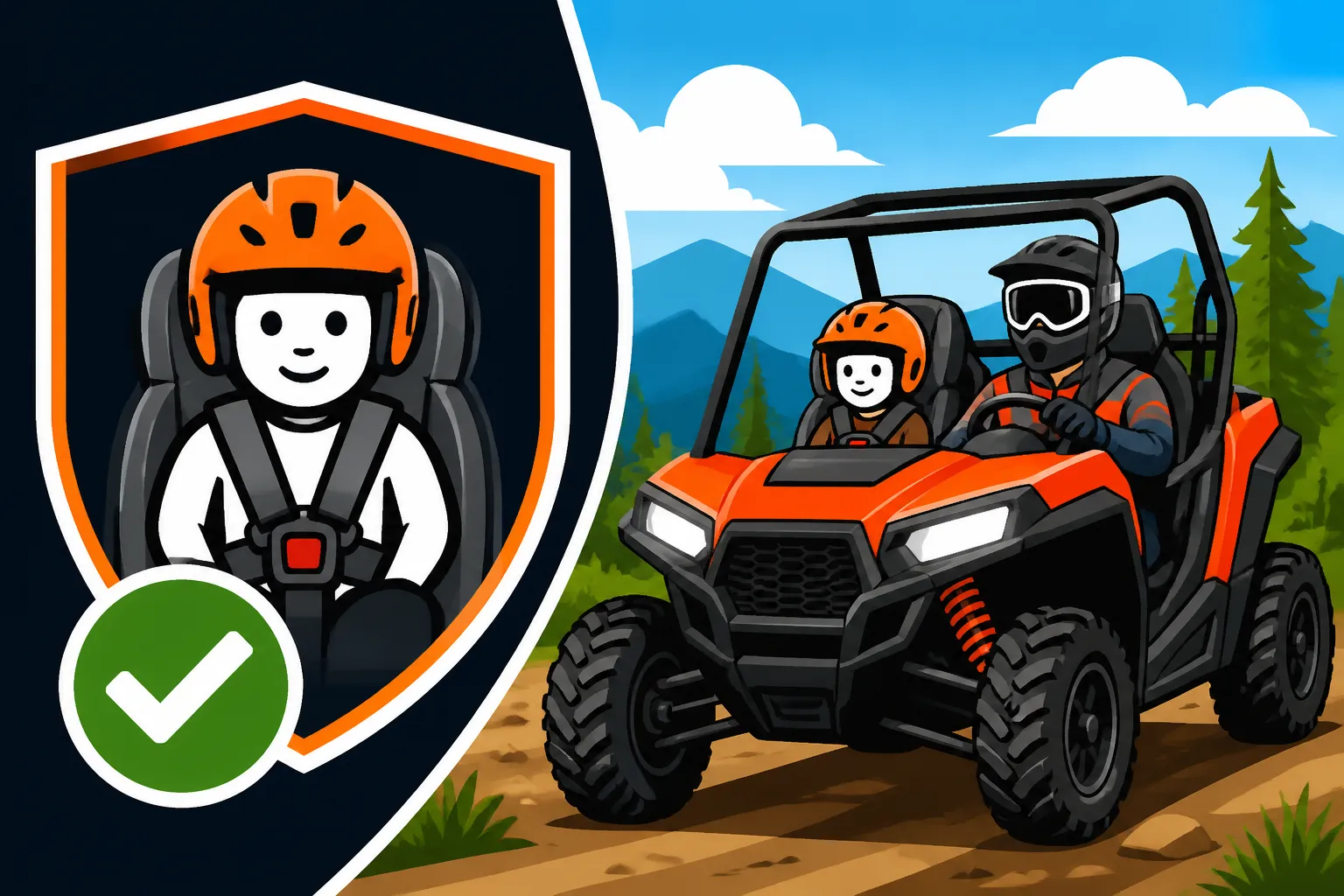
Seat belts are mandatory for all occupants in a UTV. This means every person, young or old, must be buckled up before the machine moves. For younger children, this often goes a step further and requires the use of an age-appropriate child car seat or booster seat. Just like in your family car, these seats must be properly secured to the UTV's factory seat, ensuring the child is adequately restrained and protected in the event of sudden stops, bumps, or rollovers. It's not enough for a child to simply sit on the seat; they need to be secured in a way that is suitable for their height and weight. Always refer to the Off-Road Vehicles Act for the most current and specific requirements regarding child restraints.
Aftermarket accessories, such as those from brands like SuperATV, can play a role in enhancing the safety and comfort of your UTV. Things like specialized harnesses that offer more secure restraint than a standard lap belt, additional grab handles, or even full enclosure kits can add layers of protection and make the ride more enjoyable for young passengers. However, any aftermarket addition should always complement, not replace, the machine's fundamental factory-installed safety features, and you must ensure they comply with all legal requirements.
Why ATVs Are Not Designed for Passengers
Let's reiterate this crucial point: the vast majority of ATVs are designed for one person—the operator. They are engineered for the rider to actively use their body weight to shift balance, steer, and control the machine over varied terrain. Introducing a passenger, especially a child, fundamentally alters the ATV's center of gravity and handling characteristics. This makes it incredibly difficult, if not impossible, for the operator to maintain proper control, particularly during turns, ascents, descents, or unexpected bumps.
The temptation to give a child a "quick spin" on the tank in front or perched precariously behind the operator's seat is not only dangerous but also illegal. The risks of the child falling off, the ATV rolling over, or the operator losing control are dramatically increased. Even at slow speeds or on seemingly flat terrain, the inherent instability introduced by a passenger can lead to severe injury. A momentary thrill is simply not worth the potential lifelong consequences.
If your intention is to share the off-road experience with your children, a multi-passenger UTV is the safer and legally compliant option. These machines are purpose-built with features like roll-over protection systems (ROPS), multiple ergonomically designed seats, and proper seat belt systems, making them infinitely more suitable for family adventures. Investing in a UTV and appropriate safety accessories, perhaps even from a reputable provider like SuperATV, ensures that your family rides are memorable for all the right reasons, not tragic ones.
Legal Responsibilities and Avoiding Penalties
Riding off-road in Newfoundland comes with freedoms, but also significant responsibilities, particularly when children are involved. Understanding your legal obligations isn't just about avoiding fines; it's about safeguarding lives.
Parental Consent and Supervision for Minors
The law in Newfoundland is clear: any adult (aged 18 or older and holding a valid driver's licence) who is supervising a minor operating an ORV, or is transporting a minor as a passenger, carries a heavy legal burden. This responsibility extends far beyond merely being physically present. It means actively ensuring that the child is wearing all required safety gear, that they have received any necessary training (if operating), and that they are riding or being transported in a safe and lawful manner. [Newfoundland Parental Consent for Minors]
Supervising is an active role. You are not a passive bystander. You must be in a position to effectively monitor the situation, provide instructions, and, if necessary, intervene immediately to prevent an unsafe situation. For a child operating their own machine, this often means riding on an accompanying machine in close proximity. For a child passenger in a UTV, it means being the operator and ensuring all restraints are secure and the driving is appropriate for the conditions and the young occupant.
The expectation is that the adult supervisor is fully aware of and compliant with all facets of the Off-Road Vehicles Act. Ignorance of the law is never an acceptable defense. A few minutes spent reviewing the regulations regarding minors and passengers can prevent serious legal troubles and, more importantly, protect the children under your care. Your proactive approach to understanding and enforcing these rules is a critical element of responsible off-road riding.
Consequences of Non-Compliance
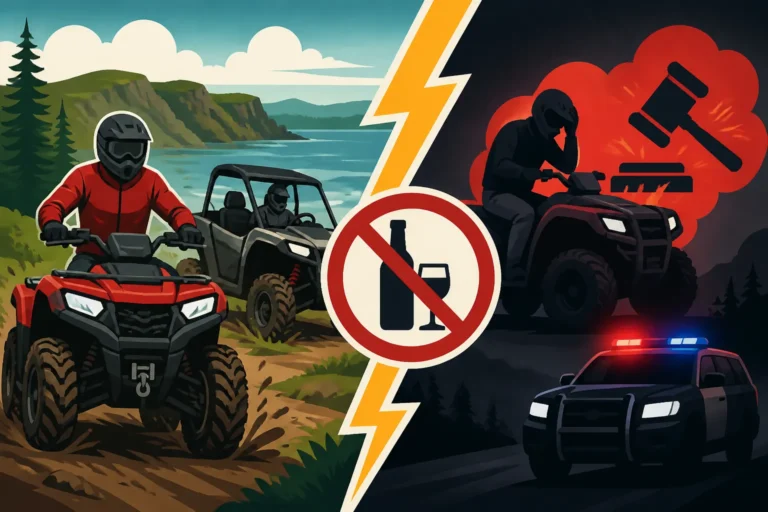
Choosing to disregard the regulations surrounding child passengers on off-road vehicles isn't just a minor oversight; it carries tangible and serious legal consequences. Operating with an unauthorized child passenger (such as on an ATV not designed for two) or failing to ensure proper safety gear and restraints can result in substantial fines. These penalties can vary depending on the specific infraction and its severity. [Newfoundland Fine Ranges by Offence]
Furthermore, peace officers in Newfoundland are empowered to do more than just issue tickets. In situations of serious non-compliance or repeat offenses, they have the authority to seize your off-road machine. Imagine the difficult conversation with your child as your family quad or side-by-side is loaded onto a tow truck because of a preventable safety violation. It's a harsh lesson for everyone involved, but the laws exist to protect vulnerable individuals, and enforcement reflects that priority. [Newfoundland Machine Seizure Rules]
Beyond the immediate legal and financial penalties, there's the far greater, immeasurable cost of an accident involving a child. The emotional trauma, physical injuries, and potential long-term consequences of a preventable incident cast a long shadow. No scenic trail ride or moment of perceived fun is worth risking a child's health and future. Adhering to the rules, investing in appropriate machines and safety gear, and demonstrating unwavering commitment to safety are investments in your child's well-being and a testament to responsible riding.
Insurance and Liability Considerations
A fundamental requirement for any off-road vehicle operated in Newfoundland is a minimum of $200,000 in third-party liability insurance. This is mandatory for every machine, whether you're riding solo or with passengers. However, carrying just the minimum coverage might prove woefully inadequate in the event of a serious accident, especially if a child is involved. The costs associated with medical treatment, rehabilitation, and potential lawsuits can quickly skyrocket far beyond this basic limit. [Newfoundland's Minimum Insurance Requirement]
A crucial point to consider is how your insurance policy might react if an accident occurs while you are carrying a child passenger in violation of the law. For instance, if you are involved in an incident while transporting a child on an ATV explicitly designed for a single rider, or if a child in your UTV was not properly restrained as required by law, your insurance provider may have grounds to deny coverage. This could leave you personally liable for potentially devastating financial burdens, including significant medical expenses, property damage, and considerable legal fees.
It is absolutely imperative to thoroughly review your insurance policy and, more importantly, have an open and honest conversation with your insurance provider about your intentions to ride with child passengers. Clarify what your policy covers, what activities might be excluded, and whether your current coverage is sufficient for the added risks of transporting children. Ensuring you have adequate coverage and that your activities are fully compliant with both the law and your policy terms will provide invaluable peace of mind when venturing out with your family.
Best Practices for Safe Family Off-Roading
Beyond the legal requirements, there are many proactive steps you can take to make every off-road outing with your children not just compliant, but genuinely safe, enjoyable, and educational. These best practices are about cultivating a culture of safety that benefits everyone on the trail.
Pre-Ride Checks and Route Planning with Kids in Mind
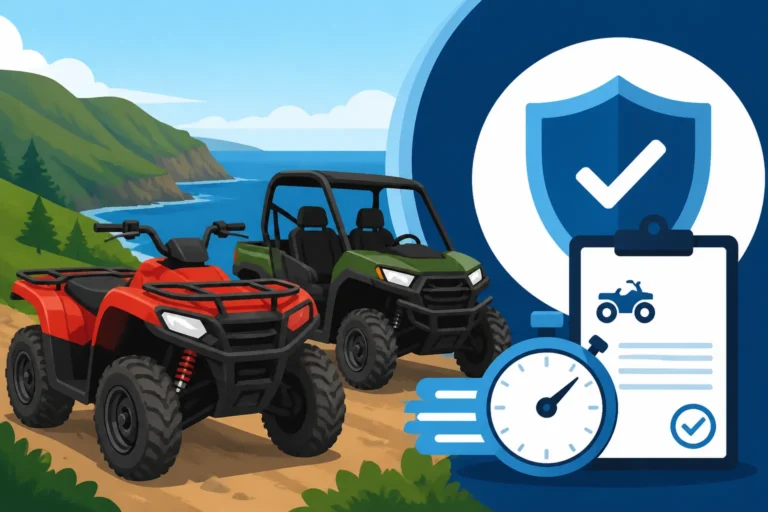
Safety begins long before the engine starts. A comprehensive pre-ride check is always important, but it becomes absolutely critical when you have children aboard. Before every ride, meticulously inspect your tires for proper inflation and damage, test your brakes, ensure all lights are working, and check fluid levels. Most importantly, verify that all safety restraints – seat belts, harnesses, and any child car seat anchorages – are in perfect working order and securely fastened. If you've added any aftermarket accessories, like those from SuperATV designed for safety or comfort, double-check their installation and security.
Equally vital is planning your route with your child passengers' comfort and safety as the top priority. Steer clear of overly technical, extremely rough, or heavily congested trails that might be too jarring or challenging for young occupants. Opt for smoother, well-maintained paths that minimize bumps and sudden movements. Consider the duration of the ride; children have shorter attention spans and endurance, so very long trips can lead to restlessness, discomfort, and even unsafe fidgeting. [Best Newfoundland ATV Trails for Beginners]
Always check the weather forecast before heading out. Newfoundland's weather can shift rapidly, and what starts as a sunny day can quickly turn to fog, rain, or chilly winds, making conditions uncomfortable and potentially dangerous for children. Pack extra layers of clothing, plenty of snacks, ample water, and a robust first-aid kit. Being prepared for anything ensures a much more enjoyable and secure experience for your whole family. [Newfoundland Riding Season and Weather]
Communication and Comfort During the Ride
Effective communication is a cornerstone of safe riding, especially with children. Before you even set off, sit down with your child passenger and clearly explain the "rules of the ride." Emphasize where they need to hold on, why it's crucial to keep their arms and legs inside the vehicle at all times, and the importance of staying seated and quiet. For UTVs, where engine noise can make conversation difficult, establish simple hand signals or agree on a specific word for "stop" or "slow down."
Ensuring the child's physical comfort is also paramount. For toddlers or very young children in UTVs, a properly secured car seat with adequate head and neck support isn't just a legal requirement; it's essential for their well-being on bumpy terrain. For older children, make sure their feet can comfortably reach the floorboards and that they have secure handholds. An uncomfortable child is more likely to fidget, stand up, or try to adjust themselves in ways that compromise their safety.
Regular breaks are your friend. Stop frequently to allow children to stretch their legs, hydrate, and use the washroom. These breaks also provide excellent opportunities to check in on their spirits, see if they need anything, and gently reinforce your safety instructions. A series of shorter, enjoyable segments is always preferable to one long, potentially miserable, and therefore riskier, ride.
Leading by Example and Continuous Education
Children are incredibly observant, and they learn far more from your actions than from your words. When you ride, consistently lead by example: always wear your helmet and eye protection, buckle your seat belt, obey posted speed limits, and demonstrate respectful trail etiquette. If you are seen cutting corners on safety, your children will internalize that these rules are optional, putting them at greater risk when they eventually ride independently.
Consider enrolling older children in approved ATV or UTV safety training courses. While typically mandatory for operators under a certain age or for first-time registrants, these courses instill invaluable safety principles, hazard awareness, and responsible riding habits that are beneficial even for experienced passengers. Understanding the dynamics of the machine and the risks of off-road riding makes them more aware and safer co-pilots. [Newfoundland Safety Training Is Mandatory]
Safety on the trails should be an ongoing dialogue, not a single lecture. Regularly discuss potential hazards you encounter, the importance of wearing all protective gear, and the reasons behind specific rules. Empowering children with knowledge makes them better, more responsible riders, whether they're eventually in the driver's seat or continuing to ride as a passenger. Your commitment to education is a powerful tool in ensuring a lifetime of safe and enjoyable off-road adventures.
Newfoundland Off-Road Vehicle Passenger Rules: ATVs vs. UTVs
Understanding the distinctions between machine types is crucial for ensuring the safety and legality of carrying child passengers.
| Feature / Machine Type | ATV (All-Terrain Vehicle) | UTV (Utility Terrain Vehicle / Side-by-Side) |
|---|---|---|
| Intended Occupancy | Primarily single operator. | Multi-occupant (typically 2, 3, 4, or 6 passengers). |
| Child Passengers Legally | Generally NOT permitted. Most manufacturers explicitly state their machines are for single operators due to stability and design. Carrying a passenger usually violates safety guidelines and potentially the law. | Permitted only on factory-installed seats with appropriate restraints (seat belts, child seats). |
| Seating Design | Single, straddle-style seat designed for operator control and weight shifting. | Multiple, bucket-style or bench seats with backrests, designed for occupants. |
| Restraints | None for passengers; machine relies on operator's body for control. | Seat belts (lap or shoulder harness) are mandatory for all occupants. |
| Child Car Seats | Not applicable; not safe or practical to secure. | Often required for younger children, secured using manufacturer-provided anchors or seatbelts, similar to a car. |
| Helmet Requirement | Mandatory for operator and any unauthorized passenger. | Mandatory for all occupants. |
| Eye Protection | Mandatory for operator and any unauthorized passenger. | Mandatory for all occupants (unless within an enclosed cab with windshield). |
| Stability with Passenger | Highly dependent on operator's body movements; significantly compromised with an additional person, increasing rollover risk. | Designed for multiple occupants; generally more stable and less prone to instability with passengers when driven appropriately. |
| Legal Risk of Transport | High risk of fines, machine seizure, and potential insurance denial if an incident occurs. | Compliance reduces legal risk, provided all rules (seat belts, child seats, etc.) are strictly followed. |
| Overall Passenger Safety | Extremely low and highly dangerous for child passengers due to design limitations. | Significantly higher, when all regulations, appropriate equipment, and responsible driving practices are adhered to. |
Disclaimer
This article is for general informational purposes only and does not constitute professional advice. Laws, prices and regulations vary by location and change over time. Consult a qualified professional for guidance on your specific situation.