Newfoundland ATV Helmet Law
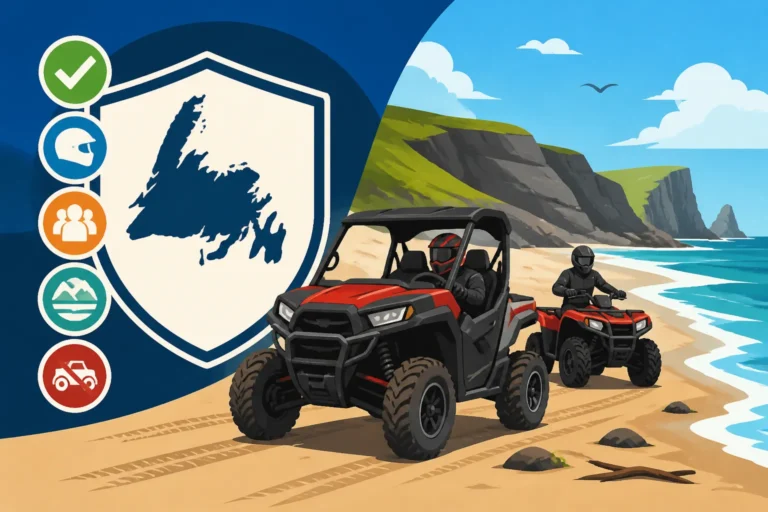
Riding an ATV or UTV across Newfoundland's incredible landscapes is an experience like no other, but there's often a lot of confusion and even frustration about the rules, especially when it comes to safety gear. Many riders wonder if a helmet is truly required for every trip, whether they're on a remote barrens trail or just cruising to a cabin. This guide will cut through the noise, clarify Newfoundland's helmet law for off-road vehicles, and help you understand exactly what you need to keep safe and legal on your next adventure.
The Clear Mandate: Newfoundland's Helmet Law for ORVs
Let's get straight to it: the Off-Road Vehicles Act in Newfoundland and Labrador is quite unambiguous. It clearly states that anyone operating or riding as a passenger on an off-road vehicle (ORV) must wear an approved helmet. There’s no gray area here, no "if you feel like it," and no exceptions for short trips or riding on private property. This isn't just a suggestion; it's a fundamental part of staying safe and avoiding hefty fines. The intent behind this law is pure and simple: to protect riders from serious head injuries, which, as any experienced rider knows, can happen in an instant, even at low speeds or on seemingly easy terrain.
Who Must Wear a Helmet
The law covers virtually everyone on an ORV. This means if you're the one behind the handlebars of your quad, dirt bike, or snowmobile, a helmet is a non-negotiable part of your gear. But it doesn't stop there. Any passenger you have with you, whether they're on a designated passenger seat or in the passenger compartment of a side-by-side, also needs to be wearing an approved helmet. This is particularly important for parents or guardians riding with children. You are responsible for ensuring every single person on your machine is properly geared up. Think of it like seatbelts in a car – everyone buckles up, no exceptions. This applies whether you're heading out for a [Newfoundland Poker Runs and Club Rides] or just doing chores around the cabin.
Consider a typical Saturday: you're heading out from your cabin near Deer Lake on your side-by-side, perhaps with your spouse and a couple of friends in the back. Each one of you, including yourself as the operator, must have an approved helmet securely fastened. An officer can stop you at any point and ask to see proof of [Newfoundland Helmet Law for Every Rider] compliance, along with your registration and insurance. Ignoring this rule isn't just a minor oversight; it's a serious safety risk that can lead to fines and, more importantly, put lives in jeopardy. Even if you’re riding on land you own, the law still applies because the Act governs the operation of the machine itself, regardless of land ownership.
When a Helmet Is Required
The "when" is just as straightforward as the "who": a helmet is required whenever the machine is in operation. This isn't limited to specific trails or public lands. If your wheels are turning or your tracks are spinning, a helmet needs to be on your head and fastened. This can sometimes catch new riders off guard, especially those who might be used to more relaxed rules in other jurisdictions or for different types of vehicles.
For example, you might think that just moving your ATV from the shed to your trailer in the driveway doesn't necessitate a helmet. However, if the machine is operating, you need one. The law doesn't differentiate between a short hop across the yard and a multi-day trip on the [The T'Railway's 883 Kilometres in Newfoundland]. This constant requirement underscores the province's commitment to safety for all riders. It also prevents the common excuse of "I was just going a short distance." The moment you fire up that engine, you're expected to be protected. For families, ensuring everyone, especially younger riders, understands this is crucial. [Newfoundland Supervision Rules for Young Riders] are strict, and that includes helmet use.
| Requirement Category | Operator | Passenger | Youth Rider |
|---|---|---|---|
| Helmet Required? | Yes | Yes | Yes |
| Approved Standard? | Yes | Yes | Yes |
| Chin Strap Fastened? | Yes | Yes | Yes |
| Eye Protection? | Yes | Yes | Yes |
Navigating Approved Helmet Standards
Knowing you need a helmet is one thing, but knowing which helmet is approved is another. Newfoundland's Off-Road Vehicles Act specifies that helmets must meet certain recognized safety standards. This isn't about brand names or fancy graphics; it's about the helmet's ability to protect your head in an impact. When you're choosing a helmet, whether for yourself or a family member, looking for these certification stickers is paramount.
Understanding CSA, DOT, and ECE Standards
Globally, several key standards ensure a helmet meets rigorous safety testing. In Newfoundland, the primary accepted standards include:
- Canadian Standards Association (CSA): This is Canada's own certification. A CSA-approved helmet has undergone extensive testing for impact absorption, penetration resistance, and retention system strength. If you see a CSA sticker, you know it's met Canadian safety benchmarks.
- Department of Transportation (DOT): This is a United States standard, often seen on helmets sold throughout North America. DOT-approved helmets must also pass a battery of tests for impact, penetration, and chin strap integrity. Many helmets carry both CSA and DOT certification, making them widely acceptable.
- Economic Commission for Europe (ECE): This is a European standard, recognized internationally. ECE 22.05 (or newer versions) is another common marking you'll find, especially on helmets from international manufacturers. Like CSA and DOT, ECE certified helmets offer a high level of protection.
The important thing is that the helmet carries at least one of these certifications. You might find some helmets that meet all three, which is perfectly fine. The key is to avoid novelty helmets or those without clear safety certifications, as these will not meet the legal requirement and, more importantly, won't offer the protection you need. Always check inside the helmet or on the back for the official sticker or marking.
The Importance of a Proper Fit and Fastening
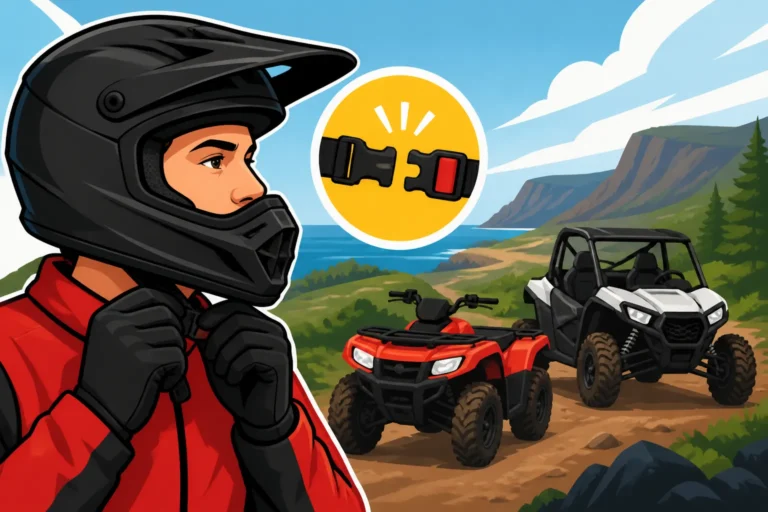
Beyond the certification, a helmet is only effective if it fits correctly and is properly fastened. A helmet that's too loose can shift during an impact, failing to protect your head, and a chin strap left unbuckled renders even the most advanced helmet useless. [Newfoundland Helmet Straps Must Be Fastened] is not just a polite suggestion; it's part of the law.
When trying on a helmet, it should feel snug all around your head, with no pressure points. It shouldn't wiggle or move when you shake your head side to side or up and down. The chin strap should be securely fastened so that when you try to pull the helmet off by grabbing the back, it resists firmly without sliding over your chin. Many riders prefer helmets with features like integrated visors or goggles to ensure [Newfoundland Eye Protection Requirements] are also met, especially for longer rides where wind, dust, and debris can become a real nuisance. Consider brands known for durability and smart storage solutions for your gear. While it doesn't make a helmet street legal, adding a quality windshield from a company like SuperATV can make your ride much more comfortable, keeping some of the elements at bay, but remember, it doesn't replace your helmet or eye protection.
Specific Scenarios and Common Misconceptions
Despite the clear language in the Act, there are still a few areas where riders often get confused about helmet requirements. Let's tackle some of these specific scenarios and clear up common misconceptions that can lead to unnecessary risks or legal trouble.
Hunting and Trapping Exceptions
This is one of the most frequently asked questions: "Do I need a helmet when I'm hunting or trapping?" The Off-Road Vehicles Act does have a specific, very narrow exception here. An operator of an off-road vehicle is exempt from wearing a helmet when engaged in bona fide hunting or trapping activities. However, there's a huge catch: this exemption does not apply to passengers. So, if you're the hunter driving your ATV into the woods, you might be exempt, but if you have a buddy, a child, or even your dog riding with you, they still need a helmet.
Furthermore, this exemption only applies during the act of hunting or trapping, not simply when transporting gear to a hunting ground. This can be a tricky distinction. Are you actively hunting, or are you merely getting to your hunting spot? It's best to err on the side of caution. An officer can interpret this strictly. If you’re not actively engaged in the pursuit of game or setting traps, the helmet rule still applies. It’s always safer to wear one, regardless. The wilderness of Newfoundland is rugged, and a head injury far from medical help is a dire situation. If you're using your ORV for [Newfoundland Big Game Transport Trips], once the animal is down and you're hauling it out, the exemption may still apply to the operator, but passengers remain bound by the helmet rule.
Riding on Private Property or Cabin Roads
Another common belief is that if you're riding on your own land, or on a private road leading to your cabin, the helmet law doesn't apply. This is a significant misconception. The Off-Road Vehicles Act broadly governs the operation of ORVs across the province. It doesn't draw a line between public trails and private property in terms of safety equipment like helmets. If your machine is in operation, the helmet rule applies.
Think about it this way: the risk of injury doesn't disappear just because you're on your own land. A rollover, a collision with a tree, or an unexpected ditch can happen anywhere. The law prioritizes personal safety above all else. So, even if you're just shuttling supplies to your remote [Newfoundland Cabin Road Riding], everyone on the machine needs to be wearing an approved and fastened helmet. This often means buying multiple helmets if you have family or friends who regularly ride with you to the cabin. While you might be tempted to cut corners, protecting your head is simply not worth the risk. Many riders also use this opportunity to invest in robust gear that protects their machines, with underbody armour and skid plates from companies like SuperATV becoming popular choices, ensuring that both rider and machine are ready for any terrain.
Beyond the Law: Why Helmets Are Indispensable
While adhering to the law is crucial for avoiding fines and legal troubles, the primary reason for wearing a helmet goes far beyond regulations. It's about protecting your most vital organ and ensuring you can continue to enjoy the incredible sport of off-roading for years to come.
Preventing Serious Injury
The statistics on head injuries in ORV accidents are sobering. Helmets are incredibly effective at reducing the risk of fatal and non-fatal head injuries. Even a low-speed tip-over can result in a severe concussion or worse if your head strikes the ground, a rock, or another object. Modern helmets are designed with advanced materials and construction to absorb and dissipate impact energy, spreading the force over a larger area and reducing the trauma to your brain.
Consider the dynamic environment of off-road riding in Newfoundland. You're often dealing with uneven terrain, unexpected drops, changing weather conditions, and sometimes unforeseen obstacles. A split-second error or an unavoidable encounter with a hidden rock can send you flying. Having a quality, approved helmet can literally be the difference between a minor shake-up and a life-altering injury. Investing in a good helmet is not just an expense; it's an investment in your well-being and longevity as a rider. It's just as important as having your machine properly registered, as highlighted in guides like [Newfoundland ORV Registration Cost].
Enhancing Comfort and Focus
Beyond pure safety, a well-fitting, quality helmet can actually enhance your riding experience. It protects your face from wind, dust, branches, and insects, especially when combined with proper eye protection. In colder weather, it provides insulation, keeping you warmer. In summer, good ventilation systems in helmets help keep you cool. All of these factors contribute to greater comfort, which in turn allows you to focus more on the trail and less on external distractions.
A helmet also provides a sense of security, allowing you to ride with more confidence, knowing you have a layer of protection. This doesn't mean you should take unnecessary risks, but rather that you can concentrate on navigating challenges and enjoying the scenery without constant worry. When preparing for an expedition, whether it’s a [Newfoundland Riding in Summer] jaunt or a rugged winter adventure, prioritizing your gear, especially your helmet, should always be at the top of your list. Remember, while a sturdy cargo box from SuperATV helps carry your supplies, it's the helmet that protects the most precious cargo – your head.
Disclaimer
This article is for general informational purposes only and does not constitute professional advice. Laws, prices and regulations vary by location and change over time. Consult a qualified professional for guidance on your specific situation.