Storing a Machine Through a Long Coastal Winter
Ah, the crisp, salty air of a Newfoundland autumn… it's beautiful, but it also signals the inevitable approach of a long, often brutal, coastal winter. For us ATV and UTV enthusiasts, that means facing the annual dilemma: how do you properly put your beloved machine away so it's ready to roar to life next spring without a hitch? This guide is here to walk you through every step of winterizing and storing your off-road vehicle, ensuring it hibernates safely through the frost and thaw cycles without causing you a headache, or an expensive repair bill, when the snow melts.
Why Newfoundland's Winter Is a Special Challenge for Your Machine
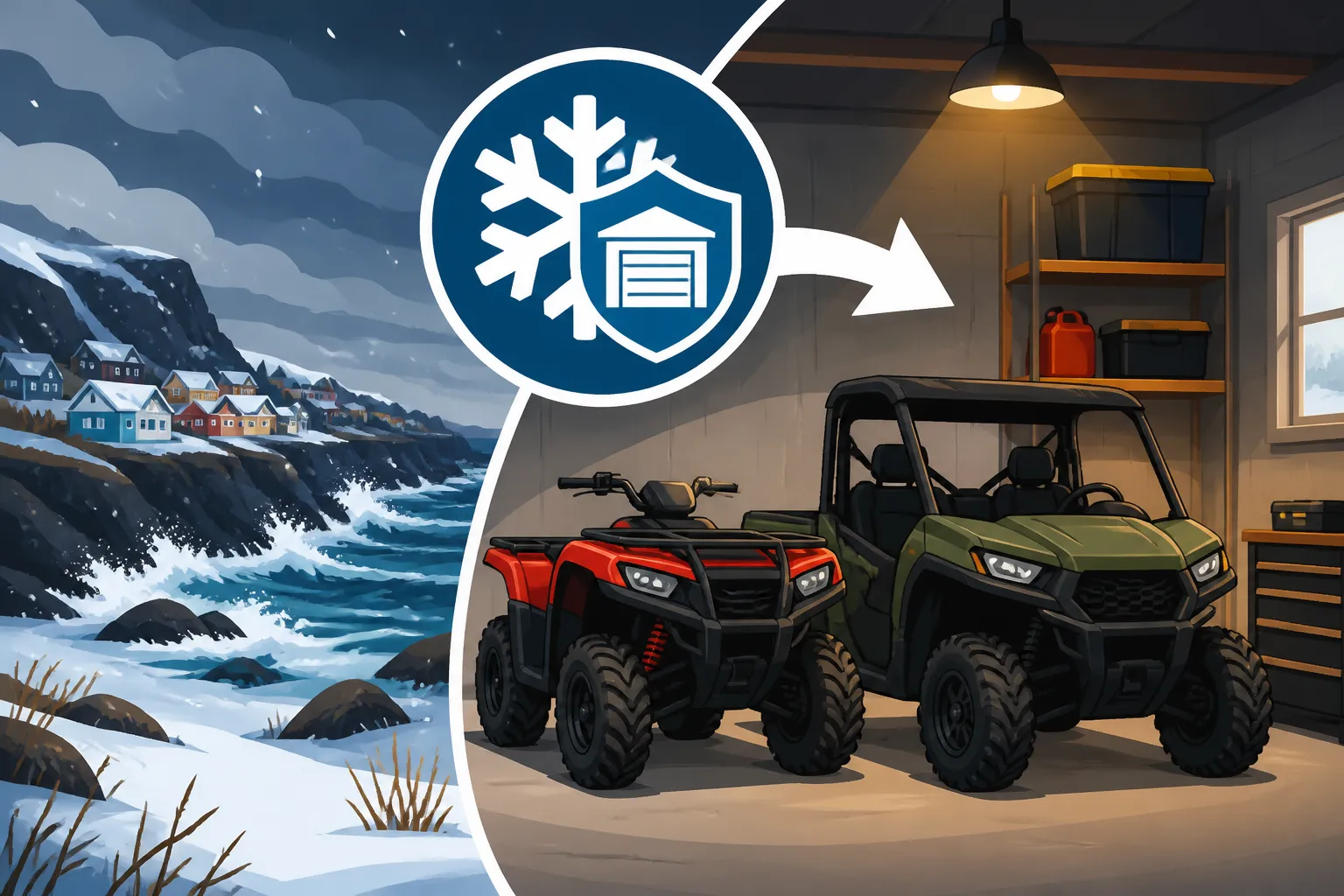
Living on an island, we know all about the unique challenges our environment poses. Our winters aren't just cold; they're often damp, exposed to salt air, and characterized by constant freeze-thaw cycles that can be surprisingly harsh on machinery. This isn't like storing a snowmobile that thrives in the cold; an ATV or UTV is built for different conditions, and tucking it away for months requires specific attention to detail. Skipping steps can lead to anything from a dead battery and stale fuel to rusted components, cracked hoses, and even pest infestations. You've invested good money and countless hours making memories on your quad or side-by-side, so giving it a proper send-off into hibernation is just good stewardship.
Our coastal climate means humidity can creep into places you wouldn't expect, accelerating corrosion. The dramatic temperature swings can stress plastics and rubber, making them brittle. And let's not forget our industrious little critters – mice, squirrels, and other small animals – who see a warm, enclosed ATV as a perfect winter condominium, complete with ready-made nesting materials in your air filter box or seat foam. Ignoring these factors can mean a frustrating start to your riding season, potentially costing you precious time and money when you'd rather be hitting the trails. Many riders ask about [Newfoundland Machines Stored Over Winter] and the answer is always that a little work now saves a lot of grief later.
The Essential Pre-Hibernation Checklist: Getting Your ATV/UTV Ready
Winterizing your ATV or UTV isn't just about throwing a tarp over it. It's a comprehensive process that addresses every major system to protect it from the elements and the ravages of disuse. Think of it as a thorough spa treatment before a long nap.
Cleaning Your Machine Thoroughly
Before anything else, give your machine the best bath it's ever had. We're talking about a meticulous clean, especially if you've been riding through mud, bog, or salty coastal trails. Mud and grime hold moisture, and that moisture is an open invitation for rust and corrosion, especially in our damp environment. Pay close attention to the undercarriage, suspension components, and engine bay. Use a pressure washer carefully, avoiding direct blasts to electrical connections, bearings, and seals. After washing, take your machine for a short ride or let it idle to thoroughly dry out any water that might have seeped into crevices, brake components, or exhaust systems. You don't want water freezing inside those parts. Once it's dry, a protective spray on metal components (like a silicone or WD-40 variant) can add an extra layer of defense against moisture.
Fuel System Preparation
This is one of the most critical steps. Leaving untreated fuel in your tank for months can lead to significant problems. Gasoline, especially modern blends, can degrade over time, forming gummy deposits that clog carburetors, fuel lines, and injectors. Our long winters mean machines can sit for five or six months, more than enough time for this to happen.
Start by adding a high-quality fuel stabilizer to a full tank of fresh gasoline. A full tank minimizes air space, reducing condensation inside the tank. Run the engine for about 10-15 minutes after adding the stabilizer to ensure the treated fuel circulates throughout the entire fuel system, reaching the carburetor or fuel injectors. If your machine has a carburetor, some old-school riders prefer to drain the float bowl completely after stabilization, but a good stabilizer should mitigate this need. For fuel-injected machines, simply running the engine with stabilized fuel is sufficient. This small step now prevents a world of frustration and potential repair costs come spring.
Engine and Exhaust Care
Changing your oil and filter before storage is highly recommended. Used oil contains contaminants and acids that can corrode internal engine components during prolonged inactivity. Fresh oil provides maximum protection. While you're at it, remove the spark plugs and pour a small amount (about a tablespoon) of fogging oil or clean engine oil into each cylinder. Then, gently turn the engine over by hand a few times (without starting it) to distribute the oil and coat the cylinder walls, preventing rust. Reinstall the spark plugs loosely or replace them with new ones. For the exhaust, block the opening with a rag or steel wool to prevent pests from nesting inside, which can lead to exhaust blockages and poor performance next season.
Battery Maintenance
A dead battery is a classic sign of improper winter storage. Batteries naturally self-discharge over time, and cold temperatures accelerate this process. Remove your battery from the machine. Clean the terminals thoroughly and store the battery in a cool, dry place where it won't freeze. The best practice is to connect it to a "smart" battery tender or maintainer that automatically monitors and charges the battery as needed. These devices prevent overcharging and ensure your battery is ready to go when you are. If you leave the battery in the machine, ensure it's disconnected and still consider a tender, especially if the machine is stored in a garage with access to power. Riders often forget about the battery, only to find themselves scrambling for a jump start when they want to go for a ride.
Tires and Suspension
For wheeled machines, over-inflate your tires to the maximum recommended pressure listed on the sidewall. This helps prevent flat spots from developing over months of sitting. If possible, lift the machine onto stands so the tires are off the ground entirely. This also relieves pressure on the suspension components. Clean and lubricate all suspension pivot points, grease zerks, and exposed shock shafts to protect against rust and keep everything moving freely. This is a great time to inspect for any damage or wear you might want to address before spring.
Cables, Linkages, and Other Lubrication Points
Lubricate all control cables (throttle, brake), pivot points, and linkages. Use a cable lubricant for inside the cables and a general-purpose grease or spray lubricant for exposed moving parts. This prevents them from seizing up over winter. Check and top up all fluid levels – brake fluid, coolant, differential fluids – to ensure they are at the correct levels and won't cause any issues from sitting. While checking fluids, it’s a good idea to inspect hoses for cracks and clamps for tightness. If you're meticulous with your maintenance, you might even consider using a detailed checklist, perhaps one you can customize and print from a resource like LawDepot, to ensure you don't miss any steps.
Choosing the Right Storage Location in Newfoundland
Where you store your ATV or UTV during our long winter months can be just as important as how you prepare it. The ideal location offers protection from the elements, security, and helps maintain a stable environment.
Indoor vs. Outdoor Storage
Indoor Storage: This is always the preferred option, hands down. A heated garage, a shed, or even a rented storage unit provides the best protection from the constant dampness, freezing rain, snow, and extreme temperature fluctuations we experience. Indoors, your machine is protected from UV degradation to plastics and tires, less susceptible to rust, and generally safer from theft. If you're fortunate enough to have a heated garage, it minimizes condensation issues and keeps components at a more stable temperature. A dry, unheated shed is still excellent, as long as it's well-sealed from rodents and the worst of the weather. When thinking about [Newfoundland Registration for a Cabin Machine], remember that cabin sheds are usually unheated but still offer better protection than open-air storage.
Outdoor Storage: If indoor storage isn't an option, outdoor storage requires extra diligence. You absolutely need a high-quality, durable, waterproof cover that fits snugly and allows for some ventilation to prevent moisture build-up underneath. Don't use a cheap tarp that will rip or trap moisture. Ensure the cover is secured to prevent it from blowing off in our infamous Newfoundland winds. Place plywood or planks under the tires to keep them off the cold, damp ground. Raising the machine off the ground slightly can also help with air circulation underneath. Even with the best cover, outdoor storage will still expose your machine to greater environmental stresses, making all your winterization steps even more critical.
Security Measures for Your Machine
Regardless of where you store it, security should be a top priority. ATVs and UTVs are unfortunately popular targets for theft. In a garage or shed, ensure doors are locked and windows are secured. Consider adding an alarm system or motion-activated lights. For outdoor storage, make sure your machine is out of sight if possible, or well-lit and secured with heavy-duty chains and locks to an immovable object. It's a sad reality, but being proactive about security can save you a world of heartache. Always remember to have all your [Newfoundland Registration Paperwork Explained] and easily accessible, perhaps even scan and digitally store copies, in case of theft or other issues. You might even use a platform like LawDepot to keep track of a maintenance log, which could indirectly help prove ownership or care in some situations.
Considering Storage Agreements
If you're storing your machine on someone else's property, perhaps at a friend's cabin, or if you're renting a storage unit, it's a wise move to have a simple written agreement. This doesn't need to be complex, but it should outline the terms of storage, duration, access rights, and responsibility in case of damage or theft. Even for informal arrangements, clarifying expectations upfront can prevent misunderstandings down the road. While not always necessary for casual arrangements, knowing that tools exist for drafting such agreements, like those found on LawDepot, can give you peace of mind and ensure everyone is on the same page. This is particularly relevant if you're dealing with [Newfoundland Registration for a Business Machine] that might be stored at a different location than your primary business address.
Keeping an Eye on Your Machine During Its Long Winter's Nap
Winterization isn't a "set it and forget it" process, especially not in Newfoundland where conditions can change rapidly. A few periodic checks can make a big difference in ensuring your ATV or UTV emerges from winter unscathed.
Regular Visual Inspections
Even if your machine is tucked away indoors, make it a point to check on it every few weeks. Look for signs of rodent activity – droppings, chewed wires, or nesting materials. Pay attention to any strange smells, which could indicate a fuel leak or other issues. Check the tire pressure periodically; tires can lose air over time, even if over-inflated. A quick visual inspection helps you catch small problems before they become big ones. If you have a battery tender connected, ensure its indicator light shows it's functioning correctly.
Dealing with Humidity and Condensation
In unheated spaces, condensation can still be a problem. Consider placing a desiccant (like silica gel packets or a moisture absorber) inside any enclosed compartments or even under the seat to help absorb ambient moisture. While not always necessary, it can be a good extra step in particularly damp sheds or garages, helping to combat the corrosive effects of our coastal humidity. You might also want to periodically air out the storage space on a dry, mild winter day, if practical, to cycle fresh air through.
Insurance and Documentation
Before you put your machine away, double-check your insurance policy. Does it cover theft or damage while the ATV/UTV is in storage? Many policies include this, but it's always best to confirm so you're not caught off guard. You always need to maintain [Newfoundland Insurance Requirements for Riders] when operating your machine, but storage considerations can differ. Ensure all your registration documents are safely stored and easily accessible. Your [Newfoundland Registration Valid While You Own It] means you don't have to worry about renewal, but having proof of ownership on hand is always prudent. If you are ever thinking about selling, having all your paperwork in order is crucial, and documentation like a bill of sale or ownership transfer forms, perhaps even from a reputable source like LawDepot, would be necessary.
Checklist for Winter Storage
Here’s a quick summary checklist to ensure you don’t miss any crucial steps when putting your ATV or UTV away for the long Newfoundland winter.
| Category | Action Item | Details |
|---|---|---|
| Cleaning | Wash and dry thoroughly | Remove all mud, grime, and salt; ensure no water remains in crevices. |
| Fuel System | Add fuel stabilizer to full tank | Run engine for 10-15 mins to circulate. |
| Engine | Change oil and filter | Use fresh oil for maximum internal protection. |
| Fog cylinders | Inject fogging oil/engine oil; turn engine over by hand. | |
| Battery | Remove, clean, and store on a tender | Store in a cool, dry place; use a smart charger. |
| Tires | Over-inflate to maximum PSI | Lift off ground if possible to prevent flat spots. |
| Suspension | Lubricate all pivot points and exposed shafts | Protect against rust and ensure free movement. |
| Cables/Linkages | Lubricate all control cables and moving parts | Prevents seizing over winter months. |
| Fluids | Check and top up all levels | Coolant, brake fluid, differential fluids. |
| Pest Control | Block exhaust and air intake | Use steel wool/rag; check for nests regularly. |
| Cover | Use high-quality, breathable cover | Essential for outdoor storage; good for indoor dust protection too. |
| Security | Lock up; use chains/alarms if needed | Protect against theft in all storage scenarios. |
| Documentation | Confirm insurance coverage for storage | Know your policy limits and terms. |
| Ongoing Checks | Periodic visual inspections | Look for pests, leaks, tire pressure. |
Taking the time to properly winterize and store your ATV or UTV is a small investment of effort that pays huge dividends in the spring. You'll avoid frustrating breakdowns, extend the life of your machine, and ensure that when the trails call, you're ready to answer without delay.
Disclaimer
This article is for general informational purposes only and does not constitute professional advice. Laws, prices and regulations vary by location and change over time. Consult a qualified professional for guidance on your specific situation.