Newfoundland Sworn Affidavits and Indemnity Forms
Many Newfoundland ATV and UTV enthusiasts eventually hit a snag when trying to register a machine that doesn't come with a neat stack of perfect paperwork. Whether you bought a used quad from a private seller years ago, inherited a side-by-side that was never formally registered, or the original documents simply vanished into thin air, navigating the Motor Registration Division can feel like trying to cross a bog without a map. This guide is designed to help you understand and correctly use sworn affidavits and indemnity forms – two crucial documents that can bridge the gap when clear proof of ownership is missing, allowing you to get your machine legally on the trails.
The Paperwork Predicament: Why Affidavits and Indemnities Become Necessary
It’s a tale as old as time on this island: you find a fantastic deal on a used off-road vehicle, or perhaps a beloved family machine has been passed down, only to discover the paper trail has gone cold. Suddenly, your excitement about hitting the barrens turns into a headache at the thought of dealing with government bureaucracy.
The Frustration of Missing Ownership Paperwork
You've just bought a classic old quad from a buddy's uncle out in the bay, but the original bill of sale from decades ago is long gone, or the previous owner simply never registered it. You're excited to get it on the [T'Railway's 883 Kilometres in Newfoundland], but suddenly you hit a wall. Newfoundland's Motor Registration Division requires a clear chain of ownership to register any off-road vehicle. This isn't just a minor hurdle; it feels like a giant, boggy pit preventing you from enjoying your machine. Many riders find themselves in this frustrating limbo, stuck with a machine they technically own but can't legally operate because the paper trail vanished years ago. It’s a common scenario, especially with older machines that might have changed hands multiple times within families or small communities without formal documentation being meticulously kept.
The provincial government needs assurance that you are the rightful owner, not just some random person trying to register a stolen machine. This is why standard proof like a bill of sale, or a [New Vehicle Information Statement to the Counter] for a brand-new purchase, is so critical. Without it, they can't confirm the machine's history or protect future buyers. The absence of these documents can feel like a dead end, leaving you wondering if your new-to-you quad will ever see a trail. It’s enough to make anyone throw their hands up in despair.
What a Sworn Affidavit Really Is
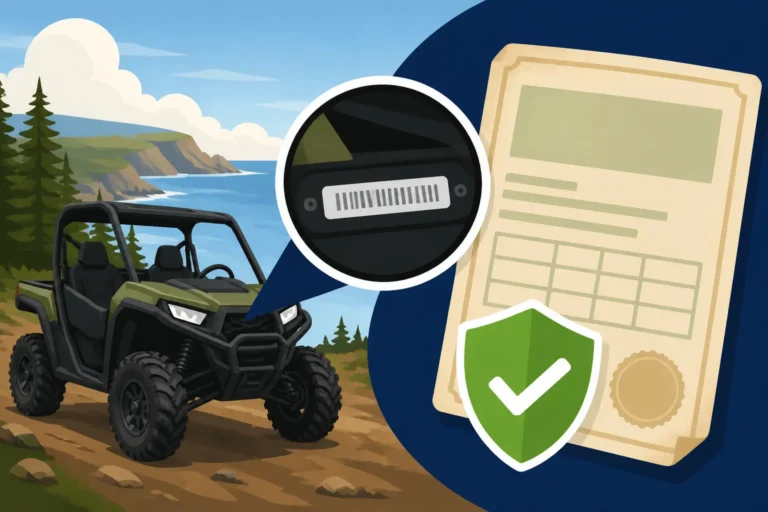
When traditional documents fail, a sworn affidavit steps in as a legal substitute. Think of it as your formal, legally binding statement of truth, made under oath or affirmation, explaining the circumstances of your machine's ownership. It's not just a casual note you jot down; it’s a serious document where you attest to facts as you know them, acknowledging that lying under oath carries legal consequences. This adds a layer of credibility and legal weight that a simple letter wouldn't possess. It typically includes details like how you acquired the machine, from whom, when, and why you don't have the standard paperwork.
Preparing an affidavit often involves detailing the chain of ownership as best you can recall, even if it's just a few informal transactions. You might state that you received the machine as a gift, bought it for cash from a private seller who has since moved away, or inherited it. The more detail you can provide, the stronger your affidavit will be. LawDepot is one resource many individuals use to help draft various legal documents, including affidavits, providing templates and guidance to ensure all necessary information is captured accurately. It's about building a narrative that the Motor Registration Division can trust, confirming your rightful claim to the off-road vehicle.
The Role of an Indemnity Form
An indemnity form, often paired with an affidavit, serves a slightly different but equally critical purpose. When you sign an indemnity, you are essentially agreeing to protect the Motor Registration Division (and the provincial government) from any legal claims or financial losses that might arise if your statement of ownership later proves to be false or incomplete. It's a way for the government to mitigate their risk when registering a machine without a perfect paper trail. By signing, you take full responsibility should a legitimate prior owner or a lienholder suddenly appear and stake a claim on the machine.
This form is a safeguard for the registry, ensuring that if there's ever a dispute, the burden falls on you, the applicant, not on the government for having registered it based on your sworn word. It’s a significant commitment, one that highlights the seriousness of these non-standard registration pathways. You're essentially saying, "I understand the risks, and I will handle any future issues." Understanding this legal responsibility is crucial before you put your pen to paper, as it can have long-term implications if any discrepancies arise down the road.
Specific Scenarios Where These Forms Become Your Best Bet
Life in Newfoundland is rarely straightforward, and neither is the journey of every ATV or UTV. These special forms are designed for those times when the usual path isn't an option.
Buying a Machine with No Bill of Sale
This is perhaps the most common reason people find themselves needing an affidavit and indemnity. Imagine you've found a fantastic deal on a used ATV – maybe a seasoned [Newfoundland Registration for a Cabin Machine] that's been passed down through generations. The seller is a decent person, but they bought it years ago from a friend, never got a formal bill of sale themselves, and certainly don't have the original NVIS. You hand over the cash, shake hands, and suddenly realize you have a machine but no official record to show Motor Registration. This isn't an uncommon occurrence in tight-knit communities or with casual private sales.
In such cases, the registry needs more than your word. They need your sworn word, backed by a legal document. An affidavit from you, detailing the purchase, the seller's name (if known), the date, and the reason for the missing bill of sale, becomes indispensable. If you can get the seller to also sign an affidavit confirming the sale, even better, though that's not always possible. This scenario truly highlights why [Newfoundland Registration Without a Bill of Sale] requires these extra steps to ensure legal clarity.
Inherited Machines Without Clear Title
The loss of a loved one is hard enough, and sorting through their estate can add layers of complexity. If you've inherited an ATV or UTV, and the original owner (the deceased) either never registered it or the registration documents, along with any bills of sale, are nowhere to be found, you're in a similar bind. The machine is rightfully yours through inheritance, but without the paperwork, how do you prove it to the provincial authorities? This is where the affidavit comes into play, particularly when the previous owner's records are inaccessible or non-existent.
You would typically prepare an affidavit outlining your relationship to the deceased, the circumstances of the inheritance (e.g., "left to me in a will," or "part of the estate distribution"), and why the traditional ownership documents are unavailable. Sometimes, a copy of the will or probate documents can supplement this, but the affidavit solidifies your claim in the absence of the machine's specific paperwork. For guidance, resources like LawDepot can offer templates for declarations of transmission or affidavits of heirship that can be adapted for vehicle ownership situations, making the process of [Newfoundland Registration After the Owner Dies] smoother.
Machines from Auctions, Older Sales, or with Lost Records
Another tricky situation arises when you acquire a machine through an auction, especially if it’s an older model, or from a sale where the original paperwork has been lost over time. Auction houses sometimes provide their own bills of sale, but these might not always detail the entire chain of ownership or might be incomplete for Motor Registration’s purposes. Similarly, for machines that have been stored for years, perhaps in a shed or cabin, and are now being brought back into use, the original owner might have no idea where the paperwork went.
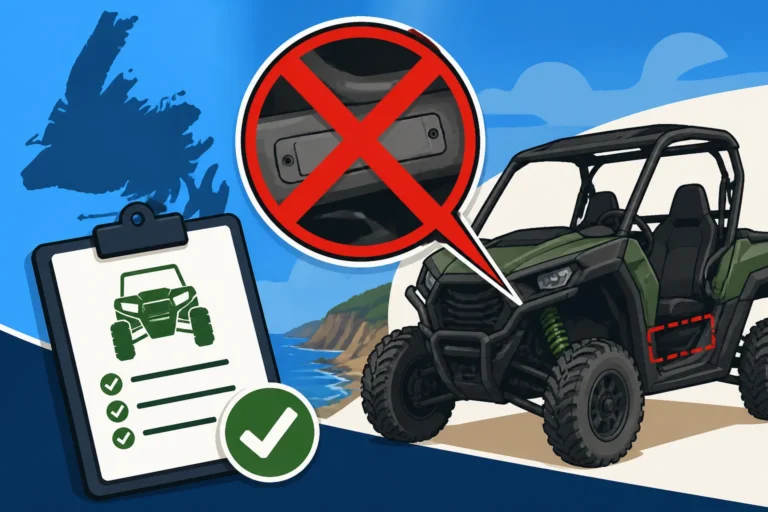
In these instances, an affidavit becomes your primary tool to establish ownership. You would explain the acquisition through auction, or the story of how the machine reappeared after years, and why previous documentation is missing. It’s about being as transparent and thorough as possible. The registry understands that not every off-road vehicle sale follows a perfect, documented path, particularly with vintage or long-unused machines. These forms provide a legal pathway when [Newfoundland Registration When the VIN Is Gone] or other critical information is missing, or the paper trail has simply dried up completely.
Crafting Your Affidavit: A Step-by-Step Guide
Your affidavit is your legal story, and getting it right is crucial. This isn't a casual chat; it's a formal declaration, so precision and truthfulness are paramount.
Gathering Your Evidence and Information
Before you even think about drafting, sit down and gather every scrap of information you have about your machine and its history. This isn't just about the current situation; it's about building a compelling case for your ownership. Write down the full Vehicle Identification Number (VIN) – double-check it against the machine itself. Note the make, model, year, and colour. If you bought it, write down the seller's name, address, and contact information, even if you just know them informally. If you inherited it, gather details about the deceased owner and any relevant estate documents.
Think about how you paid, if applicable. Was it cash? A cheque? Could you get a signed statement from the seller, even if it's not a formal bill of sale? Any little piece of supporting evidence helps. Did anyone witness the sale or the machine being passed to you? Can they write a brief letter confirming what they saw? The more details you can provide, the stronger your affidavit will be. Sometimes, even photographs of the machine with you can add a touch of realism, though they won't replace factual statements.
Drafting the Affidavit's Key Sections
An affidavit follows a specific legal structure. It typically starts with your full name, address, and occupation, declaring that you are the deponent (the person making the statement). Then, it moves into a series of numbered paragraphs, each stating a specific fact. You'll need to clearly identify the off-road vehicle by its VIN, make, model, and year. The core of the affidavit will be a detailed narrative explaining how you acquired the machine and why the usual documentation (like a bill of sale or previous registration) is unavailable.
Be precise and factual. Avoid speculation or emotional language. For example, instead of "I think I bought it last fall," write "I purchased the ATV from [Seller's Name] on or about [Date] for [Amount] in cash." Explain why you don't have a bill of sale – "The seller informed me they did not have one as they acquired the machine informally many years ago." You can find templates online, including on LawDepot, that provide the foundational structure, allowing you to fill in your specific details. Remember to include a concluding statement affirming that everything in the affidavit is true to the best of your knowledge and belief.
Swearing or Affirming Before a Commissioner of Oaths
Once your affidavit is drafted, it's not legally binding until it's "sworn" or "affirmed." This means you must present it to a Commissioner of Oaths (sometimes called a Commissioner for Taking Affidavits) or a Notary Public. In Newfoundland, these professionals are often found in law offices, government buildings, and sometimes at local town offices. You'll sign the document in their presence, and they will then sign and stamp it, verifying that you have formally declared the truth of its contents.
The Commissioner will ask you to raise your right hand and swear an oath or make a solemn affirmation that the contents of your affidavit are true. This step is what gives the document its legal weight. There's typically a small fee for this service, so it's a good idea to call ahead to inquire. Ensure you bring valid photo identification, as the Commissioner will need to verify your identity. This final step transforms your written statement into a legally recognized declaration, ready for presentation at Motor Registration.
The Indemnity Form: Your Promise to the Province
The indemnity form might seem like just another piece of paper, but it carries significant weight. It's the province's way of managing risk when granting ownership without a perfect paper trail.
What You're Agreeing To with an Indemnity Form
When you sign an indemnity form, you're entering into a formal agreement with the Province of Newfoundland and Labrador. It's not just a formality; it's a serious commitment. Essentially, you're agreeing to "indemnify and save harmless" the provincial government – meaning you promise to protect them from any financial loss, legal claims, or expenses that might arise if your claim of ownership turns out to be incorrect or challenged in the future. This form acts as a crucial safety net for the Motor Registration Division, allowing them to process your registration even when the usual robust proof of ownership is missing.
This agreement covers situations where, for example, a previous owner suddenly appears with a legitimate bill of sale, or a lienholder (like a bank that financed the machine) comes forward. In such scenarios, the indemnity means you, not the province, would be responsible for dealing with the claim, potentially involving legal costs or even having to forfeit the machine to the rightful party. It's a risk mitigation strategy for the government, and a clear signal that you understand and accept the potential consequences of registering a machine without a complete paper trail.
Potential Liabilities and Protections for You
While the indemnity form primarily protects the government, it also indirectly encourages you to be absolutely certain of your ownership claim. Signing it with an incomplete understanding or based on false information can expose you to significant legal and financial liabilities down the road. If someone successfully challenges your ownership, you could be on the hook for legal fees, the value of the machine, and any other associated damages. This is why thorough due diligence before acquiring a machine without proper paperwork is so important. Checking for liens, for instance, is always a smart move. You can use resources like [Newfoundland Registration and Lien Records] to see if there are any registered financial encumbrances on the machine.
On the flip side, by signing the indemnity and successfully registering your machine, you gain the legal recognition of ownership, allowing you to legally operate your ATV or UTV on Newfoundland's extensive trail system. It effectively unblocks your path to enjoying the machine. The protection for you comes from the fact that once registered, you have a provincial record of ownership, making future sales or dealings with the machine much smoother, assuming your initial claim was valid. It's a trade-off: you assume a certain risk, and in return, the province grants you official ownership.
Signing at the Registry Counter
Unlike the affidavit, which you prepare and have sworn in advance, the indemnity form is usually provided by the Motor Registration Division and signed directly at the counter during your appointment. This ensures that you are signing the most current version of their form and that it's witnessed by their staff. They'll have you read it, ask if you understand it, and then have you sign in the presence of a registry officer. This step is often the final hurdle before your registration is processed.
It’s a good practice to read the indemnity form carefully before you sign it, even if you’ve discussed it beforehand. Don't be afraid to ask the registry staff to clarify any points you don't fully understand. After all, you are making a legal commitment. Once signed, it becomes part of your machine's permanent registration record. This is a critical step in the process of Newfoundland Sworn Affidavits and Indemnity Forms, completing the legal framework required for your registration.
Navigating the Registration Process with Special Documents
Even with your affidavit properly prepared, the journey isn't over. You still need to successfully present your case to Motor Registration and get that permit in your hand.
Booking Your Appointment at Motor Registration
In many regions, including parts of Newfoundland, dealing with Motor Registration (or Service NL) often requires an appointment, especially for more complex transactions like those involving affidavits and indemnity forms. You can't just walk in, wave your documents, and expect immediate service. The provincial government offices typically manage visitor flow and ensure dedicated time for complex applications. Before you even head out the door, visit the official government website or call your local Motor Registration office to understand their current appointment system.
When booking, be clear about your situation. Mention that you'll be registering an off-road vehicle with an affidavit and indemnity form due to missing ownership papers. This helps them allocate the appropriate time slot and ensures you're directed to a staff member who is familiar with these specific procedures. Don't forget to ask about any other supporting documents you might need, such as proof of identity, proof of address, or even a vehicle inspection if required, though for ORVs, it's less common. Proper preparation can significantly reduce the chances of a wasted trip. For example, [Newfoundland Registration by Appointment] details the importance of this step.
Presenting Your Documents at the Counter
When your appointment day arrives, make sure you have all your documents organized and ready. This includes your completed and sworn affidavit, any supporting evidence (like old receipts, photos, or witness statements), your personal identification, proof of address, and funds for the registration fee and HST. It's often helpful to have copies of everything, just in case the registry needs to keep one. The indemnity form will likely be provided to you at the counter, so don't worry about pre-printing it.
The registry staff will review your affidavit meticulously. Be prepared to answer questions about the details you've provided. They might ask for further clarification on the chain of ownership or the reasons for missing documents. Being calm, clear, and consistent in your answers is key. This is where your thorough preparation in [Newfoundland Registration Paperwork Explained] pays off. This isn’t a quick process; the staff need to be confident in your claim of ownership before they proceed.
The Registrar's Review Process and Potential Outcomes
After you've presented your documents and signed the indemnity form, the registry staff will forward your application for review by the Registrar of Motor Vehicles or a delegated authority. This review process is crucial because it's where the final decision about your registration is made. They will assess the strength of your affidavit, the consistency of your story, and the completeness of all submitted information. They're looking to ensure that there are no red flags or indications of potential fraud or disputes.
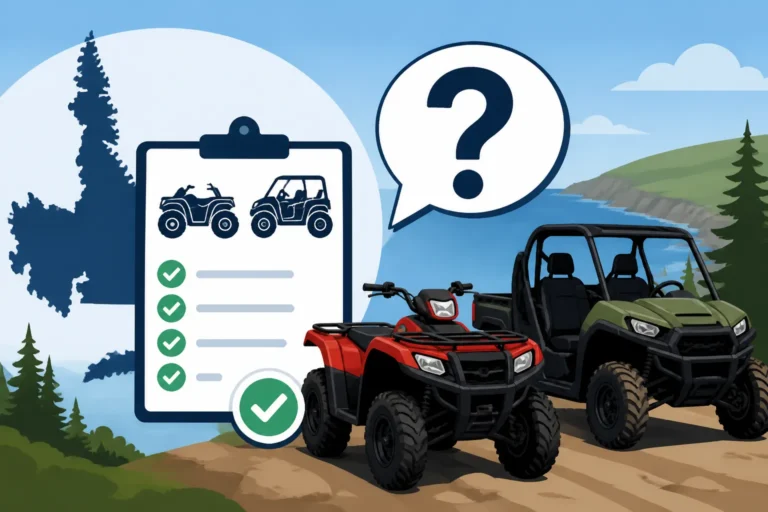
In most cases, if your affidavit is well-prepared and your explanation is credible, the registration will proceed. You'll pay the applicable fees (for example, [Newfoundland Charges $95 for an ATV] or [Newfoundland Charges $5 for a Trail Bike]), and you'll walk out with your registration permit and the necessary identification plate. However, there's always a possibility that the Registrar might require additional information or, in rare cases, deny the registration if they deem the ownership claim insufficiently supported or too risky. Should this happen, they typically explain the reasons, and you might have an opportunity to provide further evidence or clarity.
Avoiding Common Pitfalls and Ensuring Success
Even with the best intentions, errors can happen. Being aware of the common snags can help you smooth out the process and increase your chances of a successful registration.
Incomplete or Inaccurate Information in Your Affidavit
One of the most frequent reasons for delays or rejection is an affidavit that lacks detail or contains inconsistent information. Imagine trying to explain how you got your machine without remembering the exact year or the seller's full name. Vague statements like "I got it from some fella down the road a while back" simply won't cut it. The registry needs specific facts to assess your claim properly. An affidavit isn't a casual conversation; it's a legal document that demands precision.
Before you even go to the Commissioner of Oaths, meticulously double-check every date, name, and detail. Does the VIN match the machine exactly? Is the description of the machine accurate? Any discrepancies, even minor ones, can raise red flags and lead to your application being questioned or even rejected. It’s far better to spend extra time verifying every piece of information than to rush it and face setbacks. If you're unsure about drafting the legal language, using a service like LawDepot or consulting with a legal professional can help ensure your document is robust and accurate.
Not Understanding the Legal Implications of the Indemnity Form
While the affidavit is about proving your ownership, the indemnity form is about accepting responsibility. Many people sign legal documents without fully grasping the long-term consequences, and this form is no exception. If you sign an indemnity without truly understanding that you are agreeing to bear the full financial and legal burden if your ownership is later challenged, you could be setting yourself up for serious problems. It’s not just a piece of paper to get past the registry; it's a binding contract.
Take the time to read the indemnity form provided by Motor Registration carefully. If you have any questions about the specific wording or what it entails, ask the registry staff before you sign. They are there to process your application and can explain the purpose of the form. Don't be embarrassed to seek clarity. Understanding what Newfoundland Sworn Affidavits and Indemnity Forms truly mean will protect you from potential future liabilities and ensure you're making an informed decision.
Delays and What to Do If Your Application is Held Up
Even with a perfectly prepared affidavit and a clear understanding of the indemnity, sometimes delays happen. Your application might be flagged for further review, or the Registrar might request additional documentation that wasn't initially obvious. It can be incredibly frustrating, especially when you're eager to get your new-to-you machine out on the trails. Don't panic, but be proactive.
If your application is delayed or you're asked for more information, respond promptly and thoroughly. Ask specific questions about why the delay is occurring and what exactly is needed to move forward. Provide any requested documents as quickly as possible. Sometimes, a delay simply means the registry staff are conducting extra due diligence, perhaps trying to verify a VIN or a previous owner's details through their internal systems. Patience, combined with persistent and polite follow-up, is often the best approach to navigate these hiccups and ultimately get your [Newfoundland Registration Processing Time] moving again.
| Document Type | Primary Purpose | When You Need It Most | Key Action Required | Legal Implication |
|---|---|---|---|---|
| Sworn Affidavit | To formally declare facts of ownership under oath. | Missing Bill of Sale, Inherited Machine, Auction Purchases. | Draft carefully, swear before Commissioner of Oaths. | Legally binding statement; false statements carry penalties. |
| Indemnity Form | To protect the Province from future ownership claims. | Always required by Motor Registration when an affidavit is used. | Sign at the Motor Registration counter. | You bear the financial/legal risk if ownership is challenged. |
Disclaimer
This article is for general informational purposes only and does not constitute professional advice. Laws, prices and regulations vary by location and change over time. Consult a qualified professional for guidance on your specific situation.