Newfoundland Registration After the Owner Dies
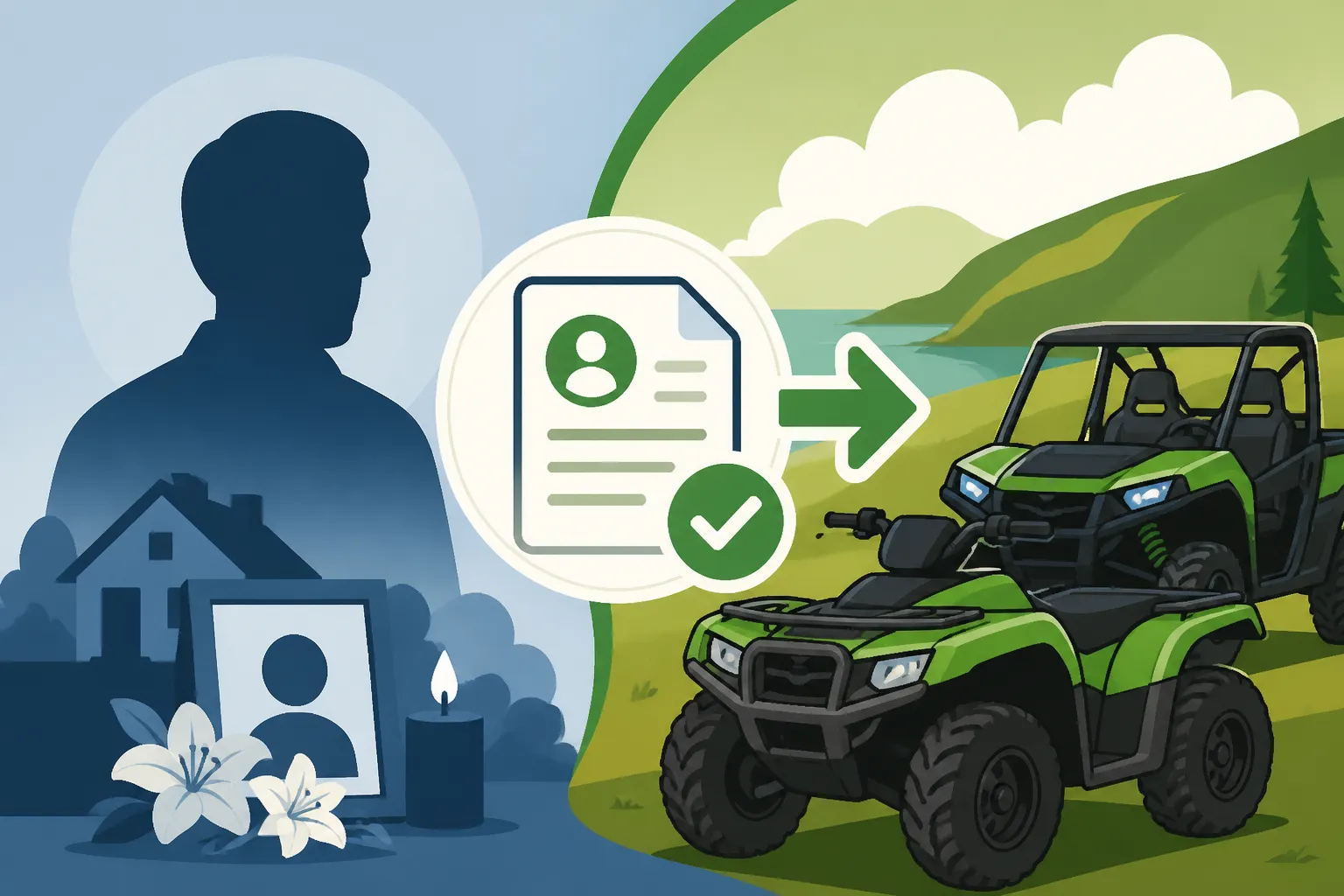
Losing a loved one is an incredibly difficult time, filled with emotional strain and a daunting list of tasks to manage. When that includes dealing with their personal property, like an ATV or UTV, the process can feel overwhelming, especially if you're not familiar with the specific rules and regulations here in Newfoundland. This guide is designed to walk you through the steps involved in handling the registration of an off-road vehicle after its owner has passed away, helping you navigate the paperwork and the Motor Registration Division with clarity and confidence.
Understanding the Immediate Aftermath and Initial Steps
When an ATV or UTV owner passes away, one of the first things you'll realize is that there's a need to address the machine itself, both for its physical security and its legal status. It’s a moment when practicalities clash with grief, and it’s important to take things one step at a time.
Securing the Machine and Initial Notification
First and foremost, if the deceased's off-road vehicle is accessible, ensure it is safely stored. This means securing it in a garage, shed, or another appropriate location to prevent theft or unauthorized use. During this sensitive period, it’s generally best to avoid riding the machine until the legal transfer of ownership is clear. Even if you're the immediate next of kin, operating a vehicle that is still legally registered to a deceased person can create complications. The last thing you need is a liability issue on top of everything else.
Beyond physical security, one of the immediate steps is to notify the executor of the estate, if one has been named in a will. If there's no will, this responsibility might fall to the closest family member or the person applying for Letters of Administration. This individual will be responsible for gathering all of the deceased's assets, including the ATV or UTV, and managing them according to the will or the laws of intestacy. Open communication within the family about the machine's location and existence can prevent misunderstandings later on.
Locating Essential Documents
One of the biggest hurdles can be tracking down the necessary paperwork. Before you can even think about transferring the registration, you'll need the original registration permit for the ATV or UTV. This document, issued by the Newfoundland and Labrador Motor Registration Division, is proof of prior ownership and is critical for any transfer. Without it, the process becomes significantly more complicated, although not impossible.
In addition to the registration permit, it's vital to locate any original bills of sale. While the registration permit is the primary document for the province, a bill of sale can provide an important chain of ownership, especially if the machine was purchased used or if there are questions about its history. Look through the deceased's personal papers, financial records, and any designated "important documents" folders. Sometimes, these papers are stored with other vehicle titles, insurance documents, or even in a safe deposit box. If you're struggling to find them, don't despair; there are avenues to explore, but having them upfront makes the entire process smoother.
Navigating the Legal Process for Transfer of Ownership
Once the initial shock begins to subside and you’ve managed to secure the machine and hunt down some paperwork, the next phase involves the legal dance of transferring ownership. This is where the estate comes into play, and understanding its role is key to a smooth transition.
The Role of the Executor and the Estate
The executor of an estate holds a significant legal responsibility. They are the person or entity named in the deceased's last will and testament who is tasked with carrying out the wishes outlined in the will. This includes identifying and collecting all assets, paying off debts, and distributing the remaining property to the beneficiaries. If the ATV or UTV is mentioned specifically in the will, the executor must follow those instructions. If it's part of the general estate, it will be handled as part of the overall distribution.
When there isn't a will, the process shifts slightly. In this scenario, a court appoints an administrator, and this person receives "Letters of Administration." Their role is essentially the same as an executor but follows the province's laws of intestacy, which dictate how assets are divided among surviving family members. Whether it's an executor or an administrator, this individual is the legal authority who will sign off on the transfer of the ATV or UTV. Their signature on the transfer documents confirms that the vehicle is being legally moved from the deceased's estate to the new owner.
Required Documentation for Deceased Owner Transfers
Transferring an off-road vehicle after the owner dies requires a specific set of documents to ensure everything is legitimate and recorded correctly with the Motor Registration Division. It’s not just a matter of handing over the keys; it’s a legal process that ensures the vehicle’s history is accurately updated.
Here’s a breakdown of what you’ll generally need to present:
- Death Certificate: An official copy of the deceased owner's death certificate. This document proves the owner has passed away and is the foundational piece of evidence for initiating the transfer.
- Will or Letters of Probate/Administration: If there's a will, you'll need to provide it, particularly the section that identifies the executor and, if applicable, the specific beneficiary of the ATV/UTV. If there's no will, the Letters of Administration (or Letters of Probate, if a will exists but probate was still required by the courts) from the Supreme Court of Newfoundland and Labrador confirms the legal authority of the individual acting on behalf of the estate.
- Original Registration Permit: The existing registration permit issued to the deceased owner is crucial. This document serves as proof of the previous registration and contains important information about the machine, such as the VIN.
- Application for Transfer of Ownership Form: This is the official form provided by the Motor Registration Division that will be completed by the executor or administrator and the new owner. It legally documents the change in ownership.
Having all these documents organized and ready will make your visit to the Motor Registration Division much more efficient. If you find yourself needing to draft legal documents related to the estate, like affidavits or specific clauses for an executor's duties, platforms like LawDepot can sometimes provide templates and guidance, though it's always wise to consult with an attorney for complex estate matters. The specific details of [Newfoundland Registration Paperwork Explained] can offer further context.
| Document Type | Purpose | Required for Transfer? |
|---|---|---|
| Death Certificate | Proves the previous owner is deceased | Yes |
| Will / Letters of Probate | Authorizes the executor/administrator to act for the estate | Yes |
| Original Registration Permit | Proof of previous registration and machine details | Yes (if available) |
| Application for Transfer of Ownership | Official form to record new ownership | Yes |
| Valid Identification | For the new owner and the executor/administrator | Yes |
Completing the Transfer of Ownership Form
Once you have all the necessary documents, the next step is to fill out the Application for Transfer of Ownership form. This form typically requires information about the deceased owner, the new owner (or beneficiary), and the off-road vehicle itself, including its VIN, make, model, and year. The executor or administrator of the estate will be the one to sign the "seller" or "transferor" portion of this form, as they are legally representing the deceased's estate. The new owner will sign as the "buyer" or "transferee."
It's important to ensure that all sections are filled out completely and accurately. Any discrepancies or missing information could lead to delays. After the form is completed and signed, it, along with all supporting documents, must be submitted to the Newfoundland and Labrador Motor Registration Division. You’ll usually need to book an appointment for this, so plan ahead. Once the transfer is processed, a new registration permit will be issued in the name of the new owner. This process officially recognizes the change of hands and ensures the vehicle is properly registered under the new ownership, allowing them to ride legally under [Newfoundland's Off-Road Vehicles Act].
Special Considerations and Common Hurdles
Even with the best intentions, dealing with an estate can present unexpected challenges. When it comes to transferring an ATV or UTV after an owner's death, there are a few common scenarios that might require a little extra attention.
When There Is No Will
The absence of a will, also known as dying intestate, can add layers of complexity to the estate settlement process. If the deceased owner did not have a valid will, the distribution of their assets, including the ATV or UTV, will be determined by the laws of intestacy in Newfoundland and Labrador. This means a court process will be required to appoint an administrator who will then have the legal authority to manage and distribute the estate's assets. This administrator will receive "Letters of Administration," which serves as their official mandate to act on behalf of the estate.
Without a will, it can take longer to get the necessary legal authority for the transfer, as the court process for appointing an administrator can be time-consuming. During this period, the ATV or UTV cannot be legally transferred. The administrator, once appointed, will be the person legally empowered to sign the transfer of ownership documents. If you are in this situation and need guidance on drafting the necessary court applications or understanding the legal framework, resources like LawDepot can offer templates for certain legal documents, but consulting with an estate lawyer is highly recommended to ensure all legal requirements are met and the process moves as smoothly as possible.
Missing Registration Documents
It's a common scenario: you’re trying to sort through a loved one’s belongings, and the crucial paperwork for their ATV or UTV is nowhere to be found. A missing original registration permit can certainly throw a wrench into the transfer process, but it’s not an insurmountable obstacle. The Motor Registration Division understands that documents can be lost or misplaced over time.
If the original registration permit cannot be located, the executor or administrator will need to apply for a duplicate registration document. This usually involves completing a specific form and paying a fee. You will still need to provide proof of the deceased’s ownership and the executor’s authority to act on behalf of the estate (death certificate, will/Letters of Probate). Once a duplicate is issued, it can then be used as the "original" for the transfer process. This might add a small delay and an additional cost, as detailed in [Newfoundland Duplicate Registrations at $25], but it's a necessary step to ensure the legal chain of ownership.
Machines Left to Multiple Beneficiaries
What happens if the deceased's will states that the ATV or UTV should go to two or more people? This is a situation that requires careful consideration. Joint ownership of an off-road vehicle is certainly possible, but it comes with its own set of implications. For instance, all registered owners would need to agree on its use, maintenance, and eventual sale.
When transferring to multiple beneficiaries, the Motor Registration Division will register the vehicle in all their names. This means that for any future transactions, like selling the machine, all registered owners would typically need to sign the paperwork. Alternatively, the beneficiaries might decide to have one person take ownership and compensate the others, or they might agree to sell the machine and split the proceeds. In these cases, the executor would first transfer the machine into the names of the beneficiaries, and then any subsequent sale or internal arrangement would follow standard [Newfoundland Transfer of Ownership Steps]. Clear communication and agreement among the beneficiaries are paramount to avoid disputes down the line.
The Actual Transfer and What Comes Next
Once you've navigated the initial steps and gathered all the required documents, you're on the home stretch toward officially transferring the ATV or UTV. But what exactly happens at the Motor Registration Division, and what new responsibilities come with taking ownership?
The Cost and Fees Involved
One piece of good news in an otherwise difficult process is that transfers of ownership due to the death of the previous owner typically incur no transfer fee in Newfoundland and Labrador. This is a compassionate provision that recognizes the circumstances. While standard transfers usually involve a fee, the province makes an exception when an off-road vehicle is being transferred as part of an estate settlement. This can be a small relief during a time when many other expenses are piling up.
However, it's always a good idea to confirm this with the Motor Registration Division directly, as policies can occasionally change. If there were any related steps, like applying for a duplicate registration permit because the original was lost, those associated fees would still apply. But for the direct transfer from the deceased owner's estate to the new owner, you'll generally find that [Newfoundland Transfers on Death Cost Nothing]. For comparison, other scenarios such as [Newfoundland Charges $95 for an ATV] for new registrations or [Newfoundland Transfers Cost $16 for Seniors] for a standard sale. Knowing these details can help you budget and prepare for the visit.
After the Transfer: New Responsibilities
Once the transfer is complete and you have a new registration permit in your name, you are officially the owner of the ATV or UTV. This comes with new responsibilities that align with the [Newfoundland's Off-Road Vehicles Act]. First, you'll need to ensure the identification plate (if issued) is properly displayed on the machine and remains visible. [Newfoundland Plates Kept Free of Mud] is not just good practice, it's a regulation.
Secondly, remember that [Newfoundland Registration Valid While You Own It], meaning you won't receive annual renewal notices. This means it's crucial to keep your registration permit safe and accessible. If you ever decide to sell the machine in the future, you'll need this document to facilitate the next transfer of ownership. You also become responsible for maintaining the machine, adhering to safety regulations, and ensuring it is insured if you plan to operate it on managed trails or in situations requiring third-party liability coverage. If you ever sell the machine, you'll need to understand [What Happens to Your Registration When You Sell] to correctly notify the registry. If you decide to sell the machine later, LawDepot can assist you with a customizable bill of sale template to ensure all legal aspects are covered for the transaction.
Dealing with Unresolved Liens or Debts
Before a transfer of ownership, especially from an estate, it's prudent to check if there are any outstanding liens or debts against the ATV or UTV. A lien is a legal claim against an asset, often used as collateral for a loan. If the deceased owner had financed the machine and the loan was not fully paid off, a lien might be recorded against its registration.
The executor or administrator is responsible for settling the deceased's debts from the estate’s assets. This would typically include any outstanding loans on the ATV or UTV. Before transferring the vehicle to a beneficiary, it’s crucial to ensure that any liens are discharged. If the machine is transferred with an active lien, the new owner could potentially become responsible for that debt. You can usually perform a lien search through the Service NL website or by contacting the Motor Registration Division. Understanding [Newfoundland Registration and Lien Records] is vital here, as it can prevent unforeseen financial burdens for the new owner. It’s always best to resolve these financial matters as part of the estate settlement before the physical transfer of the machine.
Disclaimer
This article is for general informational purposes only and does not constitute professional advice. Laws, prices and regulations vary by location and change over time. Consult a qualified professional for guidance on your specific situation.