What Happens to a Machine After It Is Seized
When an ATV or side-by-side is seized in Newfoundland, the uncertainty can be worse than the inconvenience: you may not know who has the machine, why it was taken, or what must happen before you can get it back. This guide explains the difference between seizure and forfeiture, the practical steps to take next, and how to prepare for the machine’s eventual return.
Seizure does not automatically mean you lose the machine
Why an officer may take an off-road vehicle
A seizure is a serious step, but it is not always the final outcome. The reason for taking a machine, the law involved, and what happens afterward depend on the circumstances. A seizure may be connected to an alleged offence or to an investigation. The machine may be held while authorities deal with the matter, rather than immediately becoming government property.
This distinction matters if you are stopped on a woods road, near a trailhead, or while crossing a highway. An officer may also ask for information or documents before deciding what action to take. Stay calm, avoid arguing on the roadside, and ask respectfully what is happening and what paperwork you will receive. For more on the kinds of documents and information that may come up, see [What an Officer Can Ask You to Produce].
The rules governing seizure are not the same as a simple equipment check or ticket. The circumstances and applicable legal authority matter, so do not assume that every seizure follows one identical process. [Newfoundland Machine Seizure Rules] provides more detail on the legal framework. If the incident involves an impaired-riding allegation, the possible consequences can be especially serious; [Newfoundland Impaired Riding Consequences] is relevant background.
Seizure, impoundment, and forfeiture are different stages
People often use “seized” and “impounded” as if they mean exactly the same thing. In practice, it helps to ask what the authorities have done: has the machine been taken as part of an investigation, is it being held pending a legal step, or has a court made an order affecting ownership? The paperwork and the answer from the responsible authority can clarify the situation.
Forfeiture is different from temporary possession. A machine may be held first, while the legal process continues; losing ownership is not automatic merely because it was taken. However, the possibility of losing the machine should not be dismissed, especially where a serious charge or conviction could lead to further consequences. [Why a Conviction Can Cost You the Machine] explains why the outcome may go beyond a roadside ticket.
The practical takeaway is simple: do not make plans based on a guess about when the machine will be released or whether you will get it back. Read the seizure paperwork carefully, keep copies, and find out what decision or event is needed before the machine can be released. If the paperwork is unclear, or you are facing a charge, get legal advice promptly.
What to do after your machine is seized
Get the details and preserve the paperwork
As soon as you reasonably can, write down what happened while the details are fresh. Note the date, time, location, the name or identifying information of the officer if available, and what you were told about the reason for the seizure. Record the machine’s make, model, colour, VIN, plate details, and any visible damage or accessories. If other people witnessed the event, write down their names and contact information.
Keep every document you receive, including notices, tickets, release instructions, towing or storage paperwork, and any inventory of property. If the machine carried personal items, check whether the inventory mentions them. Avoid posting a detailed account of the incident online or asking friends to speculate publicly. Statements made casually can complicate an already stressful situation.
If a crash or injury was part of the incident, there may be separate reporting obligations. Review [Newfoundland Accident Reporting Rules] and follow any instructions that apply to your situation. A seizure and an accident report are separate matters, so completing one does not necessarily resolve the other.
Find out who controls release and what must happen next
The officer or agency that took the machine may not be the only party involved in its storage or release. Ask which authority is responsible for the next decision, where the machine is being held, and what document or condition is required before it can be released. If there is a court date, charge, or investigation, ask how that process affects the machine, but avoid relying on informal guesses.
Keep a short record of each call or conversation: who you spoke with, when, what they said, and any next step they gave you. If you are told to submit an application, keep a copy and note how it was delivered. If you need to arrange towing or collect the machine later, ask in advance what identification, ownership documents, or authorization the facility requires.
A person whose machine is registered to someone else should be especially careful. The registered owner, the rider, and the person arranging pickup may not be the same person. Confirm who is allowed to request release and what proof is needed rather than assuming a family member or co-owner can collect it without authorization.
Release process, costs, and legal decisions
Ask about an early-release application
Some situations may allow an application to have a seized machine released before the broader legal matter is finished. Whether that option is available depends on the circumstances and applicable rules; it is not a guarantee that the machine will be returned immediately. The relevant process is described in [The $100 Application to Get a Seized Machine Back]. Check the instructions that apply to your case rather than relying on someone else’s experience with a different incident.
Before submitting an application, make sure you understand what it asks you to confirm, what documents must accompany it, and where it must go. If you are unsure about the wording or whether making the application could affect your legal position, speak to a lawyer first. Keep a full copy of what you submit and proof of delivery.
Release may also involve costs or practical conditions. Ask what charges may apply, which party sets them, and whether any charges continue while the machine remains in storage. Do not assume the amount or process will be identical from one case to another. [Paying to Release a Machine From Impound] covers the release-cost issue, while [Newfoundland Fines Riders Ask About] can help distinguish potential penalties from other expenses.
Get advice before deciding how to respond to a ticket or charge
A machine seizure can happen alongside a ticket or a more serious allegation, but the machine’s status and the allegation itself are separate questions. A ticket may have a deadline or response process. Ignoring it because your machine is already impounded can create another problem, so read each notice and act within the instructions and timelines stated on it.
If you believe the ticket or charge is wrong, do not assume that an informal complaint will replace the formal process. Collect relevant documents, photographs, witness details, and a clear timeline. Then find out how to dispute the matter and what deadlines apply. [Challenging an Off-Road Vehicle Ticket in Court] is useful background, but a lawyer can advise you about the particular facts and possible consequences.
A conviction may affect more than the amount of a fine. The outcome can depend on the offence, the circumstances, and the legal process. [Newfoundland Penalties for Riding Illegally] offers broader context, but it cannot determine the result of an individual case. If the machine may be forfeited, or the allegation could affect your ability to ride, seek legal advice as soon as you can.
| Situation | What to clarify | Practical next step |
|---|---|---|
| Machine taken during a stop | The stated reason and authority responsible | Keep the paperwork and note the details |
| Machine held while a matter continues | What event or decision is needed for release | Ask who controls release and record the answer |
| Possible early-release application | Eligibility, documents, and where to submit | Review the applicable instructions and keep a copy |
| Ticket or charge also issued | Response process and deadline | Read the notice and get legal advice if needed |
| Machine returned | Condition, property, and any outstanding costs | Inspect it, document concerns, and keep receipts |
Getting your machine back and preparing to ride again
Inspect the machine before using it
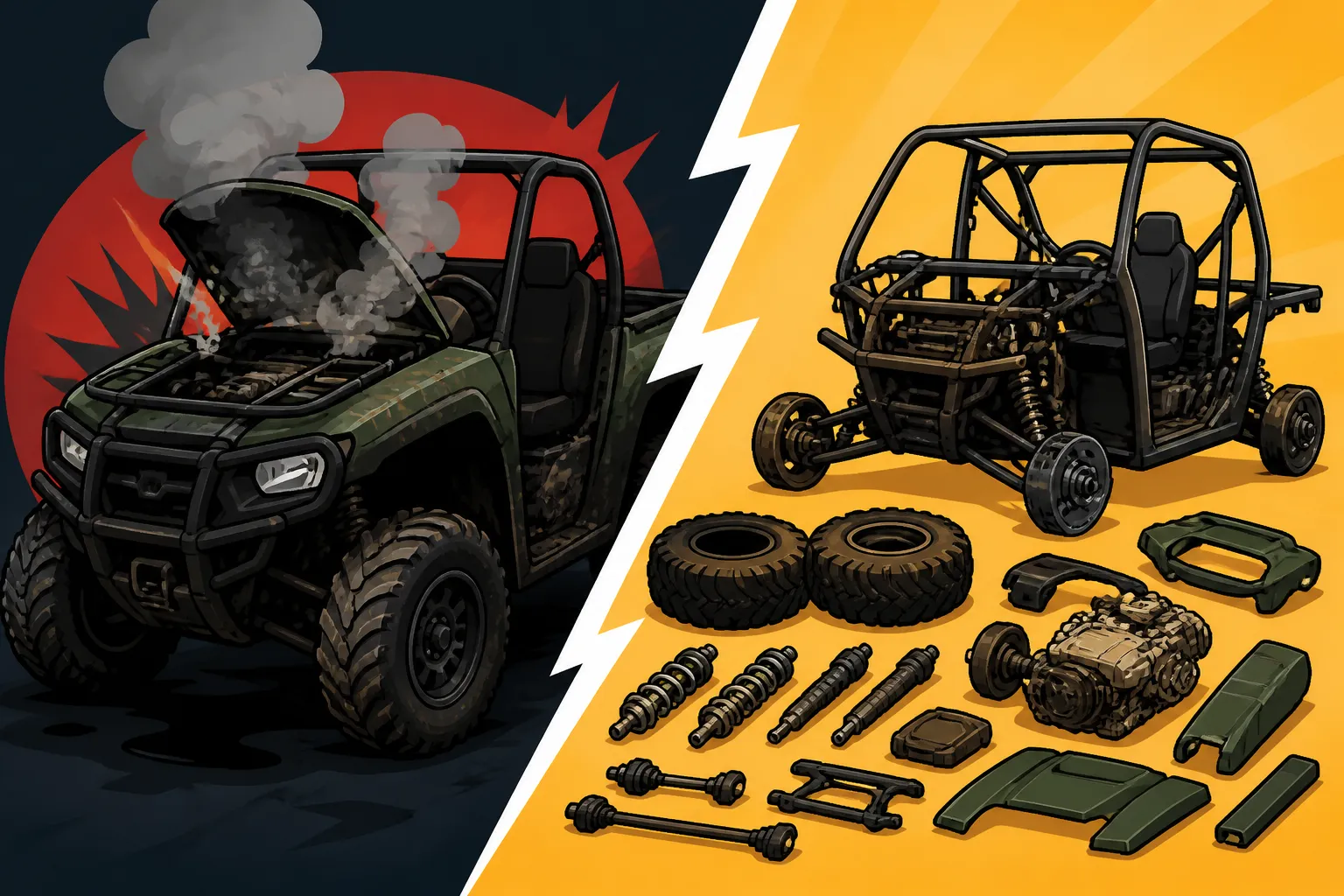
When release is authorized, do not rush straight from the storage yard to a trail. Check the machine carefully before transport or operation. Look for new damage, missing equipment, disturbed accessories, or belongings that were not returned. Photograph the machine from several angles and take close-ups of anything concerning. If there is a discrepancy with an inventory or release record, raise it promptly and keep a written account of whom you contacted.
If the vehicle has been stored outdoors or handled during towing, check basic safety items before riding: tires, steering, brakes, lights, belts, guards, and any equipment required for its intended use. A machine that looks fine at a glance may still have a loose component or a damaged part. If you find a problem, have it checked before heading back out—particularly before a remote ride where help may be far away.
For repairs, compare parts with the machine’s make, model, and year, and confirm fitment with a qualified shop or supplier. A parts retailer such as SuperATV may be one place to compare aftermarket options, but selecting a part does not resolve a legal issue or replace a proper mechanical inspection. If you are considering an item from SuperATV, confirm compatibility and installation requirements before ordering. Keep receipts and repair records, including for any SuperATV component, in case you need to document the work later.
Check compliance before the next ride
Before riding again, make sure the machine is legally ready for the place and type of riding you have planned. Confirm that registration, insurance, plates, and any required trail sticker or training proof are in order. A seizure does not automatically answer every question about the machine’s registration or your permission to ride. The requirements can differ depending on whether you are travelling on a managed trail, private land, a road, or another area.
If the incident involved a missing plate, obstructed plate, equipment problem, or route restriction, address that specific issue before returning to the trail. Do not treat a machine’s release as confirmation that it is compliant or that the original allegation has disappeared. Keep relevant documents accessible, and make sure anyone else who may operate the machine understands any conditions that apply.
If you are uncertain about the legal status of the machine, contact the authority identified in your paperwork or get professional advice before riding. That pause may feel frustrating when you have already been without your ATV or UTV, but it is better than heading back out while an unresolved condition or deadline remains.
Disclaimer
This article is for general informational purposes only and does not constitute professional advice. Laws, prices and regulations vary by location and change over time. Consult a qualified professional for guidance on your specific situation.