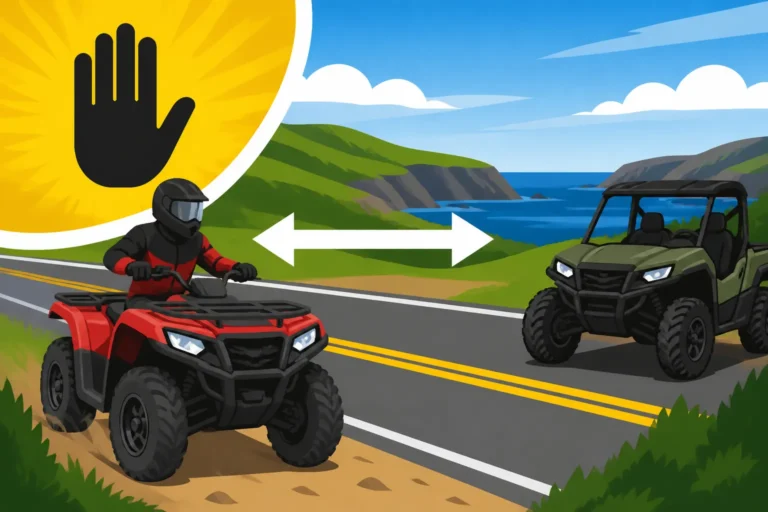
Newfoundland Rules for a Visiting Nova Scotia Rider
Planning a trip to Newfoundland and Labrador with your ATV or UTV can feel like navigating a maze of new rules, especially when you're used to Nova Scotia's regulations. Many riders worry about whether their machine needs to be re-registered or if their existing license and insurance are enough. This guide will walk you through everything a Nova Scotia rider needs to know to enjoy Newfoundland's incredible trails without any unexpected headaches.
Understanding Newfoundland's Visitor Exemption for ATVs and UTVs
When you first roll off the ferry into Port aux Basques or Argentia with your trusty quad or side-by-side, it's natural to wonder if you need to jump through immediate bureaucratic hoops. Thankfully, Newfoundland and Labrador has provisions for out-of-province visitors that offer a grace period, but it’s crucial to understand the limitations and requirements.
The Initial 30-Day Grace Period for Out-of-Province Machines
Here's the good news: if you're visiting Newfoundland from Nova Scotia for a temporary stay, your currently registered and insured ATV or UTV typically benefits from a 30-day exemption. This means you generally don't need to immediately register your machine with Newfoundland's Motor Registration Division the moment you arrive. This allowance is a nod to the fact that many riders come to explore our vast network of trails, from the legendary T'Railway to countless woods roads and barrens, and setting up a new registration for a short visit would be cumbersome. This 30-day period gives you time to enjoy the scenery and ride without that immediate pressure. Just ensure your machine is properly registered in Nova Scotia and that you have all your documentation handy. An officer may ask to see proof of your home province registration and insurance at any time. This also means you're expected to comply with Newfoundland's operating rules, even if your machine isn't locally registered yet. [Newfoundland's 30-Day Visitor Exemption] is a real lifesaver for short trips.
What Happens After 30 Days: When You Need to Register
While the 30-day grace period is fantastic for shorter trips, what if you fall in love with the place and decide to stay longer, or perhaps you're visiting family for an extended period? This is where things change. Once you exceed that 30-day mark, your Nova Scotia registration is no longer considered sufficient under Newfoundland's Off-Road Vehicles Act. At this point, you are required to register your ATV or UTV in Newfoundland and Labrador. Ignoring this can lead to fines and other penalties, so it's not something to overlook. If you anticipate being in the province for more than a month, it's best to start the registration process before the 30 days are up. This involves making an appointment with Motor Registration and providing the necessary paperwork, just like a local resident would. This process can be a bit of a hassle if you're not prepared, so planning ahead is key if your stay extends beyond that initial month. For anyone considering a longer stay, understanding [Newfoundland Visitors Beyond Thirty Days] is crucial.
Proof of Ownership and Previous Registration for Visitors
Even within the 30-day exemption, you must always be able to prove ownership and valid registration from Nova Scotia. This means carrying your Nova Scotia registration certificate, proof of insurance, and potentially a bill of sale or ownership document for your machine. If you've made any modifications to your machine, especially if you've added aftermarket parts from a place like SuperATV that might enhance performance or change its profile, make sure those modifications still adhere to Newfoundland's equipment rules. When you eventually register in Newfoundland after the 30-day period, you'll need this documentation. The provincial authorities will want to see clear proof that you are the rightful owner and that the machine was legally registered in your home province. Having all these papers organized and easily accessible, perhaps in a waterproof pouch on your machine or in your tow vehicle, will make any interaction with enforcement officers much smoother. [Newfoundland Registration Paperwork Explained] for new residents gives a good idea of what's involved.
Essential Rules for Nova Scotia Riders in Newfoundland
Newfoundland's ORV regulations, while sharing some common ground with Nova Scotia, have distinct differences that visiting riders absolutely need to be aware of. It's not just about getting your machine registered; it's about how you operate it.
Insurance, Licensing, and Helmet Laws That Apply to Everyone
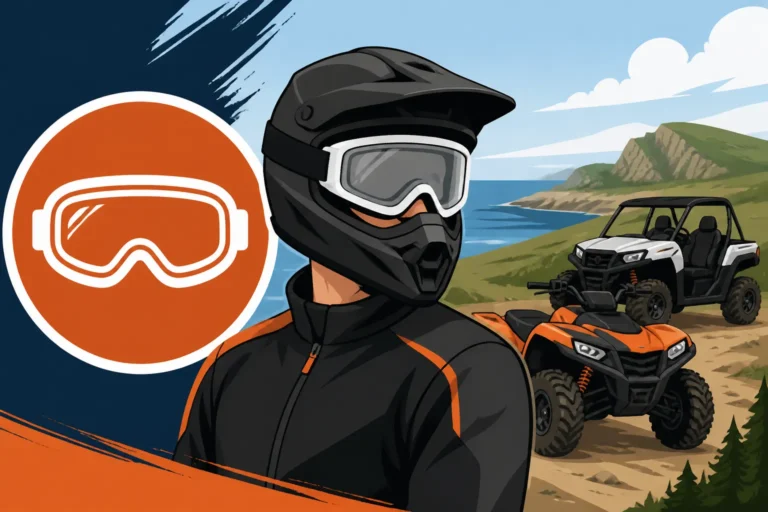
Just like in Nova Scotia, operating an ATV or UTV in Newfoundland requires mandatory insurance. The minimum liability coverage is $200,000. It's vital that your Nova Scotia insurance policy provides this coverage and is valid for operation in Newfoundland. Always carry proof of insurance with you; an officer can request to see it at any time, and you generally have two business days to produce it if you don't have it on hand. When it comes to licensing, if you're riding on a public highway (even just crossing it or riding the shoulder), you'll need a valid driver's license. For off-road use, there isn't a specific "ORV license" required for adults, but you must still be of legal age and competence. Perhaps the most critical rule, and one that mirrors Nova Scotia, is the helmet law. Every operator and passenger on an ATV or UTV must wear an approved helmet, securely fastened. This includes youth riders. No exceptions for quick runs or short distances. Whether your machine is stock or equipped with heavy-duty control arms and axles from SuperATV, safety is always paramount. [Newfoundland Insurance Requirements for Riders] provides more details, as does [Newfoundland Helmet Law for Every Rider].
Equipment Requirements for Visiting Machines
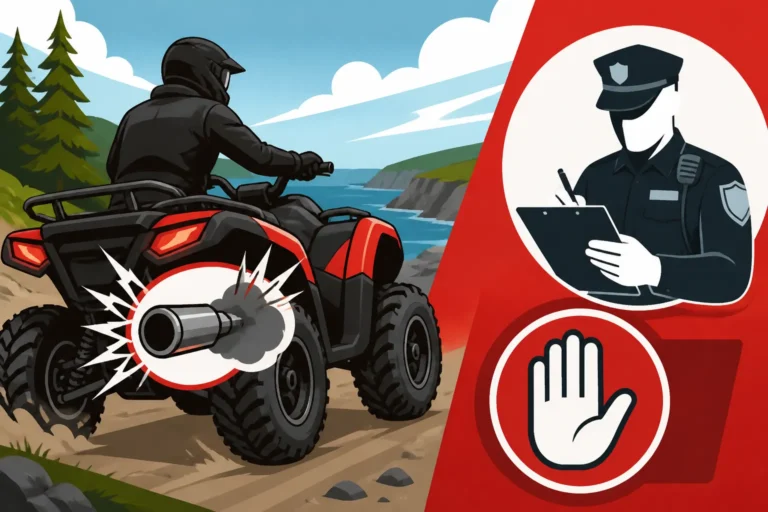
While your Nova Scotia machine is likely well-equipped, familiarize yourself with Newfoundland's specific equipment regulations. Things like working headlights and tail lights (especially for riding near dawn or dusk, or in adverse weather), a proper muffler (no excessively loud aftermarket exhausts allowed), and well-maintained tires are non-negotiable. If you've got a side-by-side, ensure all passengers are using seat belts. While Nova Scotia might have slight variations, Newfoundland's enforcement is strict on these basics. It’s not just about avoiding fines; it’s about safety on diverse terrain, from rocky barrens to boggy trails. Before you leave Nova Scotia, give your machine a thorough check-over. Ensure all lights are functional, your brakes are in top shape, and your tires are suitable for the varied conditions you might encounter. Even if you've added robust underbody protection from a brand like SuperATV, ensuring all standard safety equipment is operational is your responsibility.
Navigating Newfoundland's Managed Trails and Training Rules
One significant difference you'll encounter in Newfoundland compared to Nova Scotia is the concept of "managed trails" and the associated sticker system. Many of the designated trails, especially those maintained by local clubs or the provincial snowmobile federation, require a Managed Trail Sticker. This sticker signifies that you've contributed to the trail maintenance and upkeep. You can purchase these from authorized trail operators, and you'll either attach it to your machine or carry proof of purchase. Don't assume your Nova Scotia trail pass is transferable; it isn't.
Furthermore, Newfoundland has mandatory safety training requirements. While visitors registered in another province are generally exempt from the Newfoundland training requirement for machines registered in their home province and used temporarily, if you decide to stay longer and register your machine here, or if you are under 16, specific training rules will apply. For youth riders, a certified safety course is mandatory. Always check the current regulations, especially if you have young riders in your group. It’s always a good idea to refresh your safety knowledge, regardless of where you ride. [Newfoundland Managed Trail Stickers] and [Newfoundland Safety Training Is Mandatory] explain these rules in depth.
Key Differences Nova Scotia Riders Should Know
Beyond the basic registration and safety requirements, there are nuances in Newfoundland's ORV landscape that might surprise Nova Scotia riders. Understanding these can prevent misunderstandings and ensure a more enjoyable trip.
Unique Local Bylaws and Road Access Rules
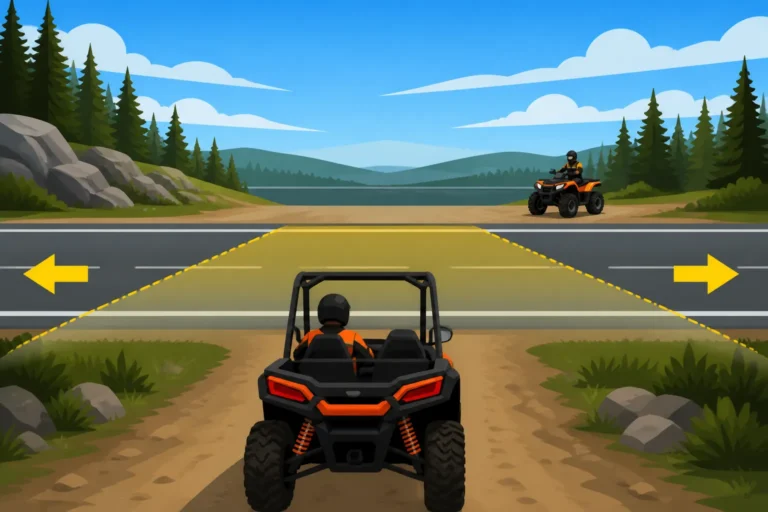
While both provinces have rules about where you can and cannot ride, Newfoundland has some specific quirks. For instance, the general rule is that ORVs are not permitted on public highways, except for specific, limited circumstances like crossing at a 90-degree angle (with 150 metres of visibility in both directions) or riding the shoulder for up to 1 kilometre to access a trail, always at a maximum speed of 20 km/h. Many communities also have their own municipal bylaws regarding ORV use within town limits, which can be stricter than provincial rules. What might be permissible in rural Nova Scotia might be prohibited in a Newfoundland town. It's always best to check with the local municipality or visitor information centre for specific bylaws in the areas you plan to visit. Relying on GPS or online maps alone isn't enough; look for physical signage that indicates approved or restricted riding areas. This is especially true if you plan to explore the less-travelled routes beyond the well-known T'Railway. [Newfoundland Rules for Riding a Shoulder] is a must-read for anyone thinking of using public roads for access.
Understanding Tax Implications for Longer Stays or Purchases
If you decide to register your Nova Scotia machine in Newfoundland because your stay extends beyond 30 days, or if you purchase a new or used machine while visiting, you'll need to consider provincial sales tax (HST). When you register a machine here, even if it's one you brought from out-of-province, you might be assessed for HST unless you can prove it was already paid in another province. If you buy a machine from a private seller in Newfoundland, the HST is typically collected at the time of registration. This is different from some other provinces where private sales might be exempt or handled differently. Always ask about the tax implications if you're contemplating a purchase or a permanent move with your machine.
Preparing for Newfoundland's Diverse Terrain and Weather
Newfoundland's terrain is famously rugged and diverse, offering everything from vast, exposed barrens and boggy lowlands to dense boreal forests and coastal trails. This can be quite a change even for seasoned Nova Scotia riders. The weather can also change rapidly, often within a single day, from sunny skies to thick fog, heavy rain, or even snow in higher elevations, particularly outside of summer. Ensure your machine is equipped for these variations, perhaps with extra lighting, winches (a good idea even if your machine is heavily armoured with SuperATV parts), and appropriate tires. Always carry essential survival gear, extra layers of clothing, and enough food and water, especially if you venture into remote areas where cell service is non-existent. Inform someone of your route and expected return time. The vastness of the Newfoundland wilderness demands respect and thorough preparation.
Practical Tips for a Smooth Riding Trip
To make your Newfoundland ATV/UTV adventure as enjoyable and trouble-free as possible, a little extra preparation goes a long way.
What to Carry With You on the Trail
Beyond your personal safety gear, what you carry on your machine can be the difference between a minor inconvenience and a major problem.
| Item | Purpose | Notes |
|---|---|---|
| Proof of ID | Driver's License/ID, Nova Scotia Registration, Insurance | Keep copies in a waterproof bag, physical copies preferred. |
| Safety Gear | First-aid kit, whistle, small emergency blanket, fire starter | Essential for unexpected delays or injuries. |
| Navigation Aids | Paper map, GPS device (with downloaded maps), compass | Cell service is spotty in many areas; don't rely solely on your phone. |
| Repair Kit | Basic tools, tire repair kit, small air pump, spare spark plug | Flat tires and minor mechanicals are common on rugged trails. |
| Recovery Gear | Tow strap, winch (if not already on machine) | Getting stuck is part of the adventure; be prepared to get unstuck. |
| Essentials | Water, high-energy snacks, extra layers of clothing, bug spray | Weather can change quickly; stay hydrated and fueled. |
| Communication | Fully charged cell phone (for emergencies in service areas), satellite messenger (for remote areas) | A lifeline when things go wrong. |
| Trail Sticker | Managed Trail Sticker (if riding designated trails) | Attach to machine or carry proof of purchase. |
Packing smartly means you’re ready for whatever the Newfoundland wilderness throws at you. Even if you're riding a rugged, custom-built machine with components from SuperATV, things can still go sideways. It's always better to be over-prepared.
How to Find Approved Riding Areas and Maps
Finding legal and enjoyable places to ride is paramount. The T'Railway Provincial Park is Newfoundland's crown jewel, an 883-kilometre multi-use trail stretching from coast to coast. It's an old railway bed that offers incredible scenery and varying degrees of difficulty. However, it's shared with hikers and cyclists, so always be mindful and courteous. Beyond the T'Railway, there are numerous approved woods roads and Crown Land areas designated for ORV use. Many local tourism offices and ATV clubs offer maps and guidance on local trails. Websites from the provincial government or ATV associations are excellent resources. Always look for signage indicating whether an area is approved or restricted for ORV use. Never assume access; trespassing can lead to significant fines and damage the reputation of all riders. [Newfoundland ATV Trail Map Downloads] is a good place to start your search. Also, consider connecting with local ATV clubs; they are often the best source of up-to-date information on local conditions and trails.
Booking Accommodations and Ferry Travel with Your Machine
Booking your ferry crossing from North Sydney, Nova Scotia, to either Port aux Basques or Argentia, Newfoundland, is crucial, especially during peak season. Marine Atlantic is the primary ferry operator. When booking, be sure to declare your ATV or UTV, and specify if you're bringing a trailer, as this affects the fare and space allocation. Rates for ATVs are typically listed separately, often alongside motorcycles. Secure your machine properly on your trailer or in your truck bed for the crossing; the ocean can be unpredictable. Many accommodations across Newfoundland, from hotels to cabins and campgrounds, are accustomed to ATV/UTV enthusiasts. When booking, it’s always a good idea to mention you’re bringing a machine and inquire about parking for trailers or wash-down facilities. Some lodges even offer direct trail access, making for a seamless riding experience. For details on ferry costs and booking, check out [Newfoundland Ferry Fare for a Machine] and [Newfoundland Ferry Fare With a Trailer].
Always ride responsibly, respect the environment, and be a good ambassador for the ATV/UTV community. Enjoy the stunning landscapes and unique riding experiences that Newfoundland and Labrador have to offer!
Disclaimer
This article is for general informational purposes only and does not constitute professional advice. Laws, prices and regulations vary by location and change over time. Consult a qualified professional for guidance on your specific situation.