Riding Behind Traffic on a Dusty Gravel Road
There’s nothing quite like the freedom of exploring Newfoundland’s backcountry on your ATV or UTV, especially when you hit those long, winding gravel roads. But let’s be honest, that feeling can quickly turn to frustration – and even genuine concern – when a vehicle passes, leaving you in a blinding, choking cloud of dust. It’s a common scenario, and it’s not just uncomfortable; it’s a real hazard. This guide is all about helping you understand the dangers and implement smart strategies for safely navigating those dusty gravel roads, ensuring your ride remains enjoyable and secure, even when sharing the path with other traffic.
Understanding the Hazards of Dusty Gravel Roads
Riding on gravel roads, especially those shared with other vehicles, introduces a unique set of challenges that every rider needs to be aware of. The biggest culprit, of course, is dust, but its impact extends far beyond just making you cough. It affects visibility, your health, and even the longevity of your beloved machine. Ignoring these factors isn't just uncomfortable; it can be downright dangerous.
Reduced Visibility and Collision Risk
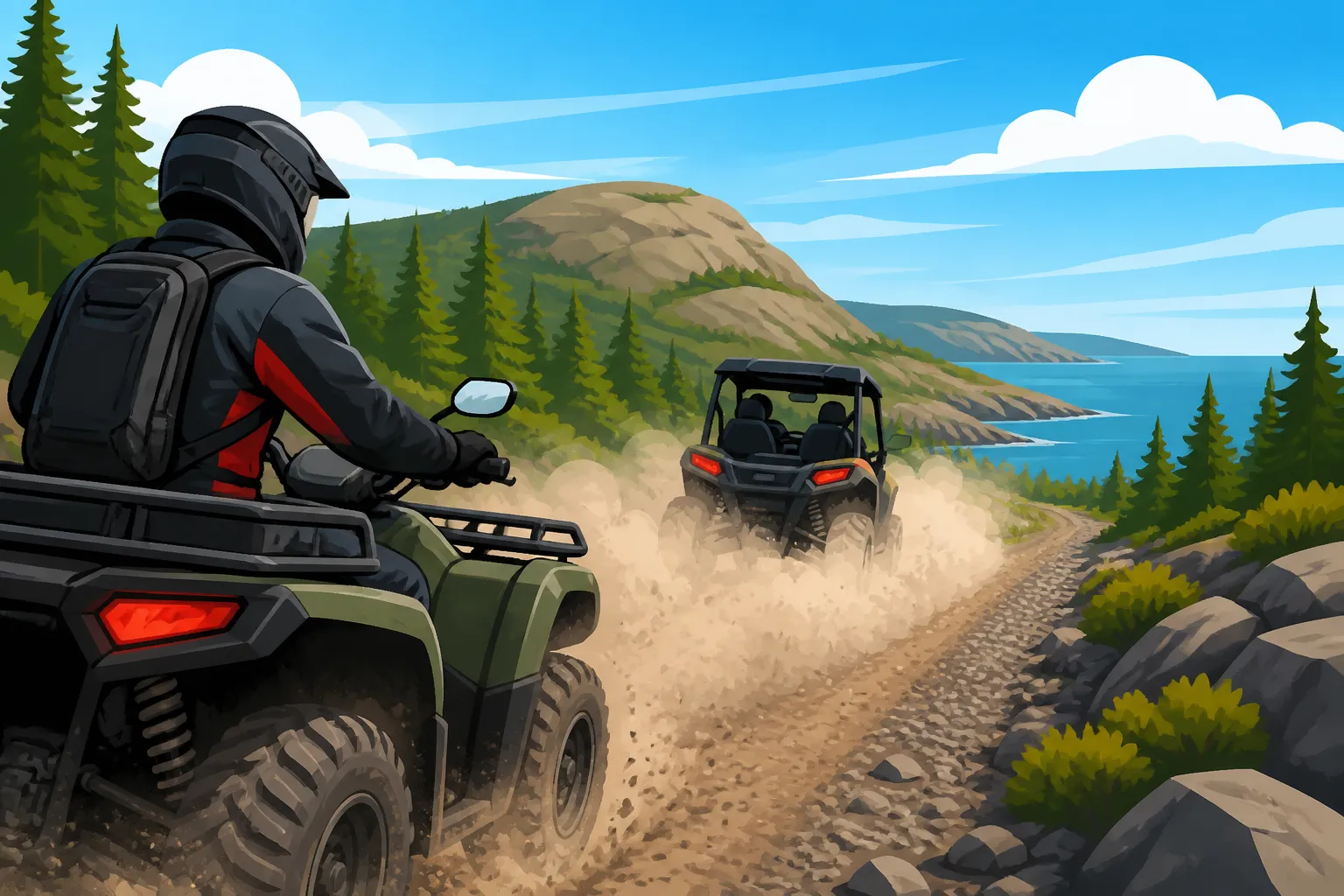
Imagine riding along, enjoying the scenery, and then, without warning, a pickup truck comes roaring past, kicking up a wall of fine, powdery dust. Suddenly, your world shrinks to a few feet, or even inches, in front of you. This isn't just a minor annoyance; it's a profound safety issue. Dust plumes act much like a thick fog, obscuring your vision for obstacles ahead, the edge of the road, and crucial warning signs. Even worse, it makes it incredibly difficult for oncoming traffic to see you, especially if your machine is a darker colour or if you're riding into the sun.
This sudden lack of visibility can lead to disastrous consequences. You might not see that unexpected pothole, a sharp rock, or even a moose stepping out from the treeline until it's too late. If you're riding in a group, the problem compounds, as each machine contributes to the dust cloud, making it a terrifying game of follow-the-leader where no one can actually see the leader. Furthermore, drivers of larger vehicles might assume the dust has settled or that no one is behind them, making sudden stops or turns that you, shrouded in dust, wouldn't be able to react to in time. It's a recipe for a collision, and it’s a constant reminder of how critical clear sightlines are when operating any vehicle.
Health Concerns from Inhaled Dust
Beyond the immediate danger of impaired vision, riding through heavy dust repeatedly takes a toll on your body. That dry, scratchy throat and persistent cough after a dusty ride aren't just minor inconveniences; they're your body reacting to inhaling fine particulate matter. Over time, consistent exposure to this airborne dust can lead to more serious respiratory issues, potentially exacerbating conditions like asthma or even contributing to chronic lung problems. The microscopic particles can irritate your eyes, nose, and throat, making an otherwise enjoyable day feel like a battle against the elements.
Think about the sheer volume of dust you can ingest on a long stretch of gravel. It's not just benign dirt; it can contain silica, pollens, and other irritants that aren't meant for your lungs. This is particularly true if you're consistently riding behind other vehicles that are kicking up thick clouds. Protecting your respiratory system and eyes is just as important as protecting your head with a helmet, yet it’s often overlooked until the discomfort becomes unbearable. Prioritizing proper breathing protection isn't just about comfort; it's about safeguarding your long-term health as a rider.
Wear and Tear on Your Machine
Your ATV or UTV is a robust piece of equipment, but it’s not impervious to the harsh realities of dusty gravel roads. Dust isn’t just a nuisance; it’s an abrasive, and it can wreak havoc on your machine’s vital components. The most immediate impact is often seen in your air filter. A clogged air filter starves your engine of clean air, leading to reduced performance, increased fuel consumption, and potentially serious internal engine damage if left unchecked. It's like trying to run a marathon while breathing through a pillow – inefficient and ultimately harmful.
Beyond the engine, fine dust works its way into everything. Bearings, bushings, and other suspension components can become contaminated, leading to premature wear and expensive repairs. Cables and linkages can bind, electrical connections can corrode, and even your brakes can suffer from abrasive particles getting into the calipers and pads. After a few rides on intensely dusty roads, you'll notice a distinct need for more frequent cleaning, lubrication, and inspection of these critical parts. Investing in aftermarket protection, such as sealed airbox kits or improved dust seals, perhaps from a reputable brand like SuperATV, can go a long way in preserving your machine's health and reducing your maintenance headaches.
Legal and Safety Requirements on Shared Gravel Roads in Newfoundland
While many gravel roads in Newfoundland might feel like part of the wilderness, it's crucial to remember that if they're public roads, even unpaved ones, they come with rules. These aren't just suggestions; they are part of the legal framework designed to keep everyone safe, including off-road vehicle operators. Understanding and adhering to these requirements is paramount when sharing any road with other traffic.
Road Rules and Speed Limits
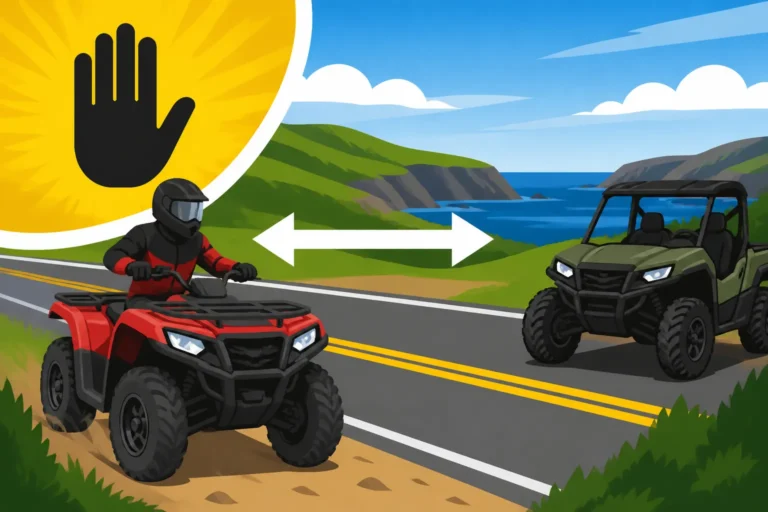
When you're out on a gravel road, particularly one that's shared with cars, trucks, and other vehicles, you are generally subject to the same road rules that apply to paved highways. This means respecting posted speed limits, which are often lower on unpaved surfaces, and always adjusting your speed to the conditions. And let's be honest, heavy dust is absolutely a condition that demands a significant reduction in speed. The [Newfoundland's Off-Road Vehicles Act] outlines specific regulations for ORVs, and while it carves out space for off-road use, it also specifies how and where you can legally operate on public roads or road shoulders.
For instance, while you might be permitted to ride the shoulder of a highway to reach a trail access point, there's often a strict limit, like [Newfoundland's 20 km/h Shoulder Limit], which is a clear indicator of the caution expected when operating near faster-moving traffic. The expectation is that ORV operators will yield to highway traffic and all other vehicles at all times. This isn't just polite; it's a legal requirement. Being aware of these rules, as detailed in guides like [Newfoundland ORV Road Rules Explained], helps prevent costly fines and, more importantly, keeps you and others safe on those sometimes ambiguous stretches of shared roadway. Don't assume that because the road is gravel, standard traffic laws don't apply.
Essential Gear for Dusty Conditions
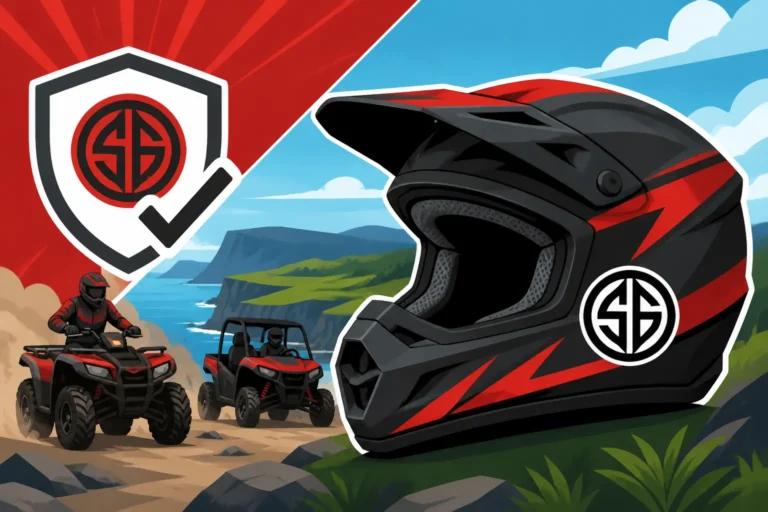
Riding in dusty conditions demands more than just your standard gear; it requires specific protections to combat the unique hazards. While your helmet is always mandatory under [Newfoundland Helmet Law for Every Rider], simply having it on isn't enough when you're engulfed in a dust cloud. The right accessories can make the difference between a miserable, dangerous ride and a manageable, safer one.
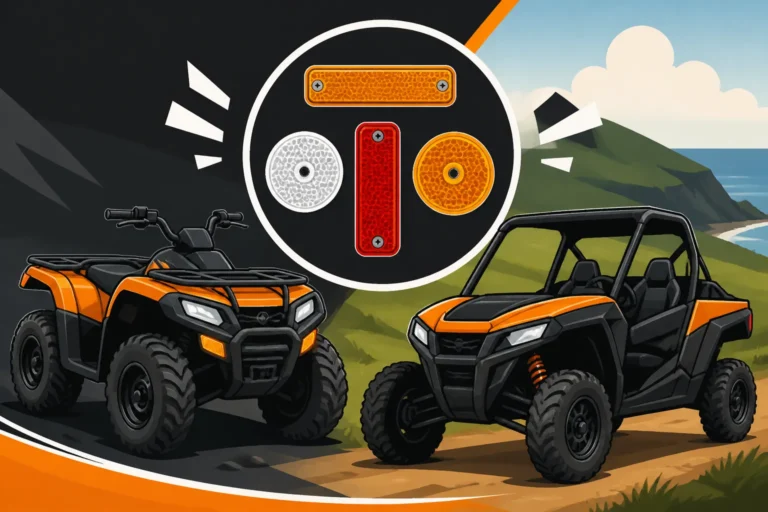
First and foremost, eye protection is non-negotiable. Standard sunglasses or even regular eyeglasses simply won't cut it. You need proper riding goggles that create a seal around your eyes to prevent fine dust from irritating them and obscuring your vision. Clear lenses are essential, especially as dust can reduce ambient light. Second, breathing protection is vital. A simple bandana pulled over your mouth and nose offers minimal protection against fine dust. Consider a dedicated face mask or a neck gaiter designed for dusty conditions, perhaps one with a filter. For severe dust, some riders even opt for more advanced respirators that fit under their helmets. Finally, consider reflective gear and bright colours. Even on a sunny day, a thick dust cloud can dramatically reduce how visible you are to other road users. Wearing bright clothing and incorporating reflective elements, especially on your helmet or pack, can provide those crucial extra seconds for another driver to spot you before it's too late. [Newfoundland Equipment Requirements] also detail other necessities like proper lighting, which becomes especially important in diminished visibility.
| Gear Type | Purpose | Why it's Critical in Dust | Recommended Level |
|---|---|---|---|
| Helmet | Head protection | Mandatory for all rides, regardless of conditions | Certified, well-fitting |
| Goggles | Eye protection | Prevents irritation, maintains vision in blinding dust | Sealed, anti-fog, clear or tinted lens for conditions |
| Breathing Mask/Gaiter | Respiratory protection | Filters fine particulate matter, prevents coughing/irritation | Multi-layer fabric, or filter-equipped mask |
| Gloves | Hand protection, grip | Protects hands from debris, improves control on dusty surfaces | Durable, good grip |
| Long Sleeves/Pants | Skin protection | Protects from abrasions, sun, and flying debris | Durable, breathable fabric |
| Bright/Reflective Clothing | Visibility to others | Increases conspicuity in reduced visibility from dust | High-visibility colours, reflective strips |
Strategies for Safer Riding in Dusty Conditions
Knowing the hazards and legalities is one thing, but actively adopting strategies to mitigate those risks is what truly makes you a safer, more prepared rider. When you're facing down a long stretch of gravel with traffic, having a plan dramatically improves your experience and your safety.
Maintaining Safe Following Distances
This is perhaps the single most important strategy when riding behind traffic on a dusty gravel road. Forget the standard "two-second rule"; that simply doesn't cut it when dust reduces visibility to zero. In heavy dust, you need to extend your following distance dramatically – think 5 to 10 seconds, or even more. The goal is to allow the dust kicked up by the vehicle in front of you to settle enough that you can actually see the road surface and any potential hazards before you reach them. This often means hanging back considerably further than feels natural.
The danger of riding too close isn't just hitting the vehicle in front; it's also about hitting what they just missed. A rock, a pothole, or an animal could be obscured by dust, and if you're too close, you won't have time to react. If you're riding in a group, implement a staggered formation if the road allows, so each rider isn't directly behind another, minimizing their exposure to the immediate dust plume. However, on narrow gravel roads, this might not always be feasible. In those cases, the best approach might be to stop and wait for a minute or two for the dust to clear, especially before entering blind corners or cresting hills. Patience is a virtue, and on dusty roads, it's a lifesaver.
Communicating with Your Group
If you're riding with others, effective communication becomes absolutely critical on dusty gravel roads. In conditions where visual signals might be obscured by dust, relying solely on hand signals can be risky. This is where modern rider communication systems truly shine. Two-way radios or helmet-mounted intercoms allow for clear, instant communication without having to stop or yell. You can warn riders behind you about a sudden stop, an approaching vehicle, or an obstacle hidden by dust.
Before setting out, especially if you anticipate dusty sections, have a thorough pre-ride briefing. Discuss how the group will handle heavy dust: will you spread out? Will you stop and wait? What are the agreed-upon hand signals for "dust ahead" or "slow down"? Knowing that your fellow riders are aware of the plan and can communicate effectively provides a huge boost to safety and confidence. A quick call over the radio about an oncoming vehicle or a particularly deep patch of loose gravel can prevent an accident and keep the entire group together and safe.
Machine Preparation and Maintenance
As we've discussed, dust is hard on your machine, so proactive preparation and diligent maintenance are key to both performance and longevity. Your air filter is the first line of defense, and it needs to be in top shape. Regularly clean or replace your air filter, and consider adding a pre-filter, especially if you know you'll be hitting dusty trails frequently. Some aftermarket solutions, like those from SuperATV, offer enhanced air intake systems or sealed airboxes that provide superior dust protection compared to stock setups, significantly extending your engine's life and maintaining optimal performance.
Beyond the air filter, focus on lubrication. Dust combined with moisture can create an abrasive paste that grinds down moving parts. Keep all chains, cables, and bearings well-lubricated. Regularly inspect and clean your suspension components, as dust can quickly compromise seals and bushings. While it might seem minor, checking your tire pressure is also important; slightly adjusting it can give you better traction on loose gravel surfaces, making your ride more stable. And don't forget visibility aids: ensure your head and tail lamps are clean and fully functional, as [Newfoundland Lighting Requirements on a Machine] dictate, and consider adding auxiliary lights, not just for you to see, but for others to see your distinct presence through the dust. Investing in a good windshield and possibly a rear panel for UTVs can also dramatically reduce the dust that swirls into the cab, making for a more comfortable and less dust-filled ride.
When to Consider Alternative Routes or Times
Sometimes, despite all the preparations and strategies, the conditions are just too challenging, or the risks outweigh the reward. Knowing when to audible and choose a different path or time for your ride is a mark of a truly experienced and safety-conscious rider. Newfoundland has so much to offer, there’s usually an alternative.
Evaluating Dust Levels and Traffic Volume
Before you commit to a long stretch of a known dusty gravel road, take a moment to assess the situation. Is it a particularly dry period? Has there been recent rain? [Newfoundland Riding After Heavy Rain] generally means much less dust, which can make all the difference. What time of day is it? Peak traffic hours, such as early morning commutes or late afternoon for cabin owners, will inevitably mean more vehicles kicking up more dust. Could you wait until later in the evening when traffic typically dies down, or start your ride earlier in the morning before things get busy and the sun has fully dried out any dew?
Sometimes, a quick visual check can tell you everything you need to know. If you can already see dust plumes hanging in the air from a distance, or if there's a constant stream of vehicles going by, it might be a clear sign to reconsider your route. It's about making a smart, informed decision that prioritizes your safety and enjoyment over rigidly sticking to a pre-planned route. Acknowledging that conditions aren't ideal and being flexible with your plans is often the wisest choice.
Exploring Other Trail Options
Newfoundland is a rider's paradise, boasting an incredible network of trails. If a particular gravel road is looking too dusty or busy, don't despair – there are likely plenty of other options. Explore your maps for designated ORV trails, forestry roads that see less passenger vehicle traffic, or even sections of the province's extensive railbed system. The [The T'Railway's 883 Kilometres in Newfoundland], for example, offers incredible riding experiences across the island, and much of it is specifically designed for multi-use, often with less concern for shared traffic dust.
Local ATV clubs are a fantastic resource for discovering less-travelled routes and understanding current trail conditions. They often have insights into which areas are best avoided during dry spells or high-traffic periods. Check out maps showing [Newfoundland Crown Land Riding Rules] to find approved areas that might offer a more dedicated off-road experience, away from the dust and traffic of shared gravel roads. Sometimes, shifting your focus from reaching a specific destination via a dusty road to simply enjoying the journey on a less trafficked trail, as explored in [Newfoundland ATV Trails: The T'Railway and Beyond], can lead to an even better adventure. Don't be afraid to change your plans – there's always another great ride to be had!
Disclaimer
This article is for general informational purposes only and does not constitute professional advice. Laws, prices and regulations vary by location and change over time. Consult a qualified professional for guidance on your specific situation.