First Offences Run From $100 to $1,500
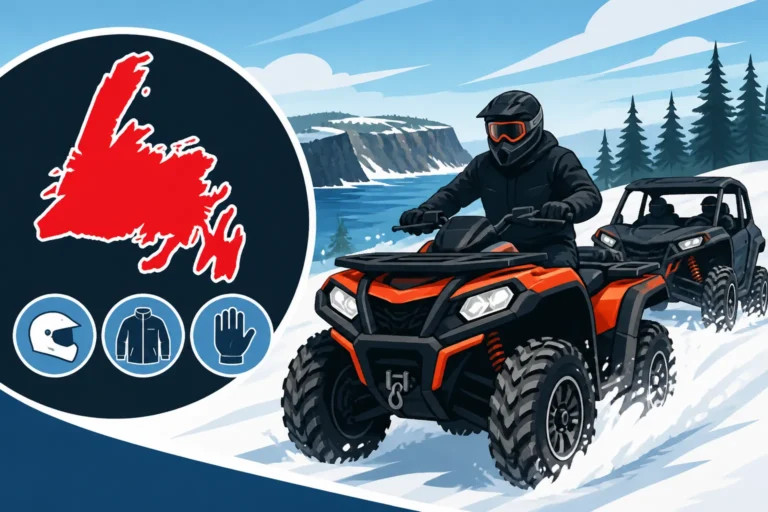
There's nothing quite like hitting the trails in Newfoundland, feeling the wind, and exploring our incredible landscapes. But that freedom comes with responsibility, and nobody wants their ride cut short by an officer handing out a ticket. Getting an Off-Road Vehicle (ORV) violation can be a real headache, not to mention a hit to your wallet. This guide is here to walk you through the nitty-gritty of first offence penalties under Newfoundland's Off-Road Vehicles Act, specifically focusing on those fines that typically range from $100 to $1,500, so you can ride informed and avoid those frustrating surprises.
The Legal Framework: Newfoundland's Off-Road Vehicles Act
It’s easy to feel like the rules are constantly changing, or that they're just a maze of jargon designed to trip you up. But the truth is, the province has a clear framework for ORV operation, laid out in [Newfoundland's Off-Road Vehicles Act]. This isn't just some dusty old document; it's a living piece of legislation that was updated to better reflect how we use our machines today. For instance, [A Statute in Force Since May 2022] brought in some significant changes, clarifying things for newer types of machines like side-by-sides and addressing common issues riders face. The main goal of this Act is to ensure safety for everyone – riders, pedestrians, and other road users – and to protect our environment.
When you're out on the trails or crossing a roadway, you might encounter various enforcement officers, from the Royal Newfoundland Constabulary (RNC) to the Royal Canadian Mounted Police (RCMP), or even forestry officials. These individuals are empowered to stop you and ensure your machine, your gear, and your riding practices are all in compliance with the Act. They’re not just looking for trouble; they're trying to prevent accidents and keep everyone safe. If you get stopped, it's always best to be cooperative and have your paperwork readily available, just as you would if you were driving your truck on the highway.
It’s a common misconception that if you’re "just on a woods road" or "only going to the cabin," the rules don't apply. Unfortunately, that's not how it works. The Act covers almost all off-road vehicle use, whether you're deep in the barrens, traversing crown land, or simply crossing a municipal road. Thinking "they won't catch me" or "it's not a big deal" can quickly lead to a situation where you're facing fines and other penalties. Understanding the law isn't about memorizing every line; it's about being aware of the key regulations that keep you and others safe and out of trouble.
Understanding Common First Offences and Their Financial Penalties
When we talk about "first offences" with fines ranging from $100 to $1,500, we're covering a pretty broad spectrum of violations. These aren't the most severe infractions, which could lead to much higher fines, jail time, or machine seizure for things like impaired operation, but they are certainly significant enough to put a serious damper on your day. Many of these tickets stem from a lack of awareness or simply forgetting a crucial detail. Let's break down some of the most common ones you might encounter and what they could cost you.
Registration and Paperwork Violations
One of the foundational requirements for any ORV in Newfoundland is proper registration. It's not just a formality; it's how the province keeps track of machines and owners. If you're caught riding an unregistered machine, that's a pretty clear-cut violation. While [Why an ATV Registration Costs $95 in Newfoundland] is a one-time fee, avoiding it can lead to a fine significantly higher than that initial cost. This type of fine typically falls into the lower to mid-range of our $100-$1,500 spectrum, but it's entirely avoidable.
Beyond just having a registration, you also need to make sure your machine is properly identified. This means having your identification plate or decal displayed correctly. The Act is quite specific about this; for example, your plate needs to be visible. [Newfoundland Plates Kept Free of Mud] and [Newfoundland Plates Unobstructed by Cargo] are not just polite suggestions; they are legal requirements. If your plate is covered in mud, obscured by a cooler strapped to your rack, or simply missing, you could face a fine. It's often an oversight, but it's still a breach of the rules. Carrying your registration papers with you while riding is also essential; an officer can ask to see them, and not having them on hand can lead to a fine, even if the machine is properly registered.
Equipment and Safety Gear Violations
Safety is paramount when riding an ORV, and Newfoundland's Act takes this very seriously. The most commonly cited violation in this category, and one that often sees fines in the mid-range, is riding without a helmet. [Newfoundland Helmet Law for Every Rider] is crystal clear: operators and passengers alike must wear an approved helmet. And it's not just about wearing it; [Newfoundland Helmet Straps Must Be Fastened] is equally important. An unbuckled helmet offers little protection in a crash and is just as good as not wearing one in the eyes of the law. Acceptable helmets typically have CSA, DOT, or ECE approval markings.
Eye protection is another crucial, yet sometimes overlooked, safety item. Unless your ORV has an enclosed cab with a windshield, [Newfoundland Eye Protection Requirements] mandate that you wear goggles or a face shield. It’s not just for comfort; it protects your vision from dust, debris, and insects, which can be critical for maintaining control of your machine. Similarly, keeping your machine mechanically sound and compliant is vital. Loud exhaust systems are a common complaint from residents, and [Newfoundland Exhaust and Muffler Rules] are in place to address this. If your muffler is modified or defective, expect a fine, possibly in the higher end of the range, as [Newfoundland Fines for a Defective Muffler] can be substantial. Ensuring your machine has proper head and tail lamps, especially when riding after dark or in low visibility, is also a must, as outlined in [Newfoundland Head and Tail Lamp Rules]. Many riders choose to upgrade their lighting with robust aftermarket kits from companies like SuperATV to ensure maximum visibility and compliance.
Operating Rules and Restrictions
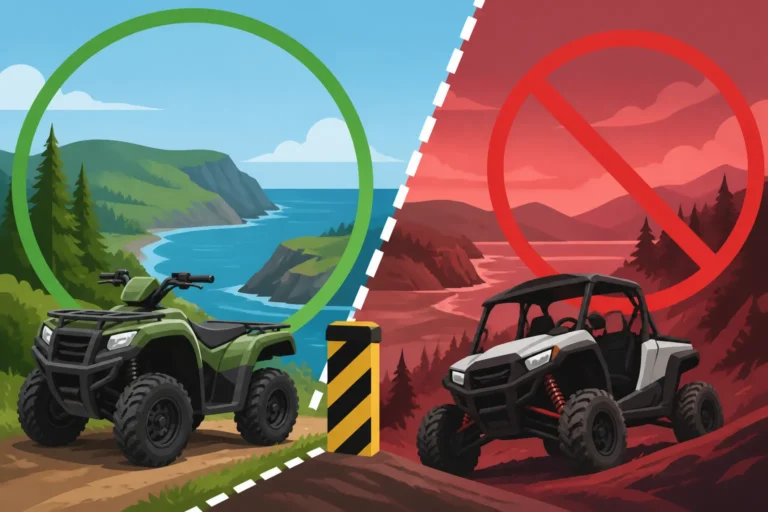
Where and how you ride is just as important as the condition of your machine and your safety gear. Newfoundland has strict rules about where ORVs can and cannot go. Riding in designated prohibited areas, such as within [Gros Morne Bans Machines in Newfoundland] or other restricted zones, can lead to significant fines. It’s crucial to know your planned route and verify that it falls within [Newfoundland Approved and Restricted Areas].
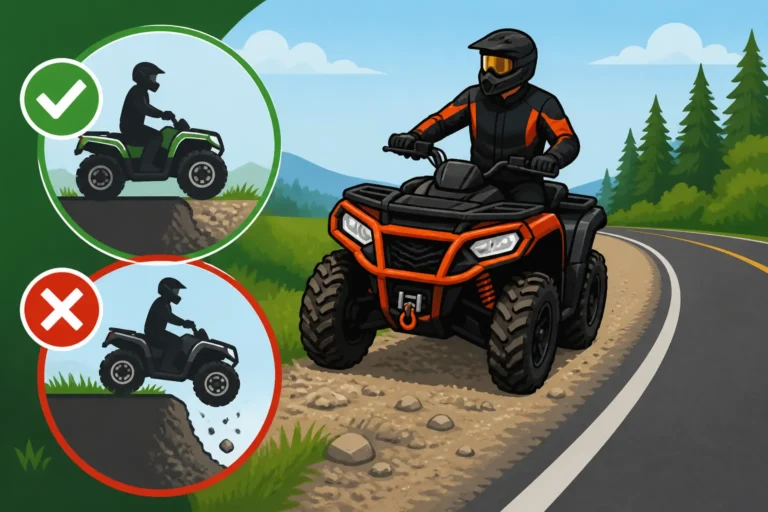
Road crossings and shoulder riding are common necessities for connecting trails, but they come with very specific rules. For example, [Crossing a Newfoundland Highway Needs 150 Metres of Visibility] means you can't just pop out onto the road without a clear view. And if you're riding the shoulder, it's strictly limited: [Newfoundland's 20 km/h Shoulder Limit] and a maximum distance of [Riding the Shoulder 1 Kilometre to Reach a Trail]. Exceeding these limits or riding in areas where you shouldn't be can quickly result in a ticket. Age restrictions for operators, such as [Newfoundland Rules for a 12-Year-Old Rider], are also strictly enforced to protect young riders. Additionally, carrying more passengers than your machine is designed for, or carrying them improperly, can result in fines under [Newfoundland Passenger Seat Requirements]. Always remember that safety and respect for the rules and other users of the land are key.
Training and Managed Trail Violations
Newfoundland is serious about rider safety and education. This is why [Newfoundland Safety Training Is Mandatory] for certain riders. If you’re a first-time registrant or under the age of 16, you generally need to complete approved training. Many riders take [Newfoundland's Online Training Test] to get their certificate. Being caught without proof of this mandatory training can result in a fine, as it's seen as a preventative measure for accidents.
For those riding on managed trails, which are often maintained by local clubs and federations, there’s an additional requirement: a managed trail sticker. These stickers contribute to the upkeep and maintenance of the trails, ensuring they remain safe and enjoyable for everyone. [Newfoundland Managed Trail Stickers] are required on these designated trails. While the specific fine for not having one might vary by trail operator or the severity of the infraction, it’s another common first offence that could land you a ticket. Always check with local trail organizations or refer to provincial guidelines to ensure you have the correct documentation for where you plan to ride. Investing in an easily accessible storage solution for your papers and permits, perhaps from SuperATV, can save you a lot of hassle.
Here's a quick summary of common first offences and their general fine ranges:
| Offence Category | Specific Violation | Typical First Offence Fine Range |
|---|---|---|
| Registration & Paperwork | Unregistered ORV | $200 – $500 |
| Plate/Decal Obscured or Missing | $100 – $250 | |
| Not Carrying Registration Documents | $100 – $200 | |
| Equipment & Safety Gear | No Approved Helmet / Unfastened Strap | $200 – $500 |
| No Eye Protection (without windshield) | $150 – $300 | |
| Defective/Modified Muffler | $250 – $750 | |
| Missing/Defective Head or Tail Lamps | $100 – $300 | |
| Operating Rules | Riding in Restricted/Prohibited Area | $300 – $1,000+ |
| Improper Highway Crossing | $150 – $400 | |
| Exceeding Shoulder Riding Limits (speed/distance) | $150 – $400 | |
| Underage Operator | $200 – $500 | |
| Unauthorized Passenger | $150 – $300 | |
| Training & Trail Permits | No Proof of Mandatory Safety Training | $150 – $400 |
| No Managed Trail Sticker (where required) | $100 – $250 |
Note: These ranges are illustrative and actual fines may vary based on specific circumstances, enforcement officer discretion, and any amendments to regulations. Always refer to current official government sources for exact figures.
Beyond the Immediate Fine: Additional Consequences
It’s easy to focus solely on the dollar amount of a ticket, but the reality is that the consequences of a first offence can extend far beyond the initial fine. These additional headaches can often be more frustrating and costly in the long run, really driving home why it's so important to stay compliant.
One of the most immediate and disruptive consequences of certain violations, especially those related to serious safety breaches or operating in prohibited areas, is machine impoundment. Imagine being miles from home, deep in the backcountry, and having your ATV or side-by-side seized. Not only will you have to figure out how to get yourself back, but retrieving your machine can be an incredibly expensive ordeal. [Newfoundland Machine Seizure Rules] are designed to deter illegal activity, and getting your machine back involves paying impound fees, storage fees, and often an administrative charge, like the [Newfoundland Early Release Fees]. These costs can quickly add up to hundreds, if not thousands, of dollars, dwarfing the initial fine you received. It's a logistical nightmare that nobody wants to face.
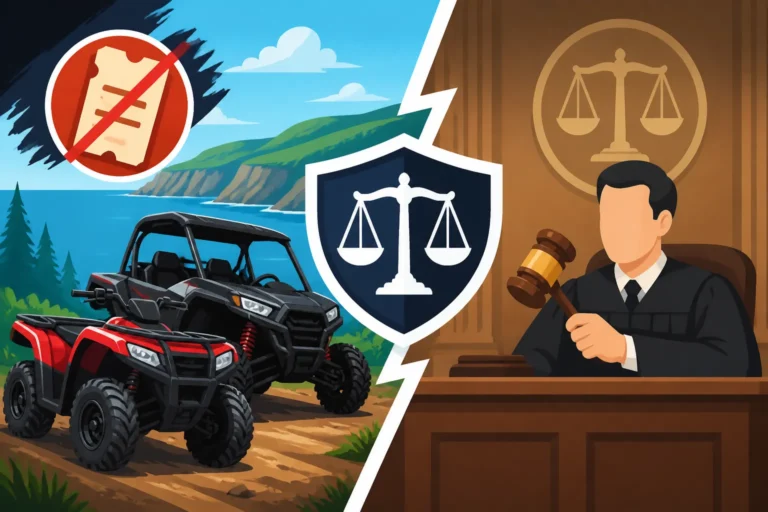
Beyond the impoundment, there are often court costs that come with your citation. [Newfoundland Court Costs for a Citation] are typically added on top of your fine, even if you just pay the ticket without contesting it. While these might seem minor compared to the fine itself, they still contribute to the overall financial burden. Furthermore, repeated violations or certain types of offences could potentially impact your insurance premiums. While ORV insurance in Newfoundland may have different structures than vehicle insurance, any history of violations can be viewed negatively by providers, possibly leading to higher rates or even difficulty obtaining coverage in the future. It’s a snowball effect that starts with that initial, seemingly small, ticket.
Then there’s the intangible cost: the inconvenience, the stress, and the lost riding time. A ticket means dealing with paperwork, potentially taking time off work to go to court, or making arrangements to retrieve a seized machine. It casts a shadow over what should be an enjoyable pastime. Nobody wants to spend their weekend dealing with bureaucracy because of an oversight that could have been avoided with a little more preparation. This is why knowing the rules and proactively avoiding these first offences is always the best approach for any rider.
Navigating the Trails Responsibly: Avoiding First Offences
The best way to deal with first offence penalties is, of course, to avoid them entirely! Riding an ORV in Newfoundland is an incredible experience, and with a bit of diligence and foresight, you can enjoy it without the worry of tickets or fines. It really comes down to a few key areas: knowing your machine, knowing the rules, and planning your ride.
First and foremost, make a habit of routine pre-ride checks on your machine. This isn't just about avoiding breakdowns; it’s about ensuring compliance. Check your lights, horn, and brakes. Ensure your muffler is in good condition and not excessively loud. If you’ve added any aftermarket accessories, like a new bumper or cargo rack, double-check that they aren't obscuring your registration plate. Companies like SuperATV offer a range of compliant accessories, from lighting kits to mirrors, that can help you meet safety standards and avoid fines for inadequate equipment. It’s much easier to fix a minor issue in your driveway than to explain it to an enforcement officer out on the trail.
Next, you need to understand the rules of the road – or, in this case, the trail. This means researching local bylaws and specific trail regulations for where you plan to ride. [Newfoundland Bylaw Lookups Before You Ride] can be a valuable resource, as some municipalities have their own unique rules. Before heading out, confirm whether you need a managed trail sticker for your chosen route and that you have proof of any mandatory safety training. Always carry your registration papers, proof of insurance, and your safety training certificate (if applicable) with you. A simple waterproof pouch is usually enough to keep these documents safe and readily accessible, so if an officer asks [What an Officer Can Ask You to Produce], you're prepared.
Finally, proactive planning and responsible riding are your best defence. Ride within your skill level, adhere to posted speed limits, and respect private property. Be mindful of wildlife and other trail users, including hikers, cyclists, and snowmobilers who share some corridors like the T'Railway. If you encounter an enforcement officer, remain calm and cooperative. Present your documents clearly and answer any questions honestly. They’re there to enforce safety, and a respectful interaction often goes a long way. By taking these steps, you’ll not only enhance your own safety but also help preserve access to our amazing trails for all riders, ensuring that your adventures are memorable for all the right reasons, not for a frustrating fine.
Disclaimer
This article is for general informational purposes only and does not constitute professional advice. Laws, prices and regulations vary by location and change over time. Consult a qualified professional for guidance on your specific situation.