Why Some Town Bylaws Need a Minister’s Approval
Riding an ATV or UTV in Newfoundland and Labrador is an incredible experience, but it can sometimes feel like you need a law degree just to figure out where you're allowed to go! One of the biggest head-scratchers for riders is when a local town or community passes a bylaw that seems to regulate off-road vehicles, only to hear that it needs "minister's approval." This guide will demystify why some town bylaws require this extra layer of provincial sign-off, what it means for you as a rider, and how you can navigate these often-confusing local regulations.
Understanding the Layered Legal Landscape for ORVs in Newfoundland
When you hit the trails or even cross a road in Newfoundland and Labrador, you're operating within a legal framework that has several layers. It's not just one big rulebook for the entire province. Instead, you have overarching provincial laws that set the foundational ground rules, and then, nestled underneath those, are local municipal bylaws that can add specific conditions or restrictions within their own boundaries. This interplay is crucial to understand, especially when it comes to something as specific as a minister's approval.
The Provincial Framework: The Foundation of ORV Rules
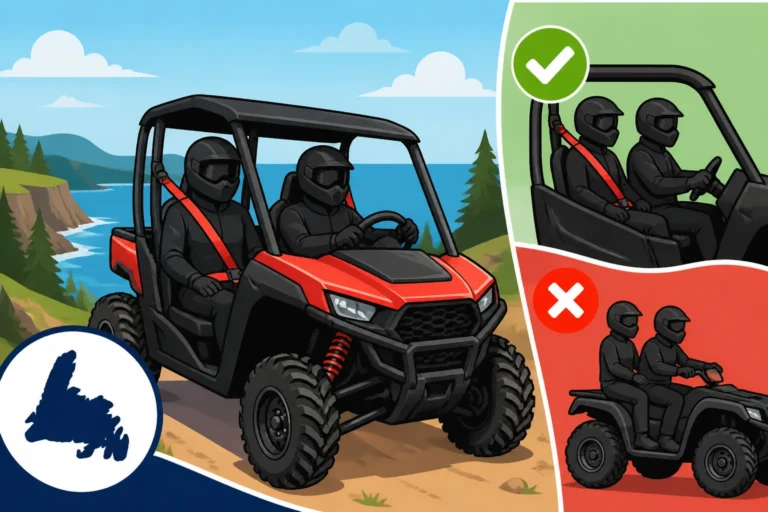
At the provincial level, the primary legislation governing off-road vehicles is the [Newfoundland's Off-Road Vehicles Act]. This Act, along with its associated regulations, lays out the broad strokes for everything from vehicle registration and safety equipment requirements to age restrictions and general operating guidelines. It covers things like mandatory helmets, insurance minimums, and basic rules for crossing highways or riding shoulders. Think of this as the main highway map for ORV use across the province. It aims to provide a consistent baseline, ensuring a certain level of safety and order no matter where you're riding, from the Avalon to Labrador. These provincial rules are designed to protect riders, other road users, and the environment at large. For instance, the Act specifies fines for various infractions and outlines what constitutes a legal ORV for registration purposes.
Municipal Authority: Where Local Rules Come In
While the province sets the stage, municipalities (cities, towns, and communities) in Newfoundland and Labrador also have the power to create their own laws, known as bylaws, to address local concerns. This authority generally stems from legislation like the Municipalities Act, which grants them broad powers to regulate for the "peace, order, and good government" of their communities. For off-road vehicles, this means a town council might look at local issues like noise complaints, specific traffic patterns, or the desire to open certain local roads to ORV traffic, and decide that the provincial rules aren't quite enough for their unique situation. They might want to restrict ORV use in residential areas, designate specific routes within town limits, or even prohibit machines from certain parks or public spaces altogether. These bylaws are often a response to community feedback or specific incidents, aiming to strike a balance between allowing recreational riding and maintaining the quality of life for residents. You'll find that [Newfoundland Municipal Road Bylaws] are a common area where local rules diverge from or add to provincial ones.
The "Minister's Approval" Requirement: What It Means and Why It Exists
So, why do some of these locally crafted bylaws need an extra stamp of approval from a provincial minister? It might seem like unnecessary bureaucracy, but there's a good reason for it. This requirement isn't about undermining local control; it's about ensuring that local rules fit seamlessly into the broader provincial framework and don't inadvertently create problems for riders or the province as a whole. It’s a check and balance designed to prevent chaos and promote coherence across the island.
Ensuring Consistency and Avoiding Conflict
Imagine a scenario where every single town could make completely contradictory rules about ORV use without any oversight. One town might completely ban ATVs from all roads, while the next town over might allow them on every street. This would be incredibly confusing and frustrating for riders, especially those traveling through multiple communities. The requirement for ministerial approval helps to prevent this kind of legislative patchwork. The minister (usually the Minister of Digital Government and Service NL, which oversees Motor Registration) reviews proposed bylaws to ensure they don't directly conflict with the spirit or letter of the [Newfoundland's Off-Road Vehicles Act] or other provincial statutes. This consistency ensures that riders can generally expect similar core rules wherever they go, even if specific local conditions apply. It also ensures that a town isn't overstepping its authority or making rules that are impractical or impossible to enforce given provincial mandates. This process helps to safeguard the broader recreational opportunities for riders, ensuring that local restrictions don't accidentally close off important connections between trails or access points.
Protecting Provincial Interests and Public Safety
Beyond consistency, ministerial approval serves a vital role in protecting broader provincial interests and public safety. A local bylaw, while well-intentioned for a small community, might have unintended consequences on a larger scale. For instance, a town might propose a bylaw that impacts a provincial trail system (like the T'Railway) or affects access to Crown Land which falls under provincial jurisdiction. The minister's review considers these wider implications, ensuring that local decisions don't negatively impact provincial infrastructure, economic activities (like tourism or logging), or critical environmental protection efforts. Public safety is also a major concern. If a local bylaw were to permit ORV activities that the province deems inherently unsafe for a specific environment, the minister has the power to intervene. For example, allowing high-speed ORV access on shared pedestrian pathways or in highly congested areas could pose significant risks, and provincial oversight ensures such proposals are thoroughly vetted for potential dangers. This is where organizations like SuperATV, which focus on safety and performance upgrades, could be considered, but the fundamental decision making about where and how you can ride remains with the legislative bodies.
When Approval Is Typically Required
The need for ministerial approval isn't universal for all municipal bylaws. Generally, it's required for bylaws that directly regulate or restrict activities already covered, to some extent, by provincial legislation, particularly those relating to off-road vehicles. This often includes bylaws that:
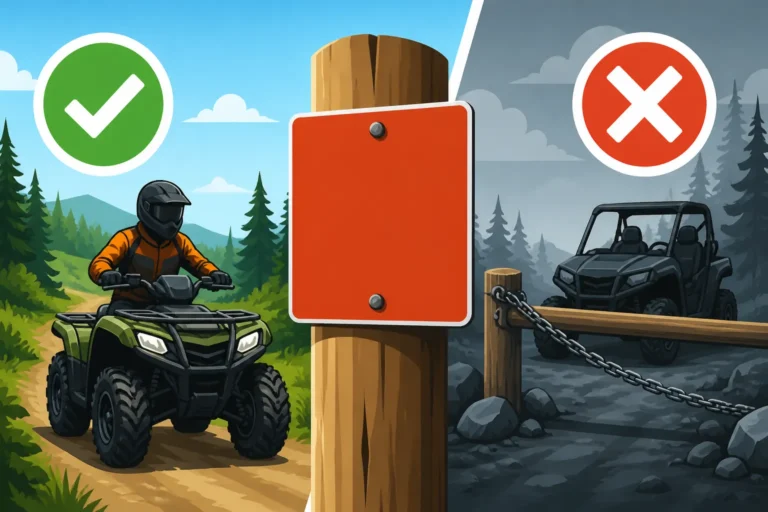
- Open or designate specific public roads for ORV use: The provincial Act generally restricts ORVs from public roads, with limited exceptions. If a town wants to allow ORVs on certain municipal roads, this directly impacts a provincial domain and requires ministerial sign-off.
- Significantly restrict ORV access to areas traditionally open under provincial rules: For example, a bylaw that would close off large swaths of municipal land that were previously accessible for riding, or impose new, widespread prohibitions.
- Establish new fees or permits for ORV use within municipal boundaries: If these fees go beyond what's permitted or expected under provincial fee structures, they would need approval.
- Create rules that could be interpreted as conflicting with provincial safety standards: While municipalities can add restrictions, they usually can't relax provincial safety requirements.
Essentially, if a local bylaw creates a significant deviation from provincial norms, or has the potential to impact provincial mandates, that's when the minister's eye is most likely to be cast upon it.
| Bylaw Type | Likely to Need Minister's Approval? | Rationale |
|---|---|---|
| Designating specific local roads for ORVs | Yes | Directly alters provincial road-use restrictions for ORVs. |
| Banning ORVs from town parks | No | Typically within municipal authority for local property management. |
| Setting speed limits on local trails | No (if on municipal property) | Local control over local infrastructure, within general safety principles. |
| Restricting ORV access to an entire residential area | Yes | Broad restriction impacting potential provincial access rights, consistency. |
| Implementing new ORV registration fees | Yes | Overlaps with provincial registration and fee structures. |
| Mandating specific local safety gear | Yes | Could conflict with provincial safety equipment standards. |
| Designating snowmobile routes in winter | No (if on local property/trails) | Often seen as local recreation management, less direct conflict with provincial road rules. |
Navigating Bylaws: How Riders Can Stay Informed and Compliant
The system of provincial acts and municipal bylaws, with or without ministerial approval, can feel like a maze. But staying informed is your best defense against inadvertently breaking the rules. Being a responsible rider means doing your homework before you head out, especially when exploring new areas. Ignorance of the law is rarely an excuse, and fines can add up quickly.
Researching Local Bylaws Before You Ride
Before you load up your machine and head to a new riding spot, it's always a good idea to check for local regulations. The first stop should be the municipality's official website. Many towns, especially those with significant ORV activity, will publish their bylaws online. Look for sections related to "Off-Road Vehicles," "Traffic," or "Recreation." If the information isn't readily available online, don't hesitate to call the town or city office directly. Staff there can usually point you to the right document or explain the current rules. Local ATV or snowmobile clubs can also be an invaluable resource. These clubs often work closely with municipalities and are usually very much aware of local bylaws, including which ones might have required ministerial approval. They can provide practical advice and may even have maps or guides highlighting approved routes. Remember, [Newfoundland Bylaw Lookups Before You Ride] can save you a lot of trouble and potential fines.
The Impact on Riders: What an Approved Bylaw Means for You
Once a bylaw receives ministerial approval, it becomes legally binding. For you, the rider, this means treating it with the same seriousness as any provincial law. If a town bylaw, approved by the minister, designates certain roads as open for ORVs, you can generally ride there, provided you follow all other provincial rules (like having proper registration, insurance, and safety gear). Conversely, if an approved bylaw restricts ORV access to certain areas within town limits, you must respect those restrictions. Failing to do so can result in tickets, fines, and even the seizure of your machine. It's vital to understand that an approved bylaw isn't merely a local suggestion; it carries the full weight of the law. Always keep your registration papers and proof of insurance handy, perhaps in a waterproof case on your machine, as officers can ask you to produce these at any time. Making sure your machine is in top condition, with any necessary upgrades from a reputable provider like SuperATV, can also help ensure you're ready for any permitted riding, especially if the bylaw allows for some street use where lights and horns become more critical. For details on potential consequences, you can look into [Newfoundland Penalties for Riding Illegally].
Disclaimer
This article is for general informational purposes only and does not constitute professional advice. Laws, prices and regulations vary by location and change over time. Consult a qualified professional for guidance on your specific situation.