Goggles Unless There Is a Windshield
There's nothing quite like feeling the wind in your hair as you explore the incredible trails and barrens of Newfoundland, but that wind can also kick up dust, fling mud, and carry unexpected debris straight toward your eyes. Many riders grapple with what's legally required and what's truly safe when it comes to eye protection, especially when a machine has a windshield. This guide will clarify the rules around eye protection in Newfoundland, helping you understand when goggles are a must and when a windshield offers sufficient protection, ensuring you stay safe and compliant on every adventure.
The Mandate for Eye Protection in Newfoundland
When you hit the trails or even cross a highway in Newfoundland on your off-road vehicle (ORV), safety is paramount, and that includes protecting your eyes. It’s not just common sense; it’s a specific requirement under the province's Off-Road Vehicles Act. This rule is designed to shield you from the myriad hazards you can encounter while riding, from the mundane dust to more dangerous projectiles.
The Legal Requirement for Riders
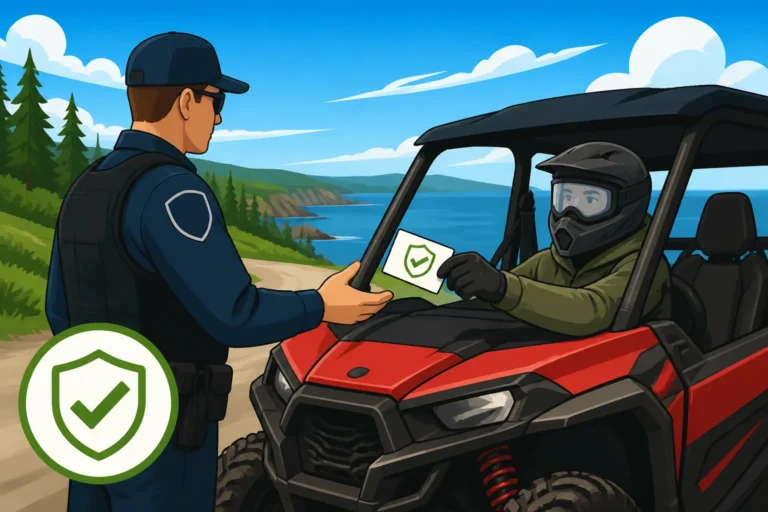
Newfoundland's Off-Road Vehicles Act is pretty clear: if you're operating or riding as a passenger on an ORV, you need to have proper eye protection. This isn't some minor suggestion; it's a legal obligation. The law ensures that all riders are equipped to handle the unpredictable environment of an off-road trail. Failing to wear the appropriate eye protection can lead to fines and, more importantly, put your vision at serious risk. Think about it: a small stone or a low-hanging branch at speed can cause irreversible damage. The legislation aims to prevent these kinds of avoidable accidents, making your rides safer for everyone. This requirement goes hand-in-hand with [Newfoundland Helmet Law for Every Rider], emphasizing a comprehensive approach to rider safety.
Why Eye Protection is Crucial on the Trail
Beyond the legalities, there are countless practical reasons why eye protection is non-negotiable when you're out riding. Newfoundland's diverse terrain—from dusty gravel paths to muddy bog crossings and dense wooded areas—presents a constant barrage of potential eye hazards. Dust and grit from the trail can easily get flung up by your own machine or those of fellow riders, causing irritation or even scratches to your cornea. When you're pushing through a bog, a splash of muddy water can obscure your vision instantly, leading to a loss of control. In wooded areas, low-hanging branches or twigs can whip back, impacting your face and eyes. Then there are the smaller, but no less irritating, threats like insects, especially during the warmer months, or the stinging chill of wind on an exposed barren. High-quality goggles also offer protection from harmful UV rays, reducing eye strain and long-term damage from sun exposure, which is important even on cloudy days.
Understanding the Windshield Exemption
While goggles are often the go-to for eye protection on an ATV or dirt bike, the rules shift slightly when you're operating an off-road vehicle that comes equipped with a windshield. Side-by-sides, for instance, frequently have windshields, and this can change your legal obligations. However, it's crucial to understand what kind of windshield qualifies for this exemption and when goggles might still be a better choice for practical safety.
When a Windshield Suffices
For many ORVs, particularly side-by-sides, a properly installed windshield can serve as adequate eye protection, making goggles unnecessary from a legal standpoint. The key here is "properly installed" and "sufficient." Generally, this refers to a full, clear windshield that extends high enough to deflect wind and debris away from the operator's and passenger's faces. These are often standard or optional accessories from manufacturers or reputable aftermarket suppliers like SuperATV. When you're driving a side-by-side with a full windshield, much like driving a car, the windshield acts as your primary barrier against external elements. This means you wouldn't necessarily need to wear goggles on top of it. This exemption acknowledges the design and intended use of these types of machines. It's especially relevant for those who primarily ride [Newfoundland Side-by-Sides Added in 2022], as these machines are increasingly popular for their comfort and utility, often featuring full enclosures.
However, be mindful that "a windshield" doesn't always mean any windshield. A small wind deflector on a handlebar or a half-windshield that only covers the lower portion of your face generally won't meet the spirit or the letter of the law for full eye protection. Always err on the side of caution. If there’s any doubt that your windshield provides complete protection from all angles, especially for side impacts or low-flying debris, then goggles are still the safest bet.
Windshields and Their Limits
While a windshield offers a welcome reprieve from mandatory goggles, it's not a magic shield against all trail hazards. There are definite limits to its effectiveness, and many experienced riders will tell you that even with a full windshield, goggles or additional eye protection can still be a smart move, depending on the conditions.
Consider riding through heavy mud or water. A windshield will block much of the direct splash, but mud and spray can still find their way around the sides, over the top, or through any gaps, coating your face and eyes. Similarly, in dusty conditions, fine particles can swirl into the cab, especially if you're riding with an open rear or without a roof. Heavy rain can also overwhelm windshield wipers (if you have them), or obscure vision entirely if the windshield fogs up or gets excessively splattered.
Visibility can be compromised by more than just dirt. Intense glare from the sun, especially when it's low on the horizon, can still be an issue even with a windshield, as the angle might not be perfectly protective. For these situations, wearing polarized sunglasses under the windshield can make a huge difference.
Another practical limitation: if your windshield gets damaged, scratched, or cracked mid-ride, its protective capabilities are severely reduced, and visibility can become dangerous. Carrying a backup pair of goggles, even if you normally rely on a windshield, is a sensible precaution. This foresight is part of being prepared for [Newfoundland Equipment Requirements] beyond the absolute minimums.
Choosing the Right Goggles or Eyewear
If your machine doesn't have a windshield, or if you're just looking for that extra layer of protection, choosing the right goggles or eyewear is crucial. It's not a one-size-fits-all situation, and what works best for one rider might not suit another. Investing in good quality eye protection is an investment in your safety and comfort.
Key Features to Look for in Goggles
When you're out shopping for goggles, don't just grab the cheapest pair. Look for features that will genuinely enhance your safety and riding experience:
- Fit and Comfort: This is paramount. Goggles should fit snugly against your face without pinching or leaving large gaps where dust or debris can sneak in. They should also be comfortable to wear for extended periods, especially if you're doing a full day of riding. Try them on with your helmet to ensure a seamless fit. Many riders appreciate brands that offer different foam thicknesses for a customized feel.
- Ventilation and Anti-Fogging: Nothing is more frustrating (or dangerous) than goggles that fog up. Look for models with good ventilation systems, often featuring vents around the frame to promote airflow. Many high-quality goggles come with anti-fog coatings on their lenses, which are a lifesaver in humid conditions, or when you’re exerting yourself.
- Lens Type: This is where you can really customize for different conditions.
- Clear Lenses: Essential for [Newfoundland Rules for Riding After Dark] or on overcast days when maximum light transmission is needed.
- Tinted Lenses: Great for bright, sunny days, reducing glare and eye strain. Different tints (smoke, bronze, grey) offer varying levels of light reduction.
- Mirrored Lenses: Offer a high degree of glare reduction and a stylish look, often at the cost of slightly reduced clarity in low light.
- Photochromic Lenses: These adapt to changing light conditions, darkening in bright sun and lightening in shade, offering versatility for varied trail environments.
- Polarized Lenses: Excellent for reducing glare bouncing off water, snow, or shiny surfaces, which can be particularly useful in Newfoundland's landscape.
- Durable Straps: The strap should be wide, adjustable, and ideally have silicone grippers on the inside to keep it securely in place on your helmet.
- Tear-Offs or Roll-Offs: If you ride in extremely muddy or dusty conditions, consider goggles that support tear-off films or a roll-off system. These allow you to quickly clear your vision by pulling off a dirty film or advancing a clear strip, which can be critical during a fast-paced ride or in a sudden downpour. SuperATV, for instance, offers a range of accessories including eye protection that caters to these demanding conditions.
Eyeglasses vs. Goggles for Vision Correction
For riders who wear prescription glasses, finding effective eye protection can be a bit more challenging, but there are excellent solutions available.
- Over-the-Glasses (OTG) Goggles: Many goggle manufacturers design specific OTG goggles that are roomier and shaped to fit comfortably over most prescription eyeglasses. These are a popular choice as they allow you to wear your regular glasses while still getting the full protection of ATV goggles. When trying them on, ensure there's no pressure points on your glasses' frames, which could become uncomfortable after a long ride.
- Prescription Inserts: Some high-end goggle brands offer prescription inserts that clip into the goggle frame behind the main lens. This can be a cleaner solution than OTG goggles, as there's less bulk and often a better field of vision.
- Contact Lenses: For those who are comfortable with them, contact lenses offer perhaps the most seamless solution, as you can then wear any standard pair of goggles without issue. However, always carry a backup pair of glasses or spare contacts in case of irritation or loss on the trail.
- Full Face Helmets with Visors: If you primarily ride a side-by-side or prefer the integrated protection, a full-face helmet with a clear visor can often accommodate prescription glasses underneath. Ensure the visor offers good peripheral vision and can be sealed effectively to prevent dust and wind from bothering your eyes.
Regardless of your choice, make sure your vision correction is always clear and comfortable. A blurred or uncomfortable view can be just as dangerous as no protection at all, leading to mistakes on the trail.
Practical Considerations for Optimal Eye Safety
Beyond just meeting the legal requirements, thinking proactively about eye safety can make a huge difference in your enjoyment and security on the trails. Newfoundland's weather and terrain can be notoriously unpredictable, so being prepared for various scenarios is key.
Maintaining Visibility in Challenging Conditions
Riding an ORV in Newfoundland means you're almost guaranteed to encounter a variety of conditions that can challenge your vision. Being ready for them can prevent frustrating stops or, worse, accidents.
- Mud and Splatter: Newfoundland is famous for its bogs and wet trails, which means mud is often part of the experience. For goggles, consider models with large lenses and possibly even tear-offs or roll-off systems, as mentioned earlier. For windshields, regular cleaning is a must. Carrying a small spray bottle of water and a microfiber cloth can help clear off mud and dust during a quick stop. Some riders even apply water-repellent coatings to their windshields to help shed water and mud more easily.
- Rain and Fog: Rain can reduce visibility significantly. If you rely on a windshield, ensure it's kept clean, and if possible, use a side-by-side with a functional wiper system. For goggles, anti-fog coatings are your best friend. In heavy fog, even clear lenses can become hard to see through. Slowing down and relying on your judgment are critical.
- Low Light and Glare: When riding at dusk or dawn, or on heavily wooded trails, a clear goggle lens or a clean, untinted windshield is essential. As the sun rises or sets, however, glare can be a major issue. Having an interchangeable tinted lens for your goggles, or a flip-down visor on your helmet, can help manage sudden changes in light. For side-by-side drivers, a well-placed sun visor can also make a difference. Remember, [Newfoundland Rules for Riding After Dark] specifically require proper lighting on your machine, but your eye protection needs to facilitate vision, not hinder it.
Preparing for the Unexpected
Even the most well-maintained gear can fail, and conditions can change rapidly. Being prepared for these eventualities ensures your ride isn't cut short by a vision problem.
- Carrying Spares: A spare goggle lens (especially a clear one if you normally ride with tinted), or a backup pair of sunglasses/eyeglasses for those who wear prescriptions, can be invaluable. A small, scratch-resistant pouch for your spares will keep them protected on the trail.
- Cleaning Supplies: Always pack a soft microfiber cloth specifically for cleaning your goggle lenses or windshield. Avoid using harsh cloths or paper towels, which can scratch delicate surfaces. Lens cleaning sprays designed for plastics or coatings are also a good idea. Many riders keep a small kit in their machine's storage compartment or in their riding pack.
- Eye Drops: Dust, wind, and even pollen can cause eye irritation. Carrying a small bottle of lubricating eye drops can provide quick relief, allowing you to focus on the trail instead of discomfort.
- First Aid for Eyes: In the rare event of an eye injury, having a basic first-aid kit with sterile saline solution can help flush out debris before you can seek professional medical attention. This falls under the broader umbrella of being prepared, which officers might check during [Newfoundland Equipment Checks by Officers]. While less about the legal requirement, it's about staying safe and dealing with real-world issues on the trail.
By taking these practical steps, you're not only adhering to the spirit of the law, but you're also significantly enhancing your personal safety and ensuring you can fully enjoy the breathtaking beauty of Newfoundland's ORV trails.
Disclaimer
This article is for general informational purposes only and does not constitute professional advice. Laws, prices and regulations vary by location and change over time. Consult a qualified professional for guidance on your specific situation.