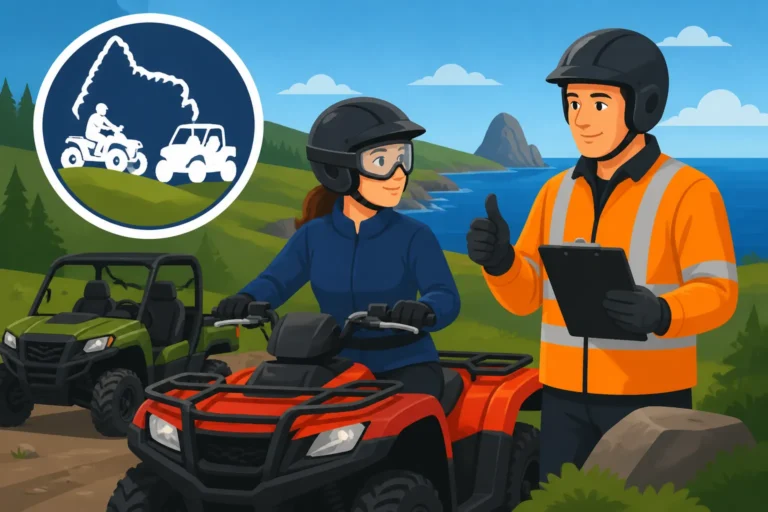
Your Chin Strap Has to Be Fastened
So you've got your ATV or side-by-side all geared up for a ride around Newfoundland, helmet on, and you're feeling ready to hit the trails or maybe even a short stretch of road. But have you ever paused to think about that chin strap? It might seem like a small detail, something you just quickly buckle up, but in Newfoundland, a properly fastened chin strap isn't just about common sense safety—it's the law, and missing this simple step can land you in a heap of trouble. This guide will walk you through exactly why this small strap carries such big importance, what the regulations demand, and how to ensure you're always riding safely and legally.
The Critical Role of Your Chin Strap in ATV Safety
It’s easy to think of a helmet as a single unit, but each component plays a vital role. The chin strap, often overlooked, is the unsung hero that keeps the entire safety system in place. Without it, even the best helmet in the world is little more than a hat waiting to fly off at the first bump or unexpected jolt. For off-road riders in Newfoundland, where terrain can be unpredictable and sudden stops or tumbles are always a possibility, a secure helmet is absolutely non-negotiable.
Imagine hitting a hidden rock or sliding on a patch of slick mud. Your body will react, and if your helmet isn't firmly secured, the forces of impact could easily dislodge it before it even has a chance to do its job. A helmet that comes off during an accident offers zero protection, leaving your head vulnerable to serious, potentially life-altering injuries. This isn't just about avoiding a ticket; it's about safeguarding your well-being on every single ride, whether you're navigating dense woods or cruising an open barren.
Why a Chin Strap is More Than Just a Fastener
Think of your helmet as a protective shell, and the chin strap as the anchor that keeps that shell from becoming a projectile. The strap ensures the helmet stays centred and snug on your head, distributing impact forces evenly across its protective padding. If it's too loose, the helmet can shift around, obstructing your vision or even sliding off completely upon impact. This compromise in fit also affects the helmet’s ability to absorb shock effectively, reducing its overall safety performance.
Beyond impact protection, a properly adjusted chin strap also contributes to rider comfort and stability. A loose helmet can flap in the wind, create distracting noise, and require constant readjustment, pulling your focus away from the trail. On a long ride, these small annoyances can accumulate, leading to fatigue and potentially affecting your judgment. Investing a few extra seconds to ensure your chin strap is snug and correctly positioned is a small effort for a huge return in safety, comfort, and peace of mind.
Understanding the Legal Imperative in Newfoundland
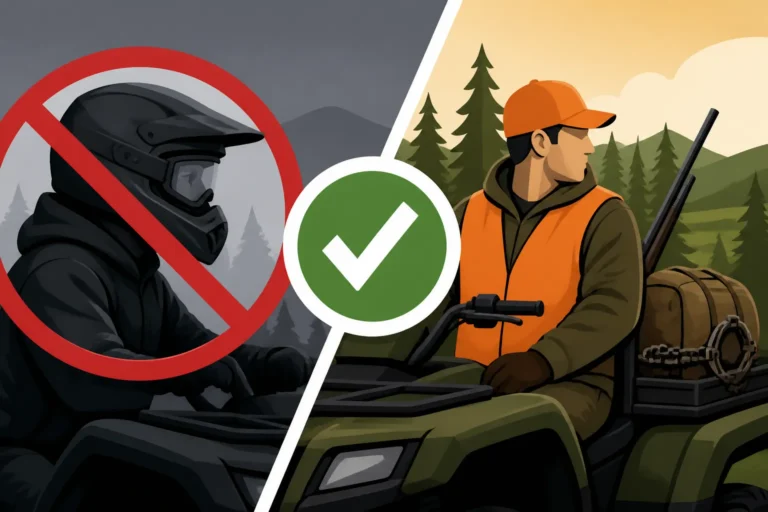
In Newfoundland, the law is quite clear: if you're riding an ATV or UTV, you and any passengers must wear an approved helmet, and that helmet must be properly fastened. It's not enough to simply have a helmet on your head; the chin strap is explicitly covered under the regulations because its absence or improper use renders the helmet ineffective. The province's commitment to rider safety means leaving no room for interpretation on this critical detail.
Enforcement officers are trained to look for these details. They're not just checking if you have a helmet; they're checking if it's being used correctly. A casual ride could quickly turn into a roadside stop if your chin strap is flapping in the breeze. Understanding this legal requirement isn't just about avoiding a fine; it’s about acknowledging the provincial government's efforts to minimize serious injuries and fatalities in the off-road community. For a deeper dive into the broader rules, you can read more about [Newfoundland Helmet Law for Every Rider].
Newfoundland's Specific Helmet and Chin Strap Regulations
The rules governing helmet use in Newfoundland are detailed and leave little to chance, all with the goal of keeping riders safe. The province expects all riders and passengers to adhere strictly to these guidelines, ensuring that every safety measure is utilized to its full potential. It's about protecting yourself and those you ride with, while also setting a good example for new and younger riders.
When an officer pulls you over, they're assessing several things, and your chin strap is high on that list. They want to see that your helmet is correctly fitted and that the strap is taut against your chin or jawline, without being uncomfortably tight or creating pressure points. This ensures the helmet remains stable during a sudden stop or impact, providing the protection it was designed for.
The Explicit Requirement for a Fastened Chin Strap
Newfoundland's specific regulations, as outlined in the Off-Road Vehicles Act, state that "every person operating or riding on an off-road vehicle shall wear a helmet…properly fastened under the chin." The wording is unambiguous: "properly fastened." This means it's not enough for the buckle to be engaged; the strap must be adjusted to hold the helmet firmly in place. You can find more detail on this specific requirement in [Newfoundland Helmet Straps Must Be Fastened].
This regulation applies universally, whether you're on a provincial trail, a woods road, or briefly using a shoulder to reach an approved riding area. There are no exemptions for short distances or low speeds; the risk of injury is always present. Officers often conduct roadside checks, and if your chin strap is loose or unbuckled, you'll be considered in violation of the Act. Staying compliant is a simple step, yet it's foundational to safe off-road vehicle operation in the province.
Accepted Helmet Standards and Their Connection to Straps
Newfoundland accepts helmets that meet specific safety standards, which are often indicated by a certification sticker inside the helmet. These standards, such as those from the Canadian Standards Association (CSA), the U.S. Department of Transportation (DOT), or the European Economic Commission (ECE), ensure the helmet has passed rigorous testing for impact protection. However, what's crucial to understand is that these certifications are based on the helmet being worn correctly, with the chin strap securely fastened.
An approved helmet, if not properly secured, might as well not be certified at all. The chin strap is integral to the helmet's ability to perform as designed. When purchasing a helmet, always look for these certification marks, and then commit to always fastening it correctly before you ride. For details on accepted certifications, see [Newfoundland Helmet Standards Accepted]. While you're at it, remember to check your [Newfoundland Eye Protection Requirements] too, as clear vision is another critical safety component.
Beyond the Helmet: Other Equipment Considerations
While the chin strap is our main focus here, it's part of a larger picture of essential safety gear. The province also has requirements for other safety equipment on your machine. Beyond personal protective gear like helmets and eye protection, your ATV or UTV must meet certain standards for lights, brakes, and tires. Maintaining your machine is just as important as maintaining your helmet.
Companies like SuperATV specialize in high-quality aftermarket parts and accessories for ATVs and UTVs, offering everything from windshields to lift kits. While these types of upgrades aren't directly related to your chin strap, they speak to the overall importance of keeping your machine safe and well-maintained. Just as you ensure your helmet is in top condition, making sure your vehicle's components are sturdy and functional is crucial for safe riding. You can learn more about general equipment requirements in [Newfoundland Equipment Requirements].
Practical Tips for a Secure Chin Strap
Ensuring your chin strap is always properly fastened isn't complicated, but it does require a consistent habit before every single ride. Developing a routine to check your helmet, much like you'd check your tire pressure or fuel level, will make it second nature and significantly reduce your risk of non-compliance and, more importantly, injury.
It's not just about snapping the buckle closed. You need to adjust the straps so that the helmet fits snugly, without being overly tight or leaving uncomfortable pressure points. A well-fitted helmet should not shift noticeably from side to side or front to back when you gently try to move it with your hands, even with the chin strap unbuckled. Once the chin strap is engaged, this stability should be reinforced.
The "Snug, Not Constricting" Rule
The goal is for your chin strap to be snug enough that you can't easily slip a finger between the strap and your chin, but not so tight that it chokes you or creates discomfort. Here’s a simple test: once buckled, try to open your mouth wide. If the helmet pulls down on your head, that's generally a good sign of proper tightness. If it feels like it's digging into your throat, it's too tight. If you can comfortably fit two fingers under the strap, it's likely too loose.
It's also worth noting that strap materials can stretch over time, especially with exposure to sweat and the elements. Regularly inspect your chin strap for fraying, tears, or any signs of wear. If you notice any damage, it's time to replace the helmet or, if possible, just the strap system. Remember, a compromised strap is a compromised helmet. A pre-ride checklist is essential, and verifying your chin strap is one of the quickest and most critical items.
Pre-Ride Helmet Check: A Step-by-Step Approach
Make this routine part of your pre-ride ritual, every single time. It takes mere seconds but can make all the difference.
- Place Helmet on Head: Ensure it sits level and comfortable.
- Adjust Fit (if necessary): If your helmet has an internal adjustment system (like a dial at the back), tighten it until the helmet feels snug all around your head.
- Buckle the Chin Strap: Engage the buckle firmly. Most helmets use a D-ring or quick-release system.
- Tighten the Strap: Pull the loose end of the strap until it feels snug under your chin. As mentioned, you should feel a slight pull when you open your mouth wide, but it shouldn't be painful or restrictive.
- Perform the "Roll-Off" Test: With the strap fastened, grab the back of the helmet and try to roll it forward off your head. If it rolls off easily, the strap is too loose, or the helmet is too big. This indicates a serious safety concern.
- Check for Comfort: Ensure there are no uncomfortable pressure points. If there are, re-adjust.
| Check Item | Correct | Incorrect |
|---|---|---|
| Helmet Fit | Snug all around, no excessive movement | Slides side-to-side or front-to-back |
| Chin Strap Buckle | Fully engaged, clicks securely | Loose, partially engaged, or unbuckled |
| Strap Tightness | One finger fits snugly, slight pull on chin | Two fingers fit easily, or painfully tight |
| "Roll-Off" Test | Helmet stays firmly on head | Helmet rolls forward off head |
| Strap Condition | No fraying, tears, or damage | Worn, frayed, or damaged material |
Maintenance and Replacement of Straps
Just like any other piece of gear, chin straps and their buckles can wear out. Regularly inspect your strap for any signs of damage such as fraying, cuts, or worn stitching. Check the buckle mechanism to ensure it still engages and releases smoothly and securely. If your helmet uses D-rings, ensure they aren't bent or corroded.
If your strap is damaged or the buckle isn't functioning correctly, it compromises the entire helmet's integrity. While some helmets allow for strap replacement, often it's a sign that the helmet itself might be nearing the end of its lifespan, especially if it's several years old or has been involved in an impact. When considering overall machine and gear maintenance, remember that high-quality components for your ATV or UTV, perhaps from a trusted brand like SuperATV, contribute to a safer, more reliable ride, just as a well-maintained helmet does for personal safety.
Consequences of an Unfastened Chin Strap
Riding with an unfastened, or improperly fastened, chin strap might seem like a minor oversight, but in Newfoundland, it carries real weight. The consequences extend beyond just legal penalties; they encompass significant safety risks that no rider should ignore. It's a fundamental part of [Newfoundland Penalties for Riding Illegally].
Law enforcement takes helmet compliance seriously because they know the statistics on head injuries. They're not just trying to be difficult; they're trying to prevent you from becoming another statistic. A peace officer, whether a provincial enforcement officer or an RCMP member, has the authority to stop you and issue a citation if your helmet isn't worn correctly.
Legal Penalties and Fines
Under Newfoundland's Off-Road Vehicles Act, riding an ATV or UTV without a properly fastened helmet is a clear violation. The fines can be substantial. While I can't give you exact dollar amounts, you can expect a financial penalty that will certainly make you think twice about leaving that strap loose again. These fines are designed to be a deterrent, emphasizing the seriousness of the offence.
In addition to the immediate fine, you might also incur court costs and other administrative fees. These penalties can quickly add up, making a momentary lapse in judgment a costly mistake. Remember, an officer can also ask you to produce other documents, such as your proof of insurance, as detailed in [What an Officer Can Ask You to Produce] or [Producing Proof of Insurance After a Roadside Stop]. Non-compliance with any of these can compound your problems.
Increased Risk of Injury
The most significant consequence of an unfastened chin strap isn't financial—it's physical. The risk of head injury in a crash or rollover dramatically increases if your helmet isn't secured. In the event of an impact, the helmet can shift, rotate, or even come off completely, exposing your head to direct trauma. Even a low-speed incident on soft ground can result in a concussion or more severe brain injury if your helmet isn't doing its job.
The entire point of wearing a helmet is to protect your brain, and the chin strap is the critical link in that protection chain. Without it, you're essentially riding without a helmet at all, defeating the purpose of even having one. Don't take chances with your most important asset; always ensure your chin strap is properly fastened before you put the machine in gear.
Setting a Bad Example
Finally, consider the example you set for others, especially younger riders. Many children and teens look up to experienced riders and learn by observing. If they see you riding with a loose or unbuckled chin strap, they might assume it's acceptable, putting their own safety at risk. As part of the riding community in Newfoundland, we all have a responsibility to promote safe practices and lead by example.
Whether you're riding with family, friends, or simply passing others on the trail, demonstrating proper safety habits, including a securely fastened chin strap, reinforces the importance of safety for everyone. It's a small action that contributes to a safer and more responsible off-road culture across the province.
Disclaimer
This article is for general informational purposes only and does not constitute professional advice. Laws, prices and regulations vary by location and change over time. Consult a qualified professional for guidance on your specific situation.