Why Newfoundland Sets the Insurance Floor at $200,000
Riding an ATV or UTV in Newfoundland is all about freedom, fresh air, and exploring our beautiful barrens and trails. But before you even think about hitting that first gravel road or wooded path, there's a practical, and frankly, often confusing, hurdle to clear: insurance. Many riders scratch their heads wondering why the province mandates a minimum of $200,000 in liability coverage, and what that actually means for them. This guide is here to unravel that mystery, explaining the logic behind Newfoundland's insurance floor and what you need to know to ride legally and confidently.
Understanding Liability Insurance for Off-Road Vehicles
When we talk about off-road vehicles (ORVs) like ATVs and UTVs, the rules of the road – or, more accurately, the rules of the trail – are a bit different than for your car or truck. The province of Newfoundland and Labrador has specific regulations in place, and a big part of that is ensuring that every rider is adequately protected, not just for their own sake, but for everyone else they might encounter.
What "Liability" Really Means on the Trail
At its core, liability insurance is about protecting other people and their property from damage or injury that you might cause while operating your ORV. It's not about fixing your own machine if you hit a tree (that's usually what collision coverage is for, if you choose to have it), but rather about having a financial safety net if you're deemed responsible for an accident involving someone else.
Imagine you're out riding, enjoying the scenery, and you misjudge a turn, accidentally veering off a designated trail and damaging a farmer's fence. Or perhaps, in an unfortunate turn of events, you accidentally clip another rider's machine, causing them to fall and sustain an injury. Maybe you even, god forbid, collide with someone walking on a shared trail. In all these scenarios, the costs can quickly skyrocket. There's the cost to repair or replace the fence, the damage to the other rider's ATV, and potentially very substantial medical bills, lost wages, and even legal fees if the injured party decides to sue. This is precisely where your liability insurance steps in, aiming to cover those expenses up to your policy limit. Without it, you’d be personally on the hook for every cent, and that could easily put your financial future in serious jeopardy.
The Newfoundland Minimum: Why $200,000?
It might seem like a hefty sum, $200,000, for a minimum insurance requirement. But when you look at the potential consequences of an ORV accident, it starts to make a lot more sense. Our province's goal with [Newfoundland's Off-Road Vehicles Act] is to ensure a certain baseline of protection for everyone. The "why" behind this specific figure boils down to the very real and often high costs associated with serious accidents.
Think about it: a trip to the emergency room, even for a relatively minor injury, can cost thousands. A serious injury, requiring surgery, long-term physical therapy, or affecting someone's ability to work, can quickly run into the tens or even hundreds of thousands of dollars. Property damage can also add up. If you accidentally hit a parked vehicle, or cause significant damage to a cabin or other private property, repairs can be extensive. The $200,000 minimum is an attempt to provide a realistic buffer against these potential financial devastations. It's meant to ensure that if you're at fault, there's a reasonable amount of coverage to help make the injured party whole again, without forcing you into personal bankruptcy or leaving victims without recourse. It's a pragmatic approach to mitigate risk in an activity that, while incredibly fun, does carry inherent dangers.
Protecting Yourself and Others: Beyond the Minimum
While the $200,000 minimum liability is a crucial starting point, many seasoned riders and even new owners often find themselves wondering if it's truly enough. It’s a valid concern, because the reality of accidents can quickly exceed what might initially seem like a substantial sum.
The True Cost of an Accident
Let's get real about what can happen after an ORV accident where you're found at fault. If someone suffers a severe spinal injury, brain trauma, or a permanent disability, the medical expenses alone could easily exceed the $200,000 threshold. Factor in lost income for the injured person, modifications to their home or vehicle for accessibility, long-term care, and intense rehabilitation programs, and you can see how quickly the costs spiral. And that's before we even talk about legal fees. If a lawsuit ensues, defending yourself, even if you eventually win, can be incredibly expensive.
Consider a scenario where you're riding with a friend on your side-by-side, and an unfortunate incident occurs that causes your passenger serious harm. Even if they are your friend, they could still face immense medical burdens, and your basic $200,000 liability might not cover all of it. The remaining balance would fall directly on you. This is why many riders choose to carry higher liability limits, often $500,000 or even $1,000,000, to provide a much stronger financial shield. It’s about being prepared for the worst-case scenario and protecting your assets, like your home and savings, from potential legal judgments. You can learn more about these requirements in general by looking into [Newfoundland ATV Insurance Requirements].
What Insurance Providers Offer (and What to Look For)
When you're shopping for ORV insurance, the $200,000 liability is just the starting point. Most providers offer a range of additional coverages that can provide much more comprehensive protection. You might want to consider:
- Collision Coverage: This helps repair or replace your own ORV if it's damaged in an accident, regardless of who is at fault.
- Comprehensive Coverage: This protects your machine against things like theft, vandalism, fire, or damage from falling objects (like a tree branch during a storm at the cabin).
- Uninsured/Underinsured Motorist Coverage: This steps in if you're hit by another ORV rider who doesn't have insurance, or doesn't have enough insurance, to cover your damages and injuries.
- Contents/Accessory Coverage: If you've invested in aftermarket parts, specialized gear, or even just high-quality storage boxes for your machine, you'll want to ensure they're covered. Many riders love to customize their machines with things like upgraded suspension, winches, or protection plates. For example, if you've added rugged bumpers or a high-performance lift kit from a company like SuperATV, these significant investments might not be fully covered under a basic policy unless specifically added. Always discuss these additions with your insurance broker to ensure they're adequately protected.
Talking to a reputable insurance broker specializing in recreational vehicles is always a good idea. They can walk you through the options, assess your individual risk factors, and help you tailor a policy that fits your riding style and budget. Don't be shy about asking questions about deductibles, exclusions, and how different types of riding (e.g., trail riding versus utility work on your property) might affect your coverage.
Practical Steps for Newfoundland Riders
Navigating insurance isn't just about having the right policy; it's also about understanding the practicalities of how it works on the ground, or more accurately, on the trail. Being prepared can save you a lot of hassle and potential fines.
Proving Your Insurance: What Officers Expect
It's one thing to have insurance; it's another to be able to prove it when asked. Just like with a regular vehicle, law enforcement officers in Newfoundland have the authority to request proof of valid insurance when you're operating your ORV. This means you need to carry either a physical copy of your insurance card or policy document, or have digital proof readily accessible on your phone or another device.
Imagine you're out on a beautiful Saturday afternoon, cruising along a railbed trail, and you come across a RNC officer or a provincial park ranger conducting a routine check. They'll likely ask for your registration, your operator's license (if applicable), and proof of insurance. If you can't produce it, even if you are insured, you could face a fine for not having it on hand. The Act states that you generally have [Newfoundland Insurance Proof Within Two Days] to produce it at an RNC detachment if you can't show it on the spot, but it's far easier to simply carry it with you. Not having valid insurance at all is a much more serious offense, carrying significant penalties. So, tuck that little card into a waterproof pouch in your glove compartment, saddlebag, or even a ziploc bag in your jacket pocket – just make sure it's with you whenever you ride.
Keeping Your Coverage Current and Adequate
Life changes, and so do our machines and our riding habits. That's why your ORV insurance isn't a "set it and forget it" kind of deal. It's wise to review your policy regularly, perhaps once a year, or whenever you make significant changes to your machine or riding circumstances.
Here are a few things that might prompt a policy review:
- Modifications: Did you just add a new winch, a snow plow, or a high-end sound system? Components from brands like SuperATV can significantly increase the value of your machine, and your policy needs to reflect that to ensure they're covered if something happens.
- New Riders: Are new family members (who are legally allowed to operate an ORV) now using your machine? Their experience level and age might affect your coverage or premiums.
- Changes in Use: Are you now using your machine for commercial purposes, like guiding tours or hauling equipment for a business? This usually requires a different type of insurance than purely recreational use.
- Moving: A change of address, even within the province, can sometimes affect your rates.
Factors that influence your premiums often include the type of machine you own (ATV vs. UTV, engine size), your riding experience, your claims history, and even where you store the machine. Proactively communicating these changes with your insurance provider ensures that your coverage remains adequate and that you're not caught off guard should you ever need to make a claim. For a general overview of what you'll need, check out [Newfoundland Insurance Requirements for Riders].
Common Misconceptions and Additional Considerations
Insurance can be a bit of a maze, and there are definitely some common misunderstandings when it comes to ORVs. Let's clear up a few of those, and touch on some broader points that are important for every Newfoundland rider.
Is My Car Insurance Enough?
This is perhaps one of the most frequent questions I hear, and the answer is almost always a resounding no. Your standard car or truck insurance policy is designed for road-legal vehicles operating on public roads and highways. Off-road vehicles, by their very nature, operate in different environments and present different kinds of risks. Most auto policies explicitly exclude coverage for ATVs, UTVs, snowmobiles, and dirt bikes, especially when they are being operated off a public road.
While some home insurance policies might offer very limited coverage for your ORV, it's typically only for theft or damage while it's stored on your property, and almost never for liability or damage incurred while you're actually riding it. Relying on your home or auto policy for ORV protection is a huge gamble and will almost certainly leave you uninsured when you need it most. It's crucial to have a dedicated ORV insurance policy that specifically covers its use, especially the mandatory liability portion. This distinction is vital for peace of mind and financial security.
Visitors and Insurance Requirements
For our friends visiting Newfoundland from other provinces with their own ORVs, there's often confusion about registration and insurance. While there's a [Newfoundland's 30-Day Visitor Exemption] for registration, allowing out-of-province machines to operate here for a limited time without registering in Newfoundland, this exemption does not extend to insurance.
Every ORV operating in Newfoundland and Labrador, regardless of where it's registered, must carry the minimum $200,000 liability insurance. This means if you're coming from Nova Scotia, New Brunswick, or Quebec, your machine needs to be insured to at least that level. Your home province's insurance policy will likely meet or exceed this requirement, but it’s always a good idea to confirm with your insurance provider before you hit the ferry. You need to be able to produce proof of that insurance if requested by an officer. Essentially, [Newfoundland Visitors Still Need Insurance] just like a local rider.
The Bigger Picture: Safety and Responsibility
Ultimately, the $200,000 insurance floor, and indeed all ORV regulations, are about promoting safe and responsible riding for everyone sharing our trails and wild spaces. Insurance is a critical component of that responsibility, ensuring that financial burdens don't compound the pain and disruption caused by an accident.
But insurance is only one piece of the puzzle. Being a responsible rider also means:
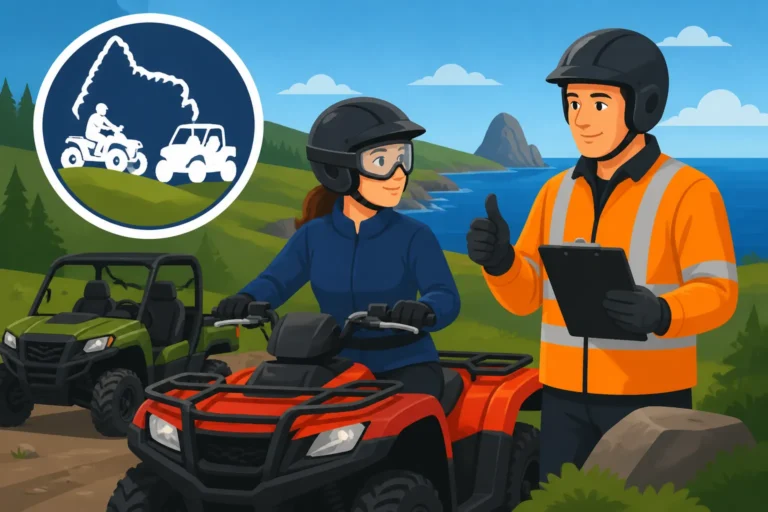
- Proper Training: Completing an approved safety course is not just a good idea, it's often legally required, especially for younger riders or first-time registrants. [Newfoundland Safety Training Is Mandatory] for many.
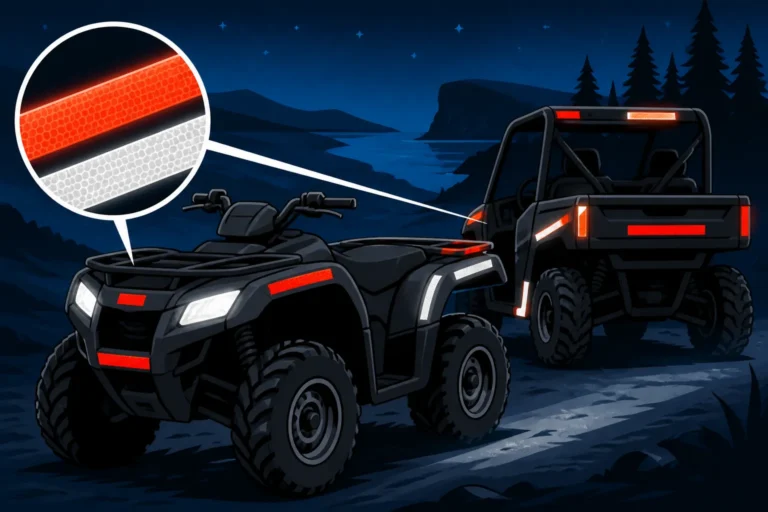
- Wearing Appropriate Gear: A good helmet, eye protection, sturdy boots, and gloves are non-negotiable. [Newfoundland Equipment Requirements] are in place for a reason.
- Knowing the Rules: Understanding where you can and cannot ride, adhering to speed limits, and respecting private property and environmental zones are all part of being a good ambassador for the sport.
- Riding Sober: Operating an ORV while impaired is incredibly dangerous and carries severe legal consequences, including significant fines and potential jail time. [Newfoundland Impaired Riding Penalties] are stringent.
While the $200,000 liability floor might seem like just another bureaucratic hoop to jump through, it's a vital safety net designed to protect individuals, families, and our wider community from unforeseen financial hardships. Understanding it, and ensuring you have adequate coverage, is a fundamental part of responsible ORV ownership in Newfoundland.
| Coverage Type | What it Covers | Newfoundland Minimum | Beyond the Minimum |
|---|---|---|---|
| Third-Party Liability | Damage to others' property, injury to others | $200,000 | $500,000 – $1,000,000+ |
| Collision | Damage to your own ORV in an accident | Not required | Varies |
| Comprehensive | Theft, vandalism, fire, natural disasters | Not required | Varies |
| Uninsured/Underinsured | Your damages if hit by an uninsured/underinsured rider | Not required | Varies |
| Accessories | Custom parts, gear, modifications (e.g., from SuperATV) | Not required | Varies (add-on) |
Disclaimer
This article is for general informational purposes only and does not constitute professional advice. Laws, prices and regulations vary by location and change over time. Consult a qualified professional for guidance on your specific situation.