Newfoundland Rules for Riding in Labrador
Riding your ATV or UTV in Labrador is an experience unlike almost any other, offering vast, untouched wilderness that can feel exhilarating and daunting all at once. However, the sheer scale and unique characteristics of Labrador mean that while the core provincial Off-Road Vehicles Act applies, the practicalities and some specific considerations for riders differ significantly from the island of Newfoundland. Many riders from away, and even some from the island, don't fully grasp these nuances, leading to confusion or unexpected challenges. This guide is here to unravel those specific Newfoundland rules for riding in Labrador, helping you prepare for a safe, responsible, and unforgettable adventure.
Understanding Labrador's Unique Riding Landscape
Labrador isn't just a part of Newfoundland and Labrador; it's a world unto itself. Its immense size, sparse population, and often extreme weather conditions create a distinct environment for off-road vehicle enthusiasts. What might be common practice on the Avalon Peninsula could be utterly impractical or even dangerous in the remote reaches of the Big Land.
The Vastness and Varied Terrain of Labrador
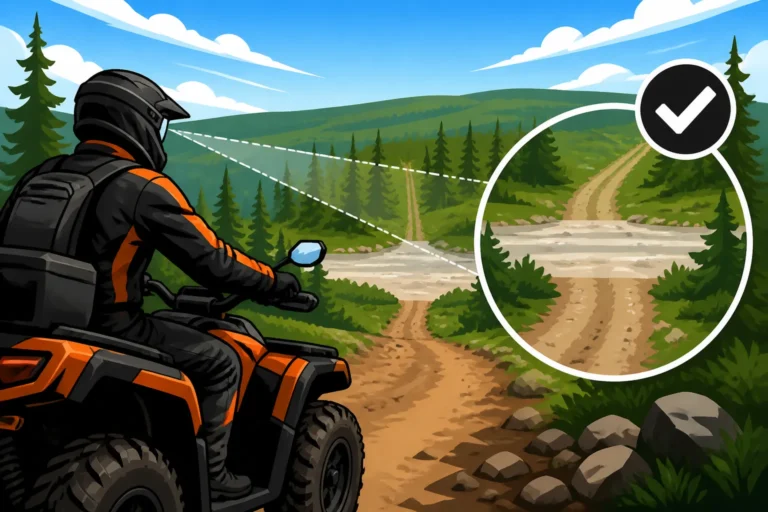
Imagine an area larger than many European countries, where settlements are hundreds of kilometres apart, and the landscape shifts dramatically from vast open barrens to dense boreal forest, rugged mountains, and countless lakes and rivers. This is Labrador. The terrain is often far more challenging and less maintained than many trails on the island. You're less likely to find organized, managed trail systems outside of specific community areas. Instead, much of your riding will be on old logging roads, hydro lines, traplines, or simply forging your own path across wide-open Crown land.
This raw, untamed nature means that while the spirit of off-road adventure is amplified, so too are the risks and the need for self-sufficiency. A breakdown far from any cell service or human settlement isn't just an inconvenience; it can quickly become a serious emergency. Understanding this fundamental difference in scale and infrastructure is the first step in preparing to ride responsibly in Labrador. It's not just about knowing the rules, but appreciating the environment that shaped them.
General Provincial Rules vs. Local Realities
The Newfoundland and Labrador Off-Road Vehicles Act is the foundational legislation for all ORV use across the entire province, including Labrador. This means requirements like vehicle registration, helmet laws, and age restrictions generally apply uniformly, whether you're riding near St. John's or in Happy Valley-Goose Bay. You can read more about [Newfoundland's Off-Road Vehicles Act] to get a general understanding. However, the application and enforcement of these rules, along with practical riding conditions, can vary significantly due to Labrador's unique geography and demographics.
For instance, while designated managed trails on the island often have clear signage and readily available information from trail operators, in Labrador, much of the riding happens on less formal routes. You might encounter situations where the spirit of the law, focused on safety and environmental protection, is paramount, even if the specific signs or infrastructure you'd expect on the island are absent. This isn't to say rules don't apply; rather, it's about exercising common sense and a heightened sense of responsibility in areas where immediate assistance might be hours or even days away. Always assume the provincial rules are in effect, but be prepared for a riding experience where self-reliance is key.
Key Regulatory Differences to Be Aware Of
While the majority of ORV regulations are consistent across the province, there are a few specific points where Labrador either has unique provisions or where the emphasis shifts. One of the most notable is regarding trail stickers and exemptions for specific Indigenous communities. The provincial government recognizes the unique relationship that Indigenous peoples, particularly in the Labrador Inuit Settlement Area, have with the land and traditional activities.
This means that while a managed trail sticker is generally required for provincially designated managed trails, there are exemptions for those who own land within or reside in the Labrador Inuit Settlement Area, or for Inuit businesses operating there. These exemptions acknowledge traditional land use and access rights. Beyond this, you'll find that many of the rules regarding Crown land access, while technically uniform, manifest differently in Labrador simply because there is vastly more accessible Crown land and fewer population centres to impose local restrictions. It's crucial to understand [Newfoundland Labrador Inuit Trail Exemptions] if you plan to ride within those specific regions, as it directly impacts your responsibilities.
Registration, Permits, and Access in Labrador
Getting your machine properly registered and understanding where you can legally ride are your first steps to a responsible and enjoyable off-road experience anywhere in Newfoundland and Labrador. For Labrador, while the fundamental process remains the same, the sheer scale of the land and specific local considerations add layers of importance.
Standard ORV Registration Across the Province
First things first: your ATV or UTV needs to be registered with Motor Registration Division, regardless of where in the province you intend to ride. This is a provincial requirement. The good news is that [Newfoundland ORV Registration You Pay Once] and it never expires for as long as you own the machine. This one-time fee covers you whether your primary residence is in Labrador City, Happy Valley-Goose Bay, or on the island. The process for [Newfoundland Registration for a Labrador Rider] is identical to that for someone on the island; you'll need proof of ownership, identification, and to pay the applicable fee.
This registration is crucial for tracking ownership, ensuring safety standards, and helping law enforcement identify vehicles. Without it, you’re riding illegally and could face significant fines. Make sure your registration document is always accessible when you’re out on the trails. It's a simple step that avoids a lot of headaches, especially if you're venturing into remote areas where an officer might be checking for compliance.
Trail Stickers and Specific Labrador Exemptions
Here's where Labrador has a specific carve-out from the general provincial rule. While the province generally requires a managed trail sticker for riding on designated, managed trails (often maintained by organizations like the Newfoundland and Labrador Snowmobile Federation), the situation is different for certain areas in Labrador. Specifically, residents and those who own land within the Labrador Inuit Settlement Area, or Inuit businesses operating there, are exempt from needing a managed trail sticker. This is a significant consideration and reflects the unique governance and land use patterns in that region.
For riders outside of these specific exemptions, or those using managed trails in other parts of Labrador, a trail sticker might still be required. It’s always best to check with local trail operators or community governments for the most current information if you plan to use specific groomed or maintained trails. The general rule regarding [Newfoundland Managed Trail Stickers] is that they contribute to trail maintenance and infrastructure, but the province wisely made exceptions where traditional land use is paramount. If you're unsure, it's always safer to err on the side of caution and inquire locally.
Navigating Crown Land and Community Access
Labrador is characterized by its immense tracts of Crown land, which form the backbone of its off-road riding opportunities. The general provincial rules for [Newfoundland Crown Land Riding Rules] apply, meaning you can typically ride on unposted Crown land, but there are important caveats. Respect for the environment, wildlife, and existing infrastructure is paramount. This includes avoiding sensitive ecological areas, wetlands, and caribou migration routes, which are especially critical in Labrador.
While the vastness of Crown land offers unparalleled freedom, riders must also be mindful of private land holdings, cabins, and municipal boundaries. Even in remote areas, there can be parcels of private land, and riding on them without permission is trespassing. [Newfoundland Municipal Road Bylaws] can also impact where you can ride within or near communities, often restricting ORV access on paved roads or within town limits to specific crossing points or shoulder access. Always plan your route, consult maps, and if in doubt about a specific area, seek local advice from residents or community offices. The freedom of Labrador's wilderness comes with the responsibility of informed and respectful riding.
| Feature / Rule | Island of Newfoundland (General) | Labrador (Specific Considerations) |
|---|---|---|
| ORV Registration | Mandatory, one-time fee. | Mandatory, one-time fee. Same process. [Newfoundland Registration for a Labrador Rider] applies. |
| Managed Trail Sticker | Generally required for managed trails. | Exemptions for residents/landowners in Labrador Inuit Settlement Area. Check local rules elsewhere. |
| Crown Land Access | Permitted on unposted Crown land, with environmental caveats. | Vast, common riding area. Heightened awareness for remote conditions, wildlife. [Newfoundland Rules for Riding Crown Land]. |
| Municipal Bylaws | Varies by municipality, often restricts road/town access. | Fewer municipalities, but still important to check near communities like Happy Valley-Goose Bay, Labrador City. |
| Fire Season | May 1 – September 30. | Mid-May – September 30. Often starts two weeks later. [Newfoundland Fire Season Dates] are crucial. |
| Remote Travel Preparation | Recommended for longer rides. | Absolutely essential due to vast distances, limited services, and extreme weather. |
Safety, Equipment, and Environmental Considerations for Labrador Riding
Riding in Labrador is an adventure that demands respect for the environment and a strong emphasis on safety. The remoteness and often extreme conditions mean that simply knowing the rules isn't enough; you also need to be adequately prepared.
Preparing for Remote Riding Conditions
When you're hundreds of kilometres from the nearest town or even a gravel road, preparation isn't just a suggestion, it's a necessity. Unlike some more developed trail systems on the island, a breakdown in Labrador could mean a multi-day wait for rescue or even a walk out. This means your machine needs to be in top mechanical condition, and you need to carry a comprehensive toolkit and spare parts. Think about what could break and what you need to fix it: tire repair kits, extra fuel, a drive belt, and essential tools are a must. Many riders, especially those pushing their machines through Labrador's challenging terrain, turn to aftermarket parts from companies like SuperATV for enhanced durability and performance, knowing that reliability is key when you're far from any mechanic.
Beyond your machine, personal survival gear is critical. A satellite communication device (like a SPOT device or satellite phone) is non-negotiable, as cell service is non-existent in vast areas. Pack enough food, water, and emergency shelter for an unexpected overnight stay. Navigation is also paramount; GPS devices loaded with topographic maps are far more reliable than phone apps. Always let someone know your detailed route and expected return time. This level of planning is what makes a Labrador trip an adventure, not a disaster. You might also want to consult [Newfoundland Riding Season and Weather] for general insights into what to expect across the year.
Fire Season and Environmental Responsibilities
Labrador's immense forests and dry barrens mean that fire season is taken very seriously, and for good reason. A single spark can ignite a massive wildfire that devastates thousands of acres, threatens communities, and impacts wildlife. While [Newfoundland Fire Season Dates] generally run from May 1 to September 30 on the island, Labrador's season often starts a bit later, typically mid-May to September 30. However, conditions can vary greatly, and extreme fire hazard warnings can lead to complete bans on off-road vehicle use in certain areas or during specific periods.
It is your responsibility to check current fire hazard ratings and any provincial or local burning bans before every ride. You can often find this information through provincial government websites or local forestry offices. Beyond avoiding fires, riders must practice Leave No Trace principles: pack out everything you pack in, stay on existing trails or choose routes that minimize environmental impact, and avoid sensitive areas like wetlands or caribou calving grounds. The pristine beauty of Labrador is a privilege to experience, and it's up to every rider to preserve it.
Essential Gear and Machine Modifications for Labrador
Given the ruggedness and remoteness, your standard trail machine might need a few upgrades for a Labrador adventure. [Newfoundland Equipment Requirements] dictate basic safety gear like helmets, but for Labrador, you'll want more. Heavy-duty tires with aggressive tread are often necessary to tackle rocky sections, mud, and soft bog. Skid plates and A-arm guards are highly recommended to protect your undercarriage from sharp rocks and stumps. A winch is practically a necessity for self-recovery or helping fellow riders out of sticky situations; SuperATV, for instance, offers robust winch systems designed for exactly these kinds of demanding conditions.
Consider extra lighting for early mornings or late evenings, as daylight hours can vary dramatically with the seasons, and visibility can drop quickly in fog or snow. A reliable cooler to keep food and water safe is also important, as is a robust mounting system for carrying extra fuel cans. For those planning to cross water, a snorkel kit might be a smart investment. Think of your machine not just as a recreational vehicle, but as a critical piece of survival equipment when you're deep in the Labrador wilderness.
Riding Etiquette and Enforcement in Labrador
Riding in Labrador isn't just about following the letter of the law; it's also about understanding the spirit of the land and respecting those who live there. Enforcement, while perhaps less frequent in vast, remote areas, can still happen, and officers are well-versed in the unique challenges of the region.
Respecting Local Communities and Wildlife
Labrador's communities are often small, close-knit, and deeply connected to their land and traditions. When riding near or through these communities, it's crucial to be a respectful guest. This means slowing down, keeping noise levels to a minimum, and being mindful of residents and children. Avoid riding through private property without explicit permission. The goodwill of local communities is essential for continued access to trails and riding areas.
Wildlife encounters are also far more common in Labrador than on the island. You might come across moose, caribou, bears, and other animals. Always give wildlife a wide berth, never pursue or harass animals, and be extra cautious during migration seasons or when animals might be more agitated, such as bears with cubs. Remember that your machine can cover ground much faster than many animals, making sudden encounters dangerous for both you and the wildlife. Understanding and adhering to [Newfoundland Rules for Carrying a Firearm] is also critical if you are hunting or trapping, ensuring you are compliant with all relevant laws regarding transportation of weapons on your ORV.
What to Expect from Enforcement Agencies
While you might not see a peace officer on every trail in remote Labrador, enforcement does occur. The Royal Canadian Mounted Police (RCMP), along with provincial wildlife and forestry officers, have the authority to enforce the Off-Road Vehicles Act and other relevant provincial statutes. These officers are often very familiar with local riding patterns and problem areas. They can issue tickets for violations such as unregistered machines, helmet infractions, or unsafe operation, and they also have the power to seize machines in certain circumstances, particularly for impaired riding. You should always be prepared to produce proof of registration, and if applicable, proof of training or a managed trail sticker, if requested.
The vast distances in Labrador mean that if you encounter an officer, they've likely made a significant effort to be there, and they're usually there for a reason – either a specific patrol or responding to a complaint. Co-operating fully and respectfully is always the best approach. It's also wise to be aware of [Newfoundland Impaired Riding Penalties], which are severe and uniformly applied across the entire province, regardless of how remote your location.
Planning Your Trip and Staying Informed
A successful and responsible Labrador riding trip begins long before you put the key in the ignition. Thorough planning, open communication, and staying informed are your best defenses against unforeseen challenges. Before you leave, check local weather forecasts, fire bans, and any temporary trail closures. Contact local tourism offices or community councils in the areas you plan to visit, as they can provide valuable insights into local conditions, bylaws, and recommended routes.
Always have a detailed map, a GPS device, and a plan B for emergencies. Pack a first-aid kit, emergency shelter, and sufficient supplies. For those bringing machines from outside the province, it's also important to understand [Newfoundland Rules for an Out-of-Province Machine], as you may be subject to a 30-day registration requirement if you're staying longer than a casual visit. Embrace the adventure that Labrador offers, but do so with the utmost respect for its scale, its people, and its wild beauty.
Disclaimer
This article is for general informational purposes only and does not constitute professional advice. Laws, prices and regulations vary by location and change over time. Consult a qualified professional for guidance on your specific situation.