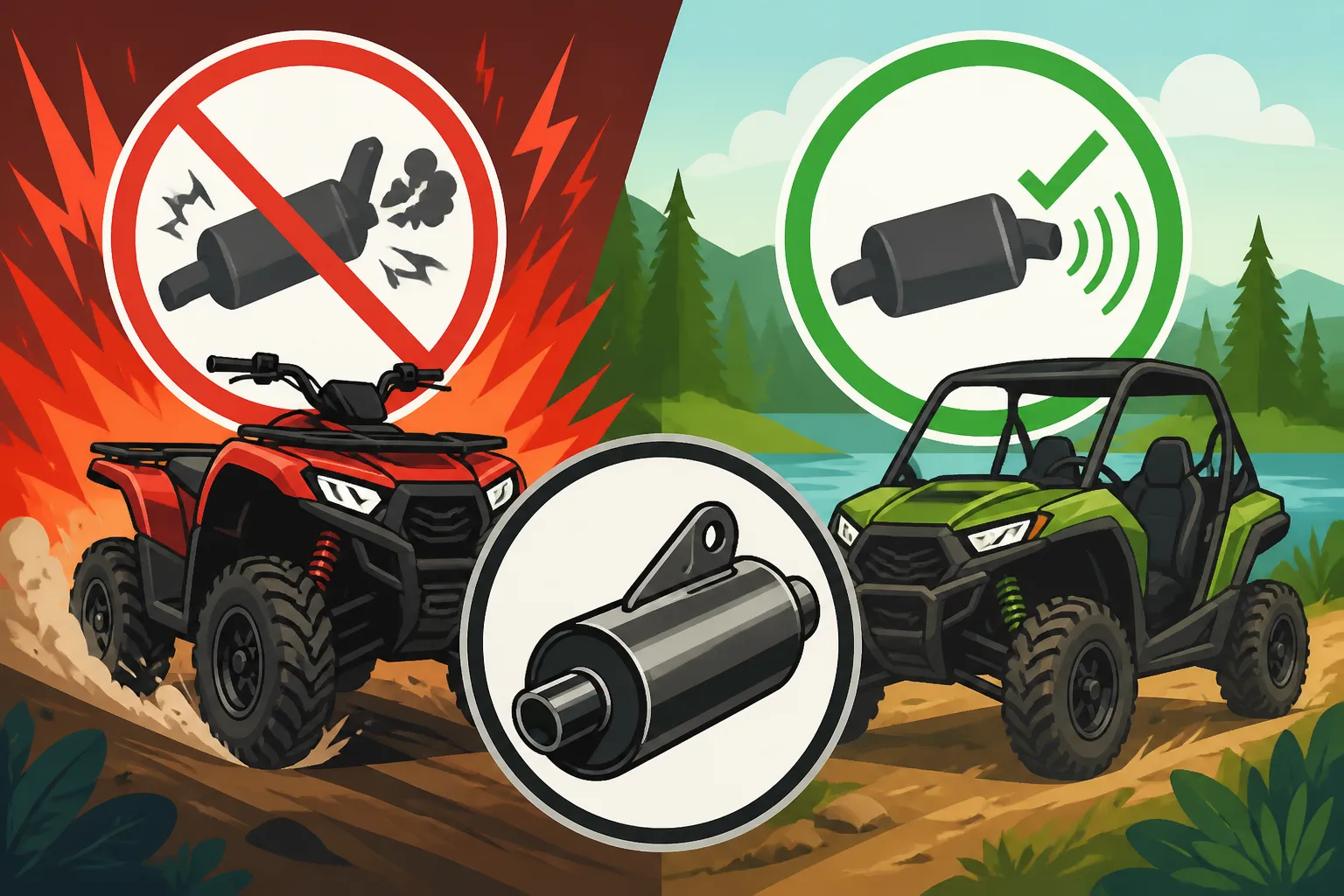
Newfoundland Muffler and Noise Rules
There's nothing quite like the freedom of hopping on your ATV or UTV and hitting the trails, feeling the wind, and exploring the incredible landscape of Newfoundland. But let's be honest, the roar of an engine can be a contentious topic, and many riders worry about falling afoul of the law, or worse, annoying their neighbours or disturbing wildlife. It's a real frustration trying to balance performance, personal preference, and staying within the legal lines. This guide aims to clear up the confusion around Newfoundland's muffler and noise regulations, so you can ride with confidence and peace of mind, knowing your machine is compliant.
Understanding Newfoundland's Approach to ORV Noise
When you're out on your machine, the last thing you want is a stop from an enforcement officer because of your exhaust system. It's not just about the volume; it's about how that sound impacts the environment around us. Newfoundland's regulations are designed to ensure that while we enjoy our off-road adventures, we're also being responsible members of the community and good stewards of our natural spaces.
Why Muffler Rules Exist: Beyond Just Annoyance
It's easy to think that muffler rules are just there to stop loud machines from bothering people, but there's a lot more to it. Excessive noise can disrupt the peace and quiet of residential areas, yes, but it also has a significant impact on wildlife. Think about how a sudden loud noise might startle animals, affecting their feeding patterns or migration routes. Then there's the environmental aspect – poorly maintained or modified exhaust systems can sometimes be less efficient, leading to increased emissions. For us riders, it's about being able to enjoy our passion without creating unnecessary conflict with other trail users, property owners, or the natural world. [Newfoundland Noise Complaints About Quads] are often the catalyst for stricter enforcement, so understanding why these rules exist helps us all be better advocates for our sport.
The Core Rule: Mufflers and Exhaust Systems
The cornerstone of Newfoundland's noise regulation for off-road vehicles is found within the Off-Road Vehicles Act. It’s pretty straightforward: your machine must have a muffler that is "unmodified and in good working order." This seemingly simple statement carries a lot of weight. It means that the exhaust system installed by the manufacturer when your machine was new is generally what's considered compliant. It also implies that this system should be free from defects, holes, or damage that would make it louder than its original design. The Act isn't specifically about a decibel limit, which can be tough to measure out on a trail. Instead, it focuses on the condition and integrity of the system itself. If your muffler is rusting through, has a loose baffle, or has been tampered with, you're likely running afoul of the regulation. [Newfoundland Muffler and Noise Rules] are designed to keep things consistent and predictable for enforcement.
The Problem with Aftermarket Exhausts and Modifications
Ah, the siren song of aftermarket exhaust systems! Many riders are tempted by the promise of increased horsepower, a lighter setup, or simply a "throatier" sound. It's a common desire to customize and enhance your machine. However, this is where many riders inadvertently cross the line into non-compliance. While some aftermarket mufflers are designed to meet or even exceed original equipment manufacturer (OEM) noise standards, many are explicitly designed to be louder.
The issue isn't always the intent of the rider, but the outcome. What might sound "good" to you on the trail could be interpreted as excessive noise by someone else, or more importantly, by an enforcement officer. Even seemingly minor modifications, like drilling holes in a baffle, removing internal packing, or installing a "cut-out" system, can significantly alter the sound profile of your machine and render it illegal under the Act. It's a fine line, and often, the desire for a different sound can lead to unexpected fines and hassle. [Gases Cooled and Expelled Quietly] are what the Act expects, not a booming roar that echoes across the barrens.
What the Law Says About Your ORV's Exhaust System
Let's dive a little deeper into the specific wording that governs your ORV's exhaust system. It's crucial to understand these details because a simple misunderstanding could lead to a ticket, or worse, your machine being impounded. The rules are there to maintain a certain standard of operation across the province, ensuring a level playing field for all riders and protecting the shared environment.
"Unmodified and in Good Working Order": Deciphering the Regulation
This phrase is central to Newfoundland's Off-Road Vehicles Act when it comes to exhaust systems. When the Act states that an ORV's muffler must be "unmodified and in good working order," it sets a clear expectation. "Unmodified" means that the exhaust system should be as it was designed and installed by the manufacturer. This isn't just about deliberately hot-rodding your machine; it can also refer to accidental changes. For instance, if you've had a branch poke a hole in your muffler, or if corrosion has eaten away at the seams, that constitutes a system no longer in "good working order." The aim is for the machine to operate at its intended sound level, which generally means the quietest possible for its design.
This also means that if you replace your muffler, the replacement should ideally be an OEM part or an aftermarket part specifically designed to replicate the original sound characteristics. Simply bolting on the loudest option available is a gamble, and often a losing one, if you encounter enforcement. [Newfoundland Equipment Requirements] dictate that your machine must adhere to these standards, among others, to be legally ridden.
The Ban on "Cut-Out" Exhausts and Altered Systems
This is where the law gets very specific and leaves little room for interpretation. The Act explicitly prohibits "cut-out" exhausts or any device that allows the muffler to be bypassed. A "cut-out" is essentially a valve or mechanism that, when opened, sends exhaust gases directly into the atmosphere without passing through the sound-dampening baffles and packing of the muffler. Riders might install these to get a louder sound for show, or perhaps for perceived performance benefits, but they are unequivocally illegal.
Beyond explicit cut-outs, any alteration to the original exhaust system that increases its noise output is also considered a violation. This could include removing internal baffles, drilling holes in the muffler casing, or any other modification designed to make the exhaust louder. The intent of these prohibitions is to prevent machines from being deliberately made louder than their factory specifications. An officer seeing or hearing such a system will have no doubt that your machine is non-compliant. [Cut-Out Exhausts Draw Fines From $250 Up] highlight the seriousness of these particular infractions.
Penalties for a Defective or Modified Muffler
Being caught with a non-compliant muffler isn't just a slap on the wrist. Enforcement officers have the authority to issue tickets and impose significant fines. The exact amount can vary depending on the severity of the infraction and whether it's a first offense or a repeat issue. While I can't give specific dollar figures, know that these fines are designed to be a deterrent and can certainly put a dent in your riding budget.
Beyond the monetary penalty, there can be other consequences. In some cases, an enforcement officer might order that you cannot operate the machine until the muffler is repaired or replaced to meet the standards. In more extreme or repeated cases, your off-road vehicle could even be seized. Imagine your machine being towed away, leaving you stranded, and then having to pay not only the fine but also impoundment fees to get it back. It's a scenario every rider wants to avoid. That's why understanding and adhering to [Newfoundland Fines for a Defective Muffler] and other penalties is so important. [What an Officer Can Ask You to Produce] on the trail includes checking your machine for compliance with these rules.
Practical Tips for Staying Compliant and Riding Responsibly
It's one thing to know the rules, and another to consistently follow them. For us riders, taking proactive steps can save a lot of headaches, avoid fines, and foster a better relationship with communities and other trail users. A little common sense and regular attention to your machine go a long way.
Regular Maintenance and Inspection
One of the simplest and most effective ways to ensure your ORV remains compliant with noise regulations is through regular maintenance and inspection of your exhaust system. Mufflers, especially on off-road vehicles that face harsh conditions, can rust, crack, or develop leaks over time. A small pinhole can quickly become a larger issue, leading to an increase in noise. Make it a habit to visually inspect your muffler and exhaust pipes before and after rides. Look for any signs of damage, loose connections, or corrosion.
Listen to your machine! If it suddenly sounds louder than usual, or if you hear rattling, hissing, or sputtering from the exhaust, it's a clear indicator that something isn't right. Address these issues promptly. A simple repair, like tightening a clamp or patching a small hole, can prevent a minor problem from turning into a costly ticket. Remember, "in good working order" means everything is functioning as it should, without preventable defects.
Choosing Aftermarket Parts Wisely
Sometimes, a muffler needs replacing due to wear and tear, or perhaps you're looking to upgrade certain components. If you find yourself in this situation, the key is to choose aftermarket parts wisely. It's not about avoiding aftermarket parts altogether, but about making informed decisions. Look for products that explicitly state they are designed to meet or exceed OEM noise regulations for your specific ORV model.
Some reputable brands, like SuperATV, offer a range of aftermarket accessories, and while they might focus on performance or durability, they also often provide options that keep noise levels in check. For example, if you're replacing a damaged exhaust, look for a SuperATV exhaust system that is designed as a direct, sound-compliant replacement. It's crucial to read product descriptions carefully and, if in doubt, ask the retailer or manufacturer about the sound output. Prioritize compliance over pure volume. Investing in a quality, quiet-compliant muffler might cost a bit more upfront, but it's a lot cheaper than a fine and the frustration of being deemed non-compliant.
Listening to Your Machine (and Your Neighbours)
Beyond the technical aspects, a significant part of staying compliant is developing an awareness of your machine's sound and its impact. If you think your ORV sounds "too loud" or significantly different from other similar machines, trust your gut. Your ears are often the best first line of defense against accidentally breaking noise rules.
Furthermore, consider your surroundings. When you're riding near residential areas, cabins, or popular hiking trails, reducing your speed and avoiding aggressive throttle use can dramatically decrease your machine's perceived noise level. It’s all about being a good neighbour and showing respect for others who are also trying to enjoy the outdoors. Excessive noise can quickly lead to [Newfoundland Noise Complaints About Quads] which in turn can lead to increased enforcement and even stricter local bylaws. Your behaviour on the trail can be just as impactful as the muffler on your machine.
Beyond the Muffler: Other Noise Considerations
While the muffler is often the primary focus of noise regulations, it's important to understand that the provincial Act isn't the only source of rules you need to consider. Local communities and general riding etiquette play a significant role in how your machine's noise is perceived and regulated.
Municipal Bylaws and Local Restrictions
This is a crucial point that many riders overlook. While the Off-Road Vehicles Act sets province-wide standards for your machine's equipment, individual municipalities in Newfoundland and Labrador have the power to enact their own bylaws. These local rules can often be more restrictive than provincial legislation when it comes to noise. A town might have specific curfews for ORV operation, designating certain hours where riding is prohibited or heavily restricted, especially within town limits or near residential areas.
They might also have bylaws that set actual decibel limits, or define what constitutes "unreasonable noise," even if your muffler is technically compliant with the provincial Act. What's perfectly fine on a remote logging road might be a serious infraction if you're cutting through a small town. Always do your homework if you plan to ride near or through communities. Checking for [Newfoundland Municipal Road Bylaws] before you go can save you a lot of grief. Many towns have specific areas where ORVs are permitted, and others where they are strictly forbidden to minimize noise impact on residents.
Riding Etiquette and Avoiding Complaints
Ultimately, a significant portion of noise compliance comes down to common sense and good riding etiquette. Even with a perfectly legal and quiet muffler, aggressive riding can create excessive noise. Things like constantly revving your engine, performing burnouts, or driving at high speeds through sensitive areas will generate noise and draw unwanted attention.
Think about how your riding style impacts those around you. If you're riding past cabins, fishing camps, or even just other groups on the trail, ease off the throttle, maintain a steady, slower pace, and reduce your engine noise. Avoid riding at very early or very late hours, especially near populated areas. Being considerate goes a long way in fostering positive relationships between riders and non-riders. The goal is to enjoy your sport without being a nuisance. This proactive approach helps prevent [Newfoundland Noise Complaints About Quads] from reaching the authorities, which benefits the entire riding community by preserving access to trails and areas.
ORV Muffler and Noise Compliance: Do's and Don'ts
To wrap things up, here's a quick reference table outlining the key do's and don'ts when it comes to your ORV's muffler and noise levels in Newfoundland.
| Action | Do | Don't |
|---|---|---|
| Muffler Condition | Regularly inspect your muffler for damage, rust, or leaks. | Ignore rattles, hisses, or obvious holes in your exhaust system. |
| Aftermarket Parts | Choose replacement parts that are OEM compliant or specifically designed for quiet operation. | Install "cut-out" exhausts or modify your muffler to be louder than stock. |
| Riding Style | Be mindful of your throttle usage, especially near residential areas, cabins, or other trail users. | Rev your engine excessively, drive aggressively, or make unnecessary noise. |
| Local Regulations | Check municipal bylaws for noise ordinances, curfews, or restricted areas before riding. | Assume provincial rules are the only ones that apply; local bylaws can be stricter. |
| Maintenance | Ensure your entire exhaust system is "in good working order" at all times. | Ride with a damaged or unmaintained exhaust system that creates excessive noise. |
| Community Relations | Aim to be a good neighbour and ambassador for the sport by minimizing your noise impact. | Create noise disturbances that lead to complaints from residents or other recreational users. |
| Ignorance of the Law | Educate yourself on the Off-Road Vehicles Act and local bylaws regarding noise. | Claim ignorance of the law if stopped by an enforcement officer; it won't prevent a fine. |
Disclaimer
This article is for general informational purposes only and does not constitute professional advice. Laws, prices and regulations vary by location and change over time. Consult a qualified professional for guidance on your specific situation.