Newfoundland Rules for Riding a Barren
There’s nothing quite like the call of Newfoundland’s vast barrens for an ATV or UTV rider. That feeling of wide-open space, the incredible views, and the sense of freedom can be absolutely captivating. But let's be real, those awe-inspiring landscapes also hide a maze of unspoken rules, environmental sensitivities, and real dangers that can turn an epic ride into a frustrating or even costly experience if you’re not prepared. This guide is here to untangle the complexities of riding Newfoundland's barrens, helping you understand the regulations, prepare your machine, and ride responsibly so you can truly enjoy this unique wilderness without a hitch.
What Exactly Are Newfoundland's Barrens for an ORV Rider?
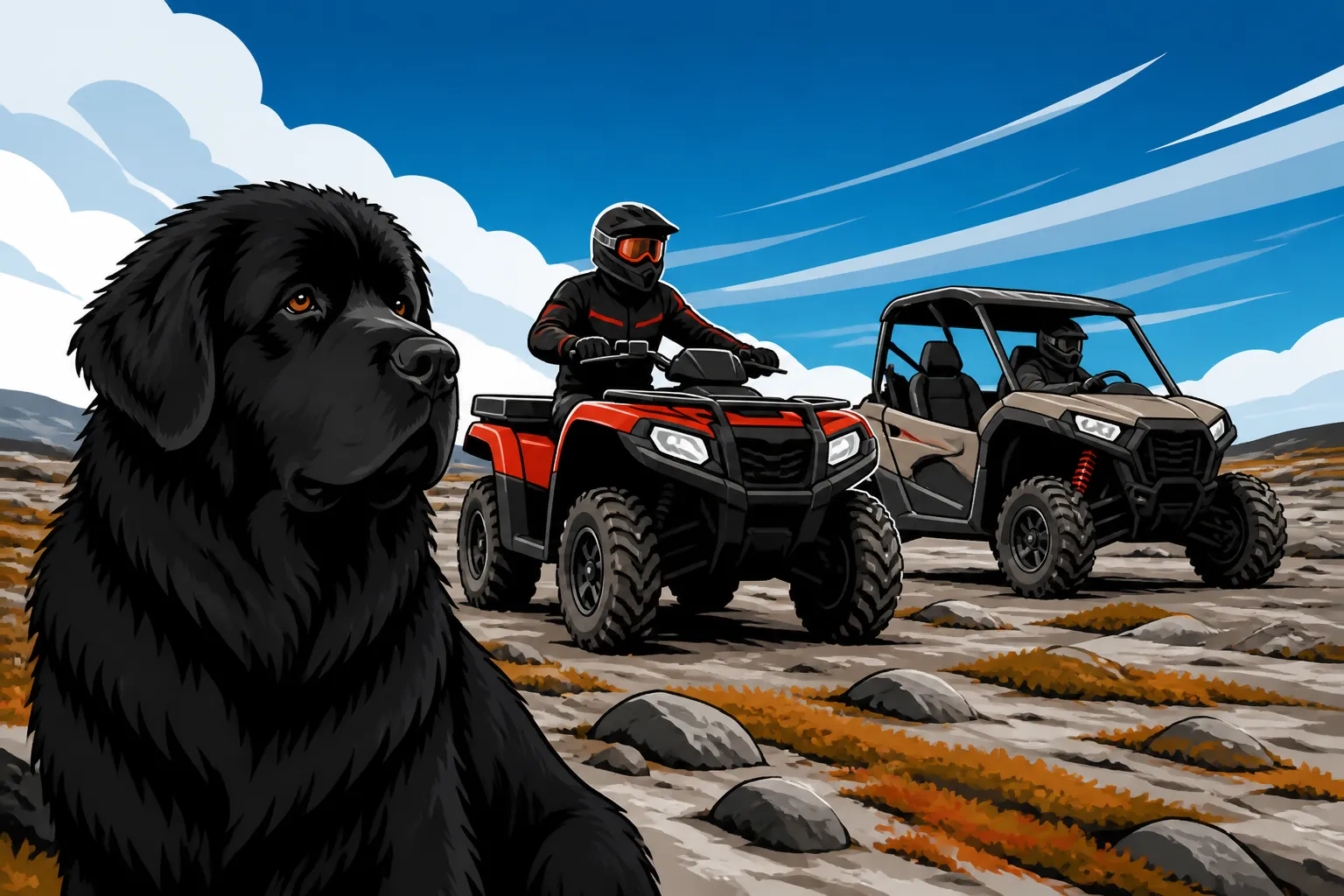
When we talk about "the barrens" in Newfoundland, it's more than just an open field. It evokes a specific type of landscape: vast, treeless, often exposed, and characterized by low-lying vegetation like mosses, lichens, and hardy shrubs. Think of it as the island's natural carpet, frequently punctuated by bogs, marshy areas, rocky outcrops, and countless ponds and brooks. For an off-road vehicle (ORV) rider, this means a unique set of challenges and responsibilities. It’s not a groomed trail system, and that's where many riders find themselves unprepared for the reality of the terrain.
The Unique Terrain of the Barrens
The terrain on the barrens is famously unpredictable. One minute you could be gliding over relatively firm, mossy ground, and the next you’re sinking into a soft bog that looks deceptively solid. This isn't just a minor inconvenience; it can lead to getting stuck deep, damaging your machine, or even risking injury. You'll encounter areas with loose, rocky scree that can be tough on tires and suspension, and other spots where smooth, rounded glacial rocks can make for a bumpy, jarring ride. Rivers and brooks crisscross these landscapes, often requiring careful crossings or detours. Understanding these nuances is crucial before you even think about dropping your machine into gear. It's not just about having a powerful machine; it's about respecting the ground you're on and knowing its hidden dangers.
Understanding the Ecology and Fragility
The seemingly rugged appearance of the barrens can be deceiving; these ecosystems are incredibly fragile. The slow-growing mosses and lichens can take decades, sometimes centuries, to recover from tire tracks, especially if deep ruts are formed. This isn't just an aesthetic issue; it can lead to erosion, impact water flow, and destroy habitats for small animals and migrating birds. Caribou, for instance, often traverse these open areas during their seasonal migrations, and disturbing their routes or feeding grounds can have significant consequences. [Newfoundland Caribou Migration Protection] is a very real concern for riders. This fragility is a huge part of why respecting regulations, staying on approved paths where they exist, and treading lightly is so vital. It's not about preventing fun, it's about preserving these incredible places for future generations of riders and nature lovers alike.
Navigating the Rules: Crown Land, Private Land, and Protected Areas
The biggest hurdle for many riders venturing onto the barrens is understanding where they're actually allowed to ride. Unlike a designated trail system, the barrens are a mix of Crown land, privately owned parcels, and sometimes even federally or provincially protected areas, all with different rules. Getting this wrong can lead to fines, machine seizure, or even getting charged with trespassing. It’s definitely not a place for 'winging it' when it comes to legal access.
Crown Land Access and Restrictions
A large portion of Newfoundland's barrens is Crown land, meaning it's public land managed by the provincial government. Generally, ORVs are permitted on Crown land, but there are significant caveats. You need to be aware of [Newfoundland Crown Land Riding Rules]. For example, riding within 30 metres of a water body can be restricted or prohibited in certain areas to prevent environmental damage. Wetlands, even those that appear dry at the surface, are particularly sensitive, and riding through them can lead to significant environmental impact and fines. While a good set of high-clearance A-arms from a brand like SuperATV might help you clear some obstacles, they don't give you a free pass to ignore environmental regulations regarding wetlands. There are also specific restrictions around areas like municipal water supplies or designated wilderness reserves. Always check provincial maps and regulations before heading out, especially if you're exploring a new area of the barrens.
Private Land and Trespass Laws
Just because a piece of barren land looks undeveloped and remote doesn't mean it's not privately owned. Many large tracts of barren land are indeed private property, often owned by forestry companies, individuals for cabin access, or other commercial interests. Riding on private land without explicit permission from the landowner is trespassing, plain and simple. This can lead to confrontations, fines, and legal action. It's not enough to assume; you must know. If you’re unsure, the best practice is to err on the side of caution and find out who owns the land. Sometimes, landowners will post signs, but often they won't, especially in very remote areas. Before you head out, consult property maps, or if you're riding to a cabin, ensure you understand the access rights for your specific property and any adjacent lands you might cross. Ignoring this rule is a classic mistake that can quickly turn a fun day into a headache.
Restricted and Protected Areas
Beyond Crown and private land, some sections of the barrens fall under more stringent protections. National parks, like Gros Morne National Park, generally prohibit ORV use off designated highways, if at all. [Gros Morne Bans Machines in Newfoundland]. Provincial parks and wilderness reserves also have strict rules, often banning ORVs entirely or limiting them to specific, marked access routes. Even within Crown land, there might be specific areas designated as "restricted" due to caribou migration routes, sensitive nesting grounds, or unique botanical zones. Riding in these areas, even unintentionally, can result in hefty fines and potential machine confiscation. It’s absolutely critical to consult provincial and federal maps and regulations to identify any such protected areas in your planned riding zone. Ignorance of these boundaries is not a valid defense if you're caught. This is where planning your route thoroughly before you even load your machine is essential.
Essential Gear and Techniques for Barren Riding
Riding the barrens isn't like cruising a well-maintained railbed. It demands a different level of preparation, both for your machine and for yourself. The remoteness and challenging terrain mean you need to be self-sufficient and ready for anything.
Machine Preparation and Modifications
Your ATV or UTV needs to be in top shape before tackling the barrens. First and foremost, proper maintenance is critical – fresh oil, good brakes, and a fully charged battery are non-negotiable. Beyond that, consider some specific modifications. Skid plates are almost a necessity to protect the underside of your machine from hidden rocks and stumps. Brands like SuperATV offer robust skid plate options that can save you a lot of grief (and money) in the long run. Good tires, perhaps with a more aggressive tread pattern, will provide better traction in mud and over rocks. A winch is practically mandatory; getting stuck in deep bog far from any other help is a common scenario, and a winch could be your only way out. [Winching a Machine Out of Deep Bog] is a skill you should know before you need it. Carrying spare belts, a tire repair kit, and basic tools can also be a lifesaver. Ensure your lighting is adequate, especially if you anticipate being out near dusk or after dark, as visibility can drop rapidly.
Safety Equipment and Emergency Supplies
Given the remoteness, your personal safety gear and emergency kit are paramount. A properly fitted helmet meeting Canadian CSA or equivalent standards is not just a legal requirement but a life-saver. [Newfoundland Helmet Law for Every Rider]. Eye protection, like goggles, is also essential. Beyond that, think about what you’d need if you broke down or got stuck overnight. A reliable GPS device or a satellite messenger is crucial, as cell service is often non-existent. A good first-aid kit, emergency shelter (even a sturdy tarp), fire-starting supplies, a knife, and extra food and water are non-negotiables. Layered clothing appropriate for rapidly changing Newfoundland weather, rain gear, and warm spare clothes are vital, even on a sunny morning. Tell someone your route and expected return time. This isn't just about being cautious; it’s about being realistic about the risks of a remote wilderness.
Riding Techniques for Tricky Terrain
Riding on the barrens requires a different skill set than trail riding.
- Reading the Terrain: Learn to 'read' the ground. Dark, green, lush patches often indicate soft bog. Lighter, drier moss might be firmer. Watch for water seeping through vegetation. Look ahead for potential hazards like large rocks or sudden drops.
- Slow and Steady: Momentum is often your friend in soft sections, but speed can be your enemy on uneven, rocky ground. Slow, controlled movements are key to preventing rollovers and maintaining traction.
- Crossing Water: When crossing brooks or shallow ponds, assess the depth and bottom conditions first. Go slow, maintain a steady throttle, and avoid sudden turns. Be mindful of your machine's wading depth, and if it looks too deep, don't risk it.
- Group Riding: Whenever possible, ride with at least one other machine. This significantly increases your safety margin for recovery if someone gets stuck or has a breakdown. Always maintain visual contact with your group.
- Environmental Awareness: Stick to existing tracks where possible to avoid creating new ruts. If you absolutely must go off-track, spread out your tires to minimize impact on vegetation. Avoid spinning your tires excessively, especially in wet areas, as this can quickly churn up sensitive ground.
| Terrain Type | Challenges for Riders | Recommended Gear/Technique |
|---|---|---|
| Soft Bog/Wetlands | Machine sinking, getting stuck, environmental damage | Aggressive tires, winch, go slow & steady, avoid if possible |
| Rocky Outcrops | Machine damage (frame, suspension), loss of control | Skid plates (e.g., SuperATV), slow speed, careful line choice |
| Loose Scree | Loss of traction, tire damage | Good tread, low gear, maintain balance, careful throttle |
| Brooks/Ponds | Unknown depth, slippery bottom, water ingress | Assess depth/current, steady throttle, check machine's wading limits |
| Dense Shrubs/Tuckamore | Getting snagged, obstructed view, machine damage | Full-body armour, protective guards, slow pace, sharp visibility |
Environmental Responsibility and Sustainable Riding
Riding the barrens isn't just about following rules; it's about being a responsible steward of the land. Our access to these incredible places depends entirely on how we treat them. Ignoring environmental principles not only damages the ecosystem but can also lead to stricter regulations and even outright bans for all riders.
Minimizing Your Impact on the Ecosystem
Every rider has a role to play in protecting the barrens. The golden rule is "leave no trace." This means packing out everything you pack in, including all trash, broken parts, and anything else that doesn't naturally belong there. Avoid disturbing wildlife; keep your distance, especially during nesting or calving seasons. Do not cut down live trees or shrubs for firewood or to clear paths. Where possible, stick to existing trails or paths to prevent widening them or creating new ruts. If you encounter a particularly sensitive area, like a wetland, consider detouring rather than powering through, even if your machine could make it. These seemingly small actions collectively have a massive impact on the long-term health of the ecosystem. [Newfoundland Wetland Protection Rules] exist for a reason, and riders should take them seriously.
Reporting Damage or Illegal Activity
If you witness other riders causing excessive damage, riding in prohibited areas, or engaging in other illegal activities, it's important to report it. This isn't about snitching; it's about protecting the future of riding for everyone. Contact the provincial Department of Fisheries, Forestry and Agriculture, or local enforcement agencies. Documenting the incident with photos or video (if safe and legal to do so) can be helpful. Similarly, if you encounter significant environmental damage caused by others, reporting it can help authorities address the issue and prevent further harm. It’s about collective responsibility.
The Future of Barrens Riding
The future of riding on Newfoundland's barrens relies heavily on the responsible actions of today's riders. As the popularity of ORVs grows, so does the pressure on these delicate environments. By adhering to regulations, practicing low-impact riding techniques, and advocating for sustainable access, we can help ensure that these unique landscapes remain open and accessible for generations to come. This might even involve supporting organizations that work to maintain trails or educate riders on best practices. Riding the barrens is a privilege, not a right, and it’s up to all of us to ensure that privilege isn’t lost. [Newfoundland Crown Land Fines for Riders] are a stark reminder of the consequences of neglecting our responsibilities.
Disclaimer
This article is for general informational purposes only and does not constitute professional advice. Laws, prices and regulations vary by location and change over time. Consult a qualified professional for guidance on your specific situation.