Newfoundland Tire Chains Are Now Allowed
For years, if you rode an ATV or UTV in Newfoundland and Labrador, you knew the challenge of winter trails, slick ice, or deep, unforgiving mud. The thought of adding tire chains for extra grip was often met with a shrug or a sigh, as the rules around them felt ambiguous or outright prohibitive. Many riders simply avoided certain conditions or risked getting stuck, often wishing for a solution that was both effective and legal. Well, that frustration is now a thing of the past! This comprehensive guide is here to walk you through the exciting changes in the province's off-road vehicle regulations, confirming that tire chains are indeed now allowed, and what that means for your riding adventures across our beautiful, rugged landscape.
The Historical Context: Why Tire Chains Were Once a No-Go
For a long time, the use of tire chains on off-road vehicles like ATVs and UTVs in Newfoundland and Labrador was a murky area, leading to a lot of confusion and even some self-imposed restrictions among riders. It wasn't that there was a blanket ban on them, but rather a lack of clear guidance, combined with general concerns about potential damage to trails and other vehicles. This ambiguity meant that many riders erred on the side of caution, foregoing chains even when they could have significantly improved safety and capability in challenging conditions.
The Old Rules and Rider Frustration
In the past, regulations were often interpreted to mean that any modification that could cause excessive wear or damage to a shared trail or surface was frowned upon, if not explicitly prohibited. For riders facing icy inclines, bottomless mud, or heavy snow drifts, this was incredibly frustrating. Imagine trying to pull out a friend's stuck machine or simply navigate a particularly gnarly section of trail without the added bite of chains – it could turn a fun outing into a major headache, or even a recovery operation. The lack of an official "yes" meant many riders felt constrained, leaving their machines less capable than they could be in conditions where chains are practically essential. You might have heard whispers at the cabin, "Can we use chains now?" or seen folks debate it heatedly at the trailhead, all because the provincial guidance wasn't as clear as it needed to be.
This frustration was particularly acute during the colder months or after a heavy rain. Our province's varied terrain, from the coastal barrens to the interior bogs, can throw everything at a rider. Without chains, a simple winter run could become treacherous, especially on ice-covered logging roads or frozen river crossings. Many riders simply parked their machines or limited their adventures to easier routes, feeling that a valuable tool was being kept from them. The perceived prohibition felt like a barrier to enjoying the full potential of their machines year-round, especially when safety was a paramount concern.
Evolution of ORV Legislation in Newfoundland
The good news is that the provincial government has been actively working to modernize and clarify the rules governing off-road vehicles. The [Newfoundland's Off-Road Vehicles Act], which came into force in May 2022, was a significant step in this direction. This updated legislation aimed to bring greater clarity to many aspects of ORV use, addressing common questions and evolving the framework to better suit the needs of riders and the diverse environments they traverse. It was a comprehensive overhaul, replacing older statutes and bringing a fresh perspective to everything from registration to equipment requirements.
This evolution wasn't just about adding new rules; it was about refining existing ones and filling in the gaps that had caused so much confusion for years. The province listened to riders, clubs, and safety advocates, understanding that clearer regulations would lead to safer and more enjoyable riding for everyone. The shift towards explicitly allowing tire chains is a direct outcome of this legislative refinement, acknowledging the practical realities of off-road riding in Newfoundland and Labrador. It's a testament to the ongoing effort to ensure our ORV laws are both practical and protective, allowing riders to make informed choices about their equipment.
Understanding the New Regulation: What "Now Allowed" Really Means
The change in the legislation regarding tire chains is a welcome one for many riders across Newfoundland and Labrador. No longer do you have to wonder if you're breaking an unwritten rule or risking a fine by equipping your machine for maximum traction. The updated Off-Road Vehicles Act explicitly addresses tire chains, putting an end to the ambiguity that long plagued this topic. It’s a clear signal that the province recognizes the practical need for these accessories in certain riding conditions, prioritizing safety and utility for operators.
The Specifics of the Legislative Change
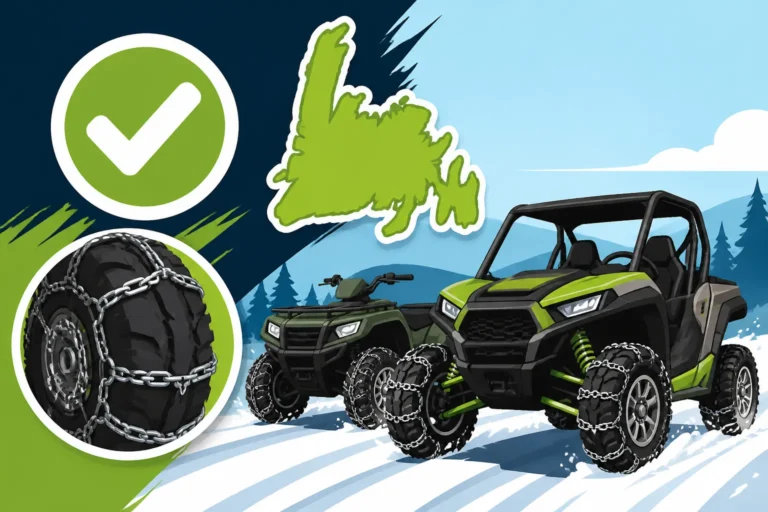
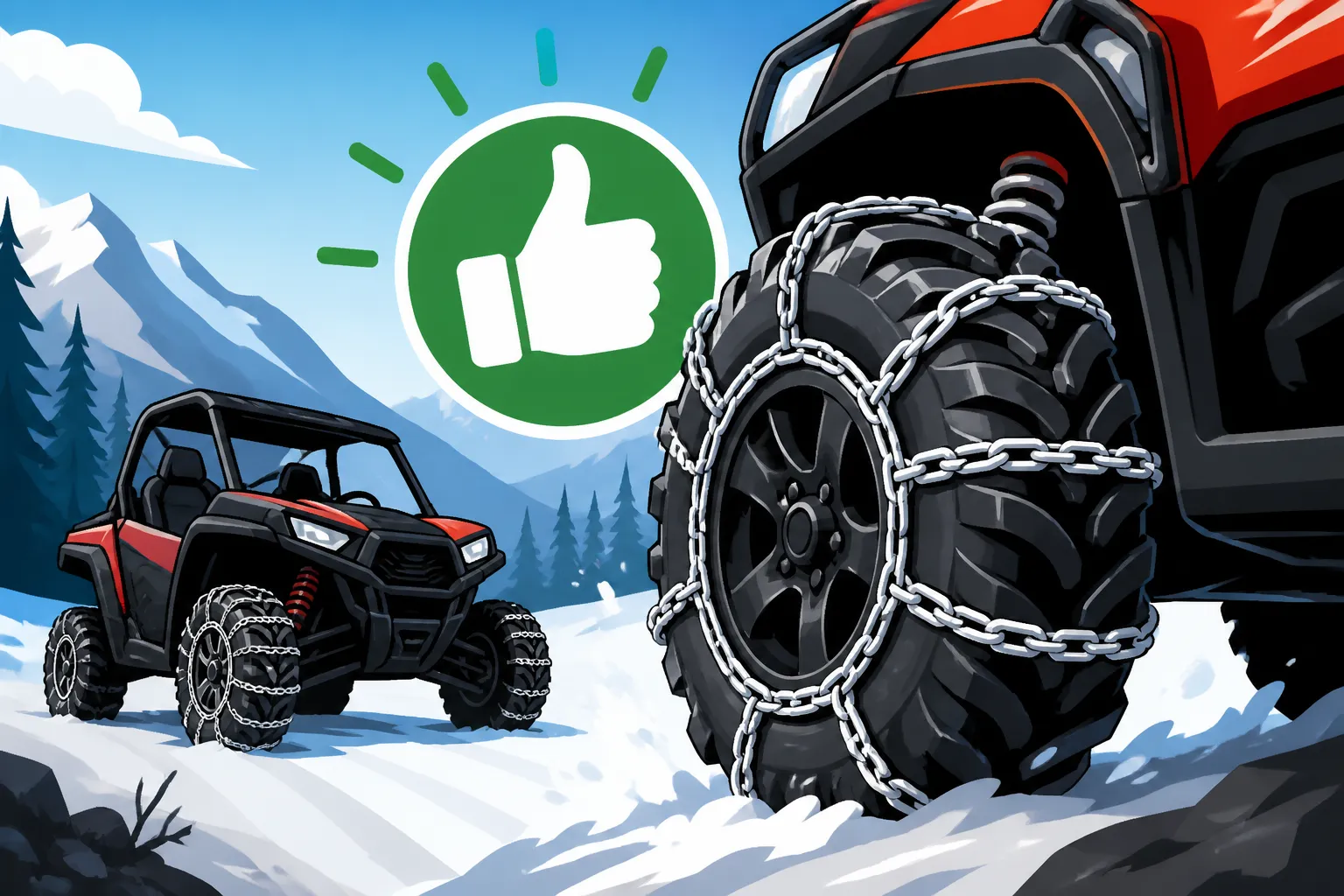
With the implementation of the revised [Newfoundland's Off-Road Vehicles Act] in 2022, the province clarified its stance on tire chains. The Act, specifically Section 12, now states that "An off-road vehicle may be equipped with tire chains, provided they are in good repair and properly installed." This seemingly simple sentence is a game-changer. It moved tire chains from a grey area into a fully permissible category, provided, of course, that they meet basic safety standards of being "in good repair and properly installed." This legislative update reflects a more practical approach to off-road vehicle operation, acknowledging the diverse and often challenging terrain found throughout Newfoundland.
This explicit inclusion means riders no longer need to speculate or rely on anecdotal evidence regarding the legality of chains. It's written right into the provincial law. This clarity helps riders prepare their machines appropriately for various conditions, whether it's navigating deep snow, climbing icy inclines, or traversing slippery, muddy trails after a significant rainfall. While the Act allows for them, it's crucial to remember that good repair and proper installation are key. Riders should always inspect their chains before each use to ensure there are no broken links, loose fasteners, or other issues that could lead to failure or damage during a ride.
Where and When You Can Use Tire Chains
While tire chains are now allowed, their practical application will largely depend on the specific riding conditions and the type of terrain you're on. They are particularly beneficial in environments where natural traction is severely compromised. Think about winter riding, when snow often turns to ice on packed trails, or spring, when melting snow creates incredibly deep and slick mud pits. In these scenarios, chains can provide the crucial grip needed to maintain control, climb hills, and prevent getting stuck. This makes planning a [Newfoundland Winter Riding Trip] or an adventure during the spring thaw much more feasible and safer.
However, it's also important to consider where chains might be less necessary or even counterproductive. On dry, hard-packed trails, chains can actually reduce traction, make the ride rougher, and potentially damage the trail surface or your tires. They are designed for low-traction environments, not general use. When riding on shared trails, like sections of the T'Railway, consider the impact on other users and the trail itself. The benefit of chains truly shines on deep snow, ice, or extremely muddy and slippery ground, areas where you'd be struggling without them. Always assess the conditions before deciding whether to equip your machine with chains. For instance, when tackling a particularly challenging bog or steep, snow-covered ascent, the added grip from chains can make all the difference, but for a casual cruise on a well-groomed path, they are likely overkill.
Practical Benefits and Considerations for Riders
The allowance of tire chains opens up a new world of possibilities for off-road enthusiasts in Newfoundland and Labrador. It's not just about avoiding getting stuck; it’s about enhancing safety, expanding your riding season, and tackling terrain that was once considered impassable. However, like any equipment, there are both upsides and downsides to consider before you bolt on a set of chains and hit the trail. Understanding these practical aspects is crucial for making the most of this new freedom while protecting your machine and our precious trails.
Enhanced Traction and Safety on Challenging Terrain
The most immediate and obvious benefit of tire chains is a dramatic increase in traction. In Newfoundland, we're no strangers to diverse and often extreme weather conditions. Picture an icy logging road after a freezing rain, or a trail transformed into a quagmire after a week of heavy downpour. These are precisely the scenarios where chains truly shine. They dig into snow, ice, and mud, providing a level of grip that standard off-road tires, even aggressive ones, simply can't match. This enhanced traction translates directly into improved control, allowing you to ascend slippery hills, navigate across slick flats, and maintain stability on uneven, frozen surfaces.
For anyone who's ever been bogged down in a deep mud hole or slid precariously on black ice, the safety aspect of chains is paramount. Increased grip reduces the risk of uncontrolled skids, rollovers, and collisions, especially when riding on inclines or descents. It also means less strain on your machine's drivetrain, as the tires are doing more of the work, rather than spinning freely and digging deeper. This can be a game-changer for riders who use their machines for practical purposes, like accessing remote cabins or for [Newfoundland Big Game Transport Trips], where reliability in adverse conditions is non-negotiable. With chains, you gain confidence to tackle routes that would otherwise be too risky, extending your riding season and overall enjoyment.
Potential Drawbacks and Machine Wear
While the benefits are clear, it's equally important to acknowledge the potential drawbacks of using tire chains. First and foremost, chains can significantly impact ride comfort and speed. Riding with chains is generally rougher, and you'll typically need to travel at lower speeds to maintain control and prevent damage. They add weight and can introduce vibrations, which might be noticeable on longer rides. Furthermore, there's a risk of accelerated wear and tear on your tires themselves. Chains can rub against the tire sidewalls, and if not properly fitted or if ridden on unsuitable terrain (like hard-packed gravel or pavement), they can damage the rubber.
Beyond your tires, chains can also cause wear on other parts of your machine. Improperly installed or loose chains can strike fenders, brake lines, or suspension components, leading to costly repairs. There's also the environmental consideration: chains, particularly those with aggressive studs or cross-links, can leave ruts and churn up soft trails more than tires alone, especially in sensitive areas. This is why responsible riding, combined with choosing the right conditions for chains, is so important. Finally, carrying and installing chains adds another layer of preparation and maintenance to your riding routine. They're not a "set it and forget it" solution; they require careful fitting and regular inspection.
Choosing the Right Tire Chains for Your Machine
Selecting the appropriate tire chains is crucial for both performance and preventing damage. Not all chains are created equal, and what works for a heavy-duty UTV might be overkill for a smaller ATV. The market offers a variety of styles, including ladder chains, V-bar chains, and diamond pattern chains, each with different benefits. Ladder chains are simple and effective for basic traction, while V-bar chains offer more aggressive bite for extreme conditions. Diamond pattern chains provide excellent coverage and a smoother ride. When considering options, look for chains specifically designed for ATV/UTV tires, as they are often lighter and designed to fit the unique tread patterns and sidewalls of off-road tires.
Consider the material and construction. Hardened steel chains offer durability, but ensure they are robust enough for the weight and power of your machine. Fit is paramount: chains should be snug against the tire, not loose, to prevent them from tangling or whipping around while riding. Some manufacturers, like SuperATV, offer a range of accessories and parts, which might include heavy-duty chains or components that complement chain use, ensuring your machine is fully prepared. Always measure your tires precisely before purchasing chains, as a correct fit is critical. You might even find some chains are designed with cam tensioners or bungee systems to help achieve that perfect, tight fit, making installation much easier. Investing in a good quality set that fits properly will save you headaches (and potential repair costs) down the line.
| Chain Type | Best Use Case | Key Feature | Potential Drawbacks |
|---|---|---|---|
| Ladder Chains | General snow/ice, light mud | Simple, easy to install | Can be bumpy, less continuous grip |
| V-Bar Chains | Extreme ice, deep snow, heavy mud | Aggressive bite, superior grip | Can be rough, more abrasive on surfaces/tires |
| Diamond Pattern | Ice, compacted snow, moderate mud | Excellent coverage, smoother ride than V-bar | More complex installation, generally higher cost |
| Cable Chains | Light snow, occasional ice, minimal wear | Lightweight, less aggressive, easier on tires | Less traction than steel chains, lower durability |
Safety Best Practices When Using Tire Chains
Having the legal green light to use tire chains is fantastic, but it comes with the responsibility of using them safely and effectively. Simply strapping them on isn't enough; proper installation, adjusted riding techniques, and an understanding of the broader rules of the trail are all essential. Safety should always be your top priority, not just for yourself but for anyone else you might encounter on the trails and for the longevity of your machine. Let's dive into how to ride smart with your new-found traction.
Installation and Maintenance Tips
Correct installation is the cornerstone of safe and effective tire chain use. A poorly installed chain can do more harm than good, potentially flying off, damaging your machine, or even causing a loss of control. Always follow the manufacturer's instructions for your specific chains. Generally, you'll want to lay the chains out, drive onto them, and then connect the inner and outer hooks. Once connected, ensure they are as tight as possible. Many riders use bungee cords or chain tensioners to maintain maximum tightness, which prevents chains from flapping or shifting. After a short ride (say, 50-100 metres), stop and re-check the tension, as chains often settle into place. This quick re-tensioning can prevent serious issues later.
Regular maintenance is also critical. Before and after each use, inspect your chains for broken links, worn cross-members, or damaged fasteners. Rust can weaken chains over time, so clean and dry them thoroughly before storage, and consider a light spray of lubricant. Keeping a repair kit with spare links and pliers can be a lifesaver on the trail. Just like you'd check your tire pressure or oil, a quick inspection of your chains becomes part of your pre-ride routine when you're using them. This attention to detail will ensure your chains are always ready to perform when you need them most, especially when riding in challenging conditions that demand maximum equipment reliability.
Riding Techniques with Chains
Riding with tire chains requires a shift in your usual riding style. The added grip fundamentally changes how your machine handles, and ignoring these changes can lead to dangerous situations. First, slow down. Chains are not designed for high-speed operation. Excessive speed can cause chains to break, slip, or even damage your tires and machine. Smooth, gradual inputs are key – gentle acceleration, slow and controlled braking, and gradual steering adjustments. Avoid sudden turns or abrupt stops, which can lead to skidding, even with chains. Remember, chains provide traction, but they don't defy physics.
Be mindful of your turning radius. Chains can sometimes make steering feel heavier or less responsive, especially on uneven surfaces. Give yourself more space and time to maneuver. On inclines, maintain a consistent throttle to prevent spinning out. When descending, engage your engine braking and use gentle, intermittent brake pressure to maintain control. Pay extra attention to obstacles, as chains can snag on rocks or roots, potentially causing a jolt or even breaking a link. Adjusting your technique to match the conditions and the capabilities of your chained tires will make for a safer and more enjoyable ride. For anyone embarking on a [Newfoundland Winter Riding Trip] or tackling seriously muddy routes, these refined techniques are indispensable for navigating tough terrain.
Legal Compliance and Trail Etiquette
While tire chains are now legal, it’s vital to remember that all other aspects of the [Newfoundland's Off-Road Vehicles Act] still apply. This includes ensuring your machine is registered, carrying appropriate insurance, and adhering to all [Newfoundland Equipment Requirements] like proper lighting and helmets. Just because you have chains doesn't mean you can ride in prohibited areas or ignore speed limits. Your registration is valid [Newfoundland Registration Valid While You Own It], but that doesn't excuse you from following all current rules.
Beyond legal compliance, consider trail etiquette, especially on shared trails. Chains can be aggressive on surfaces, and while they're great for pulling you through a bog, be mindful of their impact on the trail itself, particularly when conditions are softer. Try to minimize excessive churning or digging, especially on groomed paths or in environmentally sensitive areas. If you encounter hikers, cyclists, or other riders, slow down, yield the right-of-way, and be courteous. The allowance of chains is a privilege that comes with the responsibility of respectful and environmentally conscious riding. By being a good steward of the trails, you help ensure continued access for everyone, making sure that future generations can enjoy riding in our beautiful province.
Impact on Newfoundland's Diverse Riding Environment
The legalization of tire chains is a significant update that reverberates across Newfoundland and Labrador's varied riding landscapes. Our province offers an incredible array of terrains, from dense forests and rugged coastal paths to vast barrens and notorious bogs. Each environment presents its own set of challenges, and the ability to equip your ATV or UTV with chains fundamentally changes how riders can interact with these areas. This new freedom means greater access and capability, but also increased responsibility in preserving the natural beauty we all cherish.
Winter Riding and Snowmobiles
Winter riding in Newfoundland can be a truly exhilarating experience, but it often comes with the inherent difficulties of snow, ice, and freezing temperatures. Previously, ATVs and UTVs might have been parked for much of the colder season, or limited to less challenging routes, as traction was a major concern. Now, with tire chains, these machines become far more capable in deep snow and on icy trails. This means that a winter cabin run or a trip to a remote fishing spot becomes much more feasible and safer. Riders can navigate packed snowmobiles trails (where permissible) with greater confidence, and explore areas previously only accessible by snowmobile.
However, it's crucial to acknowledge the distinct roles of ATVs/UTVs and snowmobiles. While chains enhance ATV/UTV winter performance, they don't turn them into snowmobiles. Snowmobiles are specifically designed to float on deep snow, offering a very different riding experience. On shared trails, such as sections of the [Newfoundland Trails Shared With Snowmobiles], riders with chained ATVs must be acutely aware of their impact on the groomed snow surface that snowmobilers rely on. Chains can tear up a packed trail, making it rough and unsafe for sleds. Therefore, knowing when and where to use chains, and practicing responsible trail etiquette, is paramount to ensuring harmonious multi-use trail systems throughout the winter season. The goal is to open up more riding opportunities, not to create conflicts between user groups.
Muddy Trails, Bogs, and Barrens
Newfoundland's reputation for its "Newfoundland mud" is well-earned. The province's unique geology, with its prevalence of bogs, marshy areas, and soil types that readily turn to thick, heavy mud after [Newfoundland Riding After Heavy Rain], has always presented a formidable challenge to off-roaders. Getting hopelessly stuck in a bog has been a rite of passage for many, often requiring lengthy and complicated recovery efforts. This is where tire chains become an absolute game-changer. For years, riders attempting to traverse the notoriously soft [Newfoundland Rules for Riding a Bog] or navigate the vast, open barrens after a wet spell often faced the choice between turning back or risking hours of winching.
With chains, the ability to maintain forward momentum through deep, slick mud and across soft, yielding terrain is dramatically improved. The aggressive bite of the chains prevents tires from simply spinning and digging deeper, allowing the machine to "walk" through conditions that would otherwise halt it. This means more access to remote hunting grounds, fishing spots, and cabin locations, even during the notoriously wet spring and fall seasons. For those who rely on their machines for practical work or simply crave the challenge of exploring the province's rugged interior, this newfound capability is invaluable. It transforms previously impassable routes into navigable pathways, expanding the effective riding season and allowing for true exploration of Newfoundland's wilderness. You'll find many riders sharing tales of how their SuperATV winch setup, now paired with chains, has made recoveries from these challenging bogs a breeze.
Environmental Considerations and Trail Preservation
While the ability to use tire chains brings significant advantages, it also heightens the importance of environmental responsibility and trail preservation. The enhanced grip that chains provide can also lead to increased ground disturbance, especially on soft, sensitive terrain. On already established or managed trails, chains can dig deeper ruts, accelerate erosion, and degrade the trail surface more quickly than standard tires. This is a critical consideration for shared trails and in areas where maintaining a smooth surface is important for multiple user groups, or for the long-term sustainability of the trail network.
Riders must exercise discretion and judgment when deciding whether to use chains, and when operating a chained machine. In delicate ecosystems, such as certain wetland areas or caribou migration routes (which often have [Newfoundland Caribou and Riding Restrictions]), the impact of aggressive traction devices needs to be carefully managed. Adhering to designated trails, avoiding sensitive ecological zones, and minimizing unnecessary wheel spin are all crucial practices. Organizations like local ATV clubs often work tirelessly on trail maintenance and building, and responsible riding helps support their efforts. By being mindful of the environmental impact, riders can ensure that the privilege of using tire chains enhances their adventures without compromising the beauty and integrity of Newfoundland and Labrador's natural landscape for future generations.
Disclaimer
This article is for general informational purposes only and does not constitute professional advice. Laws, prices and regulations vary by location and change over time. Consult a qualified professional for guidance on your specific situation.