Newfoundland’s Hunting and Trapping Helmet Exception
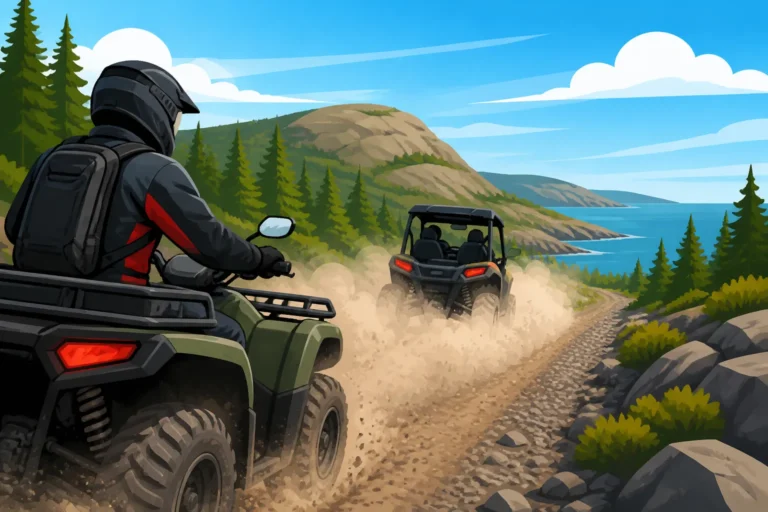
You've just geared up, loaded your ATV or UTV with supplies, and you're heading out to the remote barrens or thick woods of Newfoundland for a hunt or to check your trap lines. You're probably wondering about the helmet rule, because let's face it, wearing a helmet can be a bit cumbersome when you're actively glassing for game or hauling equipment, and sometimes it just feels like overkill in those specific, low-speed, off-road situations. This guide is going to walk you through exactly when you can take your helmet off legally, and more importantly, when you absolutely still need to keep it on, diving deep into Newfoundland's specific exception for hunting and trapping.
The General Rule: Helmets Are Almost Always Mandatory
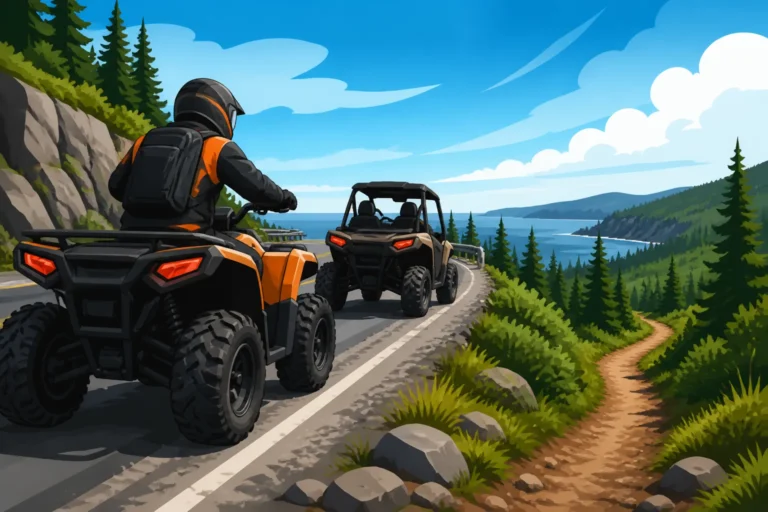
Riding an ATV or UTV in Newfoundland and Labrador is an incredible experience, offering access to some of the most stunning and untouched landscapes anywhere. But with that freedom comes a serious responsibility, and the province takes rider safety very seriously. For most of us, most of the time, that means strapping on a helmet before we even think about turning the key. It's not just a suggestion; it's the law, and for very good reason.
Why Helmets Are the Law of the Land and Trail
Nobody wants to think about an accident, especially when they're out enjoying the peace and quiet of the backcountry. But the reality is, off-road riding, by its very nature, carries risks. A tip-over, an unexpected dip in the trail, or even a low-speed collision with an unseen obstacle can lead to serious injuries, and head injuries are, without a doubt, among the most devastating. That's why the provincial government, through its Off-Road Vehicles Act, has made it abundantly clear: if you're operating or riding as a passenger on an off-road vehicle, you must wear an approved helmet. This isn't just about protecting you; it's about minimizing the strain on our healthcare system and ensuring that riders can continue to enjoy this pastime safely for years to come. The goal is to keep everyone safe, whether you're cruising on a railbed or navigating through dense woods. It’s why you’ll often hear about [Newfoundland Helmet Law for Every Rider].
Think about the terrain we ride here. One moment you're on a relatively smooth gravel path, the next you're navigating rocky climbs, slippery bog, or sudden changes in elevation. Even experienced riders can be caught off guard. A helmet provides that crucial layer of protection, absorbing impact energy and distributing forces away from your skull. Without it, even a seemingly minor fall can have life-altering consequences. It’s a small piece of gear that offers monumental protection, turning what could be a serious incident into a minor bump or bruise. It’s an investment in your future health and well-being.
What Makes a Helmet "Approved" in Newfoundland
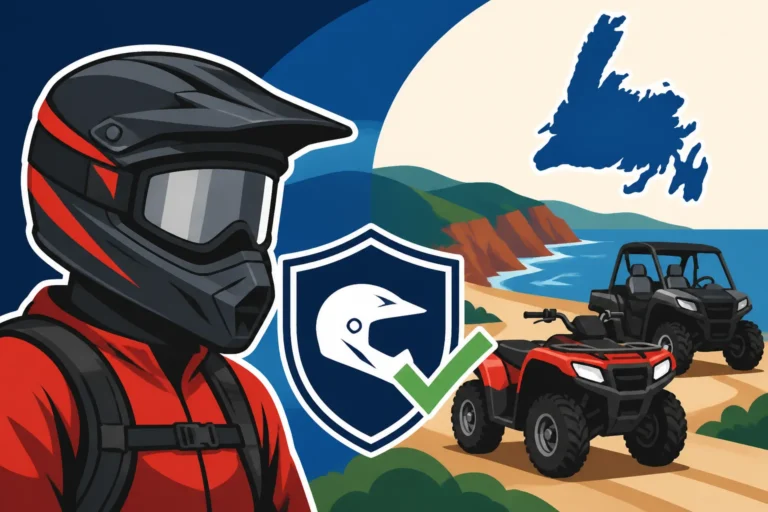
It’s not enough to just wear any helmet; it has to be one that meets specific safety standards. The province recognizes helmets that comply with certain internationally recognized certifications, ensuring they’ve been rigorously tested for impact protection and structural integrity. This means looking for specific markings on the helmet itself, usually on the back or inside liner, that indicate it has passed these tests. We’re talking about the Canadian Standards Association (CSA), the U.S. Department of Transportation (DOT), or the Economic Commission for Europe (ECE). Each of these organizations has stringent testing protocols to ensure helmets provide adequate protection in a crash. You can learn more about these requirements and markings under [Newfoundland Helmet Standards Accepted].
When you're out buying a helmet, make sure you check for these labels. Don't cheap out on safety gear, especially something as critical as a helmet. A properly fitted helmet, designed for powersports, will offer the best protection. It should fit snugly without being uncomfortably tight, and it shouldn't shift around on your head. Beyond just having the right certification, it's absolutely vital that the helmet's [Newfoundland Helmet Straps Must Be Fastened] securely. An unfastened strap renders even the most expensive, certified helmet practically useless in an impact, as it can easily come off your head. So, always take the extra moment to snap that buckle and tighten the strap. It could be the most important thing you do before you start your ride.
Understanding the Hunting and Trapping Exception
Now, this is where things get interesting for those of us who combine our love for ATVs and UTVs with the timeless traditions of hunting and trapping in Newfoundland and Labrador. While the helmet rule is generally iron-clad, there are specific, narrow circumstances where the provincial legislation offers a slight reprieve. It’s important to understand this exception thoroughly because misinterpreting it can lead to fines, even if your intentions are good.
The Specifics of the Exemption
The Off-Road Vehicles Act does make an exception for operators and passengers of ATVs and UTVs when they are actively engaged in hunting or trapping. This is a recognition of the practical realities of these activities. Imagine trying to call a moose with a full-face helmet on, or quietly setting a snare while your vision is slightly restricted. The law understands that these traditional activities sometimes require a different approach to equipment.
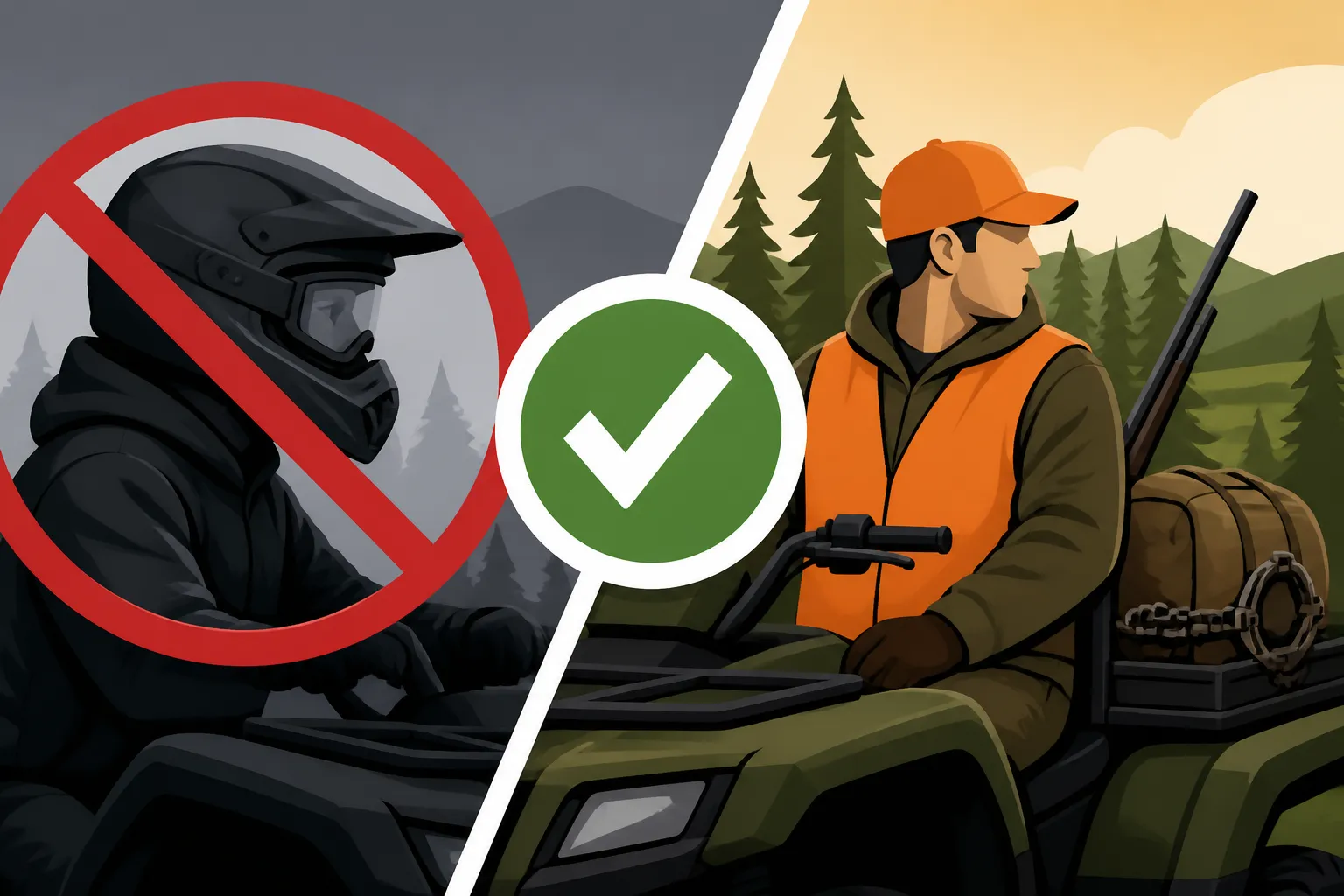
Specifically, the exemption states that a person operating or riding on an off-road vehicle is exempt from wearing a helmet if they are actively engaged in hunting or trapping and are operating the vehicle at a slow speed for that purpose. This is the crucial part: "actively engaged in hunting or trapping" and "operating at a slow speed." This isn't a blanket pass to ride without a helmet every time you head to the cabin with your rifle. It's for those moments when you're actually stalking game, checking traps, or retrieving a downed animal at a very slow, controlled pace. For all the precise details, the legislation specifically outlines [Newfoundland's Hunting and Trapping Helmet Exception]. This exemption is really designed for those very specific, often low-speed, tactical movements required when you're deeply immersed in the act of hunting or trapping, not for general transportation.
Distinguishing "Active Pursuit" from General Riding
This distinction is probably the most critical part of understanding the exception. Just because you have a hunting license in your pocket or a few traps in your cargo box doesn't mean you're exempt from wearing a helmet for your entire trip. The law is very clear about the "actively engaged" and "slow speed" components.
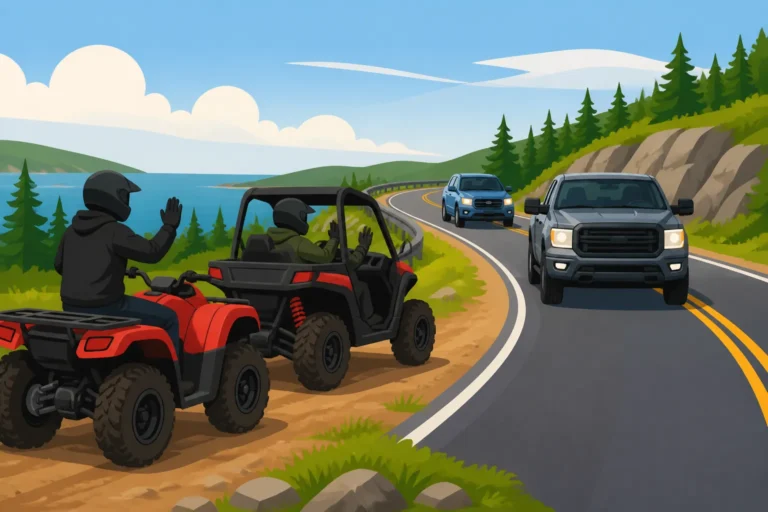
Let's break this down with a couple of scenarios. If you're riding your ATV down a maintained woods road, even if you're on your way to a hunting blind, you're generally considered to be in transit, not "actively engaged in hunting." In this scenario, you absolutely must wear your helmet. The expectation is that you're moving at a typical riding speed, and therefore, the risks associated with general off-road travel apply. However, imagine you've spotted a moose across a barren, or you're slowly creeping along a game trail, stopping every few minutes to glass for signs of game, or you're carefully navigating through thick brush to check a specific trap. In these moments, where your focus is entirely on the hunting or trapping activity itself, and your speed is deliberately slow and cautious, the exception kicks in.
Similarly, if you've successfully harvested an animal and are now using your UTV to slowly retrieve it, carefully traversing uneven ground, you would likely fall under the exemption. But once you've loaded the animal and are headed back to the truck on a main trail, increasing your speed, you revert to general riding, and that helmet needs to be back on your head. The key takeaway here is context and speed. It's about the very specific, often painstaking movements required for the act itself, not the journey to or from that act. Don't push the limits of this interpretation; if in doubt, err on the side of caution and wear your helmet.
Practical Implications and Rider Responsibilities
Navigating the nuances of the helmet exemption for hunting and trapping requires more than just knowing the rule; it demands responsible decision-making and preparedness on the part of the rider. Even when you believe you're within the bounds of the exception, there are practical considerations to keep in mind to ensure your safety and avoid potential legal hassles. It's about being smart and covering all your bases, because remote areas offer unique challenges.
Carrying Your Helmet Even When Not Wearing It
Okay, so you're actively hunting, moving slowly through the woods, and you've taken your helmet off because you're legitimately within the exception. That's fine, but that doesn't mean you should leave it back at the truck or cabin. Your helmet should still be with you, accessible and ready to be put back on at a moment's notice. Why? Because the situation can change in an instant. You might finish your stalk and decide to head to a different area that requires faster travel, or you might hit a main trail. When you transition from that slow, active hunting or trapping phase to general transit, even for a short distance, the helmet rule kicks back in.
Consider this: you've been still-hunting for hours, helmet off, moving at a snail's pace. Suddenly, you need to cover a couple of kilometres quickly to cut off a moving animal, or perhaps you've retrieved game and now need to get back to your vehicle on a more open trail. These are situations where your speed will increase, and your focus might shift from detailed observation to efficient travel. Having your helmet strapped to your rack or safely stowed in a cargo box means you can easily don it again, staying compliant and safe. It's about being prepared for the fluid nature of backcountry activities, where a change in plans or circumstances can happen without warning. Think of it as a crucial piece of gear you temporarily set aside, but never truly abandon.
The Officer's Perspective: Proving Your Exemption
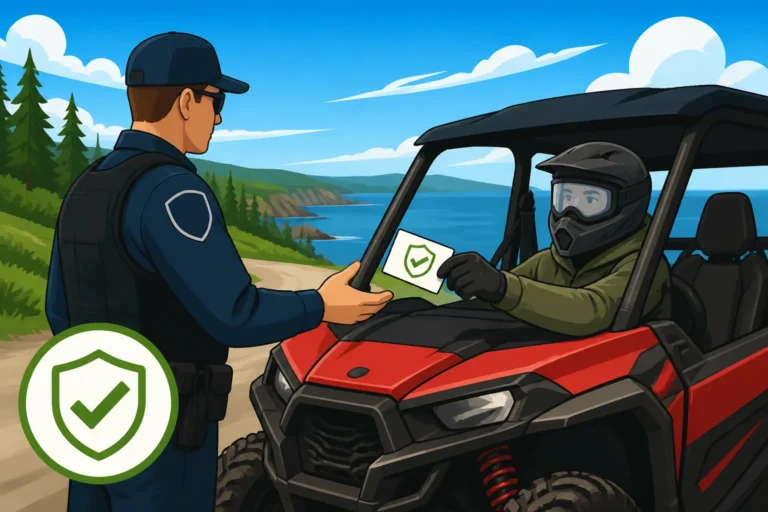
Let's be realistic: a peace officer patrolling the backcountry isn't going to automatically know your intentions or whether you're "actively engaged" in hunting or trapping at the precise moment they encounter you without a helmet. It's your responsibility to be able to demonstrate that you are legitimately covered by the exception. This isn't about arguing; it's about clear communication and having the necessary proof.
What might an officer ask for? First and foremost, they'll want to see your valid hunting or trapping license. This is foundational. Beyond that, they might look at your immediate surroundings, your speed, and the equipment you have with you. Are you dressed in hunting gear? Do you have a firearm or traps readily available (and safely stored, of course)? Are you moving at a very slow, deliberate speed, indicative of active scouting or retrieval, rather than just cruising? For example, if you're found without a helmet, but your ATV is loaded with a harvested animal, and you're inching along a rough trail, that paints a clear picture. Conversely, if you're zipping down a wide trail in your regular riding gear with no hunting implements in sight, claiming you're "on your way to hunt" likely won't hold up. Be ready to explain your activity calmly and clearly. Having your license and the appropriate gear for the activity at hand are your best forms of evidence. It's always better to be able to show, rather than just tell, that you're within the specific parameters of the exemption.
Related Equipment and Safety Considerations
While the helmet exception for hunting and trapping provides a specific allowance, it absolutely does not diminish the overall importance of safety when operating an ATV or UTV in the challenging Newfoundland wilderness. In fact, when you're engaged in activities like hunting and trapping, you're often in even more remote areas, sometimes alone, and carrying specialized gear. This makes other safety equipment and thoughtful machine modifications even more critical.
Beyond the Helmet: Eye Protection and Other Gear
Even when you're legally riding without a helmet for hunting or trapping purposes, your eyes remain vulnerable. Flying debris – branches, dust, insects, or even mud – can cause serious injury or temporarily blind you, leading to a dangerous situation. This is precisely why [Newfoundland Eye Protection Requirements] are in place. Goggles or a clear visor should always be part of your kit, regardless of whether you’re wearing a helmet. They are a non-negotiable item for protecting your vision and maintaining awareness of your surroundings.
But don't stop there. Think about what else you're wearing. Sturdy, over-the-ankle boots protect your feet and ankles from impacts, twists, and the elements. Durable clothing, preferably in bright colours (outside of hunting season, of course), can offer protection from scrapes and provide visibility. Gloves protect your hands from blisters, cold, and impacts. Additionally, consider how aftermarket accessories can boost your safety and utility. Many riders enhance their machines with windshields, roofs, or even full enclosures from brands like SuperATV. While these additions don't replace a helmet for impact protection, they certainly make rides more comfortable, especially in inclement weather, and can offer a first line of defense against smaller debris. A good windshield can deflect mud and branches, improving visibility and reducing fatigue over a long day.
Machine Modifications for Hunting and Trapping
Outfitting your ATV or UTV specifically for hunting and trapping is not just about convenience; it's about enhancing functionality and safety for these demanding activities. Many riders make smart modifications to ensure their machine is up to the task of navigating rugged terrain, carrying heavy loads, and supporting their outdoor pursuits.
For instance, robust cargo boxes or specialized racks for firearms (always unloaded and cased when in transit, of course) are common additions. These ensure your gear is securely stowed, preventing it from shifting, falling off, or becoming damaged on bumpy trails. Winches are another almost essential piece of equipment for hunters and trappers. Getting stuck in a bog or deep snow in a remote area can be extremely dangerous, and a reliable winch can be the difference between a minor delay and a dire situation. Brands like SuperATV offer a wide range of accessories, from heavy-duty bumpers that provide extra protection for your machine in tight woods, to skid plates that safeguard the underside from rocks and stumps. These enhancements aren't just about making your machine look good; they're about making it more resilient, capable, and ultimately safer for the specific rigours of hunting and trapping in the Newfoundland wilderness. Preparing your machine properly means you can focus more on the hunt and less on worrying about breakdowns or damage.
Where the Exception Does Not Apply
It's absolutely vital to be crystal clear about the boundaries of this helmet exception. While it's a welcome allowance for hunters and trappers, it is not a loophole for general helmet-free riding. Misinterpreting or misapplying the rule can have serious repercussions, ranging from financial penalties to endangering your own life. Knowing when the exception stops is just as important as knowing when it applies.
Recreational Riding and Other Exemptions
Let's make this abundantly clear: the hunting and trapping helmet exception is a highly specific allowance tied to particular activities and operating conditions. It does not, under any circumstances, extend to general recreational riding. If you're out with friends for a trail ride, exploring new areas, or simply enjoying the scenery, you must wear an approved helmet, period. This applies whether you're on a designated trail, a woods road, or traversing open barrens. The spirit of the law prioritizes safety during high-speed or general recreational travel.
There are no other broad exemptions for helmet use under Newfoundland's Off-Road Vehicles Act. You can't claim an exception because you're riding on your own private land (unless that private land is part of your active hunting/trapping grounds, at slow speeds), or because you're only going a short distance. Similarly, exceptions for specific age groups or for certain types of off-road vehicles simply do not exist outside of this narrow hunting and trapping context. Every other time you're on an ATV or UTV, the helmet needs to be on and securely fastened. It's a foundational rule for a reason, meant to protect every rider from the inherent risks of off-road vehicle operation. Don't assume; always wear your helmet for recreational rides.
The Consequences of Misinterpreting the Law
Thinking you're exempt when you're not can lead to a very unpleasant encounter with law enforcement and significant penalties. Peace officers in Newfoundland and Labrador are well-versed in the Off-Road Vehicles Act, and they're out there to ensure everyone's safety and compliance. If you're caught riding without a helmet when you don't legitimately fall under the hunting and trapping exception, you can expect to face fines.
The [Newfoundland Penalties for Riding Illegally] can be substantial. These aren't just minor slaps on the wrist; they're designed to deter unsafe behaviour and emphasize the importance of the regulations. Fines can quickly add up, and depending on the circumstances, you might also face court costs. In more severe or repeat cases, there could even be a risk of your machine being seized. Imagine having your ATV or UTV impounded in a remote area, leaving you stranded and facing a hefty bill to get it back. Beyond the legal and financial ramifications, the most severe consequence, of course, is the increased risk of a serious head injury. No amount of convenience is worth compromising your safety or risking a life-altering injury. If there's any doubt about whether the exception applies, make the safe and legal choice: wear your helmet. It's a simple decision that can prevent a world of trouble.
Best Practices for Hunters and Trappers on ATVs/UTVs
For hunters and trappers who rely on ATVs and UTVs to access the vast wilderness of Newfoundland and Labrador, adherence to best practices goes beyond just legal compliance. It’s about ensuring personal safety, preserving the natural environment, and maintaining a positive reputation for the riding community. These machines are invaluable tools for accessing remote areas, but they require responsible operation, especially when engaging in traditional outdoor pursuits.
Prioritizing Safety in Remote Areas
When you're out hunting or checking traps, you're often in areas far from immediate help. Cell service can be spotty to non-existent, and emergency services might be hours away. This makes prioritizing safety even more critical, regardless of whether you're wearing a helmet. Always tell someone your route and estimated return time before heading out. Packing a survival kit, including first aid supplies, extra food and water, fire-starting materials, and appropriate clothing for changing weather, is non-negotiable.
Beyond preparedness, operating your machine safely means riding within your limits and the machine's capabilities. Remote terrain can be deceptive, with hidden bogs, slippery rocks, and sudden drops. Even at slow speeds, a lapse in concentration can lead to an accident. Pay attention to the ground ahead, and avoid taking unnecessary risks. Consider carrying a satellite communication device, like an inReach or Spot tracker, which can be a lifesaver for calling for help when you're out of cell range. Remember, when you're alone or with a small group, self-reliance is key. While the helmet exception is there, it doesn't mean you should ever compromise on overall safety when deep in the wilderness.
Respecting the Land and Other Users
The privilege of using ATVs and UTVs on Crown Land for hunting and trapping comes with a significant responsibility to respect the environment and other users. Newfoundland's wilderness is a shared resource, and preserving its beauty and ecological integrity is paramount. This means understanding and adhering to [Newfoundland Crown Land Riding Rules]. Stick to established trails and designated access points whenever possible, and avoid creating new trails that can lead to erosion and habitat destruction. Be especially mindful of sensitive areas like wetlands and caribou migration routes, which may have seasonal or permanent restrictions.
Furthermore, hunters and trappers often share the backcountry with hikers, campers, and other recreational users. Be courteous and mindful of their presence. Slow down when approaching others, especially on shared trails like portions of the T'Railway. Minimize noise and dust, and always yield the right-of-way. If you're involved in [Newfoundland Big Game Transport Trips], ensure that the transport of game is done legally and respectfully, avoiding any actions that could disturb others or damage the environment. The actions of a few irresponsible riders can negatively impact access for everyone, so let's all do our part to be good stewards of the land and respectful members of the outdoor community.
Broader Context: ORV Regulations in Newfoundland
Understanding the helmet exception for hunting and trapping is just one piece of the puzzle when it comes to operating ATVs and UTVs in Newfoundland and Labrador. These machines are powerful and versatile, but their use is governed by a comprehensive set of regulations designed to ensure safety, minimize environmental impact, and promote responsible recreation. For any rider, whether a seasoned hunter or a weekend trail enthusiast, grasping the broader regulatory framework is essential.
The Evolution of ORV Laws
Like many aspects of modern life, the rules governing off-road vehicles have evolved over time to adapt to new technologies, changing riding patterns, and a deeper understanding of safety and environmental concerns. Newfoundland and Labrador updated its core legislation with [Newfoundland's Off-Road Vehicles Act], which came into force in May 2022. This wasn't just a minor tweak; it was a significant overhaul that replaced older, less comprehensive statutes. The new Act brought in clearer definitions, updated safety requirements, and provided more explicit guidance on how and where off-road vehicles can be operated.
This evolution is important because it means riders need to stay informed. What might have been acceptable years ago might not be now. The 2022 Act specifically addressed areas like side-by-sides, which have grown immensely in popularity, ensuring they are properly regulated. These legal updates reflect a commitment to safer riding practices and better management of our shared outdoor spaces. It’s why staying current with provincial laws and regulations is not just about avoiding fines; it’s about participating responsibly in a dynamic and growing community of off-road enthusiasts. The intent is always to make riding safer and more sustainable for everyone.
Registration, Insurance, and Other Essentials
Beyond helmet laws and exceptions, there's a foundational set of requirements that every ATV and UTV operator in Newfoundland and Labrador must meet. These aren't optional; they are mandatory for legal operation, whether you're hunting, trapping, or just out for a casual spin. The first step for any machine is proper registration. This involves a one-time fee, and once your machine is registered, it remains so as long as you own it. You'll receive an identification plate that must be affixed to your machine. The [Newfoundland ORV Registration Cost] is a necessary expense to ensure your machine is legally recognized and traceable.
Equally crucial is insurance. Every off-road vehicle operated in the province must carry a minimum amount of liability insurance. This protects you and others in the event of an accident, covering potential damages or injuries. While we all hope to never need it, [Newfoundland Insurance Requirements for Riders] provide a critical safety net. Always carry proof of your insurance when you're riding. Finally, safety training has become an integral part of responsible riding. New riders, or those registering their first machine, are generally required to complete approved safety training. [Newfoundland Safety Training Is Mandatory] for many, ensuring that operators have a basic understanding of safe operation, provincial laws, and trail etiquette. These three pillars – registration, insurance, and training – form the bedrock of responsible ATV and UTV operation in Newfoundland and Labrador, and they apply to every rider, without exception.
| Scenario | Helmet Required? | Speed Implication | Key Considerations |
|---|---|---|---|
| General Trail Riding | Yes | Any Speed | Always required for recreation. |
| Riding to Hunting Area | Yes | Typical Travel | In transit, not actively hunting. |
| Actively Stalking Game | No | Slow, Deliberate | Must be actively hunting/trapping, low speed. |
| Checking Traplines | No | Slow, Deliberate | Must be actively hunting/trapping, low speed. |
| Retrieving Harvested Animal | No | Slow, Cautious | Low speed, direct task of retrieval. |
| Returning from Hunting Area | Yes | Typical Travel | Once active task ends, revert to general riding rules. |
| Riding on Private Land | Yes | Any Speed | Ownership doesn't exempt, unless actively hunting. |
| Young Rider (under 16) | Yes | Any Speed | Age doesn't exempt; supervision rules also apply. |
Disclaimer
This article is for general informational purposes only and does not constitute professional advice. Laws, prices and regulations vary by location and change over time. Consult a qualified professional for guidance on your specific situation.