Checking a Used Machine Against Stolen Vehicle Records
There's nothing quite like the thrill of finding a fantastic deal on a used ATV or UTV in Newfoundland, but that excitement can quickly turn to dread if you discover the machine has a murky past. The last thing any rider wants is to invest hard-earned money in a quad or side-by-side only to find out it was stolen, leading to potential seizure and a complete loss of your investment. This guide will walk you through the essential steps to thoroughly check a used machine against stolen vehicle records, helping you buy with confidence and protect yourself from unforeseen headaches.
Why It's Crucial to Check for Stolen Status Before You Buy
When you're eyeing a used off-road vehicle, it's easy to get swept up in the excitement of a good price or the promise of adventure. But overlooking the critical step of checking its stolen status can lead to a world of trouble far beyond buyer's remorse. This isn't just about avoiding a bad deal; it's about protecting yourself legally, financially, and emotionally. Buying a machine that's been reported stolen, even unknowingly, can turn your dream ride into a nightmare.
The Headache of a Seized Machine
Imagine saving up, finding what seems like the perfect ATV, making the purchase, and then months later, during a routine roadside check or even an accident report, discovering the machine is stolen. What happens next? Law enforcement will seize the machine, and you will lose your entire investment. The original owner, if found, has the right to get their machine back. You, the innocent buyer, are left with nothing but a void in your bank account and a massive headache. You won't get your money back from the police; your recourse would be against the seller, which is often a dead end if they've vanished or were themselves part of a larger theft operation. This scenario isn't just theoretical; it happens to riders more often than you might think, leaving them feeling violated and betrayed. The hassle of dealing with police reports, court appearances, and the sheer frustration of losing your new pride and joy is something no one wants to experience.
Protecting Your Investment and Peace of Mind
Ultimately, performing a thorough check before money changes hands is about safeguarding your investment and securing your peace of mind. An off-road vehicle is a significant purchase, and ensuring its legitimacy means you can ride the trails of Newfoundland, from the T'Railway to the backcountry, without a cloud of worry hanging over you. Knowing that your ATV or UTV is legally yours means you won't have to fear it being confiscated. It also ensures a smooth [Newfoundland Transfer of Ownership Explained] process and clear registration. This due diligence also makes future resales much easier, as you'll have a clean, verifiable history for the next buyer. No one wants to spend their riding days looking over their shoulder or dealing with legal battles when they should be enjoying the outdoors.
Essential Steps to Verify a Used ATV or UTV's History
Okay, so you understand why it's important. Now, let's get down to the practical steps you can take to make sure the used machine you're looking at is legitimate. This process involves a bit of detective work, but it's well worth the effort. Getting comfortable with these checks will empower you to make informed decisions and steer clear of problematic sales. It's about empowering yourself with information before committing your hard-earned cash.
Starting with the VIN: Your Machine's Fingerprint
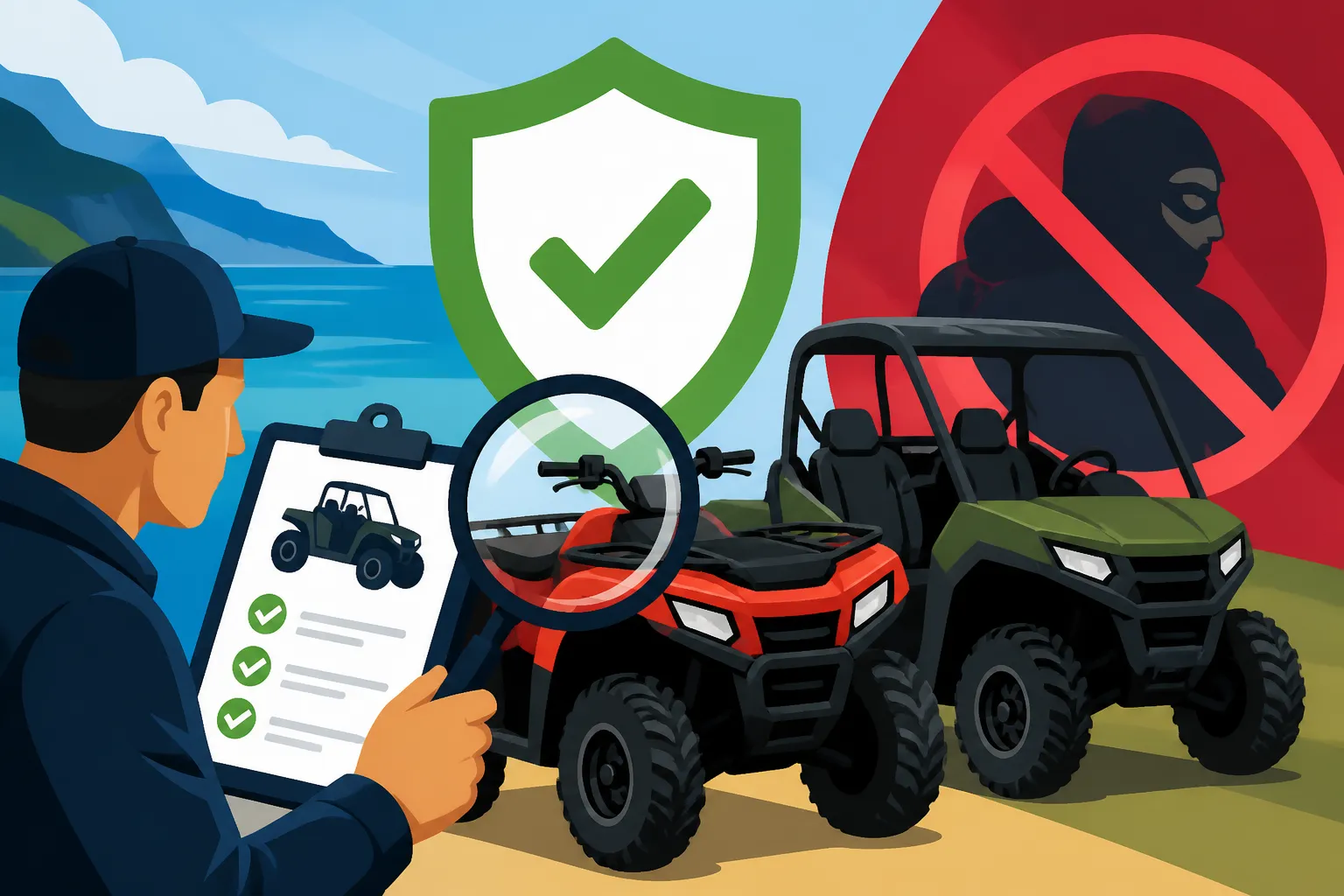
The Vehicle Identification Number (VIN) is the absolute first place to start. Think of it as your machine's unique fingerprint, a 17-character code that identifies it specifically. Every off-road vehicle has one, and it's paramount to locate it and confirm its authenticity. Typically, you'll find the VIN stamped directly onto the frame of the ATV or UTV, often on the lower front left side, near the steering column, or on a sturdy part of the frame accessible from the exterior. It should be clearly visible and appear original, not tampered with, scratched, or re-stamped.
Once you find the VIN on the machine itself, compare it exactly to the VIN listed on any ownership documents the seller provides, such as the previous registration permit or a bill of sale. If there's any discrepancy, even a single character, consider that a major red flag. It could indicate that the documents don't belong to that specific machine, or worse, that the VIN on the machine has been altered to conceal its true identity. Taking the time for [Photographing the VIN Before Money Changes Hands] is a smart move, giving you a record of what you saw before the purchase.
Official Databases and How to Access Them
When it comes to checking official stolen vehicle databases, it’s a bit different for private citizens than it is for law enforcement. The primary national database for stolen vehicles in Canada is the Canadian Police Information Centre (CPIC), but direct access to CPIC is restricted to police agencies. This means you can't just log on and run a VIN check yourself through this federal system.
However, there are still avenues you can pursue. Many provincial motor vehicle registries have systems that can identify a stolen machine during the registration process. When you go to register the machine, if it pops up as stolen, the transaction will be halted, and police will be notified. This is a last-resort check, though, and ideally, you want to know before you've handed over any money. You can often inquire with your local Royal Newfoundland Constabulary (RNC) or RCMP detachment. While they generally cannot provide you with a direct CPIC search for you, they can often verify if a VIN provided by a prospective buyer comes back as stolen if you explain you're considering a purchase and want to do your due diligence. It's always worth a call to your local detachment to understand their specific policy on assisting citizens with such checks.
Leveraging Third-Party Services and Their Value
Because direct access to official police databases is limited, many prospective buyers turn to third-party services that offer VIN checks. These services often compile data from various sources, including insurance companies, provincial registries, and sometimes even their own proprietary databases. They can often provide a comprehensive history report that includes not only stolen vehicle declarations but also information on accident history, odometer discrepancies, and previous registration details.
While these services are incredibly valuable, it's important to understand their limitations. They rely on reported data, and if a theft hasn't been reported or processed into their accessible databases yet, it might not show up. However, for a relatively small fee, these reports can offer a strong layer of protection and give you much greater confidence in your purchase. They can also often include lien checks, ensuring no financial institution has a claim on the machine, which is another crucial step in a clean title transfer. Remember, combining a third-party check with your own visual inspection and verification of paperwork offers the most robust defence against purchasing a problematic machine.
| Check Type | What it Tells You | Best Way to Perform It | Potential Limitations |
|---|---|---|---|
| VIN Inspection | Authenticity of the VIN, potential tampering | Physical inspection on the machine, compare with documents | Only identifies physical alterations, not stolen status |
| Provincial Registry | Whether machine is currently registered, stolen status, liens | During [Newfoundland ORV Registration You Pay Once] | Only available at time of registration, may be too late |
| Police Inquiry (VIN) | Direct confirmation of stolen status (CPIC) | Contact local RNC/RCMP detachment with VIN | Policies vary, not a guaranteed service for private citizens |
| Third-Party VIN Check | Stolen status, accident history, liens, odometer history | Online services (e.g., Carfax, etc.) | Relies on reported data, may not be real-time for all incidents |
| Seller Verification | Seller's identity, proof of ownership | Check ID, compare to documents, verify phone/address | May not uncover sophisticated fraud or identity theft |
The Importance of Paperwork and Seller Verification
Beyond checking the machine itself, the person selling it and the documents they provide are equally, if not more, important. A legitimate sale always involves transparent paperwork and a credible seller. This is where you really need to put on your skeptical hat and look for any inconsistencies or red flags. Don't rush this part of the process, no matter how good the deal seems.
Scrutinizing the Bill of Sale and Previous Ownership
A solid bill of sale is the backbone of any used vehicle transaction. It's the legal document that proves the transfer of ownership from the seller to you. A proper bill of sale should include:
- The full names and addresses of both buyer and seller.
- The date of the sale.
- The purchase price.
- A clear description of the ATV or UTV, including make, model, year, and crucially, the full VIN.
- Signatures from both parties.
It's not just about having a bill of sale, but about its quality and completeness. Be wary of handwritten notes on scrap paper; a professional, detailed document is much better. Many riders find reliable templates for a solid [Newfoundland Bills of Sale From Each Owner] through services like LawDepot, ensuring all necessary details are covered and it stands up legally. If the seller can't provide a continuous chain of ownership (e.g., they bought it from someone else and only have their bill of sale, not the original), that's a red flag. Every prior owner should ideally be documented in the paper trail. Look for any alterations or discrepancies in dates or names. A seller who is upfront and has all their ducks in a row with the paperwork is a good sign.
Seller Identification and Legitimacy
This might feel a bit awkward, but it's absolutely essential: ask for the seller's valid government-issued photo identification. Compare the name on their ID to the name on the ownership documents (like the previous registration or bill of sale from when they acquired it). They should match. If the seller claims to be selling on behalf of a friend or family member who isn't present, that's another significant red flag. You need to be buying directly from the legal owner.
Also, consider where you're meeting. A public place is always safer than a secluded location. If possible, arrange to meet at their home, where you can see proof of residence. If they're hesitant to provide ID or meet in a verifiable location, walk away. This isn't about being rude; it's about protecting yourself from fraud. Remember, [Newfoundland Tax Registrant Details at Registration] will require the seller's tax number for transfer, so they need to be a legitimate, identifiable person.
What if the Paperwork is Missing or Suspicious?
This is where your alarm bells should be ringing the loudest. If a seller is missing key documents like the registration permit, the original bill of sale from their purchase, or seems vague about the machine's history, it's a huge warning sign. Sometimes sellers might claim to have lost the paperwork, but that's a common excuse for machines with dubious origins. While processes exist for [Newfoundland Registration Without a Bill of Sale] using sworn affidavits, these are complex and should not be undertaken lightly, especially if you suspect foul play.
If the paperwork seems incomplete, forged, or the seller's story doesn't add up, it's always best to walk away from the deal. There will always be other ATVs and UTVs available, and the risk of buying a stolen machine is simply not worth any potential savings. Don't let the fear of missing out on a "great deal" override your common sense. Dealing with [Newfoundland Machines With No Paperwork] is a recipe for disaster. If the seller tries to rush you, pressure you, or refuses to let you do your due diligence, take that as your cue to politely decline and move on.
After the Purchase: Protecting Your New-to-You Machine
Congratulations! You’ve done your homework, checked everything thoroughly, and found a legitimate used ATV or UTV. The transaction is complete, and you're now the proud owner. But your protective measures shouldn't stop there. There are still crucial steps to take to ensure your new-to-you machine remains secure and legally compliant.
Prompt Registration and Associated Checks
Once you've purchased your off-road vehicle, one of your very first tasks should be to officially register it in your name with Motor Registration Division. This is not just a formality; it's a vital step in cementing your legal ownership and ensuring the machine is traceable back to you. The registration process in Newfoundland can sometimes involve an additional layer of checks by the registry itself, where the VIN is entered into their system, potentially cross-referencing against stolen vehicle databases accessible to them. This provides an extra safeguard, confirming that the machine hasn't been flagged between your initial checks and the actual registration date.
Be prepared with all your [Newfoundland Registration Paperwork Explained], including the valid bill of sale from the seller. Prompt registration ensures that in the eyes of the law, you are the rightful owner. It helps prevent any future confusion if, for example, the previous owner falsely reported it stolen after the sale to try and claim insurance. Having your machine properly registered with the province eliminates many potential legal headaches down the road. Understanding the [Newfoundland ORV Registration Cost] and getting it done quickly is always recommended.
Insurance and Security Measures
Once your machine is registered, getting proper insurance coverage is non-negotiable. While the [Newfoundland Minimum Insurance Requirement] for off-road vehicles on certain public lands or when crossing highways is typically liability, comprehensive coverage can protect your investment against theft, damage, and other unforeseen events. If your machine is stolen from your property, having insurance means you won't suffer a complete financial loss. Talk to your insurance provider to understand the options available for ATVs and UTVs, as coverage can vary.
Beyond insurance, take proactive steps to secure your machine. Invest in good quality locks, chains, and perhaps even a GPS tracker. When not in use, store your ATV or UTV in a locked garage, shed, or a secure compound. If you're out on the trails, especially in remote areas, always secure it when left unattended, even for a short period. Thieves often target these machines, and making your machine a harder target can deter opportunistic criminals. Your diligence in checking its history combined with these post-purchase security measures ensures you can enjoy your adventures on the trails of Newfoundland with true peace of mind.
Disclaimer
This article is for general informational purposes only and does not constitute professional advice. Laws, prices and regulations vary by location and change over time. Consult a qualified professional for guidance on your specific situation.