Newfoundland Equipment Requirements
Riding an ATV or UTV in Newfoundland and Labrador offers some of the most breathtaking backcountry experiences imaginable, but it also comes with a critical responsibility: knowing and adhering to the province's equipment requirements. It's easy to assume your machine is ready to roll, only to discover a seemingly minor detail could lead to a fine or even worse, a safety hazard. This comprehensive guide is here to cut through the confusion and ensure you're fully equipped, compliant, and ready to safely enjoy our stunning trails and barrens.
Understanding the Foundation: Newfoundland's Off-Road Vehicles Act
Before we dive into the nitty-gritty of specific equipment, it’s crucial to understand the regulatory landscape that governs off-road vehicles (ORVs) here in Newfoundland and Labrador. The province takes ORV safety seriously, and the rules are designed to protect not only riders but also other trail users and the environment. It’s not about stifling your fun; it’s about creating a framework for responsible enjoyment.
A Statute Focused on Safety and Order
The primary legislation you need to be aware of is [Newfoundland's Off-Road Vehicles Act]. This isn't just a dusty old document; it's a living statute that defines what an off-road vehicle is, where it can be operated, and what equipment is mandatory. When you're out on the trails, whether it's a remote cabin road or a busy railbed, this Act is the invisible guide dictating how you should be equipped and how you should behave. Understanding its spirit—which is fundamentally about safety, courtesy, and environmental preservation—will help you make sense of all the individual rules.
It's tempting to think of these rules as inconvenient hurdles, especially if you're used to a more lax approach in other areas, but they exist for very real reasons. Imagine encountering another rider on a blind corner, or breaking down in a remote area after dark because your lights weren't up to par. The Act anticipates these scenarios and tries to mitigate them by setting clear standards. From the moment you purchase your machine, these regulations become part of your ownership experience, influencing everything from your choice of accessories to your pre-ride checklist. They are an essential part of the tapestry of safe riding in our unique landscape.
Who the Rules Apply To: Operators and Passengers
One common misconception is that equipment rules only apply to the person operating the machine. However, [Newfoundland Helmet Law for Every Rider] makes it clear that passengers, especially children, are also covered by many of the safety requirements. This extends beyond just helmets to things like appropriate seating and even the type of machine that can carry a passenger. If you're planning a family outing or bringing a friend along for the ride, you're responsible for ensuring everyone on your machine meets the legal requirements.
Think about it this way: your responsibility as an operator isn't just about your own well-being; it's about the safety of everyone sharing your machine and everyone else on the trail. This becomes particularly important when you're riding with younger family members. The Act often has specific provisions for youth riders, and parental supervision is a key component. Knowing these details upfront can save you a lot of grief and ensure that your trail adventures remain positive and safe experiences for all involved. It means checking if your side-by-side has enough factory-installed seats or if your ATV is even designed to carry a second person before you ever hit the throttle.
Essential Safety Gear: Protecting Yourself and Others
When we talk about equipment, safety gear is often the first thing that comes to mind, and for good reason. Newfoundland's regulations are very clear on what you, as a rider and passenger, must wear or use to minimize the risk of injury. These aren't suggestions; they are mandates that an officer can enforce.
The Non-Negotiable Helmet Law
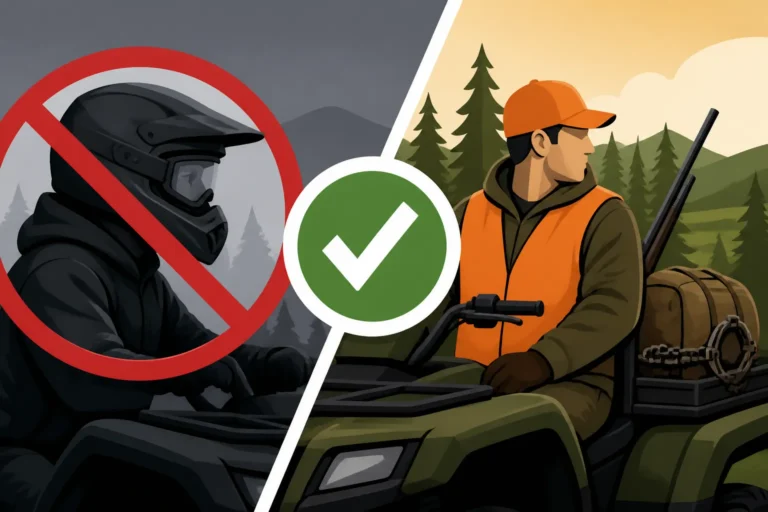
Let's start with the absolute basics: helmets. It's not just a good idea; it's the law. Every single person operating or riding as a passenger on an off-road vehicle in Newfoundland and Labrador must wear a helmet. This isn't up for debate, and there are no exceptions for short trips or slow speeds. The risk of head injury in an ORV accident is significant, and a helmet is your first line of defense. The law specifies that the helmet must be designed for motorized vehicle use and securely fastened with the chin strap.
This means no construction hard hats, no bicycle helmets, and certainly no riding without one. You’ll often see specific certifications mentioned, like CSA, DOT, or ECE, which are standards for different regions that prove the helmet has met rigorous safety testing. If your helmet doesn’t have one of these markings, or if it’s visibly damaged, it might not be considered compliant. It's about ensuring that the helmet offers genuine protection in the event of an impact. So, before you even think about starting your engine, make sure everyone in your group has a properly fitted, certified helmet on their head and strapped securely. It's a simple step that could literally save a life.
Eye Protection: Seeing Clearly and Safely
Equally important for your safety and ability to operate your machine effectively is proper eye protection. Whether you're kicking up dust on a dry trail or navigating through a muddy bog, debris, branches, and even insects can pose a serious threat to your vision. [Newfoundland Eye Protection Requirements] state that operators and passengers must wear eye protection, unless the ORV is equipped with a windshield that meets certain standards.
This typically means goggles, a face shield on your helmet, or impact-resistant glasses. The goal is to prevent anything from obscuring your vision or causing injury to your eyes. Imagine trying to steer clear of a hazard with mud splashed directly into your eyes – it’s a recipe for disaster. For those riding side-by-sides, a full windshield might provide adequate protection, but it's always wise to have goggles on hand, especially if the weather changes or you're traversing particularly rough terrain. Good eye protection ensures you can always see where you're going, react to sudden changes, and, most importantly, return home safely without a trip to the emergency room.
Seat Belts for Side-by-Sides: Buckle Up!
If you're riding a side-by-side (SxS) – sometimes called a UTV – you’re typically equipped with a roll cage and seat belts, just like a car. The [Newfoundland Seat Belt Requirements] are very clear: if your machine came from the factory with seat belts, you and all your passengers must wear them. This is a critical safety feature designed to keep you inside the protective cage in the event of a rollover or sudden stop. Ignoring them not only puts you at risk but also means you're not compliant with the law.
Many of us have seen the potential for rollovers on uneven terrain, and that roll cage is only effective if you’re secured within it. It's not just about the big crashes either; even sharp turns or sudden dips can throw you around, and a seat belt keeps you stable and in control. This rule applies to every seat that has a belt, so ensure everyone buckles up, whether they’re in the front or rear seats. Just like in a car, it should be second nature to click that belt before you even think about putting the machine in gear. These machines are incredibly fun and capable, but their larger size and higher center of gravity mean that the manufacturer-installed safety features are absolutely essential for their safe operation.
Why Safety Gear Matters on the Barrens
Riding on the Newfoundland barrens is an experience unlike any other, with vast open spaces, rocky outcrops, hidden bogs, and sudden changes in elevation. This unique environment makes complying with safety gear requirements even more critical. There are no smooth, manicured trails here; you're often navigating unpredictable terrain where a sudden jolt or unexpected obstacle is par for the course. Your helmet isn't just for a potential collision with another vehicle; it's for those unexpected rollovers, hitting a hidden rock, or tipping on a steep incline.
The same goes for eye protection. The wind whips across the barrens, carrying dust, sand, and small pebbles, especially in drier conditions. Without proper goggles or a face shield, your vision can quickly become impaired, making it impossible to see the next rut or a sudden dip. When you’re miles from the nearest road or settlement, a minor injury can quickly become a serious problem. Therefore, the safety gear isn’t just a checklist item to avoid a fine; it’s an integral part of your personal survival and comfort, ensuring that your adventure on the barrens remains memorable for all the right reasons, not for a preventable accident. Investing in high-quality gear that meets or exceeds the provincial requirements is an investment in your own well-being and in the longevity of your riding enjoyment.
Lighting and Visibility: Being Seen When It Counts
Visibility is paramount, especially when riding after dusk, before dawn, or in adverse weather conditions. Newfoundland's regulations include specific requirements for your machine's lighting and reflectors to ensure you can see where you're going and, more importantly, that other trail users and vehicles can see you.
Head and Tail Lamps: Riding from Sunset to Sunrise
If you plan on riding your ORV at any time between sunset and sunrise, or during periods of reduced visibility (like fog or heavy rain), your machine absolutely must be equipped with working headlamps and tail lamps. [Newfoundland Head and Tail Lamp Rules] dictate that your machine needs at least one white or amber headlamp visible from the front, and at least one red tail lamp visible from the rear. These lights aren't just for illuminating your path; they're crucial for making you visible to others, whether it's another ORV, a pedestrian, or even a vehicle if you're crossing or riding a permitted section of a highway shoulder.
It's not enough for the lights to just "work"; they need to be bright enough to be effective. A dim, flickering tail light isn't going to cut it when visibility is poor. Make it a habit to check your lights as part of your pre-ride inspection, especially if you anticipate being out after dark. Carry spare bulbs if your machine allows, or consider upgrading to more robust LED lighting for improved reliability and brightness. Many aftermarket brands, including SuperATV, offer excellent lighting upgrades that can significantly enhance your visibility and confidence when riding in low-light conditions. These lights are your safety beacon, projecting your presence in conditions where silence and darkness can otherwise make you invisible.
Reflectors for Added Visibility
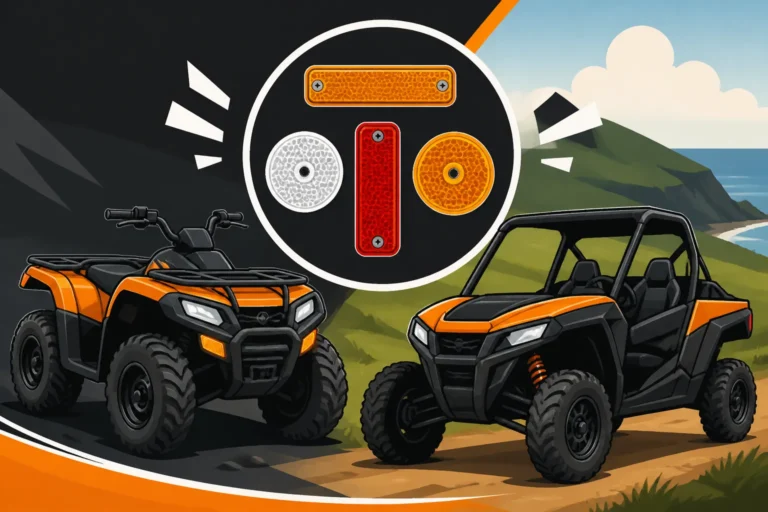
Beyond powered lights, reflectors play a vital role in passive visibility, especially if your machine's electrical system were to fail or if you're parked on the side of a trail. [Newfoundland Reflector Requirements] specify that ORVs must be equipped with at least one red reflector visible from the rear of the machine. These might seem like minor details, but they can be life-savers. When light from another source – like an approaching vehicle’s headlights – hits your reflector, it bounces back, making your machine visible even when its own lights aren’t on.
This is particularly important in situations where you might be stopped unexpectedly due to a breakdown or to assist another rider. Without reflectors, a stationary machine can be incredibly difficult to spot in low light, especially if it blends into the background. While the regulations set a minimum, adding additional reflective tape to your machine, helmet, or even your gear can significantly enhance your visibility from all angles. Every little bit of reflective surface adds to your overall presence and reduces the risk of being overlooked in challenging light conditions. Think of it as an extra layer of passive protection, working for you even when you're not actively thinking about it.
Keeping Your Plates Clear: Visibility for Identification
While not strictly an "equipment" requirement in the traditional sense, the visibility of your registration plate is mandated by law and often requires proper placement and maintenance, which ties directly into the theme of being seen and identified. Your ORV must display a valid identification plate (often referred to as a license plate) issued by Motor Registration. [Newfoundland Plates Kept Free of Mud] and [Newfoundland Plates Unobstructed by Cargo] are not just minor suggestions; they are enforceable rules. An officer needs to be able to clearly read your plate at all times.
This means you can’t have it caked in mud, snow, or obscured by a cooler, a gas can, or anything else you might be carrying. It implies that the plate needs to be mounted in a location that is generally free from obstruction and easy to clean. If your plate isn't clearly visible, it's effectively the same as not having one, and you could face a fine. So, when you're loading up for a trip, always double-check that your plate isn't covered. If you've been riding through some particularly boggy or dusty terrain, take a moment to wipe it clean before you encounter any enforcement officials. It's a simple act that respects the rules and ensures you don't run into unnecessary trouble.
Machine-Specific Equipment: Tires, Exhaust, and More
Beyond the personal safety gear and general visibility, the Newfoundland Off-Road Vehicles Act also has specific requirements for the machine itself, addressing components that directly impact its safe and responsible operation. These rules ensure that your ATV or UTV is equipped in a way that is compatible with the environment and considerate of other users.
Low-Pressure Tires: Gripping the Terrain Safely
One of the defining characteristics of an ATV or UTV is its use of low-pressure tires. These tires are designed to provide maximum traction over uneven, soft, or varied terrain, and they contribute to the machine's ability to "float" over surfaces like bog and mud without digging in too deeply. [Newfoundland Low Pressure Tire Rules] confirm that machines must be fitted with tires designed for off-road use, maintaining a low-pressure inflation. While the Act doesn't typically specify an exact PSI, it implies that tires should be inflated within the manufacturer's recommended low-pressure range for off-road conditions, not overinflated for road use.
Using the correct tires at the appropriate pressure is crucial for several reasons. Firstly, it ensures the machine handles predictably and safely on the diverse Newfoundland landscape, from rocky trails to soft barrens. Secondly, it helps minimize damage to delicate ecosystems, as the wider footprint and lower pressure reduce ground disturbance compared to high-pressure tires. Lastly, using tires that aren't suitable or are improperly inflated can severely compromise your machine's stability and traction, leading to increased risk of accidents. So, before you head out, check your tire pressures against the manufacturer's recommendations and ensure your treads are in good condition for the terrain you'll be tackling.
Exhaust and Muffler Rules: Keeping the Noise Down
Ah, the sound of a powerful engine! We all appreciate it, but there's a fine line between a healthy growl and an obnoxious roar. [Newfoundland Exhaust and Muffler Rules] are in place to ensure that ORVs operate with mufflers and exhaust systems that effectively reduce engine noise. This means no "straight pipes," no intentionally modified exhausts designed to be excessively loud, and certainly no removed mufflers. The primary goal is to minimize noise pollution, which can disturb wildlife, other trail users, and residents living near trail systems.
The Act specifies that the exhaust gases must be expelled through a muffler that is in good working order and designed to cool and expel gases quietly. This also means that "cut-out" exhausts or bypasses are strictly prohibited, and fines can be steep. A noisy machine can quickly draw negative attention from enforcement officials and local communities, leading to complaints that can ultimately jeopardize trail access for everyone. So, while you might appreciate the performance benefits of some aftermarket exhaust systems, ensure they are compliant with local noise regulations and keep your muffler in good repair. It's a matter of respecting the environment and your fellow outdoor enthusiasts.
Passenger Seating: Riding with Company
Sharing the trail with a friend or family member is part of the joy of ORV riding, but it must be done safely and legally. [Newfoundland Passenger Seat Requirements] are clear: passengers can only be carried on an ORV if it is specifically designed by the manufacturer to carry one or more passengers, and only in a designated, factory-installed seat. This rule is particularly relevant for ATVs, many of which are only designed for a single rider. Adding a "buddy seat" or letting someone ride on the fender of a single-rider ATV is not only illegal but extremely dangerous.
Side-by-sides are designed with multiple seats and often come with additional safety features like roll cages and seat belts, making them suitable for passengers. However, even with a side-by-side, you can only carry as many passengers as there are manufacturer-installed seats with corresponding seat belts. This regulation exists to prevent overloading, maintain machine stability, and ensure all occupants have adequate protection. Before inviting anyone along, always consult your machine's owner's manual to confirm its passenger capacity and ensure everyone has a proper, designated place to sit. It’s about ensuring that everyone enjoys the ride safely, with no one perched precariously where they shouldn't be.
Tire Chains: A Recent Addition to the Rules
For many years, tire chains on ATVs and UTVs were a bit of a grey area in Newfoundland, with some uncertainty about their legality. However, with the most recent iteration of the Off-Road Vehicles Act, [Newfoundland Tire Chains Are Now Allowed]. This change recognized the practical need for enhanced traction in specific conditions, particularly during winter riding or when navigating extremely muddy or icy terrain. This is great news for those who rely on their machines for work, accessing remote cabins, or simply want to extend their riding season into the colder months.
While tire chains are now permitted, it's crucial to use them responsibly. They should be properly fitted to avoid damage to your machine and the trail surface, and they should be removed when no longer necessary. Chains can significantly increase wear and tear on paved surfaces or even hard-packed trails, and they can certainly leave a mark. Always consider the terrain and conditions before deciding to use chains, and ensure they are installed securely according to the manufacturer's instructions. This positive change offers more flexibility for riders but still requires good judgment and care in their application.
Understanding Prohibited Modifications and Features
While the Act specifies what must be on your machine, it also implicitly or explicitly prohibits certain modifications or features that undermine safety, identification, or environmental responsibility. Understanding these "don'ts" is just as important as knowing the "dos."
Why Cut-Out Exhausts Draw Fines
One of the most commonly encountered prohibited modifications pertains to exhaust systems. We touched on mufflers already, but it's worth highlighting the specific prohibition against "cut-out" exhausts. These are modifications that allow the exhaust system to bypass the muffler, often with the flip of a switch, resulting in an extremely loud and uncontrolled engine noise. As discussed in [Newfoundland Fines for a Defective Muffler], such modifications are explicitly illegal under the Act.
The reason for this strict prohibition is twofold: noise pollution and community impact. Excessive noise from ORVs is a major source of conflict between riders and non-riders, particularly in areas near residential communities or shared recreational spaces. When machines are allowed to be excessively loud, it creates a negative perception of all ORV users and can lead to calls for stricter regulations or even trail closures. An officer spotting a cut-out exhaust will not hesitate to issue a fine, and rightly so. Maintaining a respectful noise level is a fundamental aspect of responsible trail etiquette and ensures the continued goodwill of communities that host our beloved trails.
Plates Unobstructed by Cargo: No Excuses
We already covered the general rule about keeping your plate clear, but it's important to underscore that this isn't just a suggestion—it's a legal requirement. When you strap down a cooler, a toolbox, a hunting rifle, or any other cargo on your machine, you must ensure that your registration plate remains fully visible. [Newfoundland Plates Unobstructed by Cargo] clearly outlines this expectation. This isn't about officers being nitpicky; it's about basic enforcement and identification.
Imagine a scenario where an officer needs to identify a machine for a safety concern, or in the unfortunate event of an accident or hit-and-run. If the plate is covered, that identification becomes impossible. Riders often make the mistake of thinking "just for a short trip" or "it's not fully covered," but the law is pretty black and white on this. Take an extra moment to secure your cargo in a way that doesn't impede the plate's visibility. It might mean adjusting straps, shifting items, or even investing in dedicated cargo solutions that consider plate placement. It’s a small effort that prevents potential headaches and ensures you're always identifiable when required.
Aftermarket Add-ons: Ensuring They Meet Standards
The world of aftermarket ORV accessories is vast and exciting, offering everything from lift kits and specialized tires to advanced lighting and winch systems. Brands like SuperATV provide a huge range of products that can enhance your machine's performance, utility, and comfort. However, when adding aftermarket parts, it's crucial to ensure they don't inadvertently put you in violation of the Off-Road Vehicles Act. While many accessories are designed to be compliant, some might push the boundaries or even directly conflict with regulations.
For example, while lift kits can improve ground clearance, overly aggressive modifications might impact stability or alter the machine's intended use in ways not covered by its original certification. Similarly, even auxiliary lighting needs to be installed and used responsibly, ensuring it doesn't blind other trail users or violate local lighting statutes, especially if you venture onto road shoulders. Always research how an aftermarket add-on might interact with the existing provincial regulations. If in doubt, consult with a reputable dealer or even directly with Motor Registration. The goal is to enhance your machine without compromising its legality or safety. Choosing quality, compliant parts from trusted manufacturers ensures you get the best of both worlds: improved performance and peace of mind.
Navigating Enforcement and Penalties
So, what happens if you're stopped by an officer and your machine isn't compliant? It's important to understand the procedures and potential consequences. Enforcement of the Off-Road Vehicles Act is taken seriously in Newfoundland and Labrador, and ignorance of the law is rarely an acceptable defense.
What an Officer Can Ask You to Produce
When a peace officer stops you on your ORV, they are authorized to request several documents and verify certain equipment. Beyond asking for your personal identification and any required operator's license (if applicable on a highway section), they will absolutely want to see your machine's registration papers and proof of insurance. [Newfoundland Equipment Checks by Officers] will also include a visual inspection of your machine to ensure it meets the legal requirements we've been discussing.
This means they'll be checking for a visible and legible identification plate, ensuring your helmet is worn and fastened, verifying that any passengers are properly seated and belted (if applicable), and inspecting your lights, tires, and muffler. They might ask to see your [Newfoundland Proof of Ownership on the Trail] or your [Newfoundland Insurance Proof on the Trail]. Be prepared to produce these documents promptly. A calm, cooperative demeanor goes a long way. Having everything in order and easily accessible—perhaps in a waterproof bag – makes the interaction smooth and efficient, allowing you to get back to your ride quickly. Remember, officers are primarily concerned with safety and compliance, and being prepared shows you share those priorities.
Newfoundland Equipment Checks by Officers
Routine equipment checks are a standard part of ORV enforcement in the province. Peace officers, whether from the Royal Newfoundland Constabulary, the RCMP, or even forestry and wildlife officials, conduct these checks at trailheads, on trails, and at common access points. Their aim isn't just to catch offenders but to promote safety and compliance throughout the ORV community. During these checks, they'll often be looking for specific items.
Beyond the obvious—like a missing helmet or an obscured plate—they'll be paying attention to details like the condition of your muffler, whether your lights are functional (especially if it's near dusk or dawn), and if your tires are appropriate for the terrain. They might also check for a trail sticker if you're on a managed trail system. These checks are designed to be proactive, helping to ensure that everyone out enjoying the trails is doing so safely and legally. It’s a reminder that the rules apply everywhere, not just on paved roads, and that responsible riding contributes to the overall positive reputation and access for all ORV enthusiasts. Consider these checks as helpful nudges to ensure everyone is playing by the rules and protecting the privilege of riding.
Penalties for Non-Compliance: What to Expect
Ignoring the equipment requirements outlined in the Off-Road Vehicles Act can lead to a range of penalties, from warnings to significant fines and even machine seizure. [Newfoundland Penalties for Riding Illegally] can be substantial, and they often depend on the severity of the infraction and whether it's a repeat offense. For example, operating a machine without mandatory safety gear like a helmet, or with a severely defective exhaust, can result in immediate fines. Some fines start relatively low for first offenses but can escalate considerably for repeat violations.
In more serious cases, such as impaired riding (which carries the heaviest penalties under the Act), or if your machine is deemed unroadworthy or illegally modified to a dangerous degree, the officer may even have the authority to seize your machine. [Newfoundland Machine Seizure Rules] are in place for significant violations. This can be a costly and inconvenient process, often involving impound fees on top of the initial fines. The message is clear: compliance is not optional. The potential costs of a ticket, impoundment, and the time spent dealing with legal issues far outweigh the minor inconvenience or cost of ensuring your machine and gear meet the provincial standards.
Beyond the Basics: Recommended Gear for Newfoundland Riding
While adhering to the mandatory equipment list is crucial, any seasoned Newfoundland rider will tell you that what you should carry goes far beyond the legal minimums. Our province's rugged terrain, unpredictable weather, and often remote trails demand a higher level of preparedness.
Preparing for Newfoundland's Unpredictable Weather
If you’ve spent any time here, you know Newfoundland weather can change on a dime. A sunny morning can quickly turn into a foggy, rainy, or even snowy afternoon, even in summer. This means your personal gear needs to be adaptable. While the Act doesn't specifically mandate rain gear or extra layers, common sense and experience certainly do. Packing waterproof outer layers, extra gloves, and even a warm hat is essential, regardless of the forecast. [Packing for Weather That Changes Every Hour] is not just a suggestion; it's a survival strategy.
Consider layers of clothing that can be easily added or removed, allowing you to regulate your body temperature as conditions shift. Hypothermia is a real risk, even in milder temperatures, if you get wet and the wind picks up. A small, dry bag to keep spare clothes, your phone, and essential documents protected from the elements is also a smart investment. Being prepared for everything from sunshine to squalls means you can focus on enjoying the ride, rather than battling the elements or cutting your trip short due to discomfort or exposure.
Essential Tools and Recovery Gear
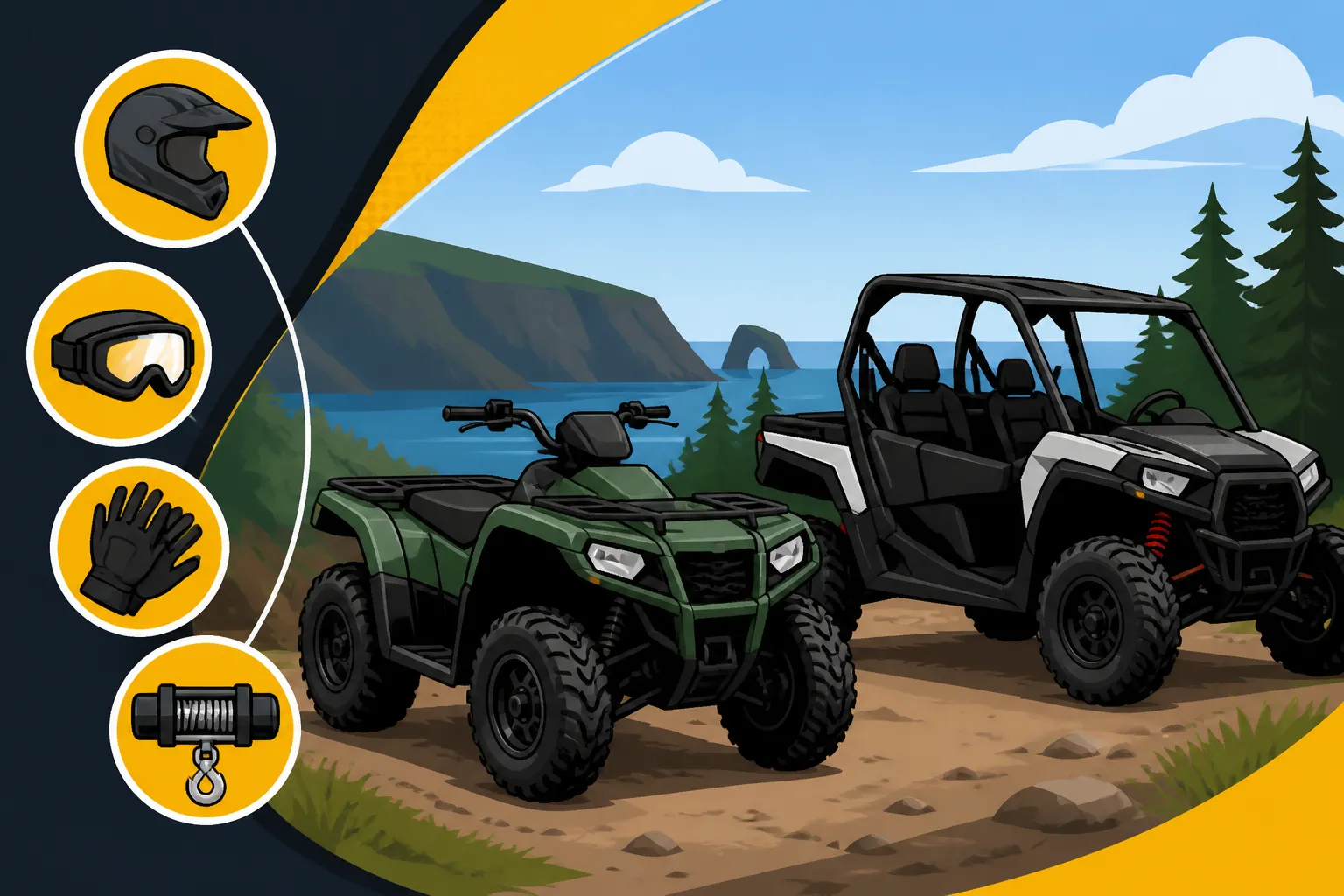
Newfoundland's trails are notoriously tough on machines. Getting a flat tire, breaking a belt, or getting stuck in a bog is not a matter of if, but when. Having essential tools and recovery gear can turn a potential disaster into a minor delay. While not legally required, a basic tool kit (wrenches, screwdrivers, tire repair kit, air pump), a tow strap, and even a small shovel are invaluable. For those venturing into really remote areas, a winch on your machine is highly recommended. Many riders opt for robust winches and recovery accessories from brands like SuperATV for their proven reliability in tough conditions.
Consider a spare drive belt if your machine uses one, and know how to change it. A first-aid kit is also non-negotiable – minor scrapes and cuts are common, and having supplies to clean and cover them can prevent infection. Don’t forget basic survival items like a fire starter, a knife, and a small amount of emergency food and water. When you're miles from cell service, your ability to self-rescue or make temporary repairs is critical. This level of preparedness isn't about being paranoid; it's about being pragmatic and respectful of the vast, wild beauty of our province.
Communication and Navigation in Remote Areas
Newfoundland’s beauty often comes with a lack of cell service in many of our best riding areas. Relying solely on your smartphone for navigation or emergency communication is a gamble you don't want to take. Always carry a physical map or a dedicated GPS device, especially when exploring new territory. [Carrying a Paper Map Where There Is No Signal] is a lost art that can save you a lot of trouble.
For emergencies, consider a satellite communication device like a SPOT or inReach. These devices allow you to send SOS messages, check in with loved ones, or even send pre-programmed messages from areas without cell reception. They are an investment but offer unparalleled peace of mind when venturing into the true wilderness. Additionally, inform someone of your planned route and estimated return time before you leave. This simple step ensures that if you don't check in, someone knows where to start looking. Being prepared with robust communication and navigation tools is the ultimate expression of responsible riding in Newfoundland's vast and spectacular backcountry.
| Equipment Type | Mandatory Requirement | Key Details |
|---|---|---|
| Personal Safety | Helmet | DOT, CSA, or ECE approved, securely fastened chin strap. Required for all operators and passengers. |
| Eye Protection | Goggles, face shield, or impact-resistant glasses (unless ORV has compliant windshield). | |
| Seat Belts | Required for all factory-installed seat belts on ORVs like side-by-sides. | |
| Machine Visibility | Headlamps | At least one white/amber headlamp, functional from sunset to sunrise and in low visibility. |
| Tail Lamps | At least one red tail lamp, functional from sunset to sunrise and in low visibility. | |
| Reflectors | At least one red reflector on the rear. | |
| Identification Plate | Valid, clearly visible, and unobstructed at all times. | |
| Machine Operation | Low-Pressure Tires | Designed for off-road use, inflated to manufacturer's recommended low pressure. |
| Muffler & Exhaust | Functioning muffler to reduce noise, no cut-outs or excessive noise. | |
| Passenger Seating | Only on manufacturer-designed seats for specific passenger capacity. | |
| Tire Chains | Permitted since recent Act rewrite, use responsibly. |
Disclaimer
This article is for general informational purposes only and does not constitute professional advice. Laws, prices and regulations vary by location and change over time. Consult a qualified professional for guidance on your specific situation.