Low Pressure Tires on a Wheeled Machine
Riding an ATV or UTV in Newfoundland and Labrador means encountering some of the most diverse and often challenging terrain imaginable, from rocky barrens and dense forests to soft bogs and well-traveled railbeds. One of the most common questions riders have, especially those new to the province or upgrading their machine, revolves around tire choice, specifically understanding and utilizing low-pressure tires. This guide will walk you through everything you need to know about low-pressure tires, why they are so crucial for navigating our unique landscape, and how to ensure your machine is equipped and maintained for safety and compliance.
Understanding Low-Pressure Tires for ATVs and UTVs in Newfoundland
When you're out on the trails, whether it's exploring a new cabin road or traversing the vast [Newfoundland's T'Railway], your tires are your primary point of contact with the ground. For off-road vehicles like ATVs and UTVs, the type of tires you use, and critically, their pressure, makes a world of difference. It's not just about getting from A to B; it's about control, safety, and minimizing your impact on the delicate ecosystems we all enjoy.
What Exactly Are Low-Pressure Tires?
Unlike the high-pressure, rigid tires you find on cars and trucks, low-pressure tires – often called "balloon tires" or "soft-sided tires" – are specifically designed for off-road use. They operate at significantly lower PSI (pounds per square inch), typically ranging from a mere 3-7 PSI for ATVs and slightly higher for heavier UTVs. This low pressure allows the tire to deform and flex over obstacles rather than fighting against them. Think of it like walking across deep snow with snowshoes versus regular boots; the snowshoes distribute your weight, giving you more float and traction.
The magic of low-pressure tires lies in their ability to create a larger contact patch with the ground. This increased surface area distributes the machine's weight more broadly, reducing ground pressure. On soft, uneven surfaces like mud, sand, or the notoriously spongy [Newfoundland Rules for Riding a Bog], this extra floatation prevents your machine from sinking and getting stuck. On rocky terrain or over roots, the tire's flexibility helps it conform to the surface, absorbing impacts and providing better grip, which means a smoother ride for you and less wear and tear on your machine's suspension components.
The Legal Angle: What Newfoundland's Regulations Say
While Newfoundland's Off-Road Vehicles Act doesn't specify an exact PSI limit for your tires, it does have broader expectations about the condition and suitability of your machine's equipment for safe operation. The rule is simple: your vehicle must be in good mechanical order and suitable for the conditions. This naturally extends to your tires. As outlined in [Newfoundland Low Pressure Tire Rules], the general expectation is that your tires are appropriate for off-road use.
The implication here is that using tires designed for paved roads or highway use on a challenging trail could be seen as operating an unsuitable machine, potentially leading to safety concerns or even fines if an officer determines your equipment is inadequate or unsafe for the conditions. While you won't get a ticket for having 5 PSI instead of 4 PSI, a bald tire or a tire not designed for the terrain you're on could certainly draw unwanted attention during [Newfoundland Equipment Checks by Officers]. The spirit of the law is about responsible riding, and that includes having the right gear, starting with your tires.
Why Low Pressure Matters on Newfoundland's Terrain
Newfoundland's landscape is a rider's paradise, but it's also incredibly demanding on equipment. From the rocky, exposed [Newfoundland Rules for Riding a Barren] to dense, mossy forests and miles of winding trails, every ride is an adventure. Low-pressure tires are your best friend here. They excel in conditions where regular tires would struggle, providing superior traction and stability.
Consider a typical Newfoundland scenario: you're navigating a trail that transitions from hard-packed gravel to a muddy bog, then over a stretch of loose rocks. With properly inflated low-pressure tires, you gain exceptional grip on the rocks, as the tires can "crawl" over them. When you hit the bog, the wider contact patch helps distribute your machine's weight, preventing you from sinking deep and getting high-centred. This adaptability is key to enjoying our varied terrain without constantly battling your machine or getting stuck far from home.
Choosing and Maintaining Your Low-Pressure Tires
Selecting the right tires and keeping them in top condition is paramount for any off-road enthusiast in Newfoundland. It directly impacts your safety, the performance of your machine, and how much enjoyment you get out of every ride. Don't underestimate the power of a good set of tires matched with diligent maintenance.
Selecting the Right Tires for Your Newfoundland Adventures
Choosing the right low-pressure tires goes beyond just picking a size; it involves considering tread patterns, ply ratings, and even the tire's overall construction. For Newfoundland's diverse environments, a versatile tread pattern is often best, balancing grip on soft surfaces with durability on rocky ones. Knobby tires with aggressive lugs are excellent for mud and loose dirt, digging in for maximum traction. However, if much of your riding is on hard-packed trails or gravel roads, overly aggressive treads can wear faster and provide a bumpier ride.
Some riders opt for specialized tires designed for specific conditions, like those with deeper, widely spaced lugs for extreme mudding, or more tightly packed, multi-directional treads for rocky climbing. When you're looking for replacement parts or considering an upgrade, reputable manufacturers like SuperATV offer a wide range of tire options designed for various terrains and riding styles. It's always a good idea to research what other local riders are using and what performs well in the areas you frequent. Don't forget to check the ply rating; a higher ply number indicates a stronger tire sidewall, which is crucial for resisting punctures from sharp rocks and sticks encountered on our trails.
The Critical Role of Tire Pressure
This is where the "low-pressure" part truly comes into play. The recommended PSI for ATVs typically falls between 3 and 7 PSI, while UTVs, being heavier and often carrying more passengers or cargo, might range from 10 to 20 PSI, depending on the manufacturer's specifications and the specific tire. However, these are starting points; optimal pressure is often a dynamic thing that you'll adjust based on your specific load, terrain, and even weather conditions.
- Too High Pressure: While it might seem counterintuitive, over-inflating your low-pressure tires can be detrimental. It reduces the contact patch, making the ride harsher and less comfortable. You'll lose the tire's ability to flex over obstacles, reducing traction and increasing the risk of punctures from sharp rocks. It also puts more stress on your machine's suspension.
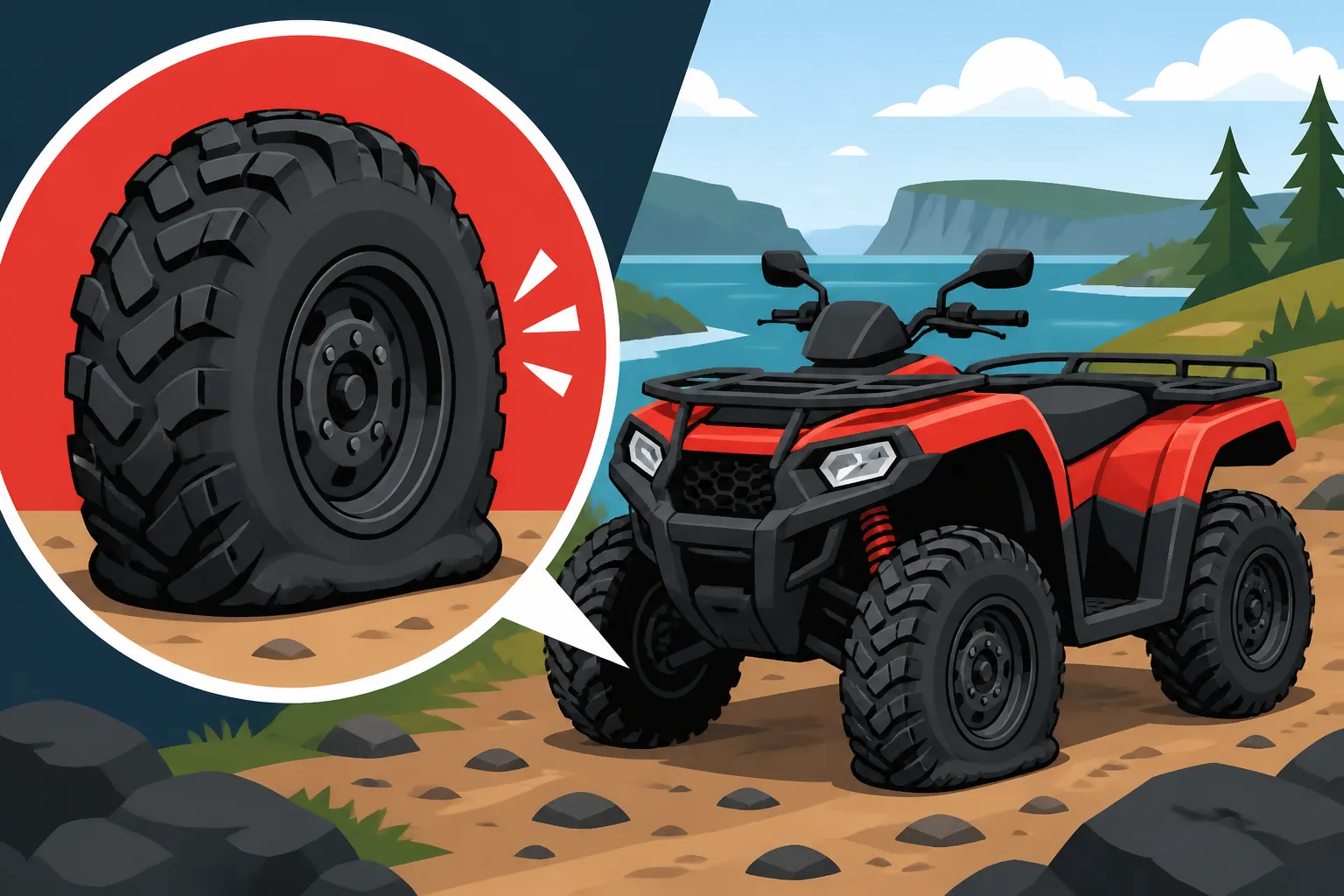
- Too Low Pressure: On the other hand, running your tires too low can lead to bead leaks (where the tire separates from the rim), damage to the tire sidewalls, or even cause the tire to roll off the rim during sharp turns. It also increases rolling resistance, making your machine work harder and consume more fuel.
The key is to find the sweet spot. Always carry a reliable low-pressure tire gauge and a portable air compressor (or hand pump) with you on rides. Before hitting the trails, especially if you're transitioning between different types of terrain, take a moment to adjust your pressure. For instance, you might run slightly lower pressure for soft, technical sections and a bit higher for long stretches of hard-packed trail or when carrying heavy loads. This practice is vital for both performance and safety.
Maintenance Tips for Longevity and Safety
Proper maintenance extends the life of your tires and ensures a safer riding experience. Here are some critical tips:
- Regular Inspections: Before and after every ride, visually inspect your tires for cuts, punctures, bulges, or embedded objects. Pay close attention to the sidewalls. Small embedded rocks or pieces of wood can work their way deeper and cause a flat later.
- Check Pressure Regularly: As mentioned, check your tire pressure before every ride. Temperature changes can significantly affect PSI, so what was perfect last week might be too high or too low today.
- Clean Your Tires: After a muddy ride, clean your tires and rims. Dried mud can throw off wheel balance and hide potential damage. A good wash can also reveal small cracks or punctures.
- Rotate Tires (UTVs): For UTVs, rotating your tires can help ensure even wear, especially if you notice one set wearing faster than the other due to steering or drivetrain dynamics. Consult your owner's manual for recommendations.
- Proper Storage: If your machine will be stored for an extended period, especially over the long [Newfoundland Winter Riding Trips], inflate your tires to the higher end of the recommended range to prevent flat spots. Keep them away from direct sunlight and extreme temperatures, which can degrade the rubber.
- Puncture Repair: Learn how to properly plug a tire on the trail. A simple tire plug kit can be a lifesaver. However, remember that plugs are often temporary fixes, and a professional repair or replacement might be necessary after a significant puncture. Companies like SuperATV also offer tire repair kits and sealant options that are useful to keep on hand.
By following these simple maintenance steps, you'll get more mileage out of your investment and enjoy trouble-free rides across Newfoundland.
Practical Considerations and Safety with Low-Pressure Tires
Beyond just choosing and maintaining your tires, understanding their practical impact on your machine's performance and handling is crucial. Low-pressure tires offer significant advantages, but like any component, they have their nuances that experienced riders learn to manage.
Impact on Handling and Performance
The very characteristics that make low-pressure tires so effective off-road also influence how your machine handles. The flexible sidewalls and larger contact patch provide excellent grip and a smoother ride by absorbing bumps, but they can also make steering feel a bit less precise, especially at higher speeds on harder surfaces. This is a trade-off many riders are happy to make for the gains in traction and comfort on rough terrain.
When you're navigating tight turns or traversing steep side hills, the sidewall flex is especially noticeable. It allows the tire to grip the terrain, but it also means there's a slight delay between your steering input and the machine's response compared to a vehicle with stiffer, higher-pressure tires. Riders quickly adapt to this feel. For UTVs, especially those with independent suspension systems, the interaction between tire pressure and suspension tuning can be quite important. Some riders will even adjust their suspension settings to complement their chosen tire pressure, ensuring the entire system works in harmony to deliver optimal performance. Brands like SuperATV, known for their aftermarket accessories, often provide guidance on how their products, including tires or lift kits, might affect handling.
Common Mistakes and How to Avoid Them
Even seasoned riders can make simple mistakes that compromise their tire performance and safety.
- Not Checking Pressure Frequently Enough: The single biggest mistake. Air leaks, temperature fluctuations, and even altitude changes can alter your PSI. Make it a habit to check before every ride.
- Guessing Tire Pressure: Never eyeball it. Invest in a good, accurate low-pressure gauge. The gauges for car tires often aren't sensitive enough for the low PSI ranges of ATV/UTV tires.
- Ignoring Terrain-Specific Adjustments: Trying to run the same pressure on a sandy beach as you do on a rocky mountain trail is a recipe for frustration. Learn to adjust for different conditions.
- Overloading Your Machine: Every tire has a load rating. Exceeding this, especially when combined with improper tire pressure, significantly increases the risk of tire failure, compromised handling, and damage to your machine. Always be mindful of your [Newfoundland Passenger Seat Requirements] and total cargo weight.
- Neglecting Sidewall Damage: Sidewalls are the most vulnerable part of a low-pressure tire. A small cut or tear can quickly escalate into a catastrophic failure. Address any damage promptly.
By being mindful of these common pitfalls and proactive in your approach to tire management, you'll significantly enhance your riding experience and reduce the chances of unexpected breakdowns on the trail.
When to Upgrade or Replace
No tire lasts forever. Knowing when to replace or upgrade your low-pressure tires is crucial for safety and performance.
- Wear Indicators: Most ATV/UTV tires have tread wear indicators. When the tread wears down to these markers, it's time for new tires. Even without explicit markers, if your tread depth is significantly reduced, your traction will be compromised.
- Visible Damage: Beyond minor punctures that can be plugged, large cuts, deep gouges, or persistent sidewall cracks mean it's time for a replacement. Running damaged tires is a serious safety risk.
- Age and Degradation: Even if a tire looks good, rubber degrades over time, especially with exposure to UV light and extreme temperatures. Older tires can become brittle and lose their flexibility, even if they haven't seen much use.
- Changing Needs: Perhaps you've started riding different types of terrain, or you've upgraded your machine. Your old tires might no longer be the best fit for your current riding style or vehicle. For example, if you've been riding mostly light trails but now plan to tackle more extreme mud or rock crawling, a tire upgrade might be in order.
- Handling Issues: If you notice a significant decrease in traction, poor braking performance, or unexplained wobbles, your tires could be the culprit. A fresh set can often dramatically improve your machine's handling and confidence.
Remember, tires are an investment in your safety and enjoyment. Don't defer replacement when they're clearly past their prime.
The Broader Context of Newfoundland ORV Equipment Rules
While tire pressure might seem like a small detail, it's an integral part of ensuring your off-road vehicle is fit for the trail, aligning with the broader safety and equipment requirements set forth in Newfoundland and Labrador. Thinking about your tires in isolation isn't enough; they are part of a larger system.
Lights, Brakes, and Beyond: What Else to Check
Newfoundland's Off-Road Vehicles Act covers a range of equipment requirements designed to keep riders safe and prevent damage to both machines and the environment. This includes rules for [Newfoundland Head and Tail Lamp Rules], functioning brakes, and even specific guidelines regarding exhaust systems to manage noise, as detailed in [Newfoundland Muffler and Noise Rules]. Your low-pressure tires contribute to the overall safety picture. Properly inflated and maintained tires ensure your brakes can work effectively and your machine responds predictably, especially when you need to make sudden maneuvers or stops.
Imagine you're riding after dusk, your [Newfoundland Head and Tail Lamp Rules] are properly aligned, and your brakes are sharp. If your tires are under-inflated and wallowing, your ability to steer accurately and stop efficiently will be compromised, potentially turning a minor obstacle into a major incident. Every piece of equipment on your machine works together to provide a safe ride, and tires are a foundational component of that system.
How Proper Tires Contribute to Compliance and Safety
Riding responsibly in Newfoundland means more than just following the specific laws; it's about minimizing your impact on the environment and ensuring the safety of yourself and others. Using low-pressure tires effectively contributes to this in several ways:
- Reduced Environmental Impact: By distributing weight more evenly, low-pressure tires reduce rutting and soil compaction, especially on sensitive terrain like bogs and wetlands. This helps preserve the trails and natural areas we ride through.
- Enhanced Control and Stability: Optimal tire pressure provides better traction, leading to superior control over steering, acceleration, and braking. This is critical for navigating challenging trails, climbing steep inclines, or descending safely. This enhanced control directly reduces the risk of accidents and helps riders comply with general safety regulations.
- Comfort and Rider Fatigue: A smoother ride due to the shock-absorbing qualities of low-pressure tires means less rider fatigue over long distances. A less fatigued rider is a more attentive and safer rider.
- Preventing Machine Damage: Proper tires and pressure protect not just themselves but also your machine's suspension, drivetrain, and frame by absorbing impacts that would otherwise be transmitted directly through the vehicle. This helps extend the life of your investment and prevents costly repairs.
Ultimately, understanding and properly utilizing low-pressure tires on your wheeled machine in Newfoundland and Labrador is about maximizing your enjoyment, ensuring your safety, and riding responsibly. It's an essential skill for anyone who wants to fully embrace the incredible off-road opportunities our province offers.
| Aspect | Too Low Pressure | Optimal Pressure (Approx. 3-7 PSI for ATVs) | Too High Pressure |
|---|---|---|---|
| Contact Patch | Very Large, often uneven | Ideal for maximizing traction and floatation | Small, reduced grip |
| Traction | Good on soft terrain, poor on hard | Excellent on varied terrain | Poor, prone to slipping |
| Steering Response | Sluggish, "wallowy" | Responsive but forgiving | Stiff, harsh, less control over obstacles |
| Ride Comfort | Very soft, but bouncy on bumps | Smooth, absorbs impacts | Harsh, jarring |
| Puncture Risk | High (sidewall pinches, bead unseating) | Moderate (well-distributed force) | High (sharp objects penetrate easier, less flex) |
| Tire Wear | Uneven, more on shoulders, increased rolling resistance | Even, prolonged tire life | Uneven, more on center, faster wear |
| Fuel Economy | Reduced (higher rolling resistance) | Good | Good (but at the expense of traction and comfort) |
| Bead Retention | High risk of popping off rim | Secure | Secure |
Disclaimer
This article is for general informational purposes only and does not constitute professional advice. Laws, prices and regulations vary by location and change over time. Consult a qualified professional for guidance on your specific situation.