Newfoundland Rules for a 12-Year-Old Rider
It can feel like a real balancing act when your child reaches that age where they're itching to get out on an ATV or UTV. You want them to experience the thrill of the Newfoundland wilderness, but you also carry the weight of making sure they're safe and, crucially, riding within the bounds of the law. This guide is here to walk you through the specific rules and considerations for a 12-year-old rider in Newfoundland, helping you navigate the provincial regulations with confidence and peace of mind.
Navigating the Off-Road Vehicles Act: Understanding Age Restrictions
The province of Newfoundland and Labrador takes the safety of its younger riders very seriously, and for good reason. Our terrain can be rugged, and the machines themselves require a certain level of maturity and skill to operate safely. That's why the provincial government, through its [Newfoundland's Off-Road Vehicles Act], has laid out clear guidelines on who can ride what, and under what conditions. These aren't just suggestions; they are legal requirements designed to protect everyone on the trails and barren lands. Ignoring them can lead to fines, machine seizure, and, most importantly, serious accidents.
The Legal Minimum Age to Operate an ORV
Generally speaking, you won't find a universal "minimum age" that applies to all off-road vehicles (ORVs) across the board. Instead, the regulations become more specific, linking a rider's age directly to the type and size of the machine they are permitted to operate. For a 12-year-old, this means they aren't simply allowed to hop on any ATV or UTV. There are strict engine size limitations and mandatory supervision requirements that come into play, which we’ll dive into more deeply. The idea here isn't to discourage young people from enjoying the outdoors, but to ensure that their introduction to riding is gradual, safe, and skill-appropriate.
When you think about it, a 12-year-old's physical development and cognitive abilities are vastly different from those of a fully grown adult or even a teenager a few years older. Their reaction times, strength, and ability to assess risks are still developing. Because of this, the law acts as a necessary safeguard, defining boundaries that align with typical developmental stages. This nuanced approach helps prevent situations where a child might be put on a machine that's too powerful or too heavy for them to handle effectively, significantly reducing the risk of accidents.
How Age Relates to Machine Size and Type
This is where the rubber truly meets the road for young riders. The province doesn't just say "no riding under X age" universally. Instead, it carefully matches rider age to the maximum engine displacement allowed. For a 12-year-old, this is a critical distinction that parents often have questions about. You can't just buy any quad or side-by-side and expect it to be legal for your child to ride. The regulations are very specific, focusing on ensuring that the machine is manageable for the rider's size, strength, and experience level.
For instance, the Act specifies engine size limits. These aren't arbitrary numbers; they're based on years of safety research and accident statistics. A machine with an engine that's too large can accelerate too quickly, be too heavy to control in a slide or roll, or simply overwhelm a young rider with its power output. This is why you'll see categories like "youth ATVs" in dealerships, which are designed to comply with these age and engine size restrictions. While some companies like SuperATV offer a huge range of aftermarket parts for all machine sizes, it’s always important to ensure that any modifications don’t push a youth machine beyond legal limits for a young rider.
Why These Age Restrictions Exist
At the heart of these regulations is a deep concern for safety. Riding off-road vehicles can be incredibly rewarding, offering freedom and connection with nature, but it also carries inherent risks. For developing children, those risks are amplified if they're not properly prepared, supervised, and equipped. The age restrictions, alongside other rules like mandatory training and helmet use, form a comprehensive safety net. They aim to reduce serious injuries and fatalities, which, unfortunately, have occurred in cases where these guidelines weren't followed. It's about preventing tragedies before they happen.
Think about it from a common-sense perspective: would you put a 12-year-old behind the wheel of a full-sized pickup truck without years of training and a license? Of course not. An ORV, while different, still requires significant skill, judgment, and physical capability. The regulations are there to bridge the gap between a child's enthusiasm and their still-developing abilities. They ensure that the learning process is structured, supervised, and appropriate for their stage of life. This isn't about stifling fun; it's about fostering safe, lifelong enjoyment of our beautiful outdoors.
Specific Rules for a 12-Year-Old Rider in Newfoundland
Understanding the general framework of age restrictions is one thing, but pinpointing the exact rules for a 12-year-old is what really matters when you're preparing to take them out. Newfoundland's legislation is quite precise in this area, outlining not just what they can ride, but who must be with them, and what preparation they need. It’s a multi-faceted approach designed to ensure a safe and controlled riding environment for children at this particular age.
Mandatory Supervision Requirements for Young Riders
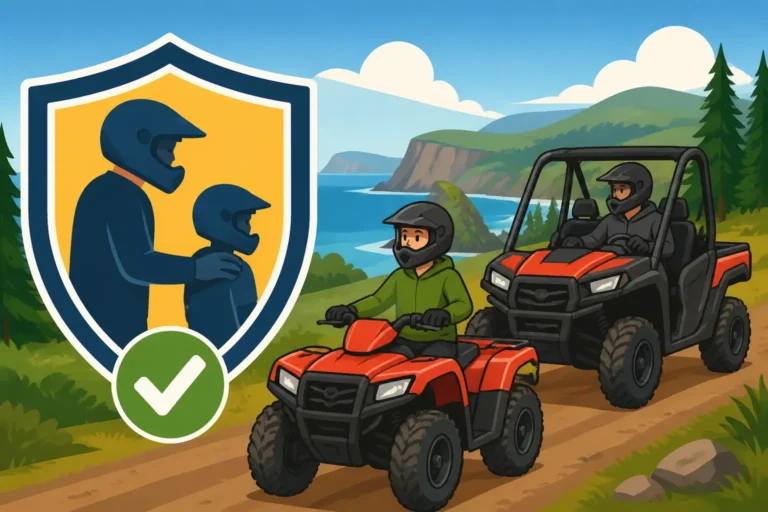
This is one of the most crucial elements for any rider under the age of 16, and especially for a 12-year-old. They cannot, under any circumstances, operate an ORV unsupervised on public land or designated trails. The Act is clear that a supervisor must be present and must meet certain criteria. This isn't just about having another adult vaguely "nearby"; it's about active, responsible oversight. The supervisor needs to be 18 years of age or older and hold a valid driver's license for the class of vehicle they would operate on a highway. This ensures they have the experience and legal standing to intervene if necessary. [Newfoundland Supervision Rules for Young Riders] are very strict for a reason.
The supervisor's role is expansive. They're not just a passive observer; they are directly responsible for the young rider's safety and adherence to all rules. This means they need to be able to see and hear the young rider at all times, communicate effectively, and be close enough to provide immediate assistance if something goes wrong. Imagine trying to teach a child to ride a bicycle without being right there with them, guiding their balance and steering. The supervision requirement for ORVs is similar, but with higher stakes, ensuring that every ride is a teaching opportunity wrapped in a layer of safety.
Engine Size Limitations for a 12-Year-Old
For a 12-year-old, the provincial regulations dictate specific limits on the engine size of the ORV they can operate. These limits are paramount, and they are usually defined by cubic centimeters (cc) of engine displacement. Generally, at 12 years old, riders are restricted to machines with smaller engines, typically falling into the "youth" or "entry-level" categories that are explicitly designed for younger operators. It is vital to check the latest version of [Newfoundland Engine Size for Age and Weight] within the Off-Road Vehicles Act or its accompanying regulations for the precise, up-to-date figures.
Putting a 12-year-old on a machine that exceeds these engine size limits is not only dangerous but also illegal. An overpowered machine can be too fast, too heavy, and too difficult to maneuver safely for a child of that age. They might struggle with braking distances, maintaining control on uneven terrain, or reacting quickly enough to unexpected obstacles. Always verify the manufacturer's recommendations for age and weight, and cross-reference these with the provincial regulations. Sometimes, even if a manufacturer says a machine is for "youth," it might still exceed Newfoundland's specific limits for a 12-year-old.
Training and Safety Certificate Requirements
Beyond age and supervision, Newfoundland requires young riders to complete a safety training course. This is not optional; it’s a mandatory step for anyone under 16 years old who wishes to operate an ORV. A 12-year-old rider falls squarely within this requirement. The training is designed to instill fundamental safety knowledge, riding techniques, and an understanding of the rules of the trail. Think of it as their driver's education for off-road vehicles. [Newfoundland Training Required Under 16] is a cornerstone of youth rider safety.
The province often offers a free online safety test through MyGovNL, which, upon successful completion, provides a printable safety certificate. This certificate, or proof of an approved alternative course, must be carried by the young rider (or their supervisor) whenever they are operating an ORV. It’s what an enforcement officer will ask to see if they stop them. This training covers everything from pre-ride inspections and safe operating procedures to environmental responsibility and emergency preparedness, ensuring that young riders develop a responsible attitude toward their sport right from the start. Taking the time to complete this training is an investment in their safety and skill. For more information on what to expect, check out [What Is on the Newfoundland ATV Safety Test].
| Age Group | Max Engine Size (Approximate) | Supervision Required | Safety Training Required |
|---|---|---|---|
| Under 12 | None (Passenger only) | Yes | Yes (for future riding) |
| 12-13 | Small Youth ATV (e.g., up to 90cc) | Yes | Yes |
| 14-15 | Medium Youth ATV (e.g., up to 250cc) | Yes | Yes |
| 16+ | No specific limit (Adult machines) | No | Recommended |
| Note: These engine sizes are approximations and may vary. Always consult the official Newfoundland and Labrador Off-Road Vehicles Act and Regulations for exact and current specifications, as they can change. |
Equipping and Supervising Your Young Rider Safely
Ensuring a 12-year-old rider is safe isn't just about adhering to the letter of the law; it's also about good judgment, proper equipment, and active supervision. The rules are the baseline, but creating a culture of safety around their riding experience goes far beyond that. From making smart choices about their machine to understanding your role as a supervisor, every detail contributes to a safer and more enjoyable experience for everyone involved.
The Role of the Supervisor: What It Entails
As a supervisor, you are the front line of safety for your 12-year-old rider. It’s a significant responsibility, and it goes beyond simply being on the same trail. The provincial regulations require the supervisor to be 18 years or older and to hold a valid driver's licence. But practically speaking, your role is much more hands-on. You need to be actively observing, guiding, and capable of intervening immediately. This means riding nearby, maintaining visual contact, and ensuring constant communication, whether through hand signals, pre-arranged stops, or even communication devices if you're in a group.
Your duties also extend to teaching and reinforcing safe riding practices. This includes emphasizing the importance of staying on designated trails, respecting private property, and understanding the nuances of the terrain. You're there to teach them how to handle different situations, like navigating inclines, crossing water, or dealing with unexpected obstacles. If you're on a multi-day trip, your supervision doesn't end when the sun goes down; it continues through proper machine storage and planning for the next day's ride. It’s about being a mentor, not just a chaperone.
Essential Safety Gear Beyond the Helmet
While the [Newfoundland Helmet Law for Every Rider] is non-negotiable and absolutely critical, safety gear for a 12-year-old extends far beyond just head protection. Think of it as a full suit of armour for the trails. Proper eye protection, such as goggles, is essential to shield against dust, flying debris, and branches. Sturdy, over-the-ankle boots protect against foot and ankle injuries, while gloves can prevent blisters and offer a better grip, reducing fatigue. Long pants and a long-sleeved shirt, preferably made of durable material, are crucial to guard against scrapes, cuts, and minor burns from exhaust pipes.
Consider also a chest protector or body armour, especially if your child is riding in areas with a lot of trees or uneven ground. These can offer significant protection for the torso and spine in the event of a fall. It's easy to overlook these items, but they play a vital role in injury prevention. While SuperATV might be known for heavy-duty parts for larger machines, many of the same principles of protection and durability apply to youth gear. Investing in high-quality, properly fitting gear is just as important as choosing the right machine. It’s a proactive step that significantly reduces the risk of serious injury and allows your child to ride with greater confidence.
Choosing the Right Machine: Beyond Engine Size
While engine size is a legal constraint, choosing the "right" machine for a 12-year-old involves more than just cubic centimeters. It's about finding a machine that truly fits them physically, mentally, and skillfully. A machine that is too tall, too wide, or too heavy, even if it technically meets engine size requirements, can be difficult to control. Your child should be able to comfortably reach all controls (handlebars, brakes, throttle) and have their feet firmly on the footrests while seated. They should also be able to shift their weight effectively to steer and maintain balance.
Consider the machine's overall weight and stability. A lighter machine is often easier for a young rider to manage and recover if they get into a difficult position. Look for models with features designed for youth, such as adjustable speed limiters or lower seat heights. Even with the legal engine size, some machines might be overly aggressive for a beginner. Discuss their comfort level with them and observe how they handle the machine in a controlled environment before heading out onto challenging trails. It’s about matching the machine to the individual rider, not just their age. Think about starting with a simpler machine and gradually upgrading as their skills and confidence grow. This thoughtful approach ensures they develop a lifelong love for riding in the safest way possible.
Disclaimer
This article is for general informational purposes only and does not constitute professional advice. Laws, prices and regulations vary by location and change over time. Consult a qualified professional for guidance on your specific situation.